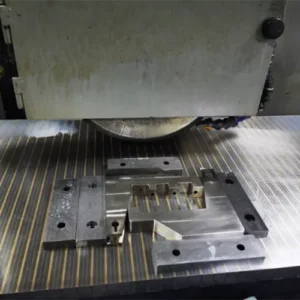
Because modern machinery components need to remain stable in different environments, bronze and brass—originating in China more than 3,000 years ago—have regained vitality in the machining field. Wear-resistant and corrosion-resistant mechanical bushings, bearings, and hardware equipment can all be seen using these two materials. Below, we will compare multiple dimensions and applications of the two materials to help you better choose materials and determine machining plans.
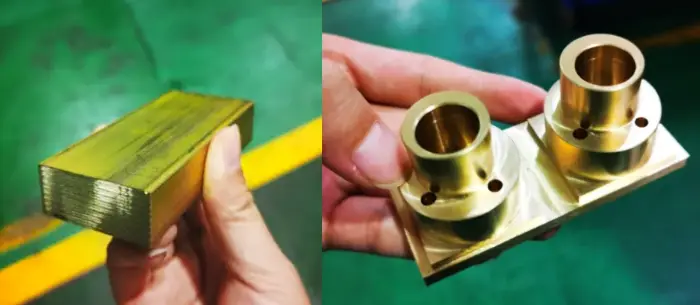
Brass vs bronze properties
Density and melting point:
Brass material density is about 8.4–8.7 g/cm³, with a melting point of about 900–940°C; bronze density is about 7.4–8.9 g/cm³ (depending on composition), with a melting point of about 850–1000°C.
Composition differences
Brass: Mainly copper (Cu) and zinc (Zn), with zinc content usually below 45%. Common brass contains only copper and zinc; special brass may add elements such as lead and aluminum to improve performance.
Bronze: Mainly copper (Cu) and tin (Sn), with tin content generally at 3%–14%. Modern bronze may also include aluminum, manganese, nickel, and other elements, forming variants such as aluminum bronze and tin bronze.
Brass vs bronze composition
Below is a comparison of the chemical element percentages of Brass and Bronze, categorized by core components and typical added elements:
1. Core composition comparison
| Element (%) | Brass | Bronze |
|---|---|---|
| Copper (Cu) | 55%–95% | 75%–90% |
| Zinc (Zn) | 5%–45% | 0% |
| Tin (Sn) | 0 | 3%–14% |
2. Comparison of typical added elements
| Element | Brass | Bronze |
|---|---|---|
| Lead (Pb) | 1%–3% | 0 |
| Aluminum (Al) | ≤2% | 5%–11% |
| Phosphorus (P) | <0.5% | 0.1%–0.4% |
| Manganese (Mn) | ≤1% | ≤5% |
| Nickel (Ni) | ≤5% | ≤10% |
| Silicon (Si) | ≤1% | ≤4% |
Color comparison:
Brass: Zinc content affects the color, ranging from reddish copper tones to golden yellow; the surface can be polished to a high gloss.
The color of Brass is usually between golden yellow and reddish copper. The specific tone depends on the zinc content—when the zinc ratio is lower, it shows a warm reddish copper luster; as zinc content increases, it gradually becomes a brighter golden yellow.
Bronze: Dark gold or bluish-gray; after oxidation, the surface forms a protective patina (green patina).
Bronze tends toward dark gold or bluish-gray. Because it contains tin, aluminum, and other elements, after oxidation the surface forms a distinctive patina (green patina or brown patina), giving it an antique, steady texture.
Wear resistance:
Brass: Moderate wear resistance; adding lead can improve machinability but reduces strength.
Bronze: Excellent wear resistance, especially tin bronze, often used for bearings, gears, and other friction components.
Ductility and hardness:
Brass has higher ductility than bronze and is easy to process into thin sheets or fine wire; hardness increases with higher zinc content, and high-zinc brass is more wear-resistant. Bronze generally has higher hardness than Brass, especially tin bronze, and is suitable for making high-strength tools or ornaments.
Chemical characteristics
Corrosion resistance:
Brass is stable in dry air but is susceptible to corrosion by seawater, ammonia gas, etc., and may undergo dezincification corrosion (zinc is dissolved, leaving a porous copper structure).
Bronze has excellent resistance to seawater and atmospheric corrosion, especially tin bronze; its surface patina can better protect the internal metal.
Antibacterial properties:
When brass has a high copper content, it has certain antibacterial properties, but weaker than pure copper. Some bronzes (such as those containing tin or aluminum) show stronger antibacterial performance and are often used in medical equipment or door handles.
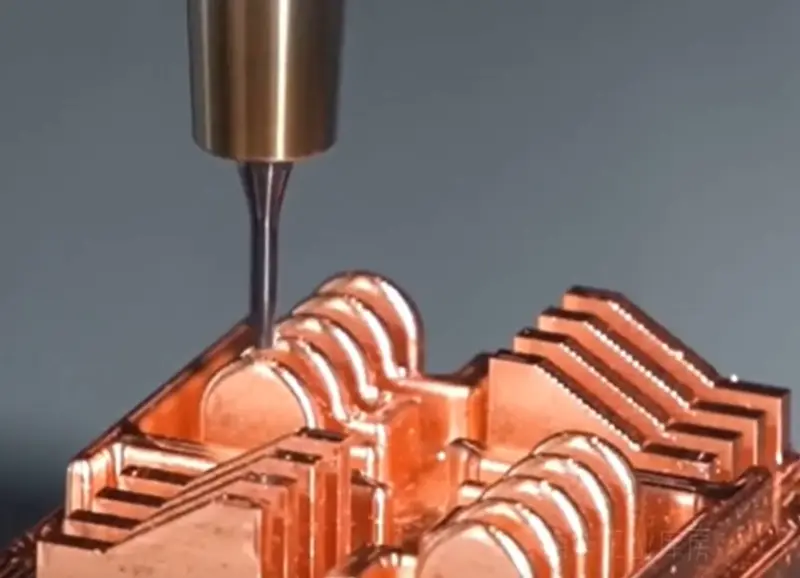
Brass vs bronze strength
Tensile Strength:
Brass : The tensile strength range of common brass is usually between 300–500 MPa. High-strength brass (such as with added aluminum, manganese, and other elements) can increase tensile strength to 600–900 MPa.
Bronze : Bronze has a wide tensile strength range; common bronze has tensile strength about 400–700 MPa. High-strength bronze (such as aluminum bronze and manganese bronze) can reach 800–1200 MPa, or even higher.
Yield Strength:
Brass : Common brass yield strength is about 150–300 MPa; high-strength brass can reach 400–600 MPa.
Bronze : Bronze yield strength is usually higher than brass; common bronze yield strength is about 200–500 MPa, and high-strength bronze can reach 600–1000 MPa.
Hardness:
Brass : Brass hardness is lower; common brass Brinell hardness (HB) is about 60–90, and high-strength brass can reach 100–150 HB.
Bronze : Bronze hardness is higher; common bronze Brinell hardness is about 80–120 HB, and high-strength bronze can reach 150–250 HB.
Strength comparison analysis:
High-strength needs: If the application scenario requires higher tensile strength, yield strength, and hardness (such as high-load mechanical parts, wear-resistant parts, etc.), Bronze is usually a better choice, especially high-strength bronze (such as aluminum bronze and manganese bronze).
Medium-strength needs: For applications with medium strength requirements (such as ornaments, low-load mechanical parts, pipes, etc.), Brass may be more suitable due to its good machinability and corrosion resistance.
Brass vs bronze electrical conductivity
Electrical conductivity of Brass:
Brass is mainly composed of copper and zinc. Although the addition of zinc reduces electrical conductivity, it still remains at a relatively high level. For example, common brass (such as C26000, with 65% copper and 35% zinc) has a conductivity of about 28% IACS (International Annealed Copper Standard), suitable for electrical connectors, terminals, and other scenarios requiring relatively high conductivity.
Electrical conductivity of Bronze:
Bronze uses copper and tin as core components, and the addition of tin significantly reduces conductivity. For example, phosphor bronze (copper 85%–90%, tin 8%–10%, phosphorus 0.1%–0.4%) has a conductivity of about 15% IACS. Although lower than brass, it is still better than steel and other materials. Variants such as aluminum bronze and manganese bronze further reduce conductivity due to added aluminum and manganese, but improve strength, corrosion resistance, and other properties, and are suitable for high-strength and wear-resistant scenarios.
Reasons for conductivity differences:
Element impact: Zinc in brass has less negative impact on conductivity than tin in bronze. Tin has a larger atomic radius; after being added, it significantly increases copper lattice distortion, hindering electron movement, leading to a more obvious decrease in conductivity.
Composition range: Brass zinc content (5%–45%) has a larger adjustment space, and composition can be optimized to balance conductivity and mechanical properties; bronze tin content (3%–14%) can also be adjusted, but conductivity is generally lower than brass.
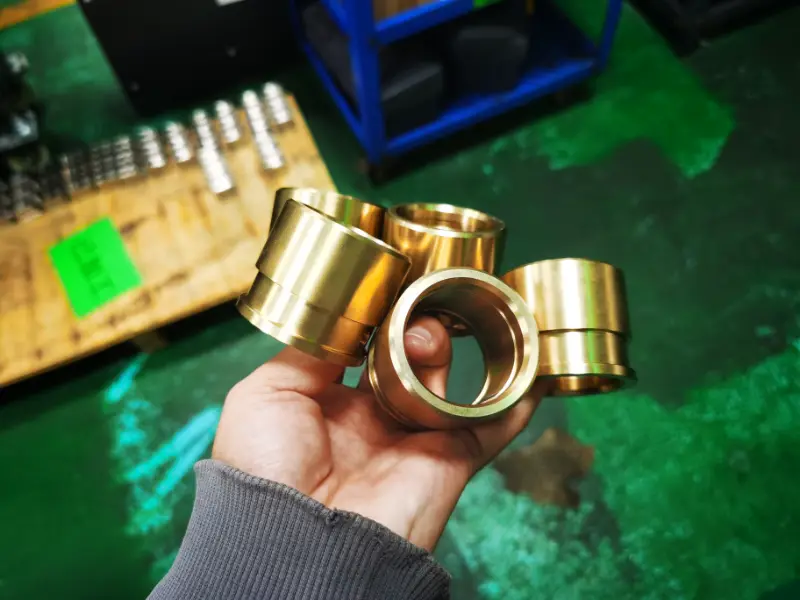
Brass vs bronze price
Brass price range
Standard brass (such as C26000) is about $3.50–5.00 per lb; low-lead environmentally friendly brass is about $4.00–6.00 per lb; high-zinc brass (such as Muntz metal) is about $3.00–4.50 per lb. Because zinc costs are lower and processing is mature, brass prices are generally lower than bronze.
Bronze price range
Tin bronze (such as C63000) is about $8.00–12.00 per lb; aluminum bronze (such as C63200) is about $10.00–15.00 per lb; phosphor bronze (such as C52100) reaches $12.00–18.00 per lb. Because bronze contains higher-priced elements such as tin and aluminum and has more complex processing, its cost is significantly higher than brass.
Why bronze is more expensive than brass
Bronze’s tin, aluminum, and other components are more expensive, and casting and heat-treatment processes are needed to improve strength and durability, supporting its high price; brass is mainly copper-zinc, zinc is cheaper and supply is stable, so it is more affordable.
Brass vs bronze uses
Uses of Brass :
Decoration and daily goods: Brass is widely used to make utensils, jewelry, brooches, door handles, lamps, and other decorative items due to its golden appearance and corrosion resistance.
Piping and valves: Brass is corrosion-resistant and easy to process, often used to manufacture water pipes, valves, faucets, marine valves, rudder shaft accessories, and other hardware parts.
Electronics: Brass has good electrical conductivity and is used to make connectors, terminals, and other electronic components.
Musical instruments: Brass is the main material for brass instruments (such as trumpet, trombone, and French horn) due to its good acoustic performance and ductility.
Marine environments: “Naval brass” with added tin is resistant to seawater corrosion and is used for ship fittings.
Uses of Bronze
Sculptures and artworks: Bronze is the preferred material for sculptures, reliefs, and monuments due to its hardness and durability. For example, Chinese bronzeware from the Shang and Zhou dynasties (such as ding and jue).
Bearings and gears: Bronze’s wear resistance and self-lubricating properties make it suitable for high-load, low-speed bearings, gears, pump bodies, and other high-load hardware parts.
Marine fittings: Bronze is resistant to seawater corrosion and is used to manufacture marine propellers, valves, pump bodies, and so on.
Springs and clamps: Bronze’s elasticity makes it suitable for manufacturing springs, clamps, and other parts requiring resilience.
Musical instruments: Bronze is used to manufacture high-sound-quality instruments such as bells, cymbals, and bianzhong, due to its good resonance performance.
Brass vs bronze cookware
Brass material cookware uses a copper-zinc alloy as the base material, with excellent thermal conductivity and durability. It is often used in traditional cooking utensils (such as stew pots and frying pans) and ceremonial tableware. Its antibacterial properties make it suitable for storing food, but it should avoid contact with acidic ingredients to prevent metal ion leaching, and it requires regular polishing and maintenance;
Bronze material cookware is mainly a copper-tin alloy, with higher hardness and better wear resistance. It is mostly used in traditional tableware (such as plates and cups), especially in Ayurvedic dietary culture where it is believed to purify food and promote digestion. However, it also needs to avoid acidic environments, and because of higher tin content, its manufacturing cost is usually higher than brass.
The core difference between the two is: brass focuses more on practicality for daily cooking and heat transfer efficiency, while bronze emphasizes cultural symbolism and the ritual sense of the dining experience.
Brass vs bronze ball valves
Brass ball valves are widely used in low-pressure systems such as fresh water, gas, and heating. Their corrosion resistance is excellent, but they should avoid long-term contact with ammonia, strongly oxidizing acids (such as nitric acid and concentrated sulfuric acid), and chloride-ion media (such as seawater and swimming pool water), otherwise stress corrosion cracking or zinc element leaching may occur; at the same time, brass should avoid contact with ferrous (stainless steel) pipes, because potential differences can cause iron pipes to corrode, and rubber gaskets or insulating joints are needed for isolation.
Bronze ball valves are often used in high-pressure or corrosive environments such as ships and chemical industries. Although bronze is resistant to seawater corrosion, it should avoid long-term contact with acidic media (such as acetic acid and dilute hydrochloric acid) at high temperatures to prevent tin dissolution; in addition, when bronze is directly connected to aluminum pipes, it will accelerate corrosion of aluminum alloy pipes, and non-metal transition parts should be used; bronze may also experience stress corrosion when in contact with ammonia or ammonia compounds, so the usage environment must be strictly controlled.
Advantages and disadvantages of brass and bronze
Both materials are copper-based alloys, but because the main added elements differ, they show significant differences in physical, chemical, and mechanical properties, and are therefore suitable for different fields.
Brass
Advantages:
Excellent machinability: Brass has very good ductility and plasticity, making it easy for cold and hot processing such as forging, pressing, cutting, and welding, and it can easily be made into various complex-shaped parts.
Adjustable strength: Strength and hardness can be adjusted through heat treatment (such as quenching and annealing) to meet different needs. The tensile strength of ordinary brass wire can reach 490–900 N/mm², and improved ultra-hard brass wire can even reach 1200 N/mm².
Non-magnetic: This feature is very important in electronic and electrical applications where magnetic interference must be avoided.
Wear resistance and low friction: It has good wear resistance and a low friction coefficient, suitable for making wear-resistant parts such as bearings.
Disadvantages:
Limited strength and hardness: Compared with bronze, brass usually has lower hardness and strength, and is not suitable for heavy industrial parts that need to withstand extremely high loads and wear.
Difficult welding: Because zinc has a low boiling point and is easy to oxidize, welding brass requires specific processes and skills; otherwise, pores and cracks are likely to occur.
Limits on corrosion resistance: Although corrosion resistance is good, it will be corroded in strong acid environments (such as hydrochloric acid and sulfuric acid). In addition, some lead-containing brasses may pose health risks.
Bronze
Advantages:
High strength and high hardness: The addition of tin significantly increases the alloy’s hardness and strength, making it harder and more durable than brass, suitable for parts that need to withstand heavy loads and intense friction.
Excellent wear resistance: It has extremely high wear resistance and is an ideal material for wear-resistant components such as gears, bearings, bushings, and turbine blades.
Excellent corrosion resistance: Especially resistant to seawater and saltwater corrosion, it is the preferred material for marine engineering (such as ship propellers and subsea pipelines). It is also resistant to corrosion from many chemical substances.
Special acoustic energy: When struck, it produces a crisp and loud sound, often used to make bells, gongs, and monuments.
Disadvantages:
Higher cost: The price of tin, the main alloying element, is more expensive than zinc, resulting in bronze’s overall cost usually being higher than brass.
More difficult machining: Although machinability is good, because of its high hardness, processing requires sharper tools and more professional techniques, and machining costs are relatively higher.
High welding requirements: Welding requires higher temperatures and more professional skills, and should not be performed at excessively high temperatures (such as above 815°C), so as not to affect performance.
Choose brass or bronze?:
Choose brass:
Cost is the primary consideration, and excellent machinability and formability are needed. The application environment does not require extreme strength and wear resistance. A bright golden appearance is needed for electrical or non-magnetic occasions. Examples: instrument parts, water pipes, decorative hardware, electronic product housings.
Choose bronze:
Very high strength, hardness, and wear resistance are needed. The application environment is harsh, such as seawater, chemicals, and high temperatures. A deep, retro appearance and texture is desired. The budget is relatively sufficient. Examples: heavy-duty mechanical bearings, ship propellers, outdoor sculptures, precision gears.
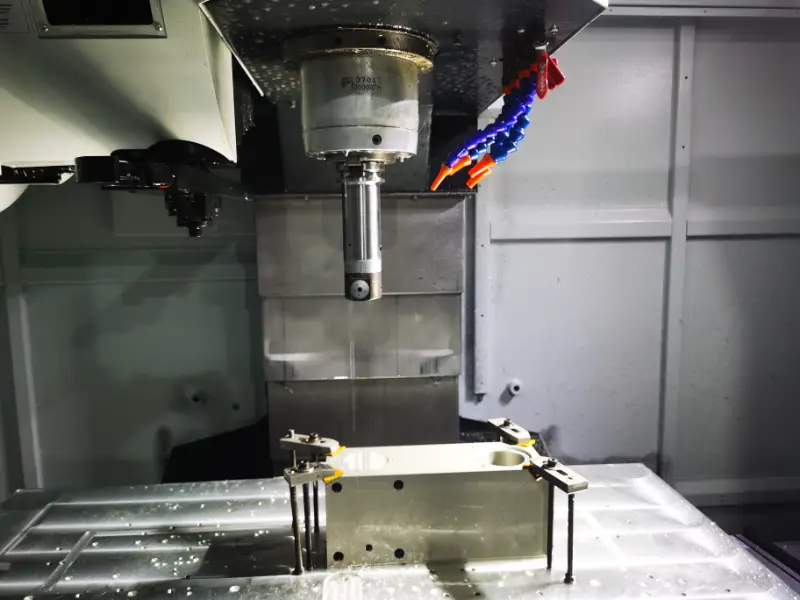
What processing methods do brass and bronze support?
- Cold working (stamping / drawing / bending)
Brass: With excellent ductility, it is very suitable for deep drawing and cold bending and other cold processes, and can form complex thin-walled parts at room temperature without cracking.
Bronze: Due to high hardness and brittleness, cold working performance is poor. Usually it needs to be heated for hot forging or hot rolling; otherwise, cracks are likely to occur. - Machining (turning / milling / drilling)
Brass: Very good machinability; chips are short, brittle, and easy to break, suitable for high-speed precision machining on automatic lathes, with high surface finish.
Bronze: Hard and highly tough; machining requires sharp tools and sufficient coolant, chips are continuous, and processing difficulty and cost are higher. - Casting (sand casting / precision casting)
Bronze: Excellent fluidity and low shrinkage, can perfectly replicate mold details, and is the first choice for manufacturing large heavy parts (such as bearings and sculptures).
Brass: Good casting performance, but zinc easily volatilizes and oxidizes during melting; temperature and protective covering must be strictly controlled, and it is mostly used for small and medium-sized parts. - Welding (TIG / MIG / brazing)
Brass: Medium welding difficulty; the main challenge is zinc’s low boiling point, which easily evaporates and causes pores. Brazing or special deoxidizers are usually needed.
Bronze: High welding difficulty; because it conducts heat very quickly, preheating is required, and cracks are likely. TIG welding with silicon bronze wire is usually used. - Surface treatment (polishing / coloring)
Brass: Very easy to polish to a mirror finish; electroplating and chemical coloring performance are good, often used for imitation gold decoration and glossy hardware.
Bronze: Polishing often results in a matte texture; its characteristic is that chemical aging (Patina) can produce unique verdigris or antique tones.
Conclusion
Choosing between brass and bronze ultimately comes down to your working environment, load and wear requirements, corrosion exposure, and budget. Brass is often the better fit when you need good machinability, stable conductivity, and a clean finish at a lower cost, while bronze is usually the go-to for higher strength, better wear resistance, and tougher conditions like seawater or heavy friction. If you’re still weighing options, share your part drawing, material preference (or the conditions it will face), quantity, and any tolerance or surface requirements. We can help confirm the right alloy and provide a clear machining plan—along with a fast, accurate quotation for your project.