
Ceramic CNC machining has become a critical capability for industries that require parts combining extreme hardness, thermal stability, chemical resistance, and electrical insulation. From advanced electronics and medical implants to aerospace and semiconductor tooling, ceramic CNC machining enables manufacturers to create complex geometries in materials such as alumina, zirconia, and silicon nitride that would be impossible or prohibitively expensive with other processes. This guide explains the processes, materials, benefits, and limitations of ceramic CNC machining, and highlights how ceramic CNC milling, ceramic CNC cutting, and precision ceramic machining come together to produce reliable, high-performance components.

What Is Ceramic CNC Machining?
At its core, ceramic CNC machining describes CNC-driven milling, turning, grinding, and cutting operations applied to engineering ceramics. Unlike metals or polymers, ceramics are brittle and abrasive, which requires specialized tooling, coolant strategies, and machine rigidity. Modern ceramic CNC machining uses diamond-tipped tools, precision fixtures, and optimized cutting parameters to control microcracks, surface integrity, and dimensional accuracy.
Because ceramic CNC machining often follows sintering or presintering processes, manufacturers must account for shrinkage and thermal effects. When combined with post-processing like lapping or polishing, ceramic CNC machining produces parts that meet demanding optical, tribological, and electrical specifications.
Materials Commonly Used in Ceramic CNC Machining
Typical materials for ceramic CNC machining include:
Alumina (Al₂O₃) — excellent wear resistance and electrical insulation.
Zirconia (ZrO₂) — high toughness for structural parts.
Silicon Nitride (Si₃N₄) — great for high-temperature and high-load applications.
Silicon Carbide (SiC) — superb thermal conductivity and abrasion resistance.
Selecting the right ceramic influences the choice of ceramic CNC milling vs. grinding, and dictates whether ceramic CNC cutting will be performed dry or with specialized coolants. Experienced shops plan precision ceramic machining steps around the material’s microstructure.
Ceramic CNC Milling — Shaping Hard Materials with Precision
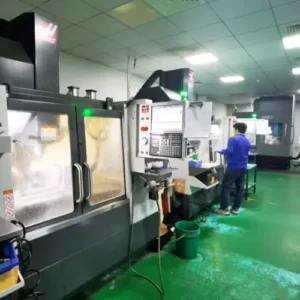
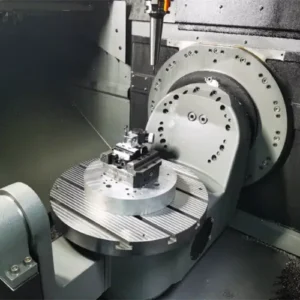
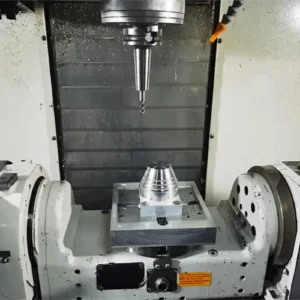
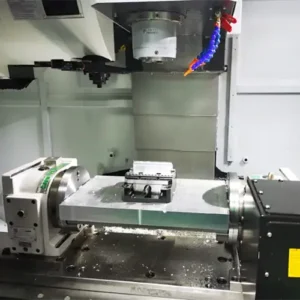
Ceramic CNC milling is the primary method for creating complex contours, slots, and pockets in ceramic parts. Because ceramics are brittle, it requires:
Diamond or CBN tooling to resist abrasion.
Low-feed, high-rpm cutting to minimize edge chipping.
Rigid fixturing to prevent vibrations that cause microcracks.
Good ceramic CNC milling shops employ carefully tuned toolpaths and multi-pass strategies that remove material gradually. Combining ceramic CNC milling with subsequent precision ceramic machining like lapping and polishing ensures final dimensional and surface quality.
Ceramic CNC Cutting — From Slabs to Finished Features
Ceramic CNC cutting encompasses sawing, waterjet, laser ablation, and abrasive cutting methods used to rough-shape blanks prior to fine machining. For many manufacturers, cutting is the first step: large plates or rods are cut to near-net size so that later CNC milling and grinding focus on precision features.
Effective ceramic CNC cutting minimizes kerf, reduces subsurface damage, and preserves surface integrity—critical when subsequent precision ceramic machining steps must deliver tight tolerances and high surface finishes.
Precision Ceramic Machining — Achieving Tight Tolerances and High Surface Quality
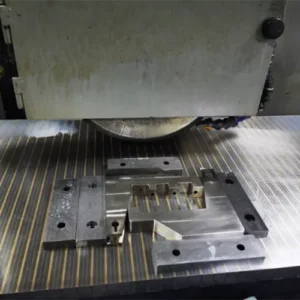
Precision ceramic machining refers to the suite of finishing processes—lapping, ultrasonic machining, diamond polishing, and CBN grinding—that bring ceramic parts into tolerance. While CNC machining creates geometry, precision ceramic machining guarantees that critical surfaces meet micron-level flatness, roundness, and roughness specifications.
Typical industries requiring precision ceramic machining include semiconductors (wafer handling), medical devices (implantable ceramic components), and aerospace (high-temperature sensors). In these cases, combining CNC-based shaping with manual or automated finishing ensures repeatable, certified outcomes.
Design Considerations for Ceramic CNC Machining
To maximize success in ceramic machining, designers should follow practical guidelines:
Avoid sharp internal corners; use generous radii to reduce stress concentrations for ceramic CNC milling.
Specify realistic tolerances; precision ceramic machining can produce tight dimensions but at higher cost.
Consider manufacturable wall thickness to prevent cracking during ceramic CNC cutting and subsequent handling.
Plan for sinter shrinkage if machining occurs on presintered blanks; compensate dimensions in CAD before ceramic CNC machining.
Early collaboration with a ceramic CNC machining partner helps designers balance performance with manufacturability.
Surface Finishes and Inspection in Ceramic CNC Machining
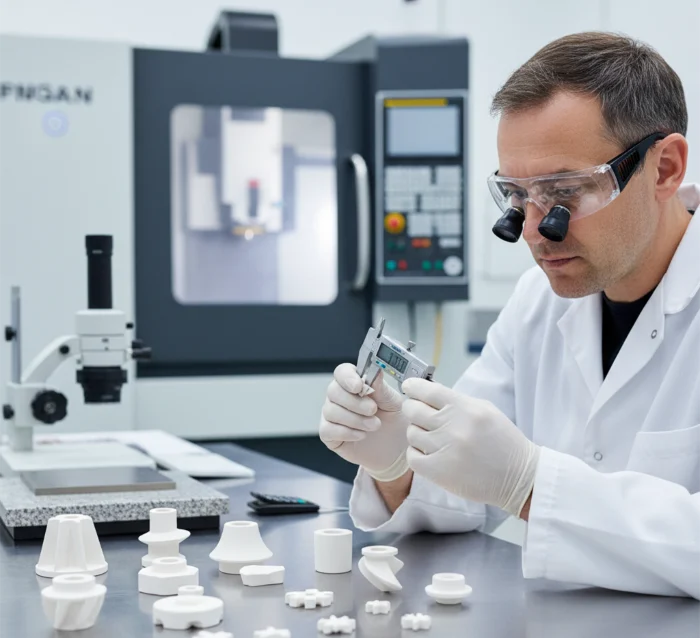
Surface finish matters: many applications require low Ra, high flatness, or optical clarity after ceramic CNC machining. Post-processes such as diamond polishing or chemical etching are common in precision ceramic machining workflows. Inspection typically uses CMMs, profilometers, and optical microscopes to validate tolerances produced by ceramic CNC milling and finishing steps.
Challenges and Best Practices in Ceramic CNC Machining
CNC machining is technically demanding. Key challenges include tool wear, brittle fracture, and controlling residual stresses. Best practices include:
Using diamond tooling and indexed inserts to maximize tool life during ceramic CNC milling.
Implementing slow, controlled feed rates and multi-pass cutting for ceramic CNC cutting.
Employing in-process metrology to guide precision ceramic machining passes.
Designing parts with machinability in mind to reduce scrap and iteration.
Skilled ceramic CNC machining providers combine process control, materials science, and fixture design to minimize risk.
Applications of Ceramic CNC Machining
Ceramic CNC machining enables components across many sectors:
Semiconductor wafer carriers and process fixtures.
Medical implants and surgical components.
High-temperature engine parts and seals in aerospace.
Wear components in pumps and valves.
Optical holders and dielectric insulators.
Each application relies on a mix of ceramic CNC milling, ceramic CNC cutting, and precision ceramic machining to deliver performance and reliability.
Choosing a Ceramic CNC Machining Partner
When selecting a supplier, evaluate experience with your chosen ceramic, evidence of successful precision ceramic machining, and capabilities in ceramic CNC milling and ceramic CNC cutting. Look for documented quality systems, inspection reports, and references from similar industries.
A partner that integrates design advice, prototyping, and finishing will shorten development cycles and improve first-pass yields in ceramic CNC machining projects.
Conclusion — Why Ceramic CNC Machining Matters
Ceramic CNC machining opens possibilities for components that must survive extreme environments while maintaining precision. Through careful application of ceramic CNC milling, thoughtful ceramic CNC cutting, and rigorous precision ceramic machining, manufacturers can achieve durable, accurate parts for the most demanding uses. If your project needs high-performance ceramic parts, consult an experienced ceramic CNC machining provider early to optimize material choice, geometry, and finishing strategy.and you can feel free to contact with us Weldo for more details and instant quote