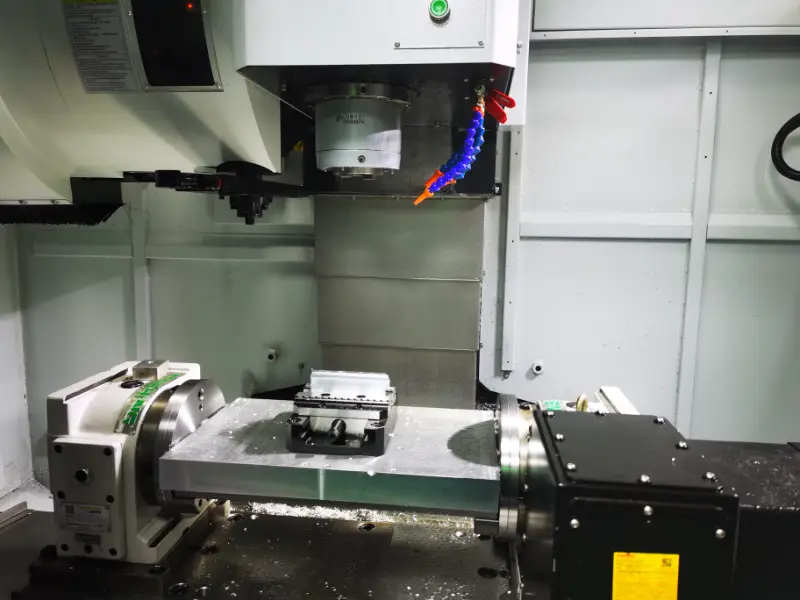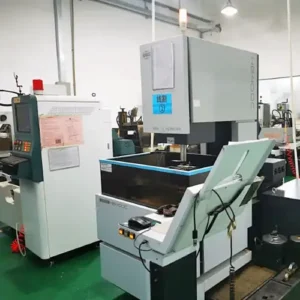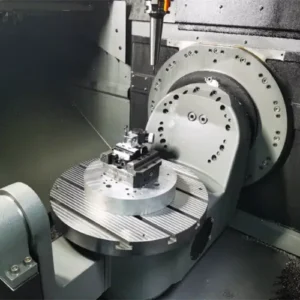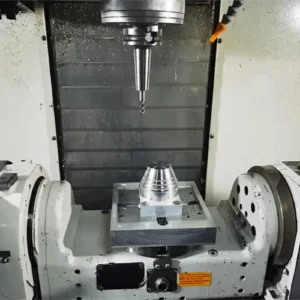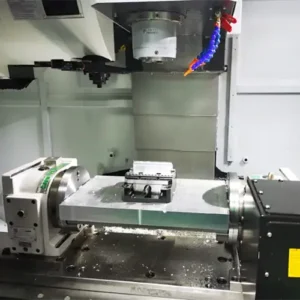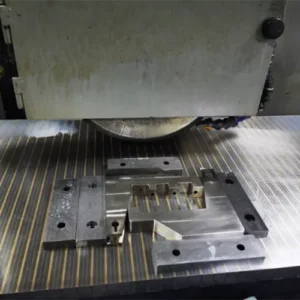
Chamfering is an essential geometric feature used in CNC machining, primarily for edge finishing and preparing parts for assembly. The angle, size, shape, and material choice for Bevel can affect part performance, ease of assembly, and the machining process. In this article, we’ll explore the typical chamfering parameters and their applications, as well as provide recommendations for various materials and machining methods.
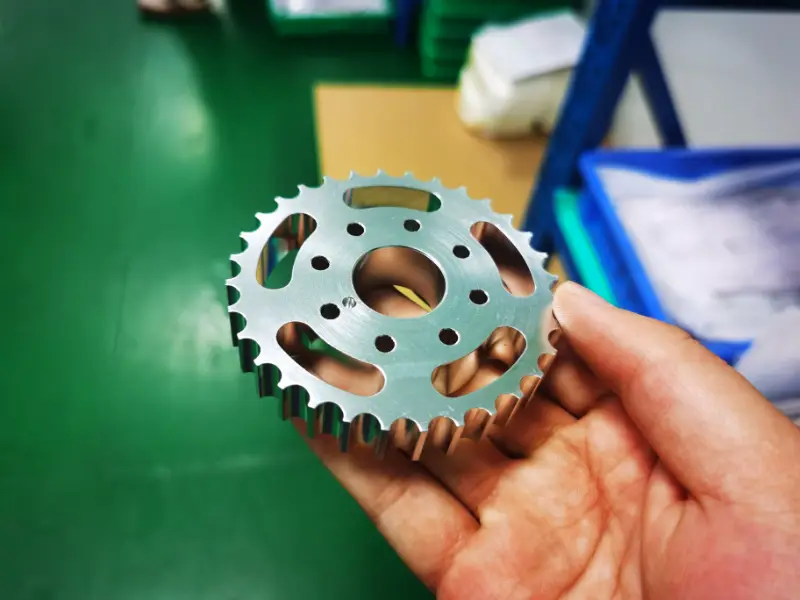
Chamfer Angle: Common Values and Their Meaning
The Bevel angle is one of the most important parameters when designing Bevels. The angle is usually chosen based on the part’s assembly requirements and load-bearing capacity.
Common Bevel Angles
- 45° Angle: The most common Bevel angle, suitable for most mechanical parts. It strikes a balance between machining difficulty and assembly precision. Widely used for pipe connections, mechanical assemblies, joints, and mating surfaces.
- 30° Angle: Used for designs requiring a smaller transition or higher assembly precision, ideal for parts with small mating gaps.
- 60° Angle: Applied when a larger transition is needed, commonly used for part reinforcements or areas with significant shape changes.
- 15° Angle: Suitable for small parts and fine interfaces, often used for micro-components.
Common Bevel Sizes
The size of a Bevel is defined by the length of the beveled edge or its height, which impacts the part’s overall dimensions and function.
- 1mm-2mm: Typically used for small components and light-duty parts.
- 5mm-10mm: Ideal for medium-sized parts or those requiring a larger transition.
- Over 10mm: Used for larger components or parts requiring significant transitions.

Chamfer Shapes
The shape of the Bevel can vary based on the design requirements. The main shapes include:
- Straight Chamfer: The most common Bevel shape, with a straight edge and bevel face.
- Filleted Chamfer: A Bevel where the edge transitions into a rounded curve, reducing stress concentration. Commonly used in areas where strength needs to be improved.
- Double Chamfer: Chamfering on both sides, used for parts that require a double connection.
Chamfering and Material Considerations
Different materials require different Beveling processes, and material hardness and toughness play an important role in determining the quality of Beveling.
Metal Materials (Aluminum, Steel, Stainless Steel)
- Typically machined using CNC milling and grinding, which is ideal for larger Bevel sizes.
Plastic Materials
- CNC machining or laser cutting is commonly used for chamfering plastic parts, where Bevel sizes are typically smaller (1mm-3mm), requiring higher precision.
Composite Materials
- Composite materials usually require smaller Bevels to prevent material damage or delamination during the process.

Chamfering Process Methods
There are several methods for Bevel, each with its own suitable application based on the part size, material, and machining requirements:
CNC Milling
- Suitable for: Most metal and some plastic parts, especially when high precision is required.
- Common Range: From 1mm to several tens of millimeters, adjustable with different tooling setups to achieve the desired angle and size.
Laser Cutting
- Suitable for: Thin sheet materials and plastics. Laser cutting provides precise chamfering without contacting the workpiece.
- Common Range: Ideal for small Bevels(1mm-3mm), and efficient for handling large volumes of parts.
Grinding
- Suitable for: Hard materials or parts requiring high precision, such as precision molds or aerospace components.
- Common Range: Suitable for handling larger Bevel sizes (such as over 5mm) and achieving higher precision.
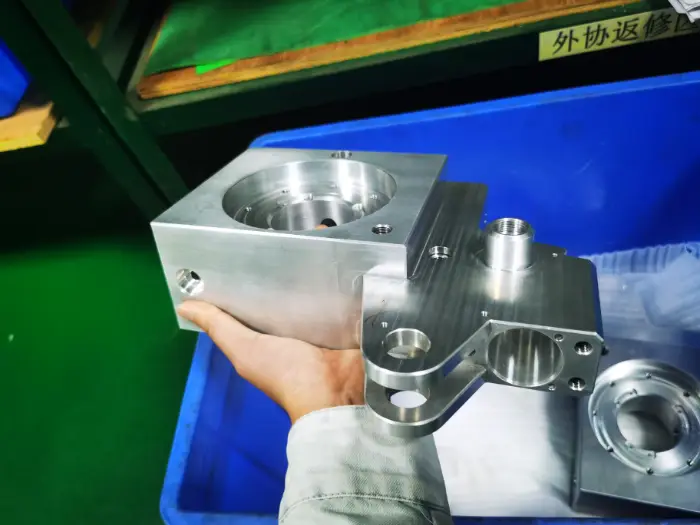
Chamfering Tolerance
Chamfering accuracy directly affects the part’s fit and function. Tolerance requirements typically fall into the following categories:
- 0.1mm: Suitable for standard mechanical assemblies and structural parts.
- 0.05mm: Ideal for precision connections and applications requiring higher accuracy.
- 0.01mm: Used for high-end equipment and components, especially in aerospace, precision instruments, and other critical industries.
Conclusion: Why Chamfering Matters
Chamfering is a crucial process in CNC machining that affects the performance, assembly, and overall quality of parts. By selecting the appropriate Bevel angle, size, and shape based on the material and design requirements, manufacturers can enhance part strength, improve assembly efficiency, and reduce stress concentrations.
Whether you are working with metals, plastics, or composites, choosing the right Bevel method ensures optimal performance, precision, and durability of your products. For accurate Bevel solutions tailored to your project needs, contact Weldo Machining today for more information and a quote!