
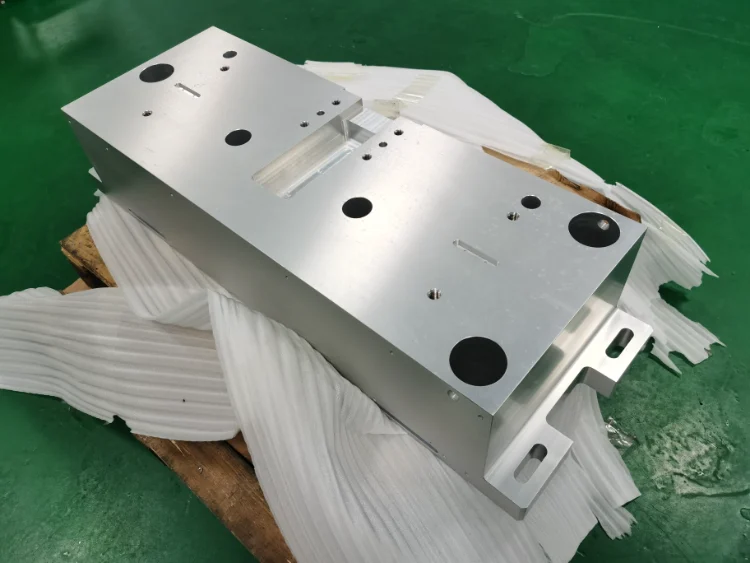
Developing accurate and durable cnc machining aluminum prototypes is essential for product engineers, startups, and manufacturers aiming to validate designs quickly and efficiently. Aluminum is one of the most versatile prototype materials due to its light weight, strength, thermal stability, and excellent machinability. This article explains materials, application fields, common accessories, and factors that influence prototype quality and cost.
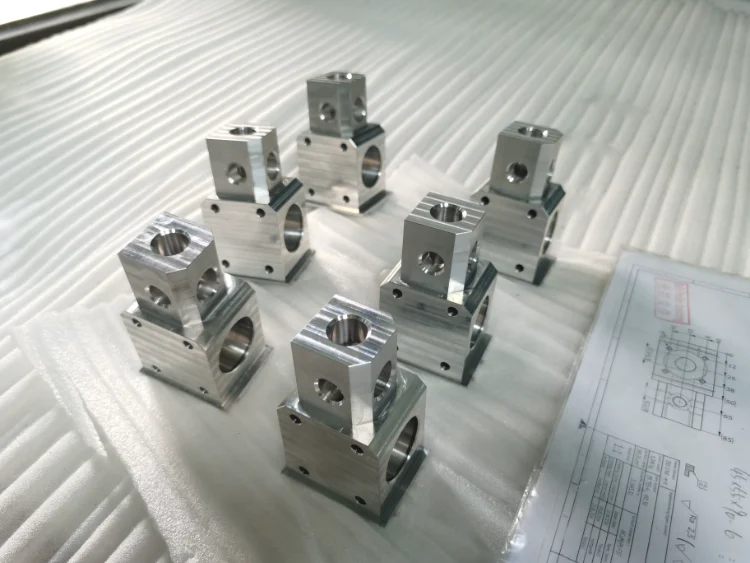
Why CNC Machining Aluminum Prototypes Are Essential for Product Development
High-quality cnc machining aluminum prototypes are widely used during product design, performance testing, engineering optimization, and functional validation. Aluminum offers the perfect balance of strength and workability, making it ideal for prototypes requiring structural rigidity and surface precision.
Advantages of Aluminum Prototyping
- Easy to machine and polish
- Strong yet lightweight
- Excellent heat dissipation
- Good corrosion resistance
- Supports tight tolerances and fine surface finishes
Because of these benefits, industries often work with an experienced aluminum cnc machining supplier to ensure consistent prototype performance.
Aluminum Materials Used for CNC Machining Aluminum Prototypes
Different aluminum grades offer distinct mechanical properties. Selecting the right grade is essential for achieving optimal prototype performance.
1. Aluminum 6061
Features
- Most widely used general-purpose aluminum
- Good strength-to-weight ratio
- Excellent machinability
Applications
- Electronic housings
- Industrial brackets
- Machinery components
2. Aluminum 7075
Features
- High strength comparable to mild steel
- Excellent fatigue resistance
Applications
- UAV parts
- Automotive performance components
- Structural aerospace prototypes
3. Aluminum 5052
Features
- Superb corrosion resistance
- Great for bending and folding operations
Applications
- Enclosures
- Marine equipment
- Sheet-metal style prototypes
4. Aluminum 6082
Features
- Improved hardness compared to 6061
- Popular in Europe for load-bearing parts
Applications
- Industrial fixtures
- Automation brackets
- Robotic frames
When working with heavy-duty applications, manufacturers often rely on aluminum alloy cnc machining to ensure structural reliability.
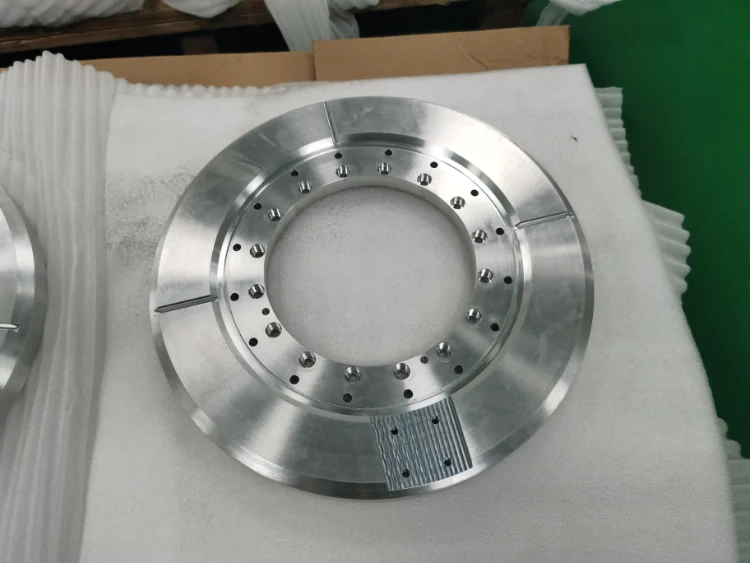
Applications of CNC Machining Aluminum Prototypes Across Industries
Because aluminum is strong yet lightweight, cnc machining aluminum prototypes are widely used across multiple high-performance industries.
Automotive
- Engine brackets
- Chassis prototypes
- Transmission housings
- Heat exchangers
Aerospace & UAV Systems
- Drone frames
- Satellite components
- Aircraft interior fixtures
High-tolerance machining is often provided by a specialized cnc machining aluminum parts factory.
Electronics & Consumer Devices
- Laptop shells
- LED housings
- Cooling plates
- Battery enclosures
Aluminum helps manage heat and provides sleek aesthetics.
Robotics & Automation
- Robot joints
- Motor bases
- Sensor brackets
- Structural arms
Medical & Laboratory Equipment
- Surgical tool housings
- Diagnostic machine covers
- Precision medical fixtures
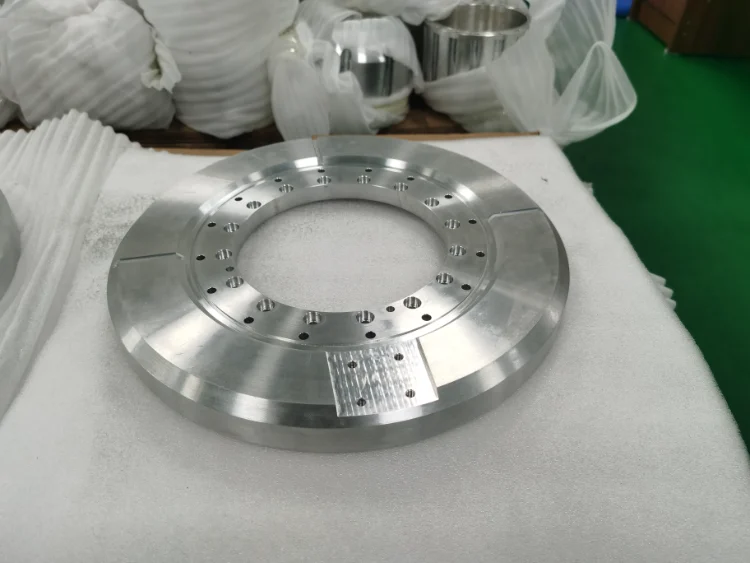
Common Accessories & Components Used in CNC Machining Aluminum Prototypes
CNC-machined aluminum prototypes often integrate multiple accessories to support assembly, alignment, and testing.
1. Threaded Inserts
Usage
- Reinforces fastening locations
- Ensures repeated tightening without wear
2. Aluminum Profiles
(Connected with aluminum profile cnc machining)
Usage
- Structural framing
- Automation rails
- Modular machine parts
3. Precision Bushings
Usage
- Reduces friction in moving assemblies
- Ensures alignment in robotic and automation systems
4. Heat Sinks & Cooling Plates
Usage
- Thermal control in electronics
- Power module cooling
5. Custom Fixture Plates
Usage
- Prototyping test setups
- Alignment platforms
- Device mounting
These accessories expand the versatility and functionality of aluminum prototype assemblies.
CNC Processes Used for Aluminum Prototype Manufacturing
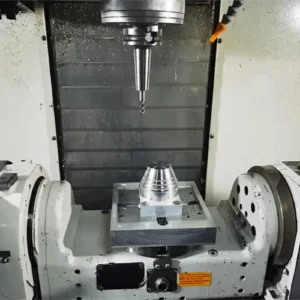
The accuracy of cnc machining aluminum prototypes depends on multiple high-precision machining processes.
Milling
Used for:
- Pocketing
- Surface finishing
- Complex shapes
Turning
Used for:
- Shafts
- Cylindrical components
- Housings requiring concentric accuracy
Drilling & Tapping
Used for:
- Mounting holes
- Threaded inserts
- Precision alignment points
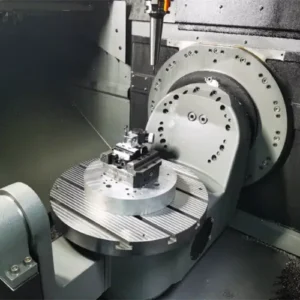
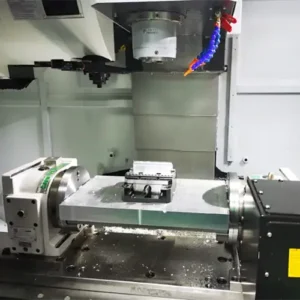
5-Axis CNC Machining
Used for:
- Organic shapes
- Aerospace brackets
- Complex electronic housings
5-axis machining is where aluminum cnc machining supplier capability becomes critical.
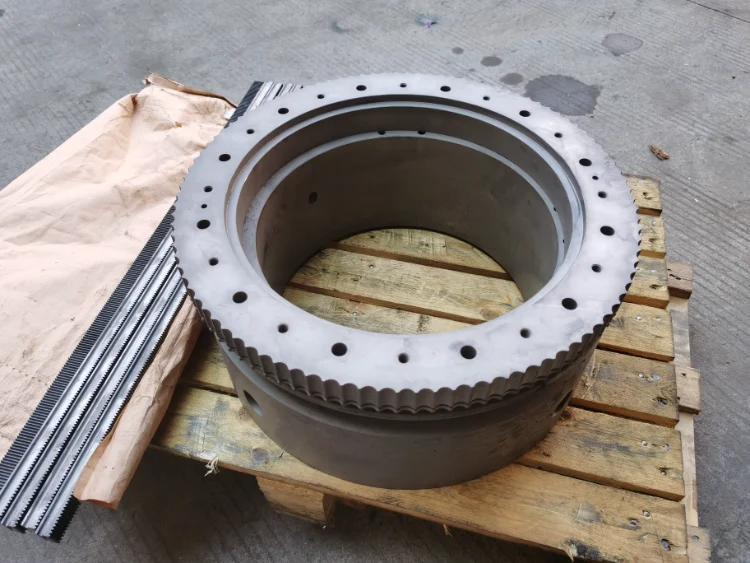
Surface Finishing Options for Aluminum CNC Prototypes
Surface finishes enhance appearance, corrosion resistance, and functional durability.
Anodizing
Benefits
- Hard protective layer
- Multiple colors available
- Widely used in electronics
Sandblasting
Benefits
- Uniform matte texture
- Removes machining marks
Powder Coating
Benefits
- Thick protective layer
- Good for mechanical housings
Polishing
Benefits
- Bright, reflective finish
- Suitable for high-end consumer products
Chemical Conversion Coating (Alodine)
Benefits
- Excellent corrosion resistance
- Good for aerospace components
Cost Factors for CNC Machining Aluminum Prototypes
The cnc machining aluminum prototypes cost depends on multiple variables including:
1. Material grade
7075 > 6082 > 6061 in cost.
2. Machining complexity
More toolpaths = more time.
3. Surface finishing
Anodizing and powder coating increase cost.
4. Quantity
Batch orders reduce cost per unit.
5. Tolerance level
Tighter tolerances require slower machining.
Request CNC Machining Aluminum Prototypes — Contact Weldo Machining
Choosing the right machining partner ensures your prototypes achieve structural strength, excellent surface finish, and reliable functionality. As a professional supplier of cnc machining aluminum prototypes, Weldo Machining offers advanced 3-axis and 5-axis machining, precision surface finishing, and fast turnaround for prototypes and small-batch manufacturing.
Contact us today for detailed quotations and more information about cnc machining aluminum prototypes.
FAQ of cnc machining aluminum prototypes
What are the main benefits of CNC machining aluminum prototypes?
They offer excellent accuracy, strength, lightweight performance, and fast production for functional testing and engineering validation.
Which aluminum grades are best for prototypes?
6061 for general parts, 7075 for high strength, 5052 for corrosion resistance, and 6082 for structural applications.
What finishing options are available for aluminum prototypes?
Anodizing, sandblasting, polishing, powder coating, and chemical conversion coatings.