Growing a cnc machining business today requires more than adding machines or increasing headcount. Competition, customer expectations, and pricing pressure demand a strategic approach that balances operations, marketing, quality, and long-term positioning. The following 15 tips provide a practical framework for scaling a cnc machining business sustainably and profitably.
1. Define a Clear Market Position for Your CNC Machining Business
A cnc machining business grows faster when it focuses on a clear niche rather than serving everyone. Specialization improves efficiency, pricing power, and customer trust.
Examples of focused positioning include:
- Aerospace or medical machining
- Low-volume, high-precision machining
- Rapid prototyping and short-run production
Clear positioning helps customers understand why they should choose your cnc machining business over competitors.
2. Invest in the Right CNC Machining Capabilities
Expanding a cnc machining business does not always mean buying more machines. It means investing in the right capabilities.
Key areas to evaluate:
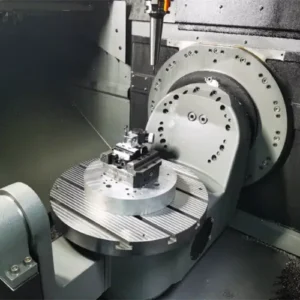
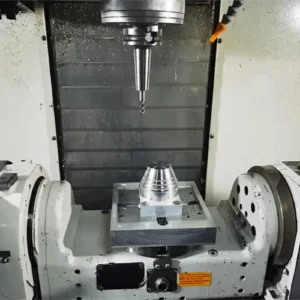
- 5-axis machining for complex geometries
- Automation for repeat jobs
- Multi-axis turning and milling integration
Capability alignment directly affects job profitability and market reach.
3. Improve Quoting Accuracy and Speed
Slow or inaccurate quotes limit the growth of a cnc machining business.
To improve quoting:
- Standardize cost models
- Use historical job data
- Reduce manual estimation errors
Fast, accurate quoting increases win rates and customer confidence.
4. Strengthen Engineering and DFM Support
Engineering support is a major differentiator in a cnc machining business.
Effective DFM (Design for Manufacturability) support:
- Reduces machining time
- Prevents rework and scrap
- Builds long-term customer relationships
Customers value suppliers who help optimize designs, not just cut parts.
5. Build Strong Quality Management Systems
Quality consistency is essential for scaling a cnc machining business.
Key quality practices include:
- In-process inspection
- Documented procedures
- Traceable materials and revisions
Strong quality systems reduce risk and improve repeat business.

6. Focus on Repeat Customers, Not One-Off Jobs
A cnc machining business grows faster through repeat customers than constant new acquisition.
Repeat customers offer:
- Lower sales cost
- Predictable production planning
- Long-term revenue stability
Building partnerships is more valuable than chasing every RFQ.
7. Optimize Production Workflow and Scheduling
Inefficient scheduling limits capacity growth in a cnc machining business.
Optimization strategies include:
- Grouping similar jobs
- Reducing setup changes
- Improving machine utilization
Better workflow allows growth without proportional cost increases.
8. Control Costs Without Sacrificing Quality
Cost management is critical as a cnc machining business scales.
Focus on:
- Tool life optimization
- Material utilization
- Reducing unnecessary tight tolerances
Cost discipline protects margins while maintaining competitive pricing.
9. Develop a Professional Online Presence
A modern cnc machining business must be visible online.
A strong website should:
- Clearly explain capabilities
- Target industry-specific keywords
- Provide easy RFQ submission
Online visibility directly affects inbound lead quality.
10. Use Content Marketing to Build Authority
Educational content helps position a cnc machining business as an expert.
Effective content includes:
- Machining guides
- Material comparisons
- Cost and tolerance explanations
Authority content builds trust before the first sales conversation.
11. Expand Industry Certifications Strategically
Certifications support growth when aligned with target markets.
Examples include:
Certifications increase access to higher-value customers.
12. Strengthen Supplier Relationships
A cnc machining business depends on reliable suppliers.
Strong supplier relationships improve:
- Material availability
- Lead time stability
- Cost predictability
Supply chain stability supports consistent growth.

13. Train and Retain Skilled Talent
People remain a critical asset in any cnc machining business.
Retention strategies include:
- Skill development programs
- Clear career progression
- Competitive compensation
Skilled teams improve quality, efficiency, and customer satisfaction.
14. Plan for Scalable Growth, Not Just More Orders
Growth without planning can strain a cnc machining business.
Scalable growth requires:
- Capacity planning
- Cash-flow management
- Process standardization
Sustainable expansion is more important than rapid but unstable growth.
15. Track Performance Metrics Regularly
Data-driven decisions accelerate cnc machining business growth.
Key metrics to monitor:
- Quote-to-order conversion rate
- Machine utilization
- Scrap and rework rates
- Customer retention
Regular analysis helps identify bottlenecks and opportunities.
Building Your Own CNC Machining Capability vs Outsourcing to a CNC Machining Factory
When growing a cnc machining business, many companies face a strategic decision: whether to build in-house CNC machining capabilities or outsource CNC machining production to an experienced manufacturing factory. Each option has advantages and limitations depending on business stage, capital availability, and long-term objectives.
Developing In-House CNC Machining Capabilities
Building an internal cnc machining business provides greater control over production quality, scheduling, and intellectual property. It allows faster response to design changes and supports the development of proprietary machining know-how. In-house machining is especially suitable for companies with stable demand, high production volumes, or strict confidentiality requirements.
However, developing CNC machining capabilities internally requires significant upfront investment in machines, tooling, skilled labor, facilities, and ongoing maintenance. Capacity expansion is relatively slow, utilization risk increases when demand fluctuates, and operational complexity grows as the business scales.
Best suited for:
- High and predictable production volumes
- Long-term product lines
- Strong capital resources and technical teams
Outsourcing CNC Machining to a Manufacturing Factory
Outsourcing CNC machining enables companies to access advanced equipment, experienced engineers, and scalable production capacity without heavy capital investment. For many growing businesses, partnering with a professional cnc machining factory reduces financial risk, shortens time to market, and allows flexible scaling based on order volume.
Outsourced CNC machining production also provides access to advanced processes such as 5-axis machining, difficult materials, and specialized surface treatments that may be costly or impractical to develop in-house. The main challenges are reduced direct control and the need for clear communication to maintain quality and delivery performance.
Best suited for:
- Startups and fast-growing companies
- Low- to medium-volume production
- Projects requiring diverse machining capabilities
Which Model Supports Faster CNC Machining Business Growth
For most companies in the early or growth stage, outsourcing CNC machining is often the more efficient growth path. It allows the cnc machining business to focus on product development, sales, and customer acquisition while leveraging the expertise and capacity of established suppliers. As demand becomes stable, some companies adopt a hybrid model—keeping critical processes in-house while outsourcing complex or capacity-intensive work.
Choosing the right balance between internal production and external CNC machining partners is a strategic decision that directly affects cost structure, scalability, and long-term competitiveness.

Common Mistakes That Limit CNC Machining Business Growth
Many cnc machining businesses struggle due to:
- Over-diversification
- Underpricing complex work
- Ignoring marketing and branding
- Scaling too quickly without systems
Avoiding these mistakes protects long-term profitability.
Long-Term Strategy for a Successful CNC Machining Business
A successful cnc machining business balances:
- Technical capability
- Operational efficiency
- Market positioning
- Customer relationships
Growth is the result of consistent execution across all areas.
Final Thoughts on Growing a CNC Machining Business
Growing a cnc machining business requires a structured strategy that aligns equipment, people, processes, and market focus. By improving efficiency, strengthening customer relationships, and building authority, machining companies can scale sustainably in a competitive market.
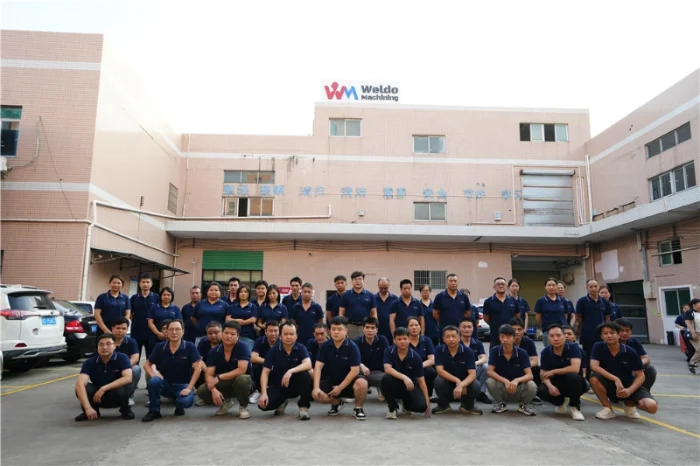
If you are looking to grow your cnc machining business with a reliable manufacturing partner that understands precision, cost control, and long-term collaboration, Weldo Machining provides professional CNC machining solutions and industry expertise. Contact Weldo Machining today to discuss cooperation opportunities and receive a customized quotation.