In industries where strength, electrical insulation, and lightweight performance matter, fiberglass stands out as a versatile composite. Yet machining it is no easy feat. That’s why choosing the right CNC machining fiberglass manufacturer is critical for engineers and procurement teams developing parts for electronics, aerospace, automation, and industrial systems.
With the right company or supplier, your fiberglass components can be manufactured to tight tolerances without compromising structural integrity or surface finish.

Why Fiberglass Requires Specialized CNC Machining
Unlike metals or standard plastics, fiberglass is a composite material made from woven glass fibers embedded in epoxy or resin matrices (e.g., FR4, G10). While it offers excellent mechanical and thermal properties, it’s abrasive and brittle, making it difficult to machine without causing delamination or excessive tool wear.
That’s where a professional CNC fiberglass machining company comes in—offering:
- Diamond-coated tools for minimal edge fray
- Dust control systems for health and cleanliness
- Material-specific feed/speed optimization
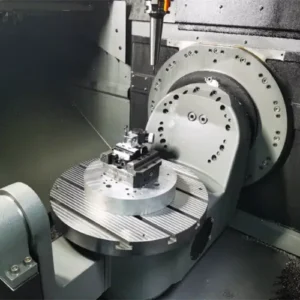
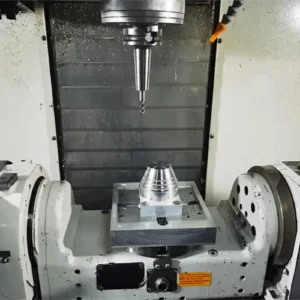
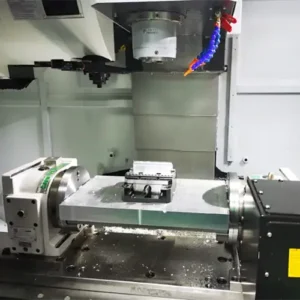
- Multiaxis CNC control for intricate parts and contours
Common Fiberglass Materials Used in CNC Machining
A qualified CNC machining fiberglass manufacturer typically works with these fiberglass-based materials:
| Material | Characteristics | Applications |
|---|---|---|
| FR4 | Flame-retardant, electrically insulating | PCB supports, control panel insulators |
| G10 | High strength, non-flame-retardant | Mechanical jigs, aerospace panels |
| Garolite (G11) | High heat resistance | Thermal insulators, transformer housings |
| Custom fiberglass laminates | Application-specific | Sealing plates, pump gaskets, sensor mounts |
Each of these materials demands distinct cutting strategies—knowledge that only a specialized CNC fiberglass supplier can offer.

What Sets a CNC Machining Fiberglass Company Apart?
Not every CNC shop is equipped to handle fiberglass. It’s a dust-producing, tool-damaging material that needs extra precautions and techniques. So what makes a fiberglass CNC machining company trustworthy?
Expertise in Composite Machining
Machining fiberglass is closer to cutting ceramics than metal. The manufacturer should:
- Use diamond or PCD tooling
- Prevent delamination at entry/exit holes
- Avoid thermal damage with coolants or dry dust extraction
- Minimize chipping during slotting or profiling
Experience with Electrical Insulation Standards
Since fiberglass is widely used in electrical and thermal insulation, the supplier should understand:
- IPC or UL compliance for FR4 parts
- Heat resistance ratings
- Surface resistivity and dielectric strength requirements
This is especially important for customers in electronics, aerospace, and control systems.
CNC Capabilities for Tight Tolerances
Applications like sensor housings, motor insulation rings, or electronics spacers often demand ±0.05 mm or tighter. The CNC fiberglass machining factory should provide:
- 3- to 5-axis capability
- Consistent cutting depths
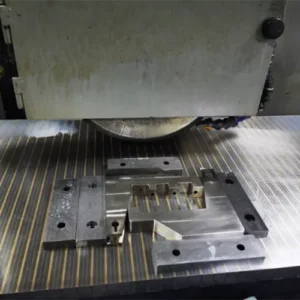
- Surface flatness assurance
- Post-machining inspection reports
Types of CNC Fiberglass Parts Manufactured
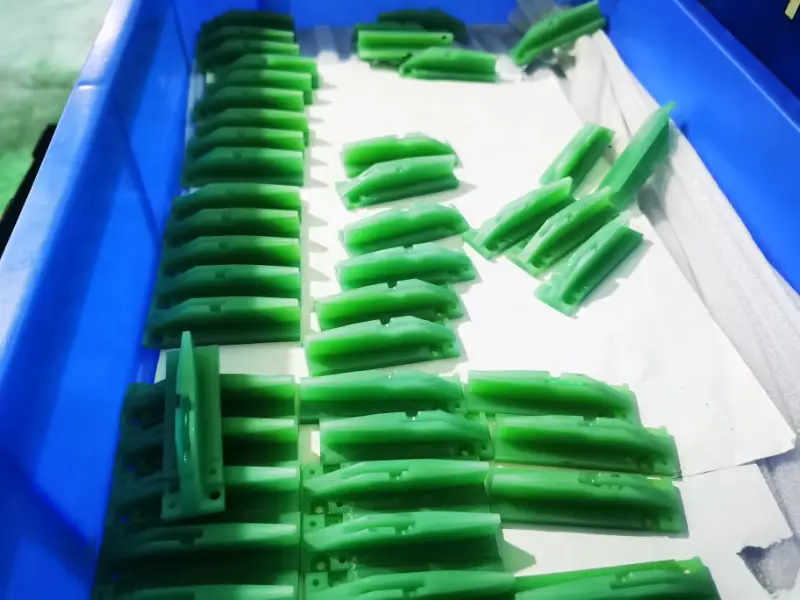
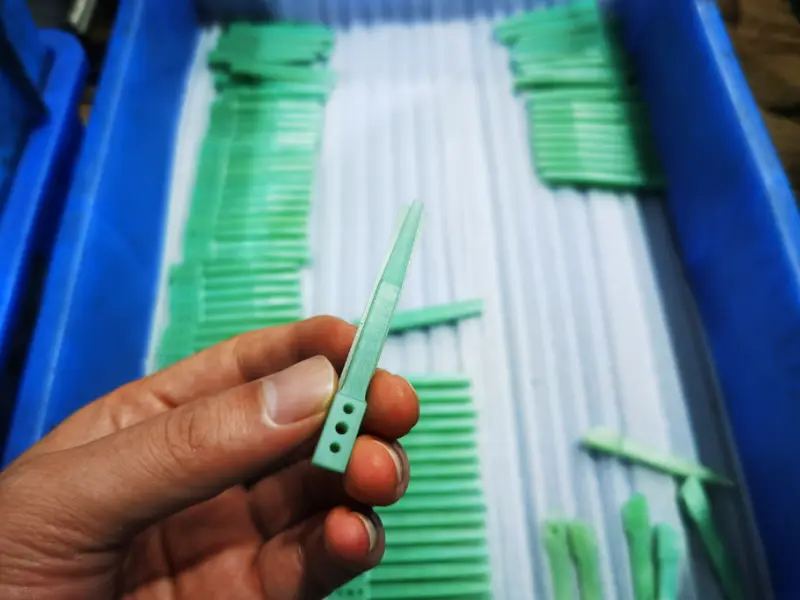
A modern CNC machining fiberglass supplier can produce a wide range of fiberglass-based components, including:
- PCB insulating backplates
- Pump or valve seals
- Electromagnetic shielding spacers
- Custom bushings or washers
- Non-conductive mounting brackets
- Laser machine bed isolators
- Thermal break pads
These parts are often found in semiconductor equipment, power systems, medical instruments, and industrial automation lines.
Design Tips for Fiberglass CNC Parts
To optimize cost and performance, work closely with your fiberglass machining company during the design phase. Here’s how:
- Avoid sharp internal corners → use radii to reduce stress points
- Use countersinks instead of deep threads in fiberglass
- Maintain uniform wall thickness where possible
- Clarify if flame-retardancy or UL rating is required
- Discuss deburring or edge rounding needs in advance
The right CNC machining fiberglass manufacturer will also provide feedback on potential material cracking or delamination risks during prototyping.
What Influences the Cost of CNC Fiberglass Parts?
The cost of fiberglass CNC machining depends on multiple variables:
1. Material Type
FR4 is more common and affordable, while G11 or custom composites cost more.
2. Part Thickness & Size
Thicker parts require slower machining and more tool wear.
3. Geometry & Tolerances
Tight tolerances or curved surfaces (requiring 5-axis) will increase cost.
4. Finishing Requirements
Edge polishing, coating, or deburring adds time and labor.
5. Volume
Prototypes are more expensive per part than medium production runs (50–500 pcs).
🔎 Example cost:
A basic FR4 insulating plate (100x80x3 mm, ±0.1 mm tolerance) might cost $15–$25/part in a 50-piece batch.
Domestic vs. Overseas CNC Fiberglass Suppliers
| Feature | Domestic Supplier (US/EU) | Overseas Supplier (e.g., Weldo – China) |
|---|---|---|
| Unit Price | Higher | Lower (up to 30–40% savings) |
| Volume Capacity | Often limited | High-volume ready |
| Lead Time | Faster for local | 5–10 days with DHL/UPS |
| Experience with FR4 | Variable | Often extensive |
| CNC Capabilities | 3-axis standard | 4- & 5-axis availability |
With global customers across aerospace, electrical, and industrial sectors, Weldo Machining offers high-performance fiberglass CNC parts with competitive pricing and scalable delivery options.
Why Choose Weldo as Your CNC Fiberglass Manufacturer
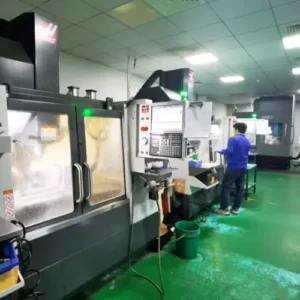
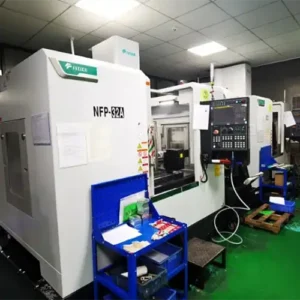
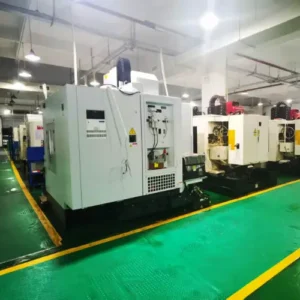
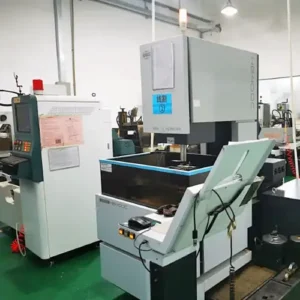
Weldo Machining is a leading CNC machining fiberglass manufacturer, offering:
- Expertise in FR4, G10, G11, and custom fiberglass laminates
- Diamond tooling and dust-controlled workshops
- Prototype-to-production support
- Tight tolerance machining and QA documentation
- Global delivery and fast turnaround times
Contact us today to submit your drawings and receive a custom quote, or discuss the best fiberglass material for your CNC part.