
When you’re considering outsourcing manufacturing or prototyping, CNC machining service cost is often one of the primary factors in choosing a provider. The cost of CNC machining can vary greatly depending on the type of material used, the complexity of the part, the required tolerances, and the machining time involved. Whether you’re working with CNC machining steel, CNC machining ABS, CNC machining aluminum, or CNC machining bronze, understanding the factors that impact pricing can help you make more informed decisions.
In this guide, we’ll break down the various elements influencing CNC machining service cost, including how different materials impact pricing, how to calculate machining costs, and strategies for reducing overall expenses.
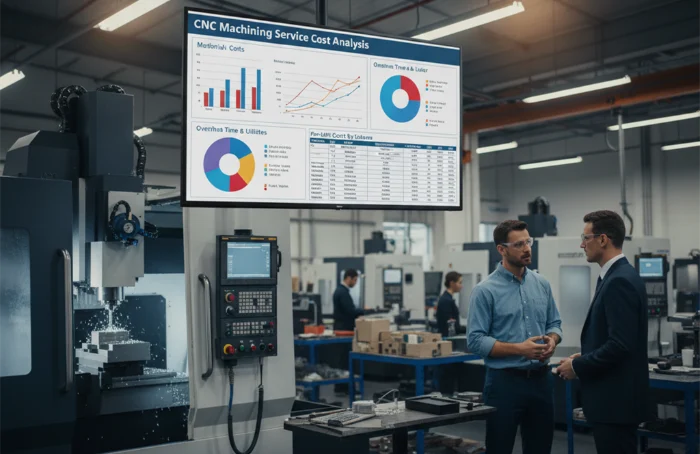
Key Factors That Affect CNC Machining Service Cost
Before diving into the specifics of material costs, it’s important to understand the broad factors that influence CNC machining service cost.
1. Material Type
The choice of material is one of the largest contributors to CNC machining service cost. Materials vary in hardness, machinability, and availability, and each of these factors influences both the time required to machine the part and the type of tooling needed. Softer materials such as CNC machining aluminum tend to be less expensive to machine than harder materials like CNC machining bronze or CNC machining steel.
2. Part Complexity
The complexity of the design also plays a major role in pricing. Parts with intricate geometries, multiple features, or tight tolerances will generally cost more to machine because they require specialized tooling, extended machining time, or multiple setups.
3. Tolerance and Surface Finish
Parts that require higher precision or a smoother surface finish demand more careful and slower machining processes, which increase both machine time and the cost of the CNC machining service.
4. Batch Size
The number of parts you need will also impact the overall cost. While the setup costs for a CNC machine remain constant, producing larger batches typically lowers the unit cost because the machine’s time is used more efficiently.

Understanding CNC Machining Material Costs
The type of CNC machining material used has a direct impact on the overall service cost. Let’s take a look at some common materials and how their costs compare.
CNC Machining Steel Cost
CNC machining steel cost tends to be higher than other materials due to the hardness and toughness of steel alloys. Steel requires more machine time, specialized tools (such as carbide cutters), and more power to process. The cost can also vary based on the specific type of steel being used. For instance, mild steel like A36 is easier to machine than tool steels such as D2 or S7, which are much harder and require more intensive machining processes.
Factors affecting CNC machining steel cost:
Material hardness and alloy type
Tooling wear and replacement
Cutting speed and machine time
Post-machining processes (heat treatment, finishing)
CNC Machining ABS Cost
CNC machining ABS cost is relatively affordable compared to metals. ABS (Acrylonitrile Butadiene Styrene) is a thermoplastic polymer that is easy to machine, requiring less tool wear and faster cutting speeds than metals. This makes CNC machining ABS a good option for lower-cost, high-volume production. However, while the material itself is affordable, the overall cost can increase depending on the complexity of the part, the required tolerances, and any post-processing (such as polishing or coating) needed.
Factors affecting CNC machining ABS cost:
Design complexity and part size
Surface finish requirements
Post-processing needs (painting, coating, assembly)
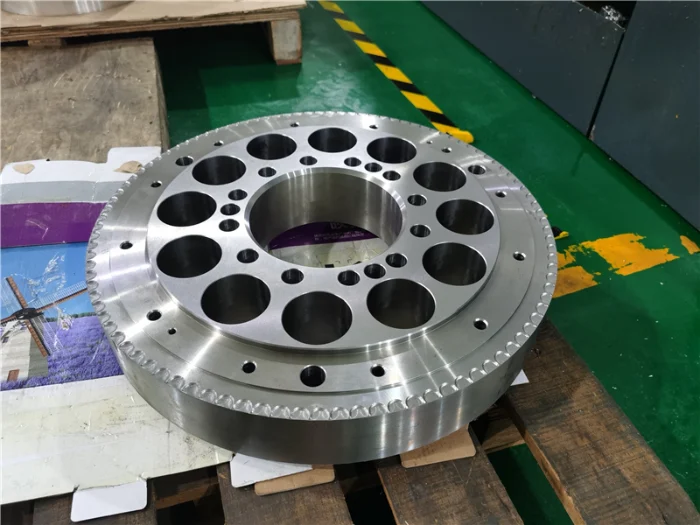
CNC Machining Aluminum Cost
CNC machining aluminum cost is generally lower than steel and bronze but more expensive than plastics like ABS. Aluminum is widely used in industries like aerospace, automotive, and consumer goods due to its excellent strength-to-weight ratio and machinability. The cost for machining aluminum can vary depending on the alloy. For example, 6061 aluminum is a commonly used alloy with relatively easy machinability, while 7075 aluminum can be more expensive due to its higher strength and more challenging machining properties.
Factors affecting CNC machining aluminum cost:
Type of aluminum alloy used
Surface finish requirements (anodizing, powder coating)
Part design and complexity
Tolerance and precision levels
CNC Machining Bronze Cost
CNC machining bronze cost tends to be higher than aluminum but lower than some steel grades. Bronze is an alloy of copper, and its machinability can vary based on the type of bronze. For example, phosphor bronze is often used for applications requiring good wear resistance, while beryllium copper is used in electrical and high-heat applications, both of which may require specialized tools and higher machining costs.

Factors affecting CNC machining bronze cost:
Bronze alloy type
Required tolerances and finishing
Tool wear and cutting speed
Difficulty of machining (brass and bronze alloys are often more challenging to machine)
CNC Machining Cost Calculation
Understanding how CNC machining cost is calculated can help you estimate expenses more accurately. While the final cost depends on several factors, the general cost breakdown follows these guidelines:
1. Setup Fees
Every CNC machining service includes a setup fee for preparing the machine and tooling. This fee typically remains constant regardless of the material or part complexity, but for more intricate parts, setup time might increase.
2. Material Costs
Material costs are calculated based on the type of material being used and the amount required for the part. More expensive materials (such as CNC machining bronze or CNC machining steel) will significantly increase the cost compared to lower-cost materials like ABS or aluminum.
3. Machine Time
Machine time is usually billed by the hour, and the cost depends on the complexity of the part and the type of CNC machine being used. Parts that require multiple setups or more precise machining will require more time, thus increasing the cost.
4. Labor Costs
Labor costs are factored into the machining service and can vary depending on the skill level required and the machine operator’s expertise.
5. Post-Processing and Finishing
Certain parts may need post-processing, such as deburring, polishing, coating, or assembly, which will add to the overall CNC machining cost.
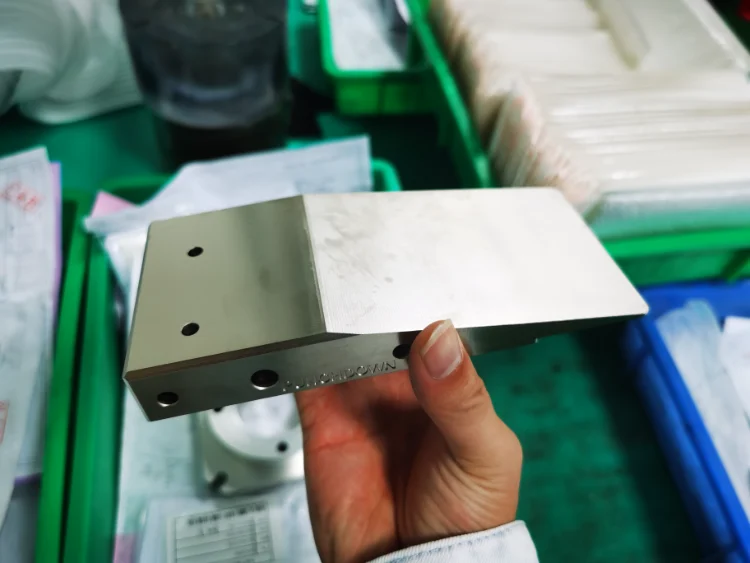
Tips for Reducing CNC Machining Service Cost
While there are many variables influencing CNC machining service cost, there are ways to reduce costs without sacrificing quality.
1. Optimize Part Design
Designing parts with simpler geometries and fewer features can help reduce the machining time, thus lowering the overall cost. Additionally, ensuring your design is optimized for CNC manufacturing can reduce the need for complex tooling.
2. Use More Cost-Effective Materials
If possible, consider using less expensive materials for your parts. CNC machining ABS, for example, is generally less expensive than CNC machining steel or CNC machining bronze, so choosing the right material can lead to significant savings.
3. Batch Production
Producing parts in larger batches can reduce the CNC machining cost per unit because the setup time is spread across multiple parts. This is particularly useful for high-volume production runs.
4. Consider Different Finishing Methods
If your parts don’t require high-end finishes or coatings, opting for less expensive finishing methods or skipping unnecessary post-processing steps can save you money.
Conclusion
The CNC machining service cost can vary widely depending on material type, part complexity, tolerances, and finishing requirements. While metals like CNC machining steel and CNC machining bronze are typically more expensive to machine, materials like CNC machining ABS and CNC machining aluminum offer more cost-effective alternatives for certain applications. By understanding the factors that influence CNC machining cost, you can better estimate your budget, optimize your designs, and select the right materials for your project.
Whether you’re machining prototypes or large production runs, understanding how to calculate and control your machining costs will ensure you get the best value without compromising quality.
If you need to optimize your CNC machining process or further reduce costs, consider consulting with a reputable CNC machining company to refine your design and material selection.
If you need assistance with further customizations, or additional CNC machining pricing guidelines, feel free to reach out.

FAQ of cnc machining service cost
What factors determine CNC machining service cost?
CNC machining cost depends on material type, part complexity, tolerances, machine time, and finishing. Harder materials like steel cost more than easier-to-machine materials like aluminum or ABS. Complex parts or tight tolerances also increase the cost.
How does CNC machining steel cost compare to other materials?
CNC machining steel cost is higher than aluminum or ABS because steel is harder and requires more machine time and tools. Harder steel alloys, like tool steels, cost even more to machine.
How can I calculate the CNC machining cost for my project?
To calculate CNC machining cost, consider:
Material cost (e.g., aluminum, steel).
Machine time (based on part complexity).
Setup cost (machine preparation).
Labor cost.
Post-processing (finishing).
Manufacturers usually give a detailed quote based on these factors.
How does batch size affect CNC machining service cost?
For small runs or prototypes, the CNC machining cost per piece is higher due to setup costs. Larger batches lower the cost per part because the setup is spread over many units, making production more efficient.
Is CNC machining ABS cheaper than CNC machining aluminum?
CNC machining ABS is usually cheaper than aluminum because ABS is easier to machine and doesn’t require as much tooling or processing time. However, part complexity can affect the cost.