In modern manufacturing, CNC machining time plays a critical role in determining production cost, delivery lead time, and overall factory capacity. Whether for prototypes or mass production, machining time directly affects quotation, scheduling, and competitiveness. Understanding how CNC machining time is composed and how it can be optimized is essential for both manufacturers and buyers.
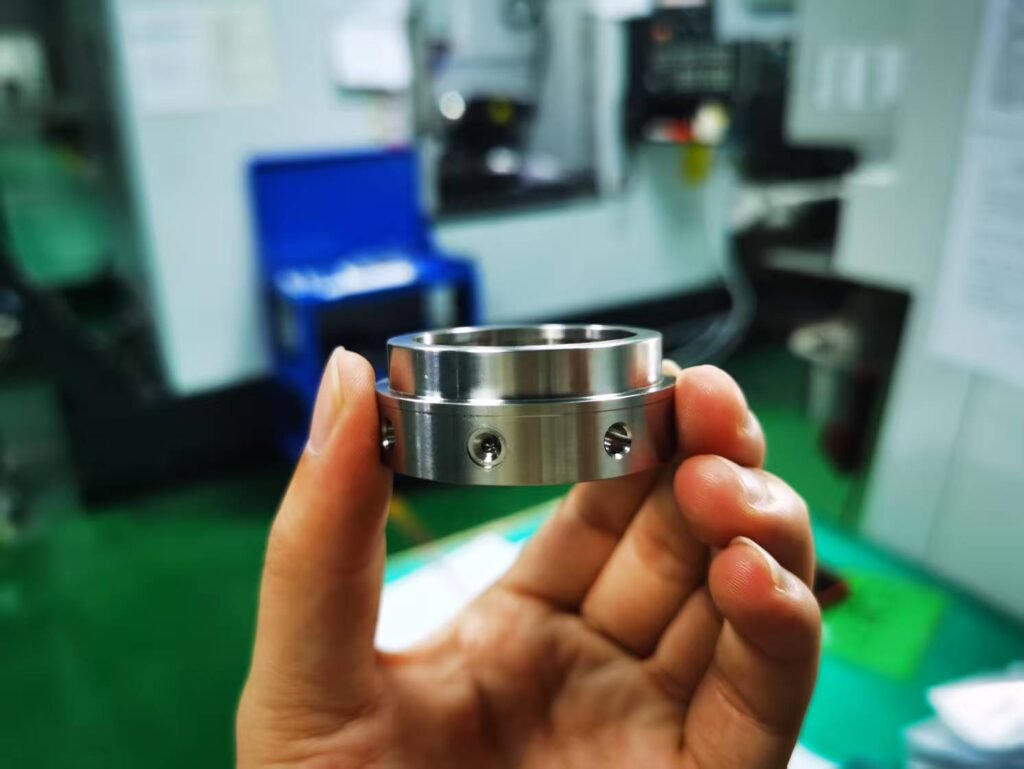
What Is CNC Machining Time?
CNC machining time is not a single, simple number but a combination of multiple time components across the entire production process. To understand and control it, we must first clearly define what is included in machining time and why it is such an important manufacturing metric.
Cutting Time vs Non-Cutting Time
CNC machining time is not only the time when the tool is cutting material. It also includes non-cutting time such as tool changes, machine movements, probing, and positioning. In many real production cases, non-cutting time can account for 20–40% of the total cycle time.
Setup Time and Preparation Time
Setup time includes fixture installation, part alignment, and zero-point setting. Preparation time includes program loading and test runs. Although these are not part of actual machining, they strongly affect total production efficiency, especially for small batch production.
Why Machining Time Is a Key Manufacturing Metric
Machining time directly determines machine utilization, production planning, and manufacturing cost. It is one of the most important parameters in both internal production management and external customer quotation.
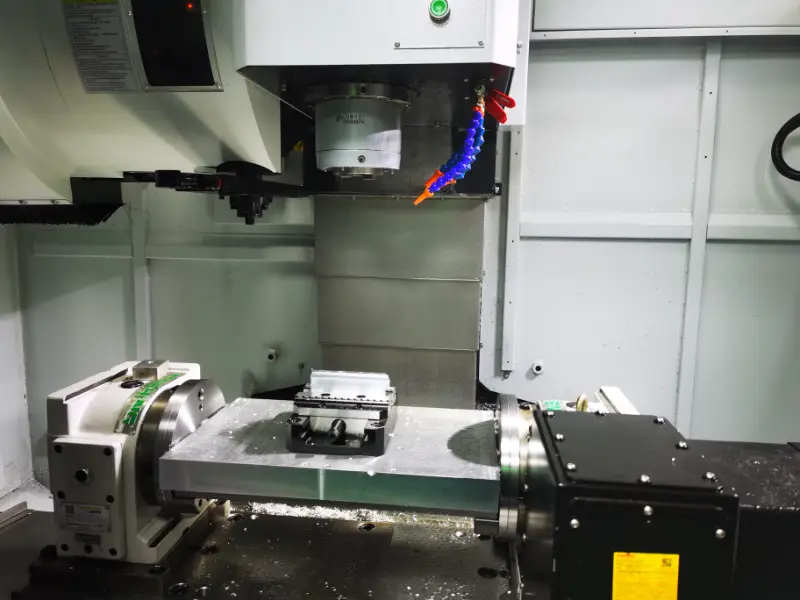
Main Factors Affecting CNC Machining Time
Many different technical and organizational factors influence CNC machining time at the same time. Only by understanding these factors systematically can we identify where the real optimization potential lies in a production process.
Part Geometry and Structural Complexity
Complex parts with deep pockets, narrow slots, thin walls, or 3D surfaces usually require more operations, more tool changes, and slower cutting strategies, which significantly increases machining time.
Material Machinability
Different materials behave very differently during cutting. Aluminum allows high-speed machining, while stainless steel and titanium require slower, more cautious cutting parameters, leading to much longer cycle times.
Machine Type and Axis Configuration
3-axis machines may require multiple setups for complex parts, while 4-axis and 5-axis machines can reduce repositioning and clamping, often reducing total machining time despite higher programming complexity.
How to Calculate CNC Machining Time?
Accurate machining time estimation is the foundation of production planning and cost quotation. However, because real machining processes are complex, different estimation methods are suitable for different stages of production.
Theoretical Formula-Based Estimation
In theory, machining time can be calculated by dividing cutting length by feed rate, but this only works for simple operations and does not include tool changes, acceleration, or non-cutting movements.
CAM Software Simulation
Modern CAM systems such as Mastercam and Fusion 360 can simulate toolpaths and estimate machining time for each operation. This is currently the most common method used in CNC factories.
Real Production Data and Feedback
Actual machining time often differs from simulation due to machine dynamics, tool wear, and operator behavior. Therefore, experienced factories continuously optimize their estimation models using real production data.
How to Reduce CNC Machining Time?
Reducing CNC machining time should not rely on a single trick, but on systematic optimization from design, programming, tooling, and equipment to production organization. The following approaches usually bring the most significant and sustainable improvements.
Design Optimization for Manufacturability
By increasing internal corner radii, reducing unnecessary deep cavities, and avoiding over-tight tolerances, many parts can be machined much faster without affecting functionality.
Toolpath and Machining Strategy Optimization
Using high-speed machining, adaptive clearing, and optimized entry/exit strategies can keep the tool under constant load and significantly increase material removal rate while improving stability.
Tooling and Equipment Upgrade
High-performance cutting tools, rigid tool holders, faster spindles, and quicker tool changers can all reduce both cutting time and non-cutting time in a very direct way.
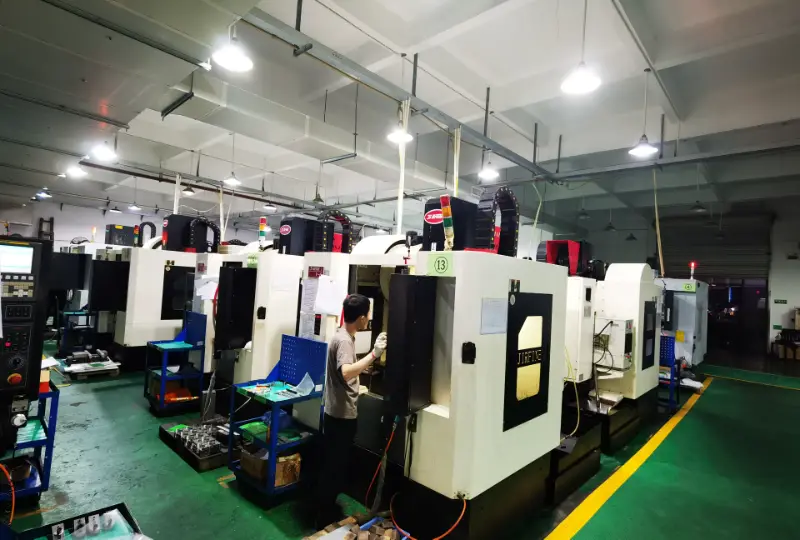
Why CNC Machining Time Is So Important?
Machining time is not just a technical parameter, but a core business indicator that directly affects cost, delivery, and capacity. Understanding its business impact helps companies make better strategic decisions.
Impact on Manufacturing Cost
Machine cost is usually calculated by hourly rate multiplied by machining time, so longer cycle time directly means higher part cost.
Influence on Delivery Lead Time
Longer machining time reduces production capacity and extends delivery schedules, especially when machines are fully loaded.
Effect on Factory Production Capacity
Shorter cycle times allow more parts to be produced with the same equipment, which improves overall factory efficiency and profitability.
CNC Machining Time and Quotation
In most CNC factories, machining time is the core variable in the quotation system. A correct understanding of its role helps both suppliers and customers achieve more reasonable and sustainable pricing.
How Machining Time Is Used in Cost Calculation
In most CNC quoting systems, machining time is the core variable in calculating processing cost, together with material cost and overhead.
Why Accurate Time Estimation Matters
Overestimated machining time makes quotes uncompetitive, while underestimated time leads to losses and production pressure.
The Relationship Between Optimization and Pricing Competitiveness
Factories that control and optimize machining time can offer better prices, faster delivery, or both, gaining a strong competitive advantage.
Conclusion
CNC machining time is a comprehensive indicator that reflects part design quality, material selection, machining strategy, tooling level, equipment capability, and production organization, and by systematically optimizing all these aspects, manufacturers can significantly reduce production cost, shorten lead time, improve capacity utilization, and build a stronger competitive position in the global machining market.