








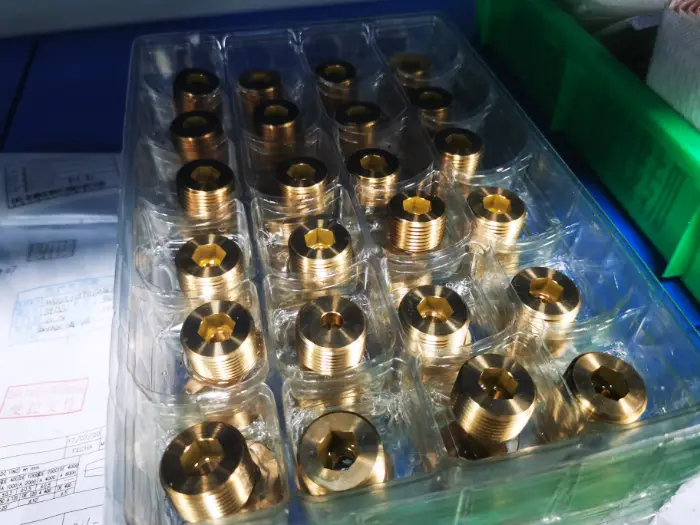

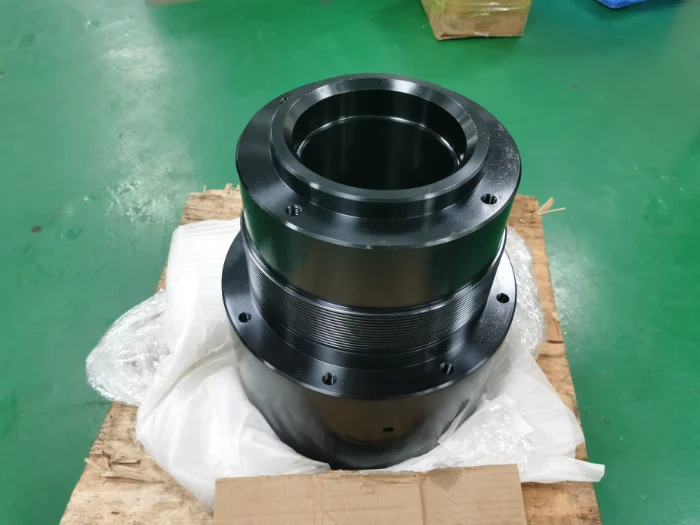
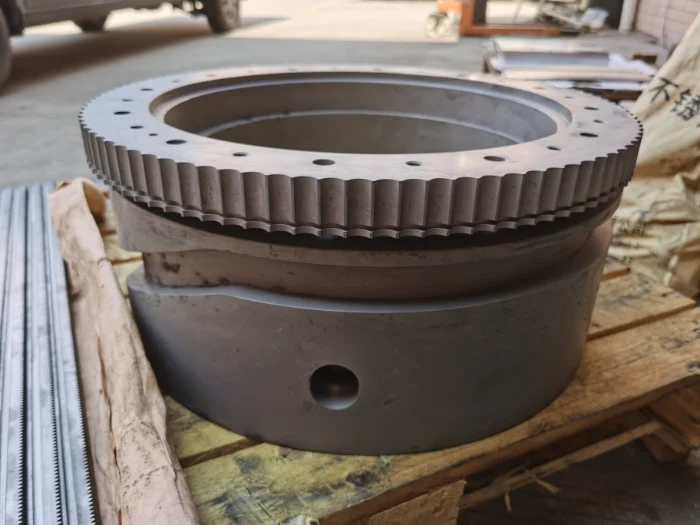
CNC metal machining:
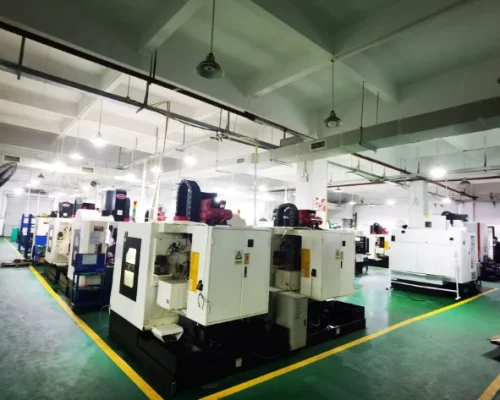
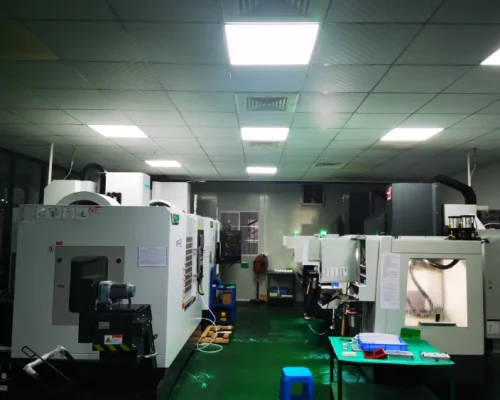
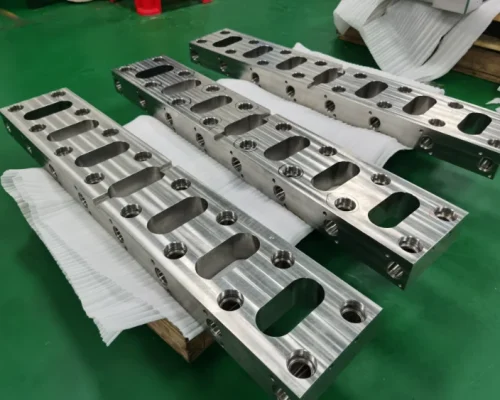
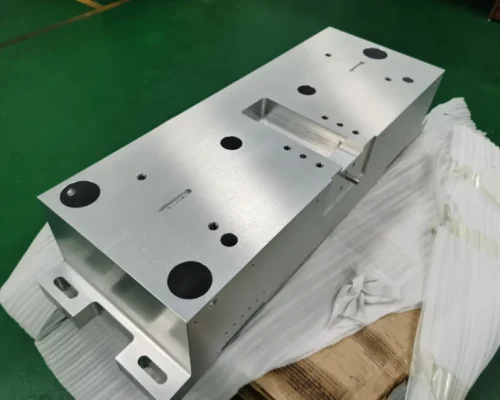
High-accuracy cnc metal machining for aluminum, tool steel, stainless steel, copper, brass, bronze,titanium, and complex metal components with tight tolerances and fast lead times.
Tolerance: up to ±0.001 inch.
MOQ: prototype are welcomed.
Delivery time: 1-5 days.
Other process: Molding,extrusion,3d printing,sheet metal, etc.
What Is CNC Metal Machining?
CNC metal machining refers to the computer-controlled removal of material from a metal workpiece using mills, lathes, or multi-axis equipment. This process delivers excellent dimensional accuracy, smooth surfaces, and stable repeatability, making it essential for complex geometries, functional parts, and critical-tolerance components.
CNC metal machining is ideal for:
Custom prototypes
High-precision structural parts
Mechanical housings and brackets
Low-volume or mass-production runs
High-strength or heat-resistant components
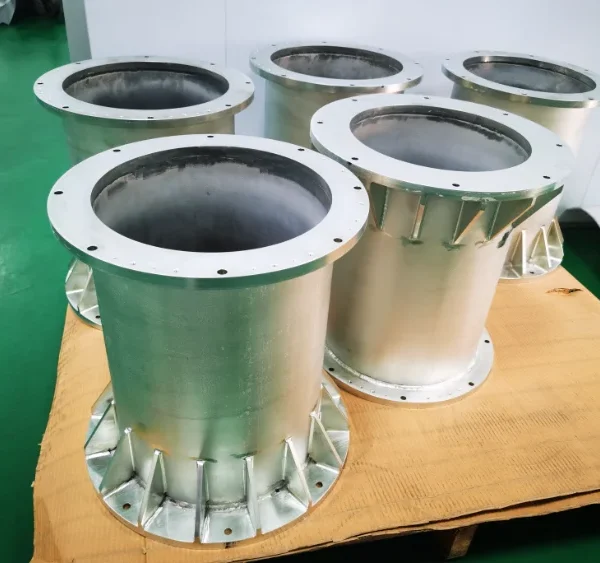
Core Capabilities
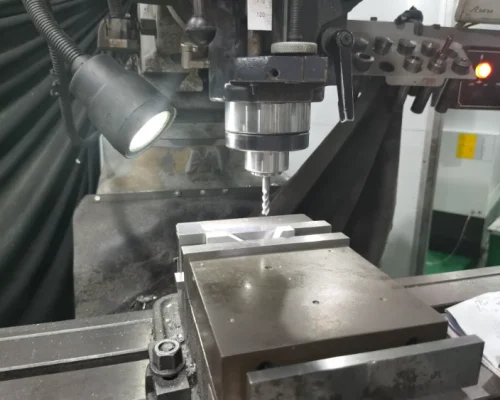
CNC Milling
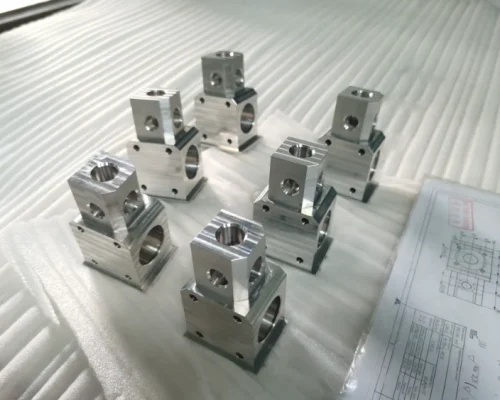
CNC milling excels at producing metal components featuring pockets, cavities, channels, threads, and detailed contours.
Typical Advantages
Tight tolerances for complex geometries
Excellent for high-strength materials
Fast prototyping and scalable production

CNC Turning
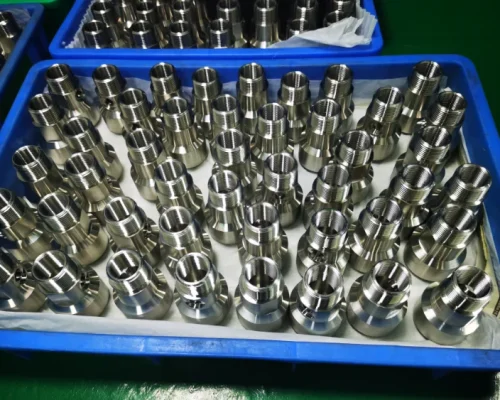
For cylindrical, round, or symmetrical components. provides efficient metal removal for shafts, bushings, sleeves etc.
Benefits
High-speed production
Smooth surface finishes
Consistent dimensional accuracy
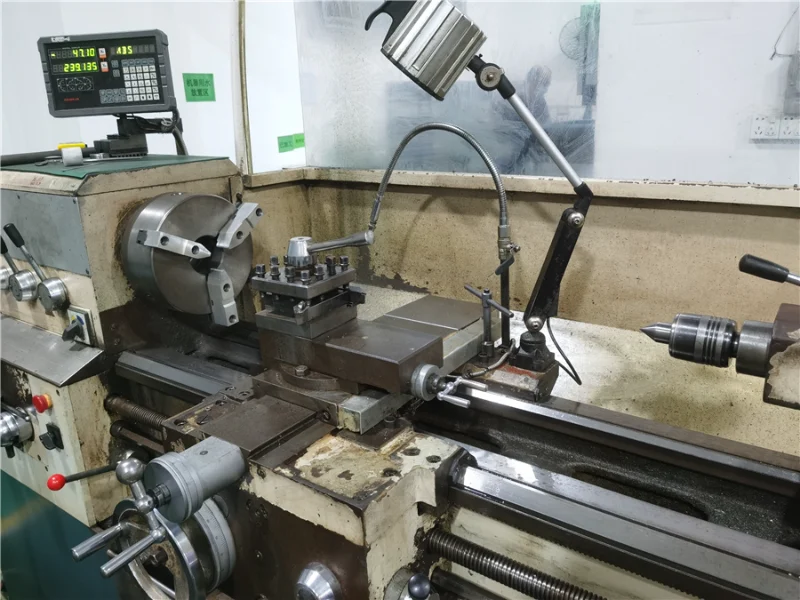
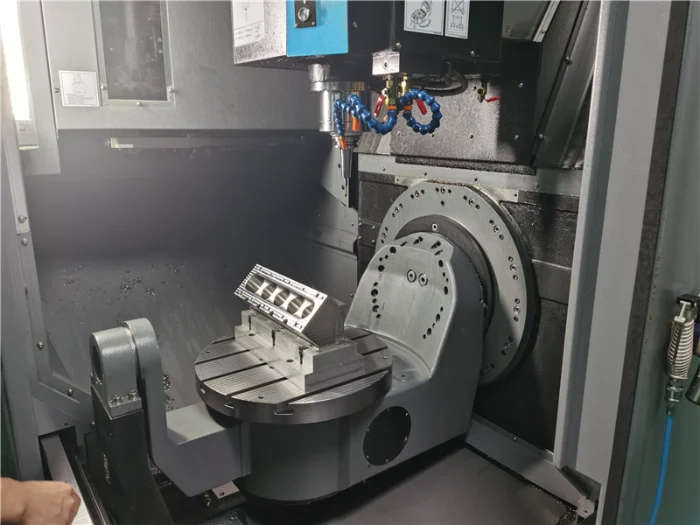
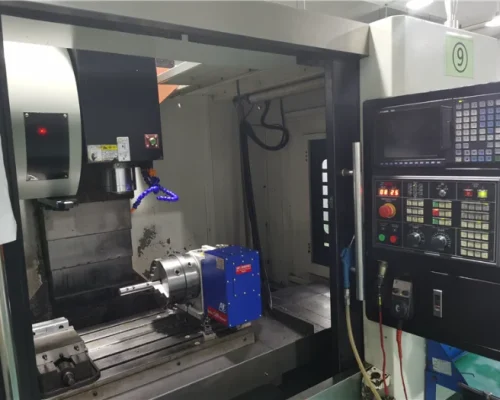
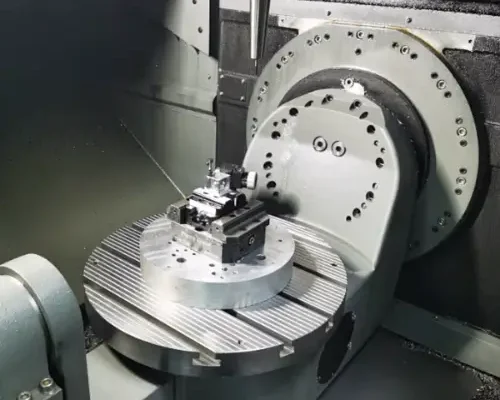
3/4/5-Axis CNC Machining
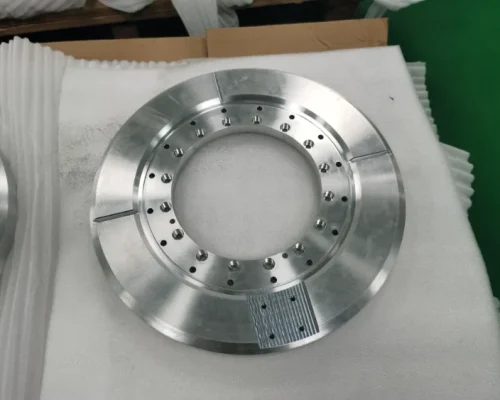
For complexity shapes, undercuts, or multi-surface features, 5-axis machining reduces setups and ensures precision on parts.
Suitable for
Aerospace and medical metal components
Precision brackets and impellers
Thin-wall structures and curved surfaces
Available Metal Materials for cnc machining
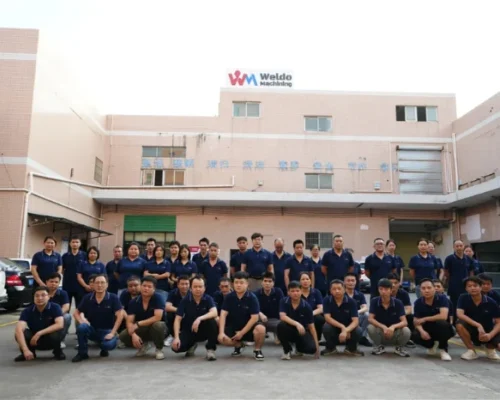
Weldo Machining offers a wide selection of metal materials suitable for strength, heat resistance, corrosion protection, weight reduction, and cost efficiency.

Aluminum Alloys
6061-T6 :General, lightweight, cost-effective
7075-T6 :High strength for aerospace/defense
5052 / 5083 :Strong corrosion resistance
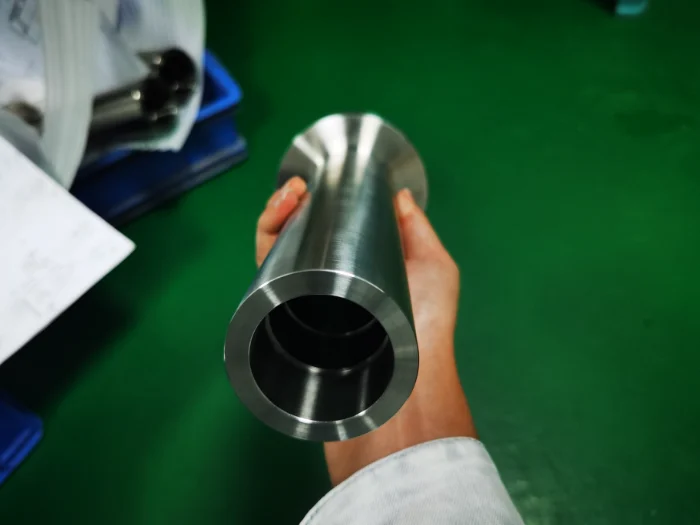
Stainless Steels
303 / 304 — General corrosion-resistant parts
316 / 316L — Marine and medical grade
17-4PH — High strength, excellent hardness
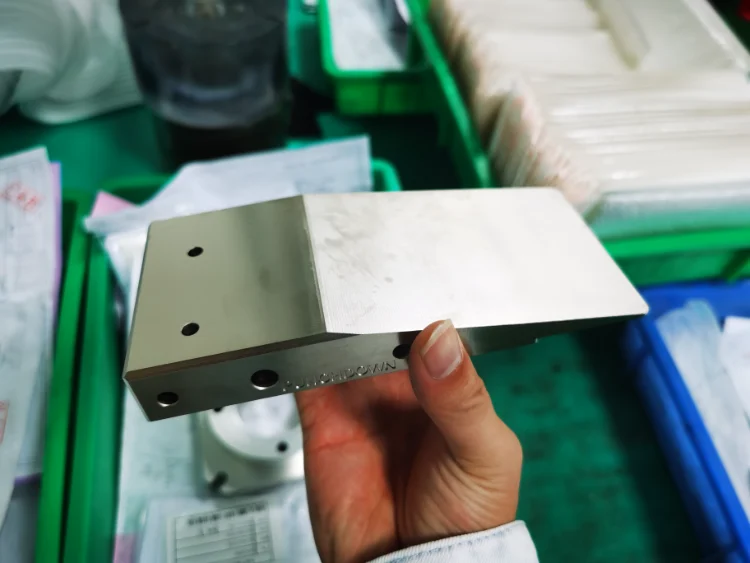
Steel & Alloy Steel
1018 / 1045 — General engineering parts
4140 / 4340 — High toughness components
Tool Steels (D2, O1) — Wear-resistant parts
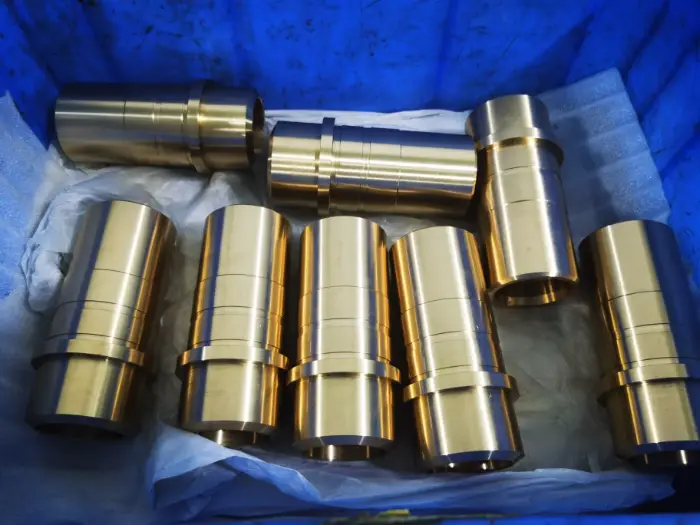
Brass & Copper
C360 brass — machinable, ideal for fittings
C110 copper — Excellent conductivity
Bronze — High wear resistance

Titanium
Ti-6Al-4V — Extremely strong and lightweight
Ideal for aerospace.
medical implants, and high-performance parts.
Tolerances for CNC Metal Machining
Weldo Machining works with industry-standard and tight tolerances for metal components.
Special tolerances can be quoted upon request.
| Grade | Tolerance Range | Cost Level | Typical Applications |
|---|---|---|---|
| Standard | ±0.1 mm | Low | Structural parts, brackets, housings |
| Medium | ±0.05 mm | Medium | Assembly parts, fitting components |
| Precision | ±0.01 ~ ±0.02 mm | High | Precision components, bearing seats, locating surfaces |
| Ultra Precision | ≤ ±0.005 mm | Very High | Medical, aerospace, optical, high-end mold components |
Surface finish for CNC machining parts
Over the past 15 years, we have selected and briefly outlined more than 10 surface finished for various precision machined parts.
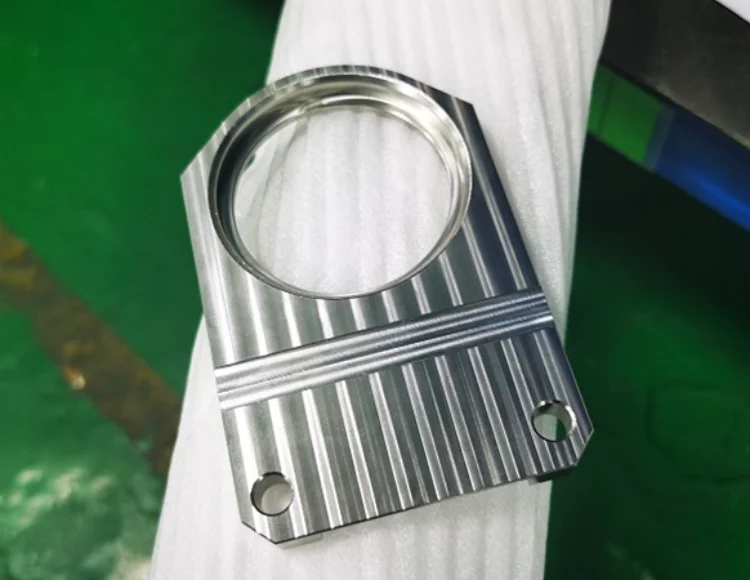
Machined finish
The prototype processed by the machine tool retains traces of tool machining.
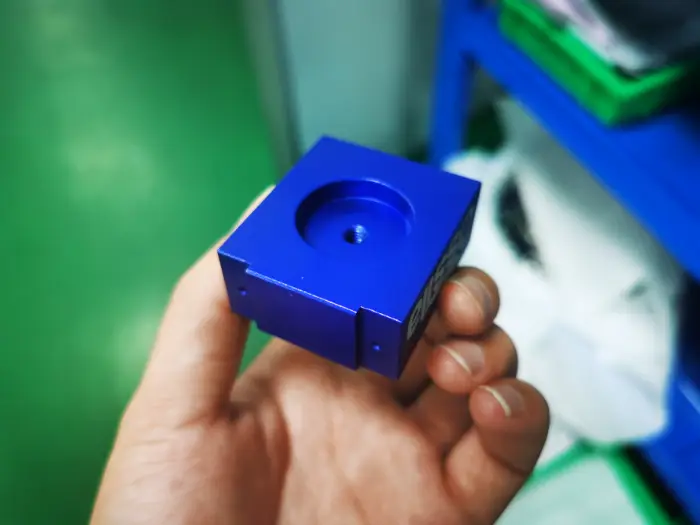
Anodizing
Improves metal corrosion and wear resistance can be colored and protective coatings.
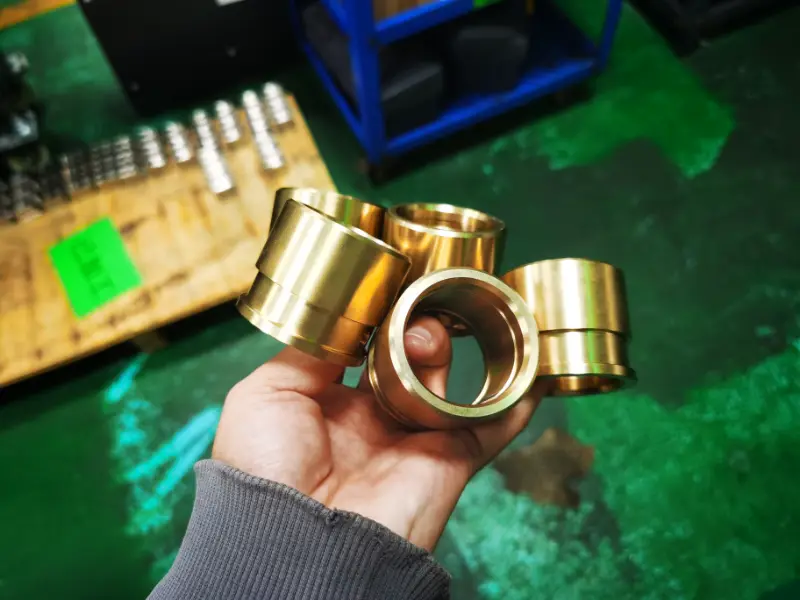
Polish
Improves surface smoothness and appearance for metals, ceramics, plastics, and PMMA.
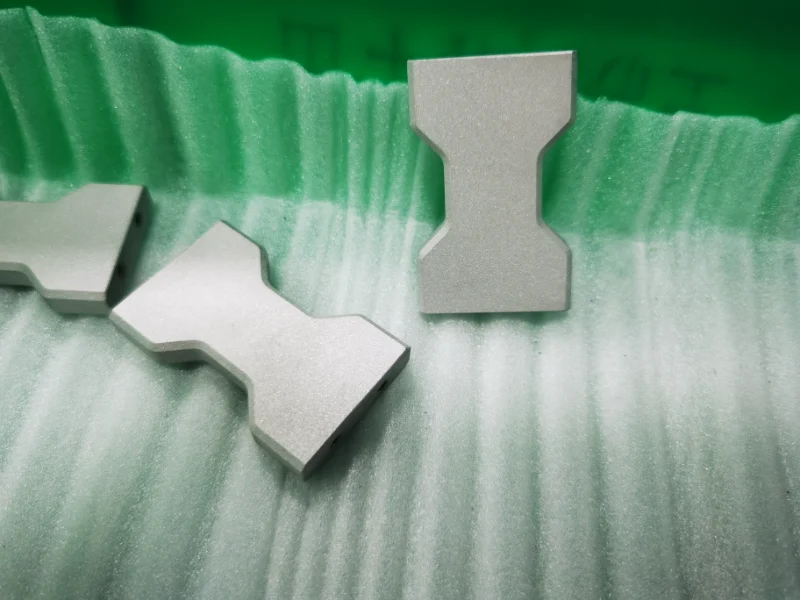
Sand blasting
Uses high-pressure abrasives to create a clean, rough, matte surface finish.
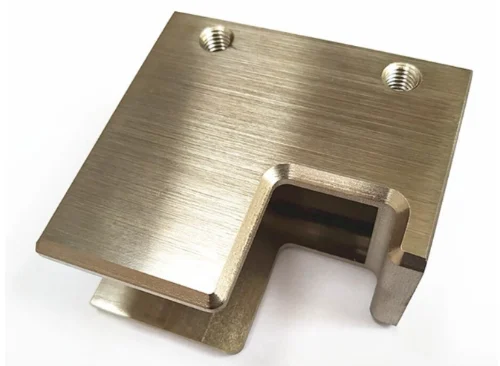
Brushed finish
Adds textured patterns to metal surfaces, improving aesthetics.
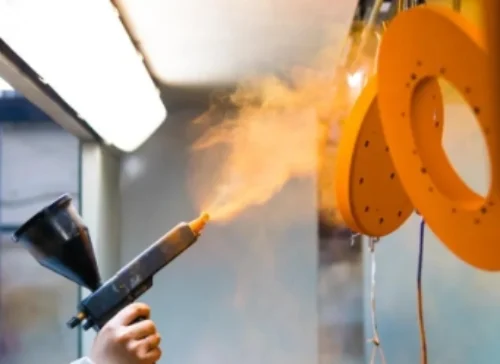
Powder coating
Uses electrostatic application and heat curing to form a dense layer, improving corrosion resistance on parts.
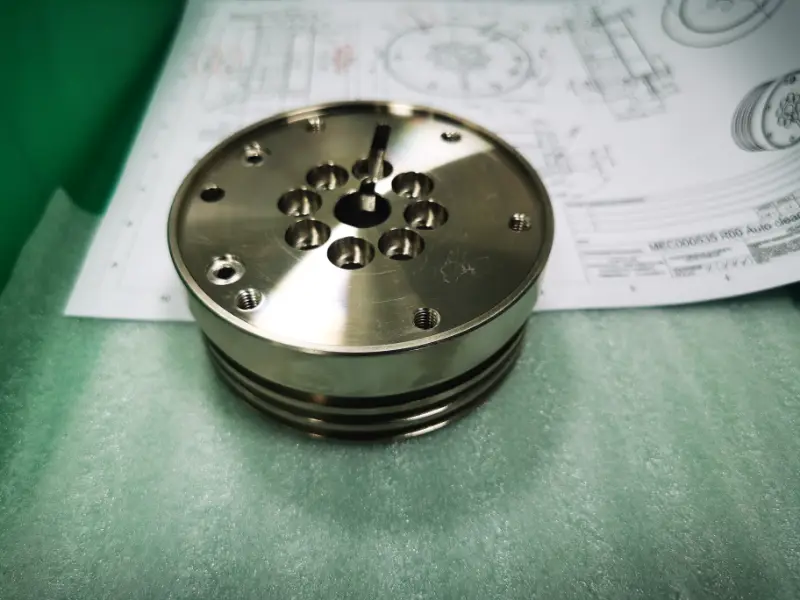
Electroplating finish
Deposits a metal layer to improve corrosion and wear resistance.

Black oxidize
Forms a low-cost, anti-reflective coating on metal surfaces via simple chemical oxidation.

Alodine
Forms a corrosion-resistant coating via chemical conversion, improving adhesion and conductivity.
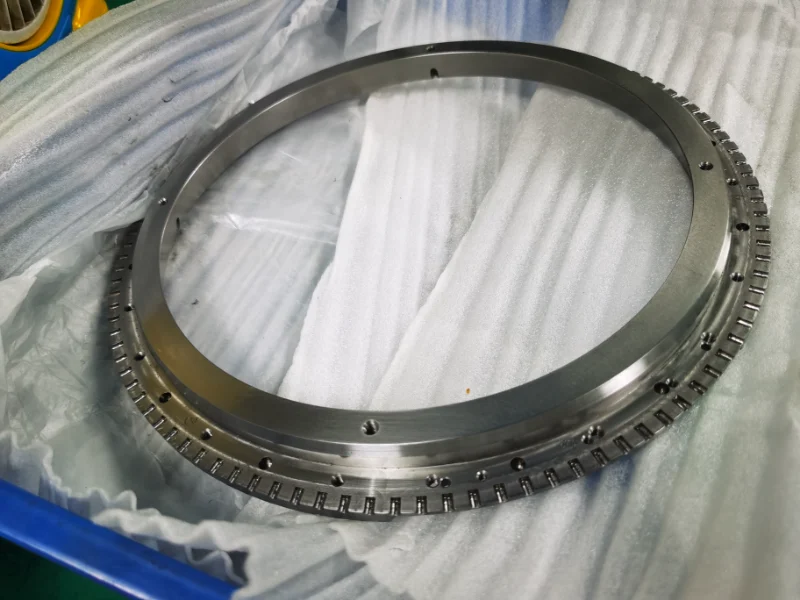
Heat treatment
Modifies metal microstructure to improve hardness, strength, toughness, and wear resistance.

Industries Served
CNC metal machining supports precision components for advanced markets:
Automotive (brackets, housings, drivetrain components)
Aerospace & Defense (lightweight high-strength parts)
Medical Devices (surgical tools, custom fixtures)
Robotics & Automation (frames, couplings, gears)
Electronics (heatsinks, enclosures, connectors)
Industrial Machinery (shafts, mounts, high-load parts)
Why Work With Weldo Machining?
Prototype to Production
We deliver rapid quotes, quick-turn prototypes, scalable manufacturing for batches ranging from one unit to thousands.
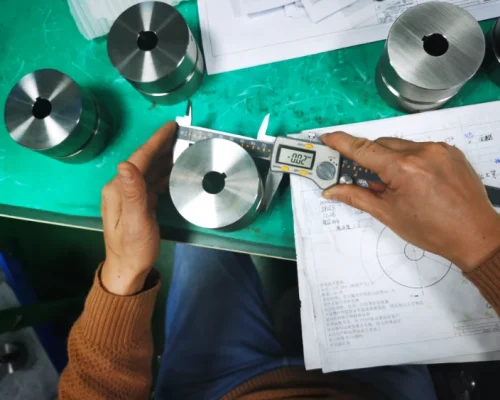
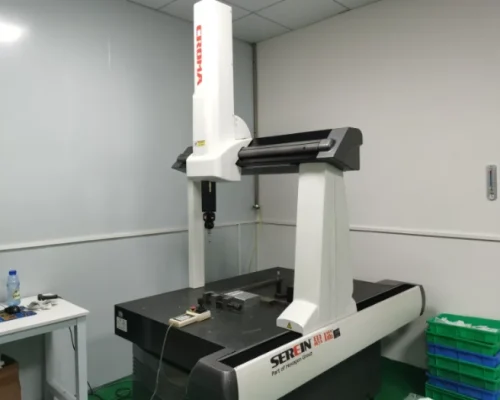
Strict Quality Control
Every part undergoes dimensional inspection, material verification, and documentation to ensure stability and reliability.
Cost-effective
Our optimized machining workflows and material sourcing help reduce cost while maintaining premium quality.
Engineering Support
We review your CAD models for DFM improvements, tolerance clarification, and cost-optimization suggestions.
How to Get a Quote
Simply upload your CAD files (STEP/IGES/STL) and 2D drawings (PDF).
Our engineering team responds quickly with pricing, lead time, and manufacturability feedback.
FAQ of metal machining parts
What file formats do you accept for CNC machining quotes?
STEP, STP, IGES, STL, SLDPRT, and PDF for technical drawings.
What tolerance can be achieved for metal parts?
Typical CNC machining tolerances range from ±0.01 mm to ±0.005 mm, while higher precision processes can achieve even tighter tolerances depending on material and design.
What surface finishes are available for metal parts?
Common finishes include anodizing, electroplating, powder coating, polishing, and sandblasting, which improve appearance, corrosion resistance, and durability.