CNC precision machining services have become indispensable in industries where tight tolerances, high quality, and efficiency are critical. These services, which utilize advanced machinery and computerized controls, ensure the creation of parts that meet strict specifications, making them essential for applications in aerospace, medical devices, automotive, and more. However, achieving precision machining requires a detailed understanding of various processes, careful planning, and expert execution. This article will explore key considerations, common machining techniques, and strategies for optimizing costs and efficiency in CNC precision machining.

Understanding CNC Precision Machining Services
CNC precision machining involves the use of computer-controlled machines to cut, mill, and shape materials into parts that meet exacting standards. The precision of the process allows for the creation of intricate parts with tight tolerances, often within a few thousandths of an inch.
Several factors contribute to the success of CNC precision machining:
- Material Selection: The choice of material (aluminum, steel, titanium, etc.) influences the type of machining required and its complexity.
- Tooling and Fixtures: The correct tools and fixtures must be selected to ensure high accuracy and repeatability.
- Machine Calibration: Regular maintenance and calibration of CNC machines ensure that they operate within the necessary tolerances, avoiding errors and reducing rework.
Key CNC Machining Techniques and Their Importance
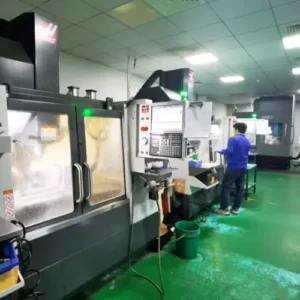
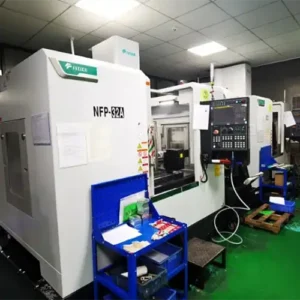
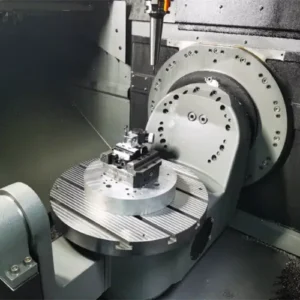
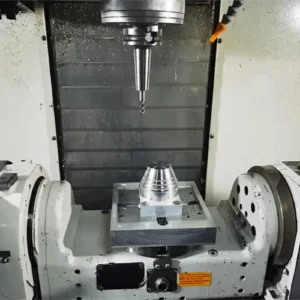
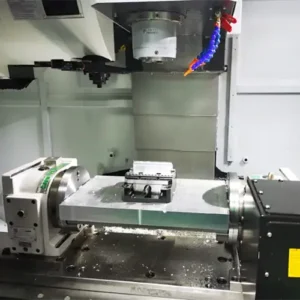
- CNC Milling: CNC milling is one of the most common techniques used in precision machining. It allows for the creation of parts with complex geometries by using rotating cutters to remove material. CNC mills can work on 3, 4, or 5 axes, enabling machining of intricate shapes and contours with high precision.
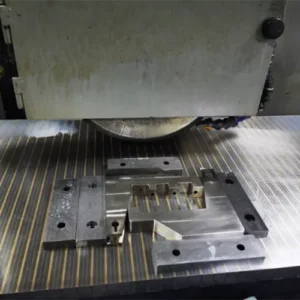
- CNC Grinding: Surface grinding or CNC grinding is essential for achieving ultra-fine finishes and tolerances. This process is used for parts that require a smooth finish or parts made from hard materials like ceramics or carbide. It’s often employed for precision components like bearing races, tool components, and molds.
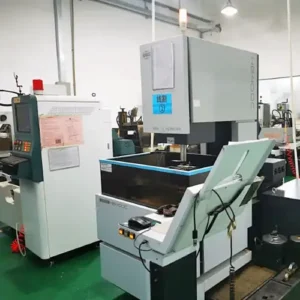
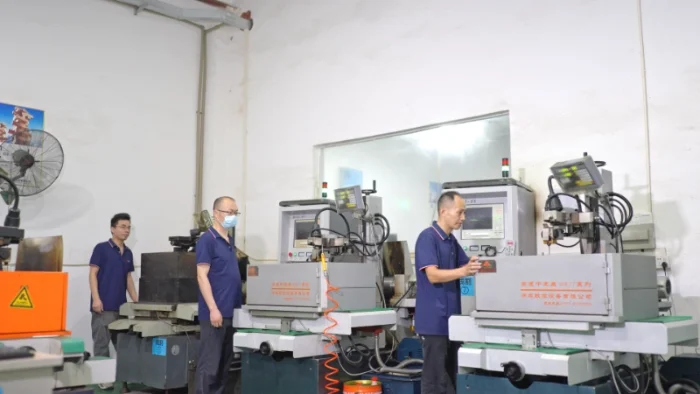
- Electrical Discharge Machining (EDM): EDM is used to machine hard metals or intricate shapes that are difficult to machine with traditional methods. It uses electrical sparks to erode material from the workpiece. EDM is highly effective for creating small, detailed holes or complex shapes in materials like titanium and hardened steel. It’s commonly used in aerospace and medical device manufacturing for its ability to produce parts with extreme accuracy.
- Turning and Lathe Operations: CNC turning is used to produce cylindrical parts by rotating the workpiece while a tool removes material. This process is crucial for manufacturing shafts, bolts, and other circular components.
Best Practices for CNC Precision Machining
While the CNC machining process is highly automated, achieving high-quality results depends on attention to several factors:
- Tool Selection and Maintenance: Choosing the correct cutting tools and ensuring they are well-maintained is critical for consistent precision machining. Worn tools can lead to dimensional errors or surface defects.
- Machine Setup and Calibration: Proper setup and calibration ensure that each part is produced to spec and that no time is wasted on rework.
- Cutting Parameters: Selecting the correct cutting speed, feed rate, and depth of cut is key to achieving the desired finish and maximizing tool life. Optimization of these parameters can result in more efficient production.
- Quality Control: Regular inspection and testing of parts during and after machining are essential to ensure that all specifications are met. This includes using advanced metrology tools to measure part dimensions and surface finish.
Cost Reduction Strategies in CNC Precision Machining
- Process Integration: Combining multiple machining techniques, such as turning, milling, and EDM, within a single operation can save time and reduce handling costs. For example, a part that requires both milling and EDM can be processed more efficiently if both operations are performed in sequence, minimizing setup time and tool changes.
- Material Optimization: Using the right material for each job can significantly reduce costs. Choosing materials that are easier to machine or selecting alternative materials that still meet the requirements can lower overall production costs. For example, using aluminum instead of titanium when appropriate can reduce material costs while maintaining strength and durability.
- Advanced Tooling: Investing in high-quality, durable cutting tools can reduce tool wear and extend tool life, minimizing downtime and reducing the number of tool changes required.
- Automation and Robotics: Implementing automation in CNC machining operations, such as robotic material handling, can reduce labor costs and improve cycle times. Automated systems also reduce the chances of human error, improving overall precision and consistency.

Case Studies: Integrating CNC Machining Techniques for Efficiency
Case Study 1: Aerospace Component Manufacturing
In aerospace component manufacturing, precision is of utmost importance. A project involving the production of turbine blades required the use of CNC milling and EDM. The first step involved using CNC milling to create the general shape of the blades, followed by EDM for intricate detailing, including cooling channels and complex internal geometries. By integrating these processes, the project achieved significant time savings and minimized part defects.
Case Study 2: Medical Device Production
For a medical device company, producing custom implants required high precision and tight tolerances. CNC grinding was used to achieve smooth surfaces on titanium components, while CNC milling ensured the part’s shape was accurate. This combination of techniques ensured the parts met both functional and cosmetic requirements, reducing the need for rework and improving the overall process flow.
Optimizing CNC Machining Operations
- Utilize Simulation Software: Before beginning the machining process, using simulation software can help visualize tool paths, identify potential issues, and optimize cutting parameters, ultimately reducing material waste and production time.
- Implement Lean Manufacturing Principles: Streamlining workflows, reducing waste, and improving process efficiency are key to cutting costs. Applying lean principles in CNC machining operations can help identify areas where unnecessary steps can be eliminated or optimized, saving both time and money.
- Regular Machine Maintenance: Proactively maintaining CNC machines ensures that they operate at peak efficiency, reducing unplanned downtime and costly repairs.
Conclusion: Contact Weldo Machining for Your CNC Precision Machining Needs
CNC precision machining is a vital process that requires careful planning, attention to detail, and expertise in various techniques. By integrating multiple machining processes, optimizing material use, and employing advanced technologies, manufacturers can reduce costs and improve efficiency. At Weldo Machining, we specialize in CNC precision machining services, offering expert advice, cost-effective solutions, and high-quality parts. Contact us today for a quote and to learn how we can help meet your machining needs with precision and efficiency.