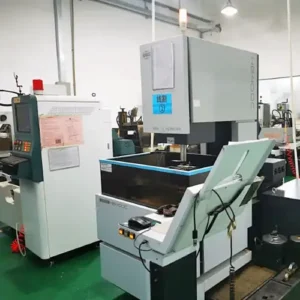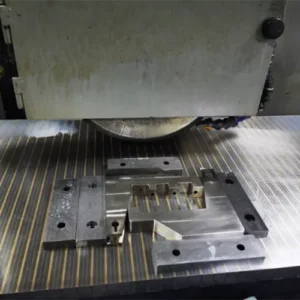
CNC vertical machining is a widely used method for manufacturing parts with high precision and complex geometries. This process involves using CNC vertical machining equipment, typically 3-axis, 4-axis, or 5-axis vertical machining centers (VMCs), to produce parts that require tight tolerances, detailed features, and high-quality finishes. In this article, we’ll discuss the most common challenges in CNC vertical machining, their solutions, and best practices for effective machining operations.
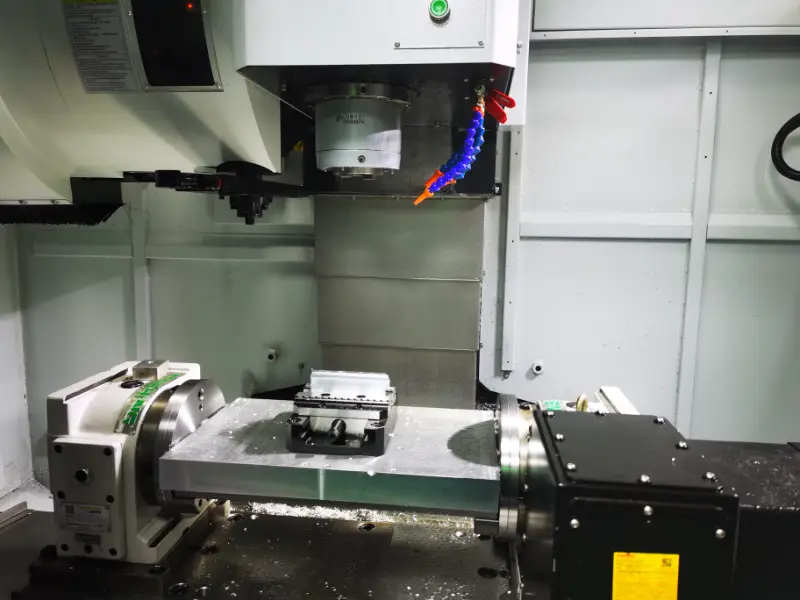
Understanding CNC Vertical Machining Centers
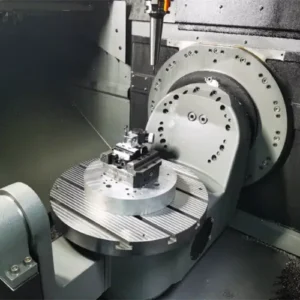
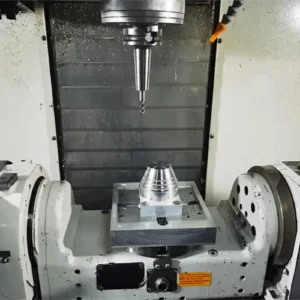
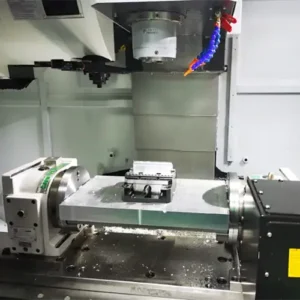
CNC vertical machining centers are equipped with a vertical spindle that moves in the X, Y, and Z axes, allowing the machine to perform tasks like milling, drilling, and tapping. More advanced systems, such as 4-axis and 5-axis CNC vertical machining, offer additional rotational capabilities, enabling more complex part geometries and improving efficiency.
Types of CNC Vertical Machining Equipment
- 3-Axis CNC Vertical Machining
The standard configuration in vertical machining, ideal for simpler tasks like drilling, milling, and turning on basic geometries. - 4-Axis CNC Vertical Machining
Adds an extra rotational axis, enabling more complex shapes and multiple side machining with fewer setups. - 5-Axis CNC Vertical Machining
Offers the most flexibility by adding two additional rotational axes, which makes it ideal for intricate and high-precision parts.
Common Challenges in CNC Vertical Machining and Their Solutions
CNC vertical machining offers high precision, but several challenges can arise during production. Below are some common issues and effective solutions.
1. Tool Wear and Breakage
Problem: Tool wear is a significant issue, especially in high-volume machining. Worn-out tools can lead to part defects and higher production costs.
Solution:
- Use high-quality tools: Select durable tools made from materials like carbide or high-speed steel for better wear resistance.
- Regular maintenance: Ensure tools are regularly inspected for wear and replaced when necessary.
- Optimize cutting parameters: Adjust feed rates, cutting speeds, and tool paths to reduce stress on tools and extend their lifespan.
2. Surface Finish Issues
Problem: Poor surface finish is a common problem, resulting in rough textures or dimensional inaccuracies on the part’s surface.
Solution:
- Use appropriate tools: For smoother finishes, use tools designed for finishing operations and ensure tool sharpness.
- Optimize cutting conditions: Adjust parameters like cutting speed and depth of cut to minimize vibrations and tool chatter, which lead to surface imperfections.
- Implement finishing passes: After rough cuts, perform finishing passes to achieve the required surface finish quality.
- Other common surface finishing are welcomed
3. Part Movement During Machining
Problem: If a part shifts or is not securely held during machining, it can result in dimensional inaccuracies or tool damage.
Solution:
- Use proper fixturing and clamps: Secure the workpiece firmly using the correct fixtures and clamps designed for the part shape.
- Machine calibration: Regularly calibrate the CNC vertical machining equipment to ensure accurate part placement.
- Test setups: Always run a test to check the stability and alignment of the part before the full production process.

Vertical CNC Machining: Difficulties and How to Overcome Them
While CNC vertical machining is highly efficient, there are specific challenges unique to vertical machines that can impact performance.
1. Chip Removal Issues
Problem: During machining, chips may accumulate on the part, especially when cutting metals like aluminum or steel, affecting both cutting quality and machine performance.
Solution:
- Optimize chip removal: Use machines equipped with effective coolant systems or automatic chip removal mechanisms.
- Proper tool selection: Select tools with optimal geometry to minimize chip buildup and improve chip flow.
- Use of air blow systems: Incorporate air blowers to clear chips during the machining process, ensuring the tool does not become clogged.
2. Vibration and Tool Chatter
Problem: Excessive vibrations and tool chatter can lead to poor surface finishes, excessive tool wear, and dimensional inaccuracies.
Solution:
- Rigid machine setup: Ensure the machine is properly anchored and that the workpiece is securely clamped.
- Adjust cutting parameters: Reduce feed rates and cutting depth if chatter is detected. Use vibration-damping tool holders to minimize vibrations.
- Use high-quality tooling: Ensure the tools are designed to handle high forces and provide stability during machining.
Best Practices for CNC Vertical Machining Success
1. Routine Maintenance and Calibration
To keep your CNC vertical machining equipment running at optimal performance, regular maintenance is essential. This includes:
- Cleaning: Regularly clean the machine to remove chips, coolant, and debris.
- Lubrication: Apply the necessary lubricants to moving parts to reduce wear.
- Calibration: Periodically calibrate the machine to ensure precision and maintain accuracy in parts.
2. Employee Training and Safety
Proper training for operators is critical to ensure the safe and efficient operation of CNC vertical machining systems. Operators should be familiar with:
- Machine settings: Understanding how to set up, operate, and maintain the machine properly.
- Safety procedures: Ensuring safe operation by using proper PPE and adhering to safety guidelines to prevent accidents.
- Troubleshooting: Ability to quickly identify and resolve issues like tool wear, part movement, and machining errors.
3. Material Selection
The choice of material for machining affects tool wear, machining time, and part accuracy. Choose materials that match the intended use of the part, considering factors like hardness, machinability, and surface finish requirements.
4. Optimize Tool Paths
Efficient tool path planning can significantly reduce machining time and improve part accuracy. Use advanced CAM software to simulate tool paths and minimize excess movement, reducing cycle times and tool wear.
Conclusion: Get the Best CNC Vertical Machining Solutions for Your Needs
Choosing the right CNC vertical machining manufacturer is essential for achieving precise, high-quality parts. By understanding the challenges associated with CNC vertical machining, such as tool wear, chip removal, and part movement, you can adopt the best practices and strategies to minimize downtime and improve production efficiency.
If you’re looking for CNC vertical machining manufacturer that delivers precision and cost-effectiveness, contact us Weldo today for a quote, and let us help optimize your production process with advanced machining solutions.