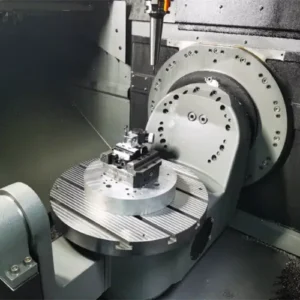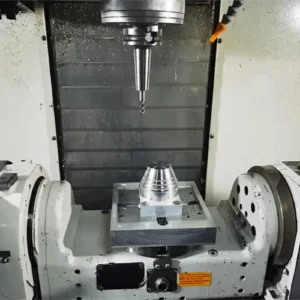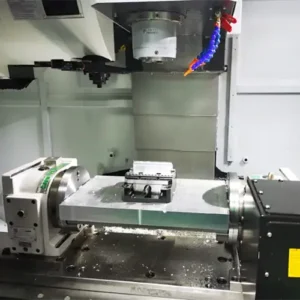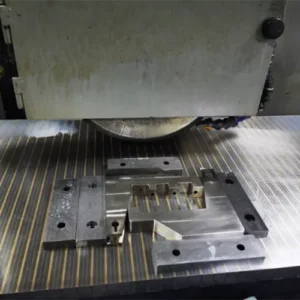

Custom CNC aluminium machining is a highly versatile and precise process used in industries ranging from aerospace to automotive, offering a wide variety of applications for high-quality aluminium parts. Whether you’re looking for CNC turning aluminium or aluminium CNC design, this technology can create complex, durable parts with impressive accuracy. But what factors influence the custom CNC aluminium machining process, and how can you make the most of it for your project? Let’s dive into the essential aspects of aluminium CNC services, from design considerations to the best practices in machining.
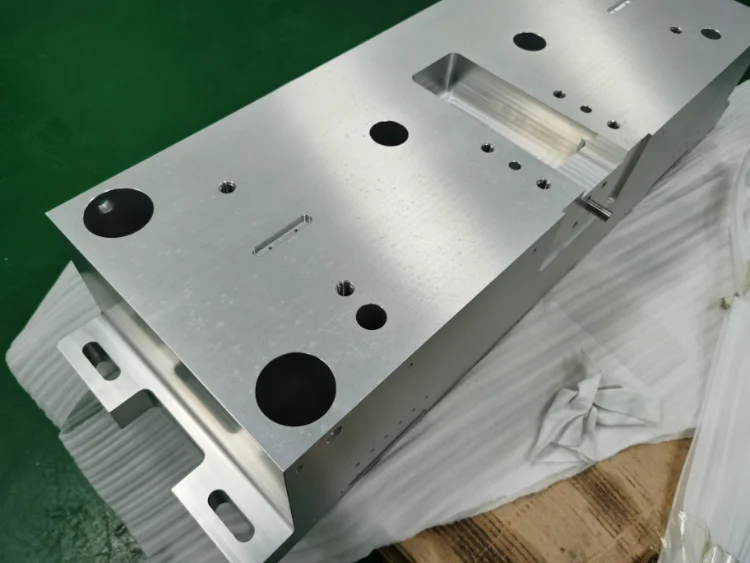
What is Custom CNC Aluminium Machining?
Custom CNC aluminium machining refers to the process of using computer-controlled machines to cut and shape aluminium parts to precise specifications. Unlike traditional machining methods, CNC machining offers superior accuracy and repeatability, which makes it an ideal solution for manufacturing custom parts with complex geometries and tight tolerances.
Why Choose Aluminium for CNC Machining?
Aluminium is a popular choice for CNC machining due to its lightweight, high strength-to-weight ratio, and excellent corrosion resistance. Additionally, aluminium is highly machinable, which makes it easier to process compared to other metals. These factors make aluminium CNC machining especially valuable for industries such as aerospace, automotive, electronics, and medical equipment manufacturing.
Key Benefits of Custom CNC Aluminium Machining
- Precision and Accuracy: CNC machines can create intricate parts with very tight tolerances.
- High Quality Surface Finishes: Depending on the requirement, aluminium CNC service can offer smooth, polished, or anodized finishes.
- Versatility: Suitable for both small batches and large-volume production.
- Cost-Effectiveness: While initially more expensive than traditional methods, the long-term durability and precision of CNC-machined aluminium parts can result in overall cost savings, especially in high-performance applications.
How Aluminium CNC Design Affects Machining Costs
The aluminium CNC design plays a critical role in determining the overall cost of the machining process. The more complex the design, the higher the cost, as it often requires specialized tooling and longer machining time.
Design for Manufacturability (DFM) Tips
To keep custom CNC aluminium machining costs in check, it’s essential to design for manufacturability (DFM). Here are a few tips:
- Avoid unnecessary complexity: Simplify the design as much as possible.
- Use standard sizes and features: Minimize custom tooling requirements by using standardized features like standard radii and hole sizes.
- Optimize part orientation: Plan the part’s orientation in the CNC machine to reduce setup times and ensure smoother machining.
Reducing Waste
Another factor that can impact the cost of custom CNC aluminium machining is the material waste generated during the process. Efficient use of the raw material, such as nesting parts on the aluminium sheet to minimize scrap, can help reduce material costs.
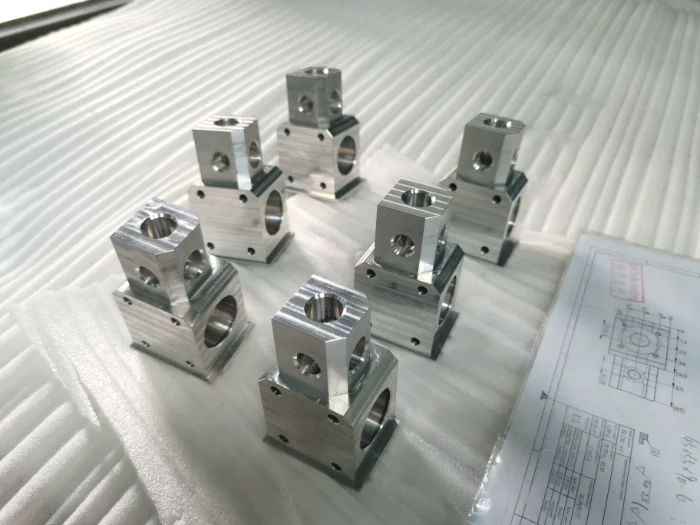
CNC Turning Aluminium: Process and Advantages
CNC turning aluminium involves rotating the workpiece while a cutting tool is applied to shape it. This process is highly efficient for creating round or cylindrical parts, including shafts, bushings, and housings.
Key Features of CNC Turning for Aluminium
- Speed: CNC turning is a fast process compared to other forms of machining, especially for simpler geometries.
- Precision: Achieves fine surface finishes and high accuracy, ideal for parts requiring tight tolerances.
- Cost-Effective for Small Batches: CNC turning aluminium is ideal for low- to medium-volume production, reducing setup time and overall costs compared to traditional methods.
CNC Spindle Speed for Aluminium: Optimizing Machining Efficiency
CNC spindle speed for aluminium is a crucial factor in achieving optimal machining results. The spindle speed determines the cutting speed, which directly affects the quality of the finish and the life of the cutting tools.
Ideal Spindle Speeds for Aluminium Machining
- For softer alloys like 6061 aluminium, a higher spindle speed is usually preferable as it allows for faster material removal.
- For harder alloys like 7075 aluminium, lower spindle speeds may be necessary to prevent tool wear and maintain part integrity.
Choosing the right spindle speed based on the aluminium alloy being used ensures that the parts are machined effectively while minimizing the risk of defects and increasing tool life.
Feed Rate Adjustment for Different Materials
The feed rate plays a significant role in determining the speed and quality of the CNC machining process. Feed rate refers to the speed at which the cutting tool advances into the material.
Feed Rate for Aluminium Alloys
- For soft alloys (e.g., 6061): Higher feed rates can be used due to the material’s softer nature. This allows for faster material removal, which is often cost-effective for large-volume runs.
- For harder alloys (e.g., 7075): Lower feed rates are recommended to reduce stress on the material and cutting tools. This slower pace results in better surface finish and reduced tool wear.
By adjusting the feed rate based on the aluminium alloy being machined, you can optimize the machining process for both speed and precision.
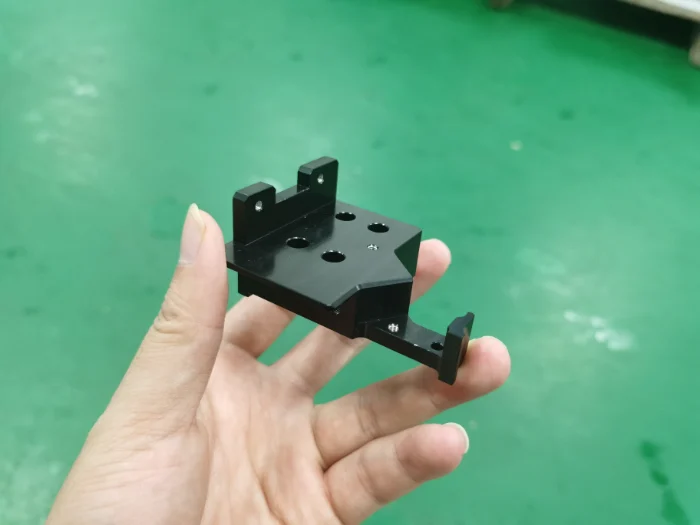
Surface Finish Options for Custom CNC Aluminium Machining
After CNC aluminium machining, surface finish are often applied to enhance the material’s properties. These treatments can significantly improve the part’s performance, aesthetics, and durability.
Common Surface Finishes for Aluminium Parts
- Anodizing: A popular surface treatment for aluminium, anodizing enhances corrosion resistance, wear resistance, and allows for coloring the part.
- Powder Coating: Provides a tough, protective finish and is ideal for parts exposed to harsh environments.
- Polishing: Achieves a smooth, shiny surface and is often used for parts that require a high-end appearance.
- Chromate Conversion Coating: Provides excellent corrosion protection and is often used in aerospace and military applications.
The choice of surface treatment depends on the part’s end-use and desired performance characteristics.
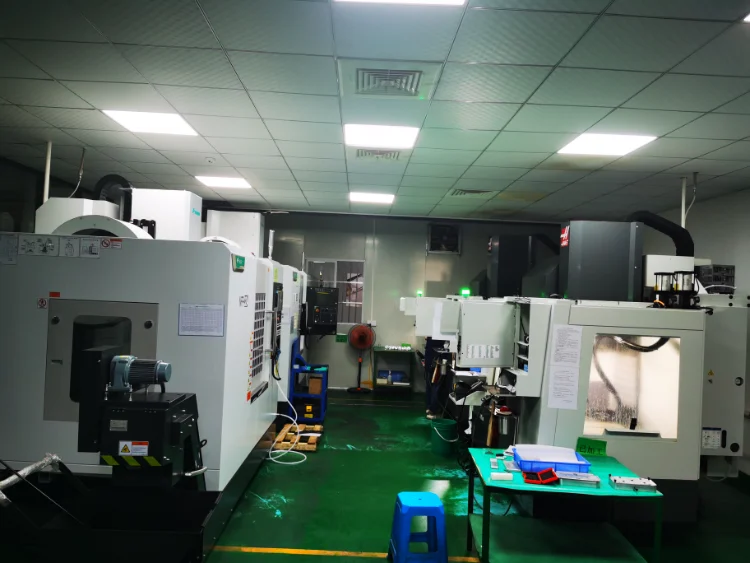
How to Choose the Right Aluminium CNC Service Provider
Selecting a reliable aluminium CNC service provider is key to ensuring the success of your project. Here are a few factors to consider when choosing a supplier for custom CNC aluminium machining:
Expertise and Experience
Look for a supplier with extensive experience in machining the specific types of aluminium alloys you need. Aluminium CNC service factories with a proven track record will have the knowledge and tools necessary to meet your quality and tolerance requirements.
Technology and Equipment
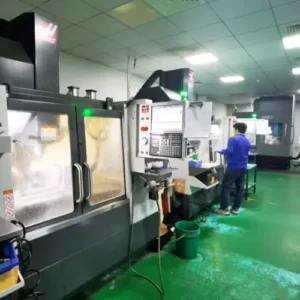
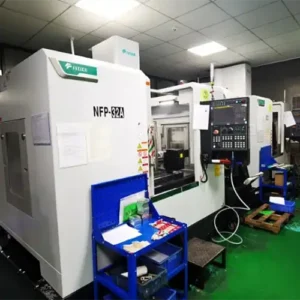
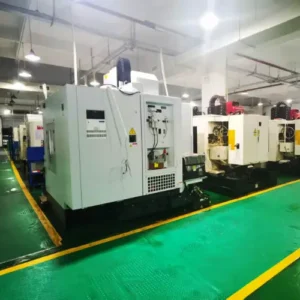
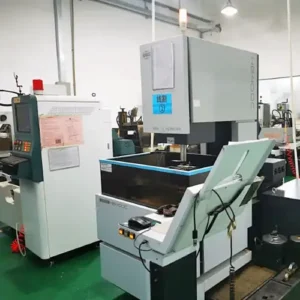
Ensure the CNC provider uses up-to-date machinery, such as multi-axis CNC machines and automated systems, to provide the highest precision and efficiency. This technology also reduces the potential for human error and speeds up production.
Cost and Lead Times
While quality is crucial, balancing cost and lead time is also important. Get quotes from multiple providers and compare not only prices but also delivery times, customer support, and the level of customization offered.
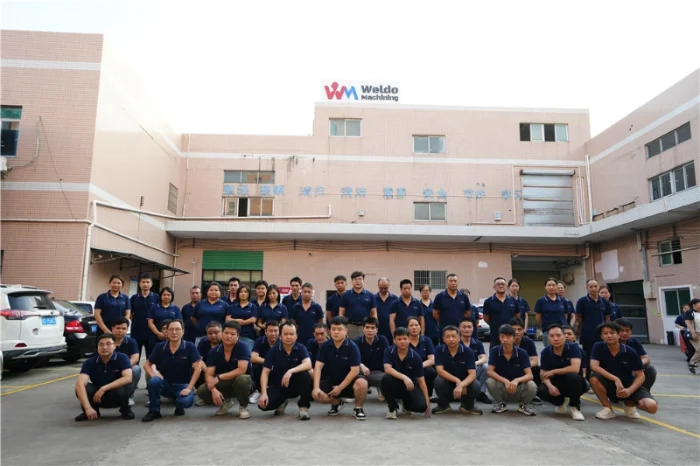
Get a Quote for Custom CNC Aluminium Machining with Weldo Machining
At Weldo Machining, we specialize in providing top-notch custom CNC aluminium machining services for both prototypes and production runs. Our advanced CNC machines and expert engineers ensure that your parts are machined with the highest precision and at competitive prices. Contact us today for a detailed quote and discuss your custom CNC aluminium project with our team.
FAQ of custom cnc aluminium
What is custom CNC aluminium machining?
Custom CNC aluminium machining involves using computer-controlled machines to produce high-precision aluminium parts based on specific design specifications.
What factors affect the cost of custom CNC aluminium machining?
The cost is influenced by factors like the complexity of the design, material type, part volume, and any additional processes such as anodizing or polishing.
How long does it take to get a custom CNC aluminium part?
The timeline depends on the complexity of the part and the volume. Prototypes can be completed in a few days, while larger production runs may take longer.
What types of aluminium alloys are used for CNC machining?
Common alloys include 6061, 7075, and 2024, with each alloy offering different strengths and machinability.
How can I reduce the cost of custom CNC aluminium machining?
You can reduce costs by simplifying designs, using standard aluminium alloys, and increasing production volumes to take advantage of economies of scale.