

Fabricación de productos electrónicos de consumo
Custom metal and plastic housings, frames, hinges, heat sinks, and precision supports. Weldo helps electronics teams move from design prototypes to repeat orders with practical machining, finish, and inspection review.
- Metal & Plastic Parts
- Del prototipo a la producción
- Fit & Finish Review
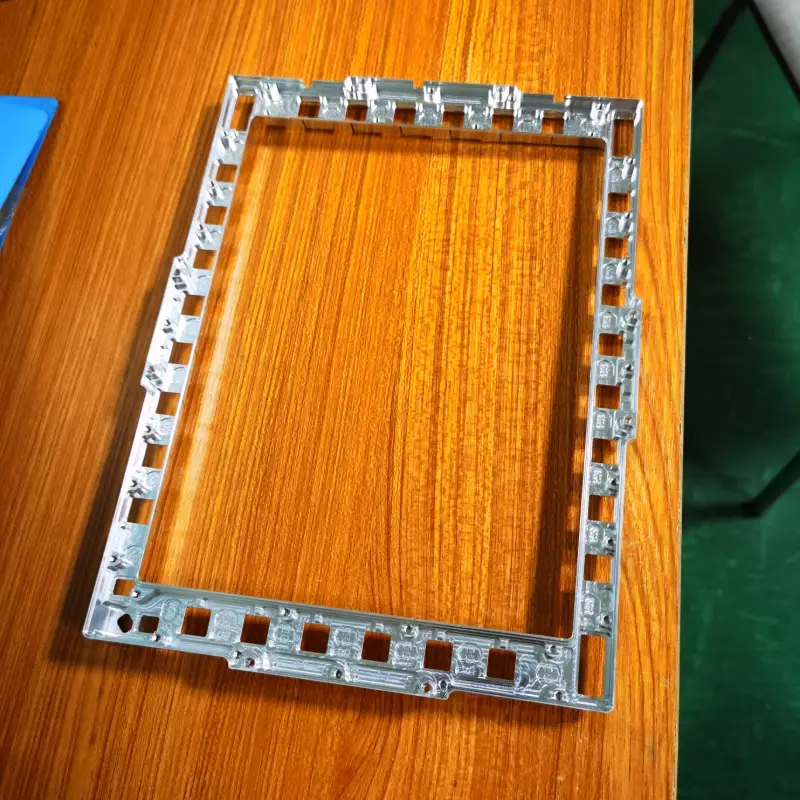
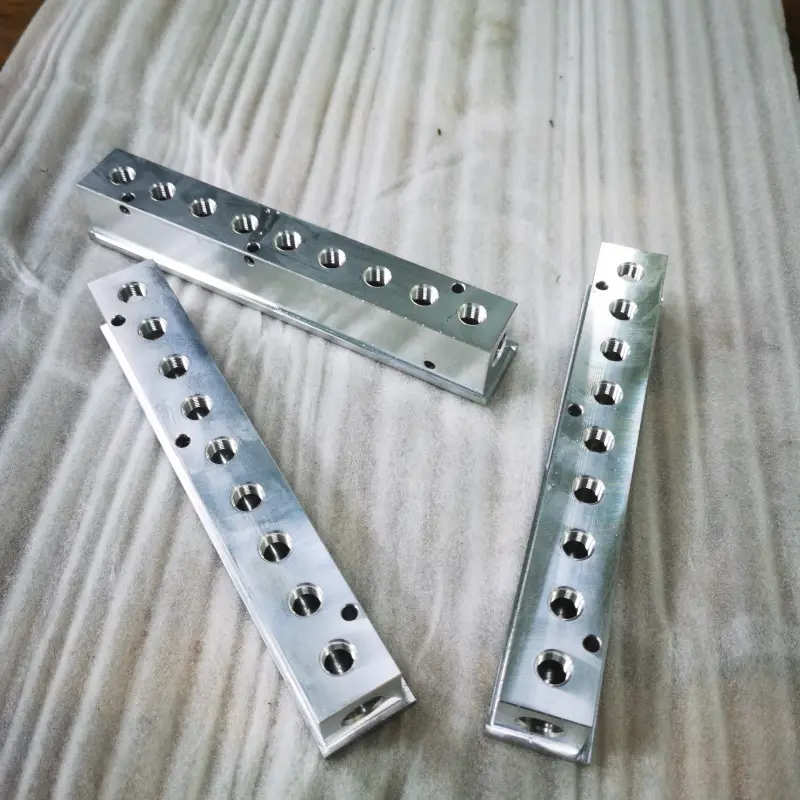
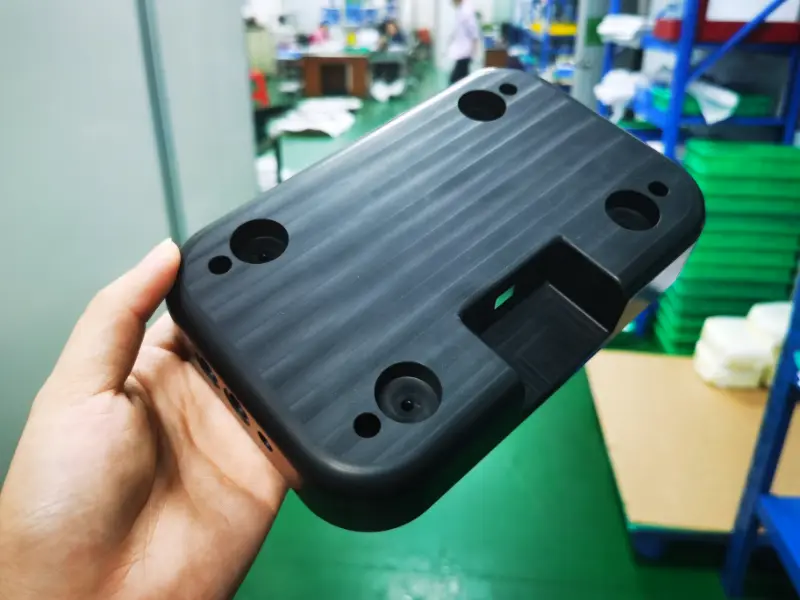
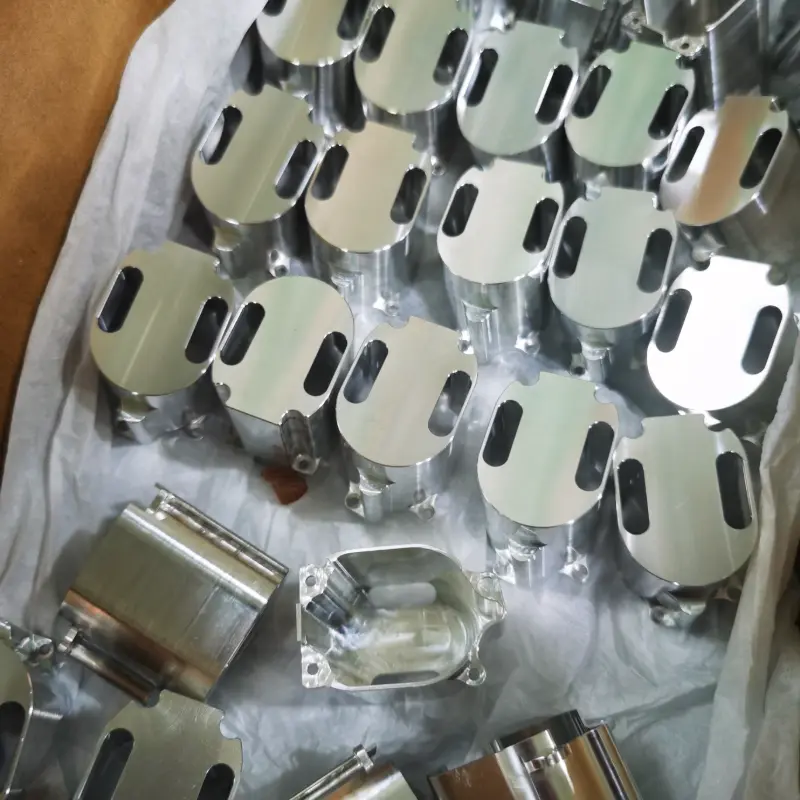
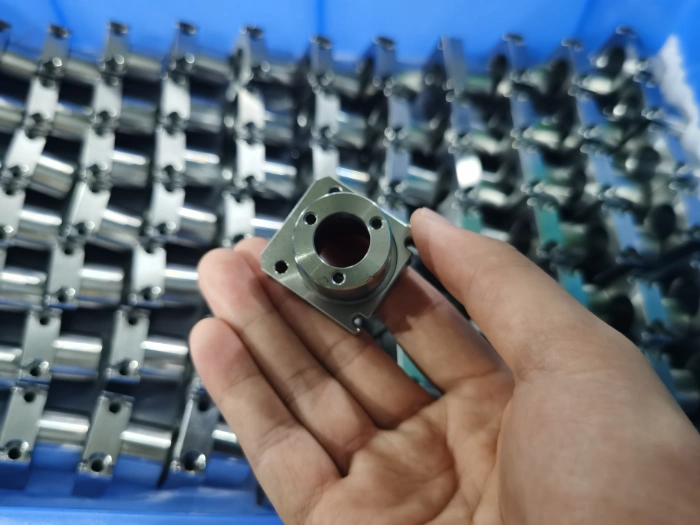
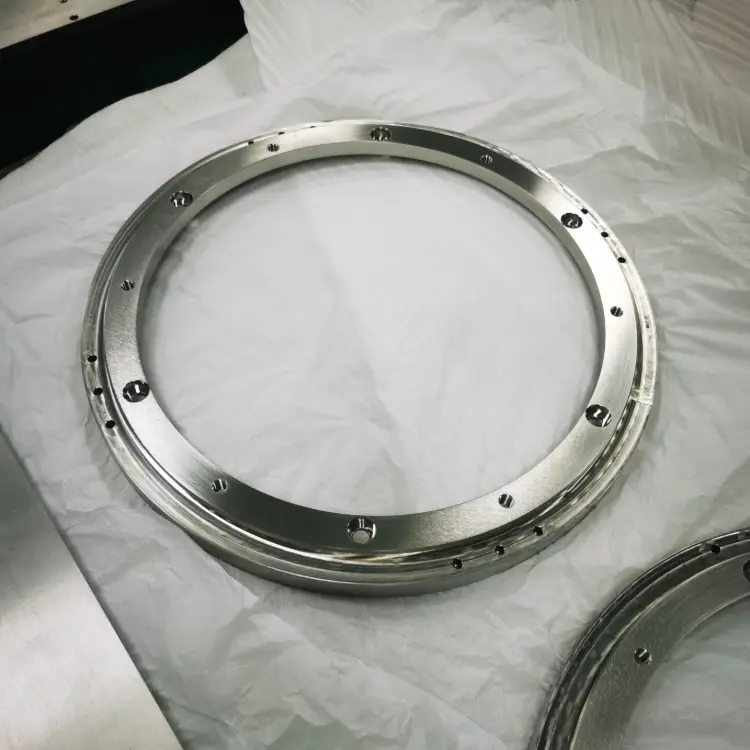
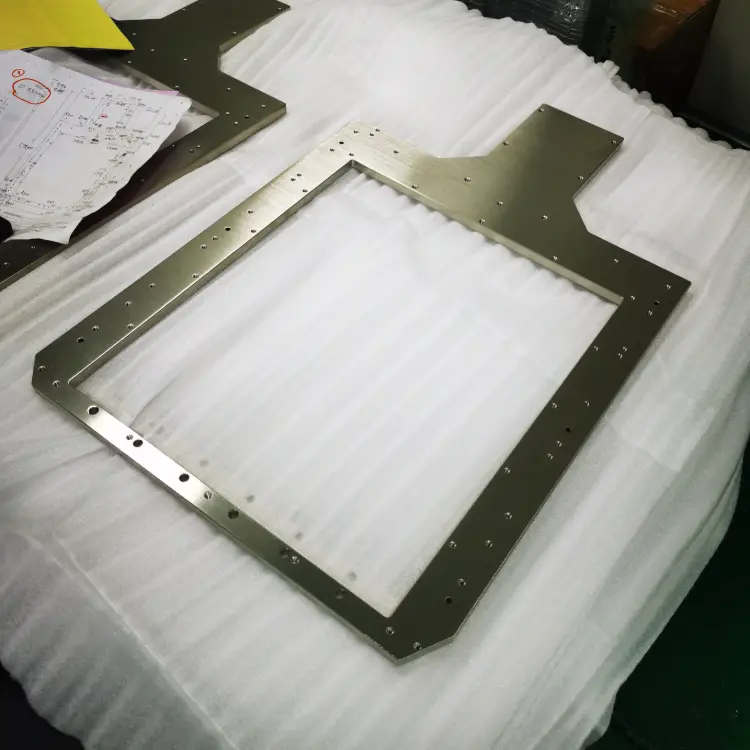
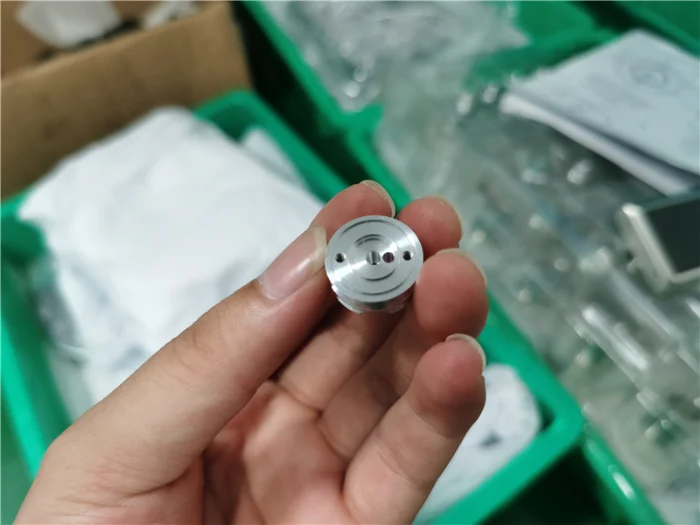
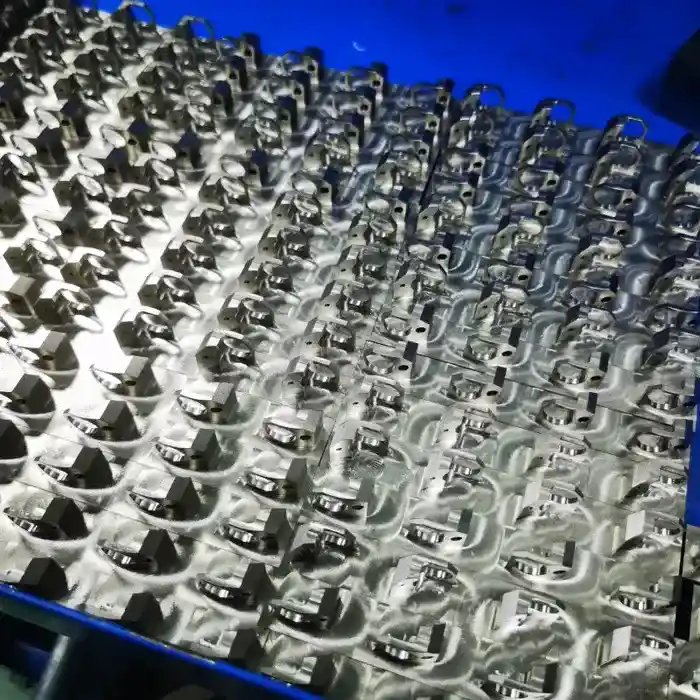
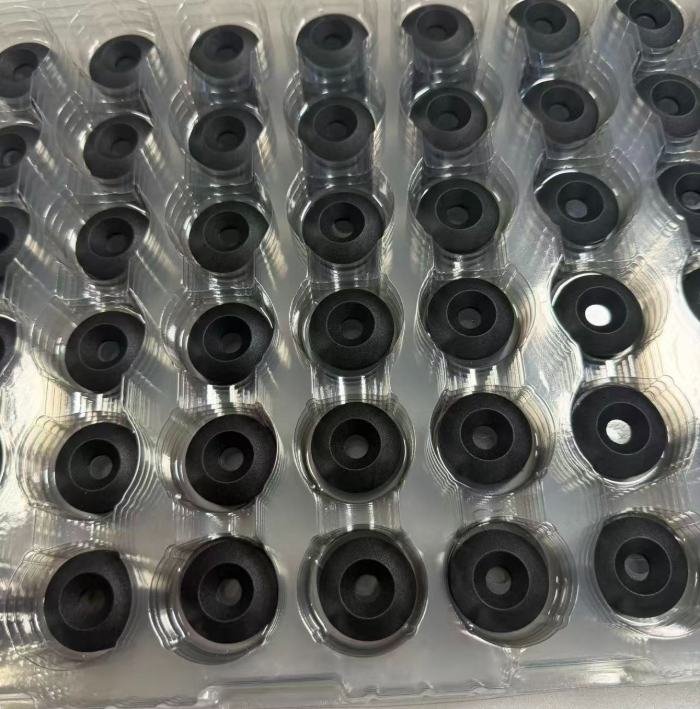
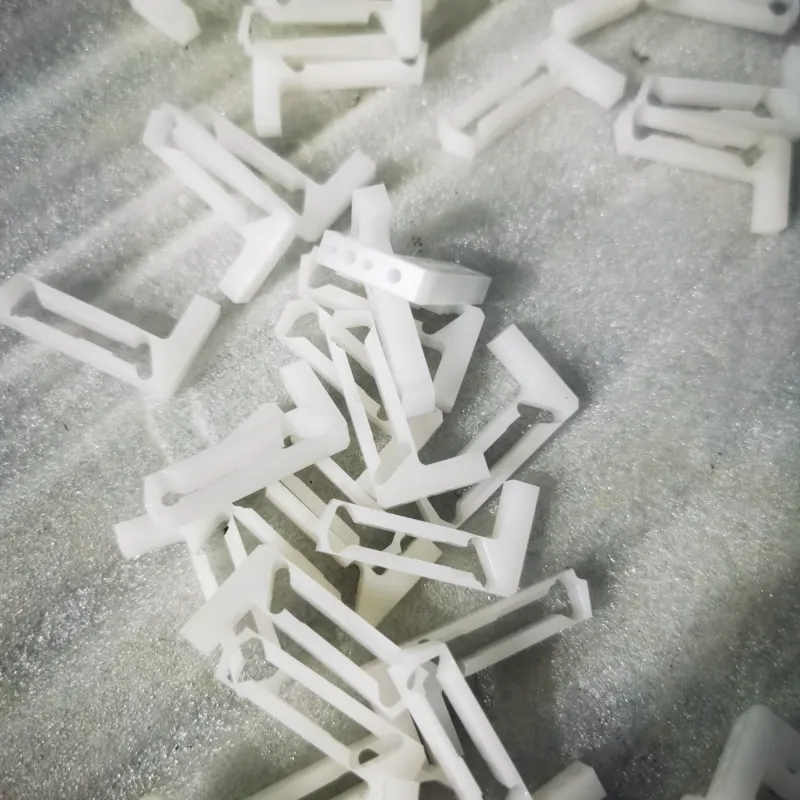
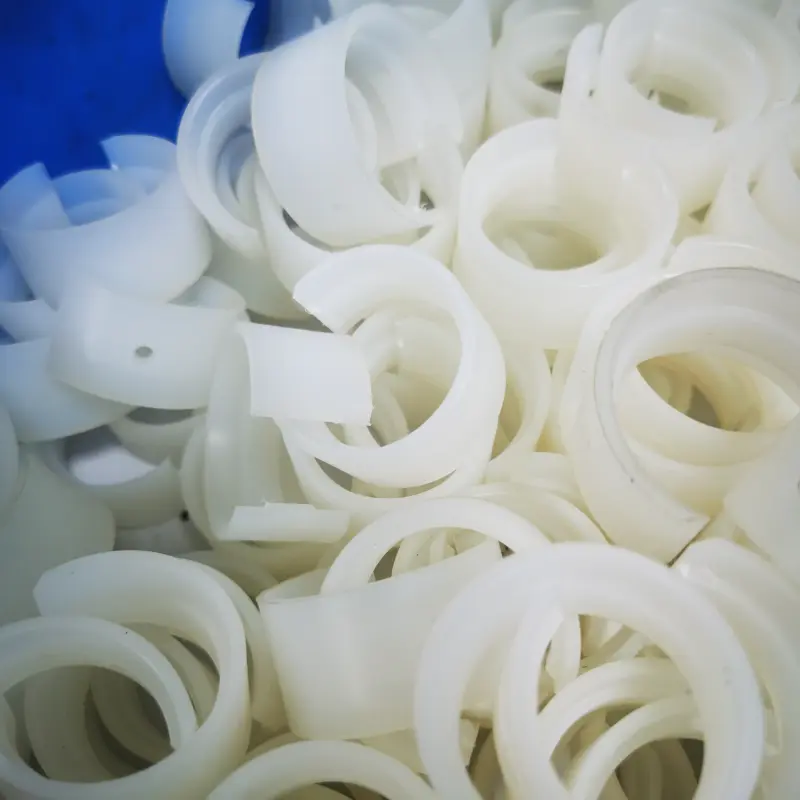
Weldo Electronics Manufacturing Projects
Representative housings, display frames, contacts, switch components, supports, and insulating parts.


Choose the Process by Design Stage and Volume
Geometry, material, appearance, quantity, and tooling investment shape the manufacturing route.

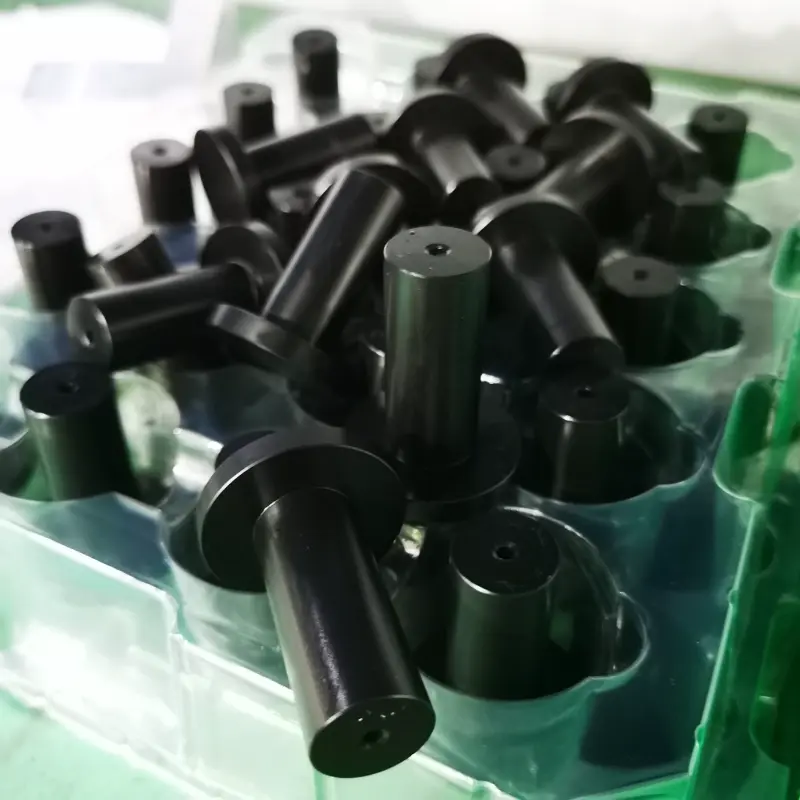
Mecanizado CNC
Metal housings, frames, hinges, heat sinks, and precision assembly interfaces.
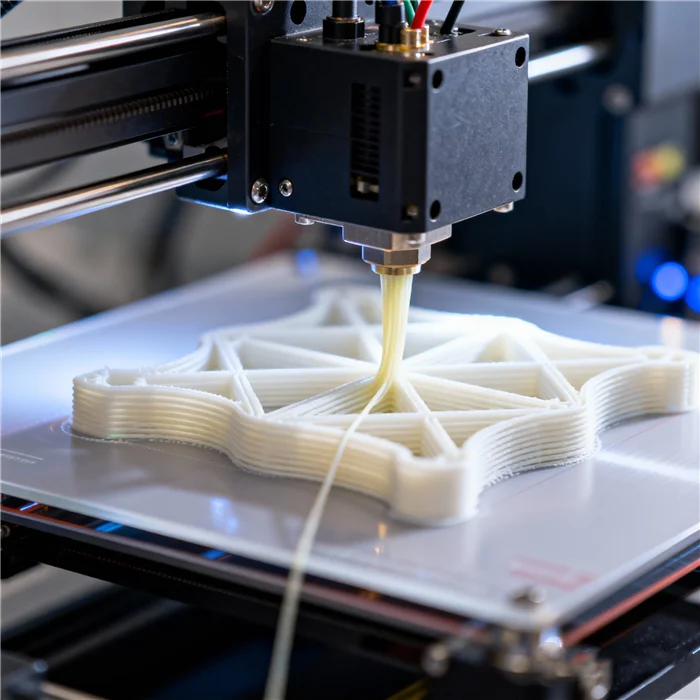
Impresión 3D
Concept models, fit checks, and suitable early functional prototypes using a defined material and process.
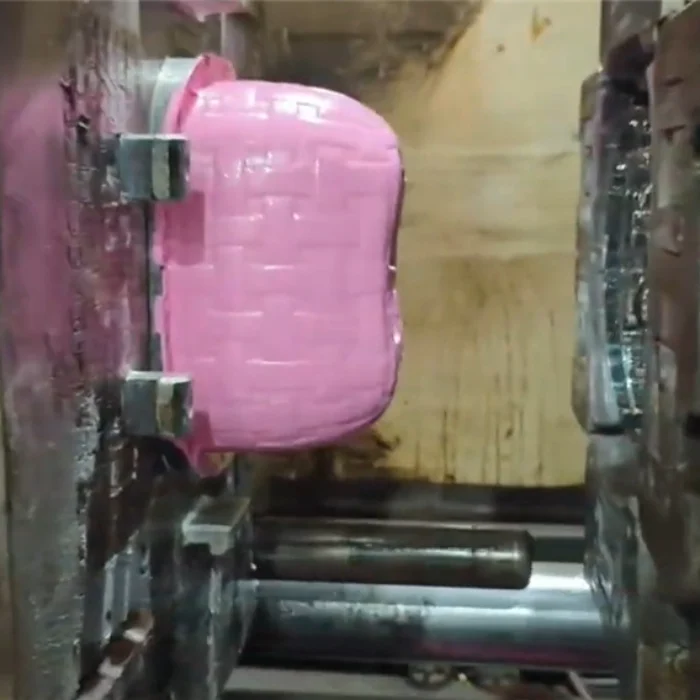
Moldeo por inyección
Plastic housings, buttons, clips, keycaps, and repeat-production components where tooling is appropriate.

Fabricación de chapas metálicas
Chasis, cubiertas de protección, estructuras internas y carcasas moldeadas.
Balance Structure, Heat, Appearance, and Assembly
Review material and finish together because coating buildup, color, texture, conductivity, and interfaces affect the assembled product.
Materiales para componentes electrónicos
AluminioStructures, thermal paths, and visible surfaces.
Housings, LCD frames, heat sinks, hinges, and cosmetic parts. Confirm alloy, temper, wall rigidity, finishing response, and protected electrical-contact areas.
Explore Material Options →Acero inoxidableWear interfaces and exposed details.
Switch rings, buttons, hinges, and durable exterior features. Specify grade, surface texture, corrosion requirements, and any polishing or passivation.
Explore Material Options →MagnesioSelected lightweight housings and structures.
Review the exact alloy, stock form, geometry, surface protection, and processing route for weight-sensitive parts.
Explore Material Options →Cobre y latónElectrical, thermal, and connector functions.
Contacts, terminals, busbars, and shielding details. Specify conductivity, temper, contact surfaces, coating requirements, and assembly interfaces.
Explore Material Options →Plásticos técnicosHousings, guides, buttons, and insulators.
ABS, PC, POM, nylon, and PEEK cover different structural, sliding, and insulating needs. Match resin, filler, color, moisture condition, and temperature requirements.
Explore Material Options →Optical PlasticsWindows, light guides, and optical interfaces.
PMMA and specified transparent polymers require defined clarity, surface quality, edge condition, and any optical performance criteria. Select polishing and coating methods for the exact resin.
Explore Material Options →Opciones de acabado superficial
Anodizado
Colored or wear-resistant finishes on compatible aluminum alloys. Define coating type, thickness, masking, and post-finish dimensions.
Bead Blasting & Brushing
Controlled matte or directional textures, with defined grain direction and protected functional surfaces.
Pulido
Mechanical or qualified chemical processes for suitable materials. Specify visible-surface limits and any optical performance requirements.
Plating & PVD
Electroless nickel, electroplating, or PVD where appropriate for the substrate, protection, contact function, and appearance.
Painting & Tactile Coatings
Painting, soft-touch finishes, or powder coating for defined color and feel, with compatibility and durability requirements agreed.
Laser Marking & Engraving
Identification, orientation, and assembly guidance with defined location, size, contrast, and acceptable surface effects.
Define cosmetic zones, gloss, texture, color reference, grain direction, masking, and acceptable variation before production.
Del prototipo de diseño a la producción en serie
Evaluate fit, thermal behavior, tactile response, and appearance while maintaining drawing revision and finish requirements.
Revisión del diseño
Confirm materials, wall sections, interfaces, cosmetic zones, and process feasibility.
Prototipo funcional
Produce parts for assembly, tactile response, thermal-path, and appearance evaluation.
Versión piloto
Confirm fixtures, approved finish samples, inspection, and the agreed batch criteria.
Repetición de la producción
Release approved revisions with defined process, inspection, packing, and delivery controls.
Control Fit, Appearance, and Batch Consistency
Inspect dimensional and cosmetic requirements against the approved drawing and finish sample.

Medición durante el proceso
Check wall sections, hole locations, and assembly interfaces during production.
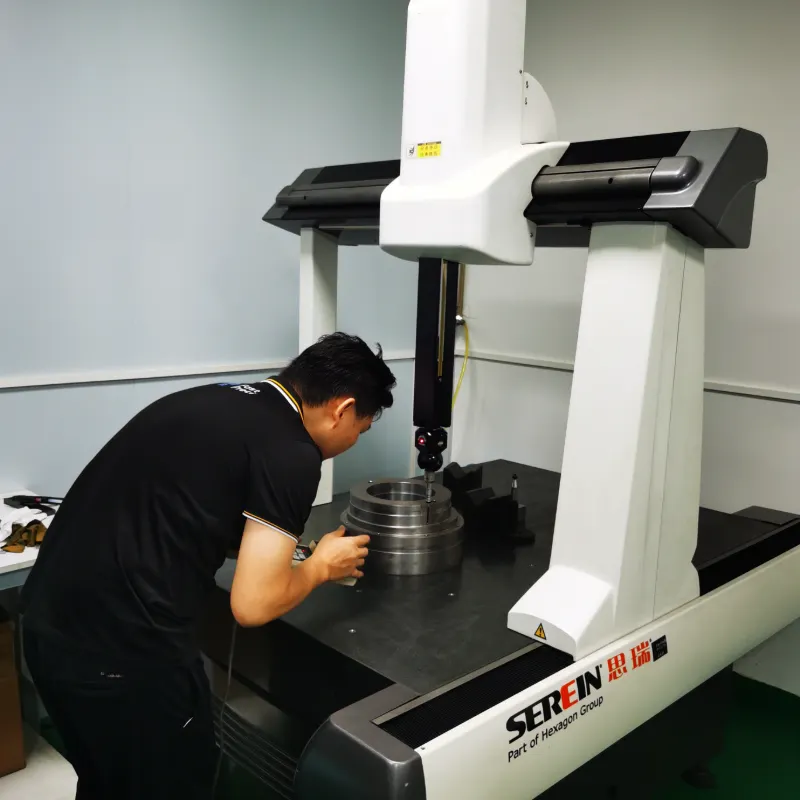
Dimensiones críticas
Use CMM and suitable calibrated gauges to verify specified datums, fits, and geometric relationships.
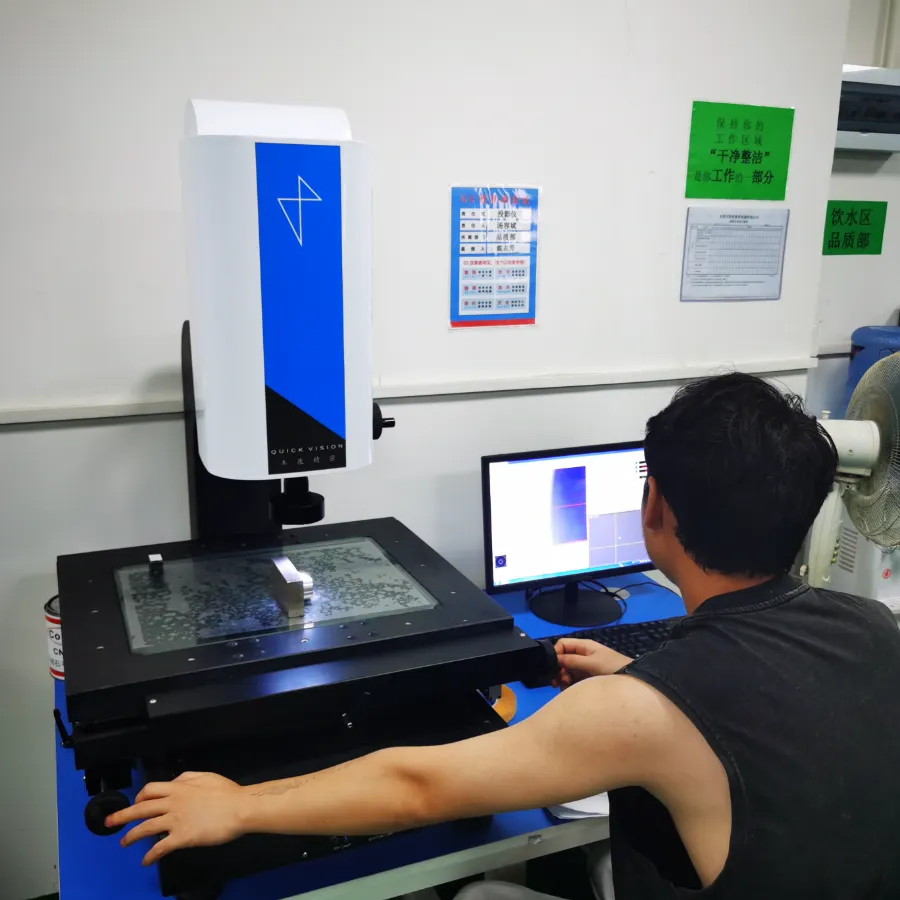
Profiles & Cosmetic Review
Review profiles, edges, visible surfaces, marking, and finish samples against agreed acceptance criteria.
Agree critical dimensions, cosmetic acceptance, approved samples, protective packaging, and delivery requirements before purchase-order release.
Electronics Manufacturing Questions
Clarify cosmetic surfaces, color, thin walls, and production transfer before quotation.
¿Cómo deberían definirse las superficies estéticas?
Mark visible zones on the drawing and specify texture, gloss, color reference, grain direction, masking, viewing conditions, and acceptable defect limits. Identify functional surfaces that must remain protected.
How is color consistency managed between batches?
Use an approved finish sample with defined color and gloss criteria, suitable pretreatment, and traceable lots. Agree the acceptance range because alloy, process, geometry, and viewing conditions can affect appearance.
¿Cómo se reduce la deformación de las paredes delgadas?
Review stock condition, wall design, workholding, material-removal sequence, and cutting heat. Critical dimensions are checked after the part stabilizes, with inspection conditions suited to the material.
¿Es posible pasar de un prototipo fabricado con CNC al moldeo por inyección?
The design can be reviewed for draft, uniform walls, ribs, bosses, parting lines, shrinkage, and resin behavior before tooling. A machined prototype does not automatically represent the properties or appearance of a molded part.
What information is needed for a quotation?
Send the model and controlled drawing, material, quantity, tolerances, finish, cosmetic requirements, and delivery target. Include approved samples or color references where appearance matters.
How are product files and design revisions handled?
Project access, revision control, and file use are defined for quotation and production. NDA terms can be reviewed when required, and approved changes are assessed before the affected work proceeds.