
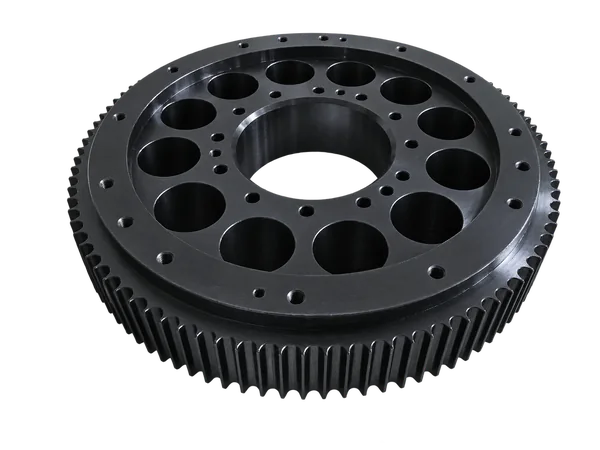
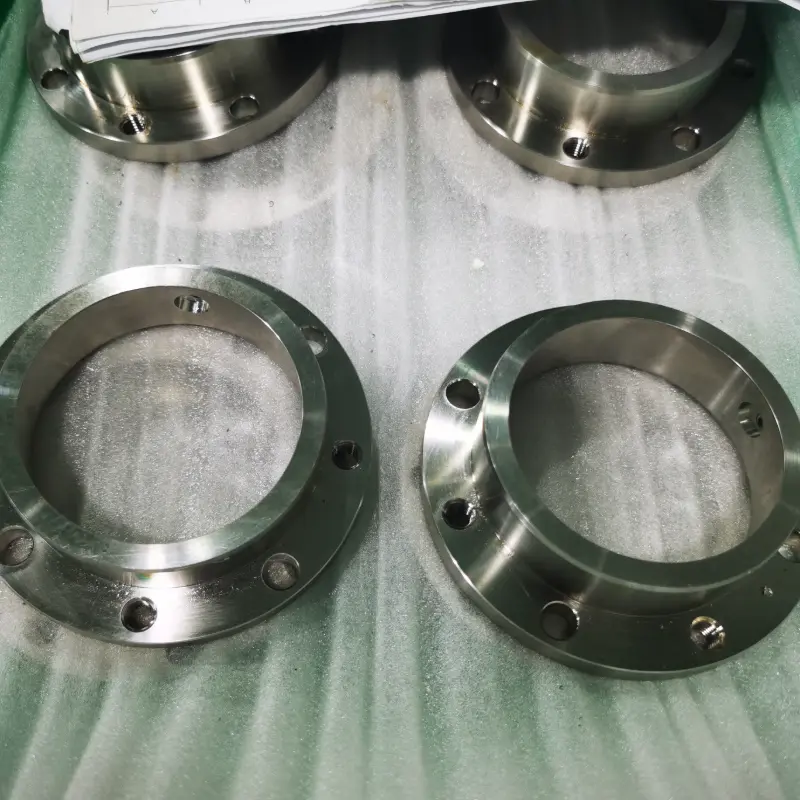
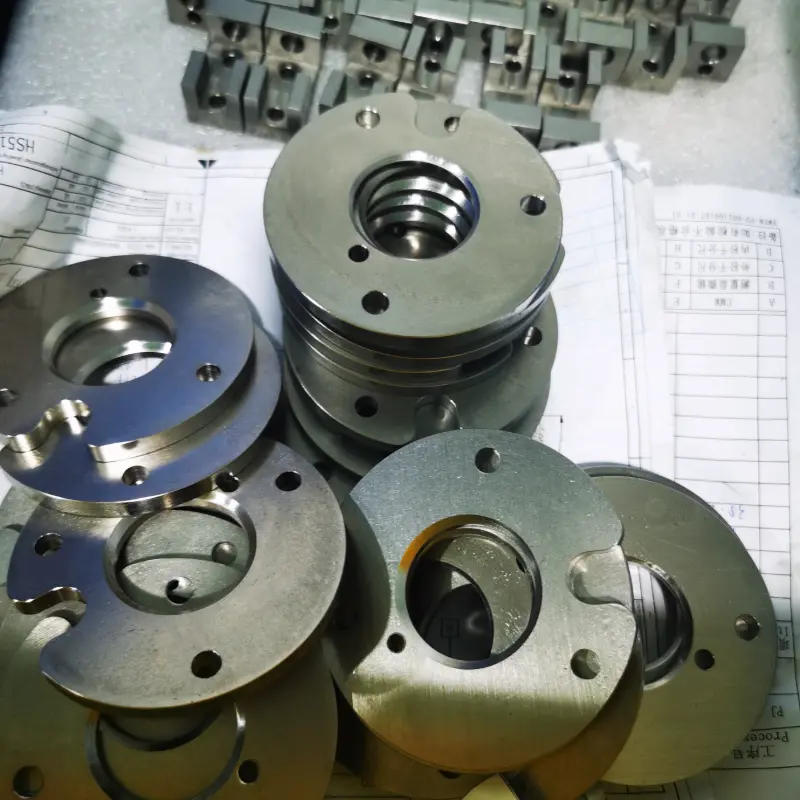
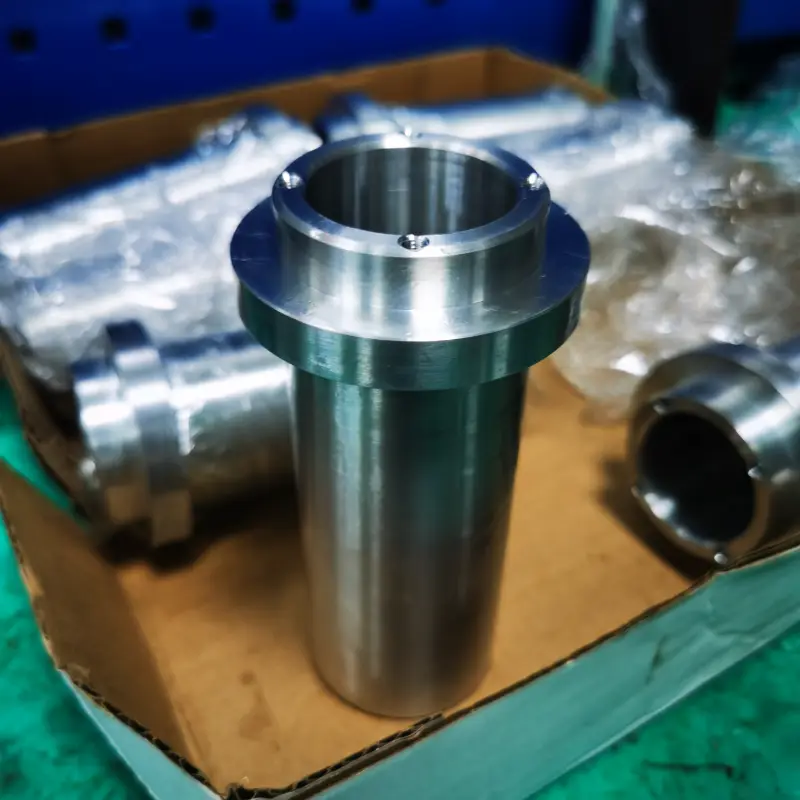
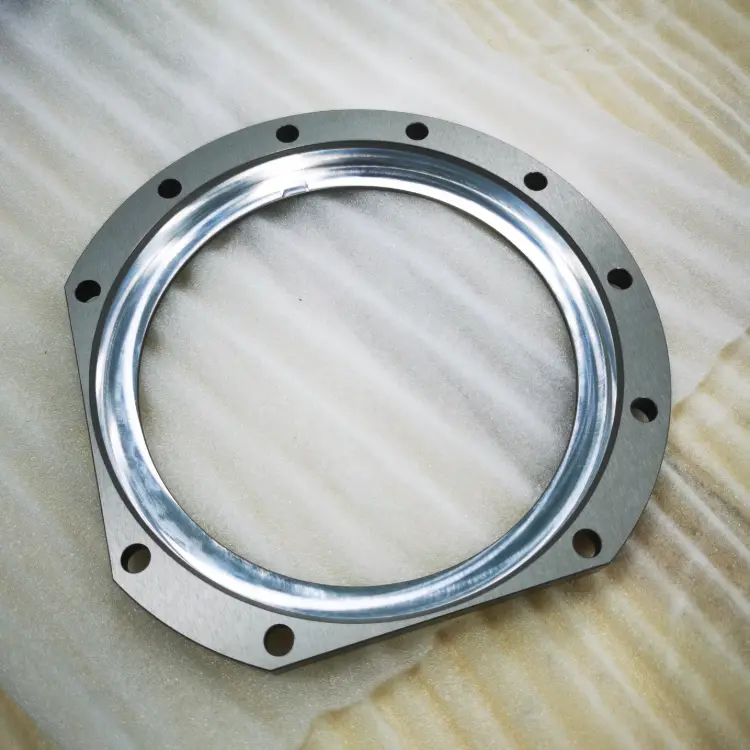
Mecanizado de piezas de bridas a medida
Drawing-based CNC machining for flange components used in piping, valves, pumps, and equipment interfaces. We review the geometry, material, sealing face, and inspection requirements before production.
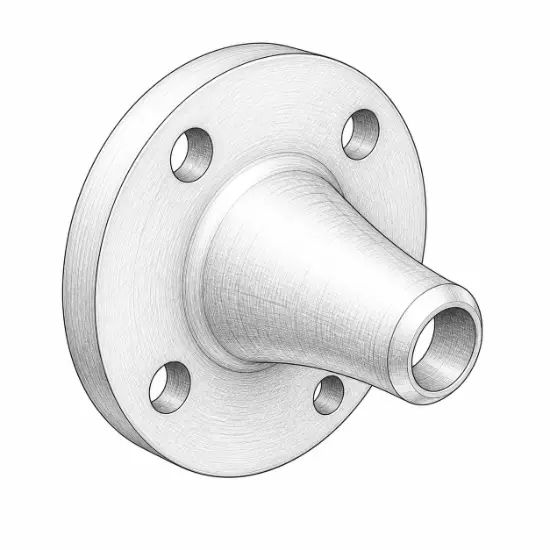
Cuello de soldadura
Tapered neck for high-pressure, high-temperature, or cyclic service.
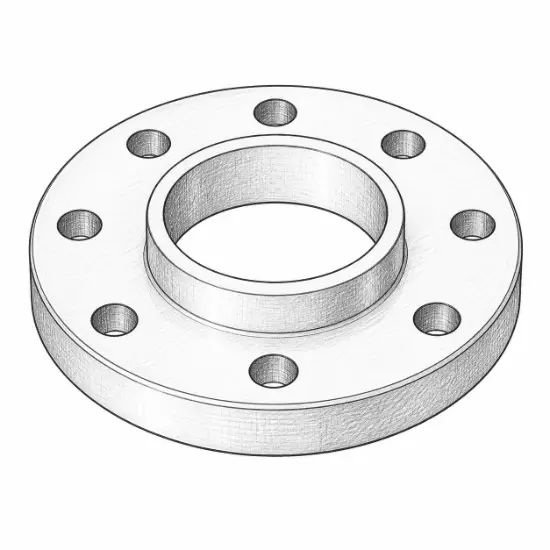
Sin cordones
Conexión soldada práctica para sistemas de tuberías en general.
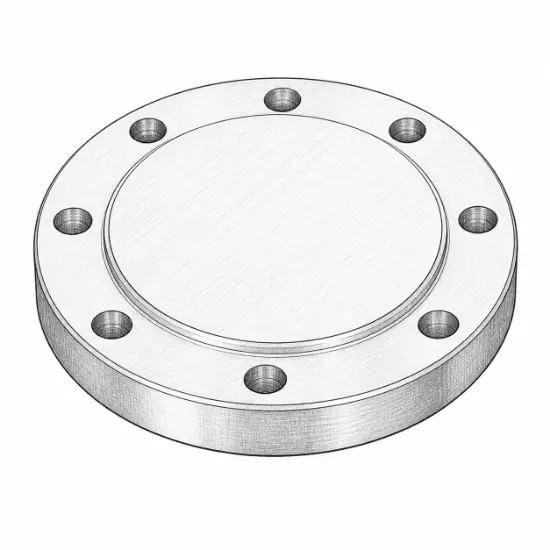
Ciego
Cierre hermético para aislamiento, pruebas o una futura ampliación.
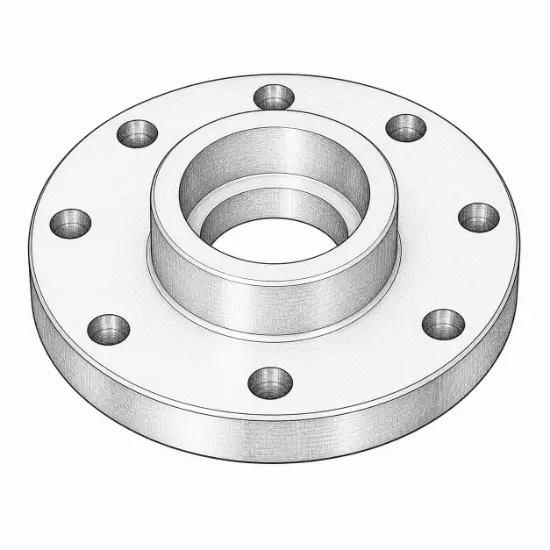
Soldadura en horquilla
Conexión rígida y compacta para determinadas tuberías de pequeño diámetro.
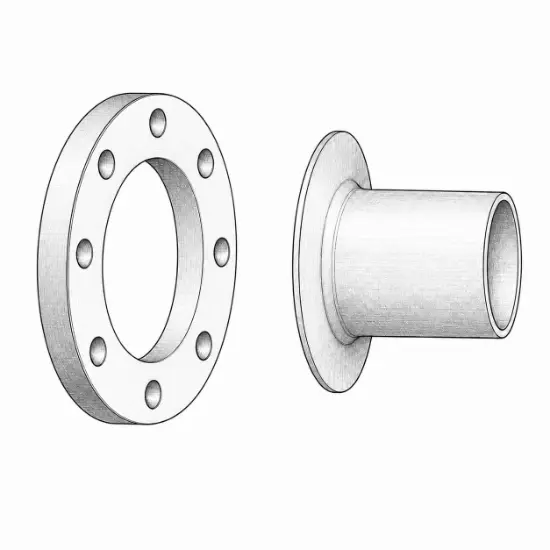
Unión solapada
Loose arrangement for alignment and repeated disassembly.
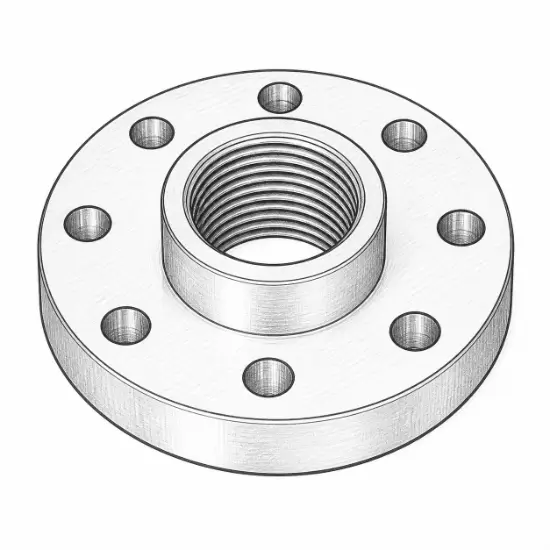
Roscado
Conexión no soldada en la que el diseño y las condiciones de servicio permiten el uso de roscas.
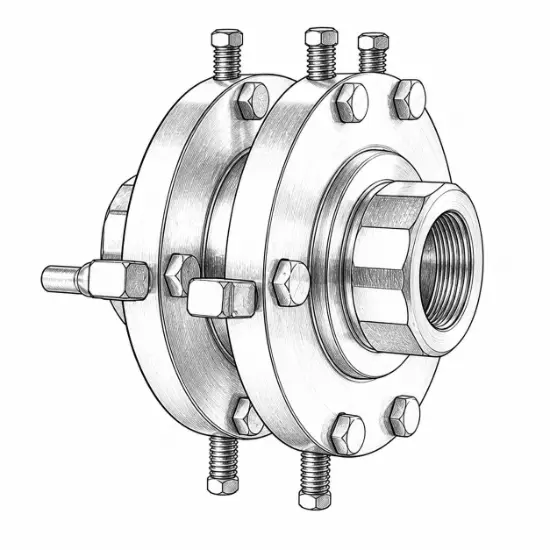
Orificio
Orificios de presión mecanizados y ubicación de la placa para la medición del caudal.
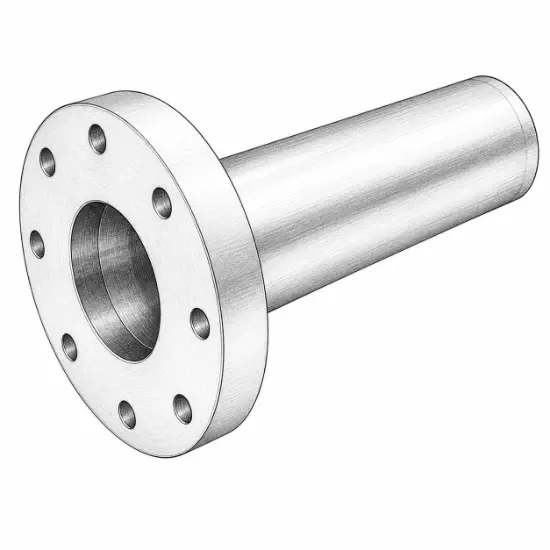
Integral
Brida rígida integrada en el tubo o en el cuerpo del equipo.
Materiales de las bridas y superficies de sellado
Compare material grades by load, temperature, corrosion exposure, sealing face, and service environment.
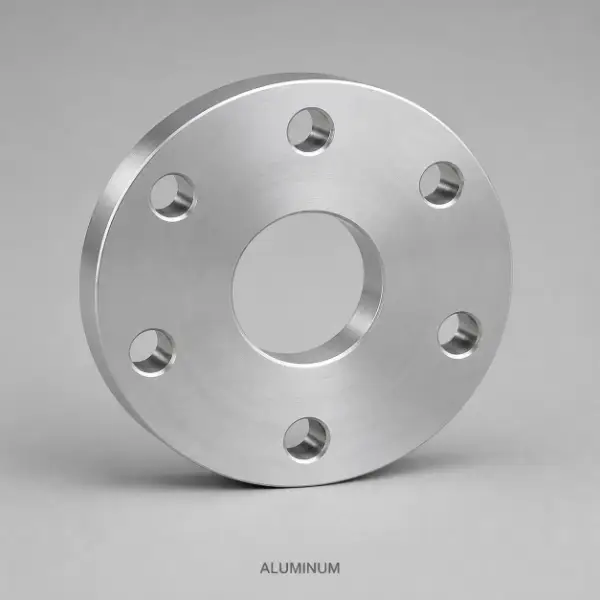
Aluminio
Lightweight, machinable, and resistant to atmospheric corrosion.
View material details
- Calificaciones habituales
- 6061-T6, 6082-T6, 7075-T6
- Sealing guidance
- FF and RF with compatible soft or coated gaskets.
- Usos típicos
- Equipos ligeros, sistemas de ventilación y tuberías industriales en general.
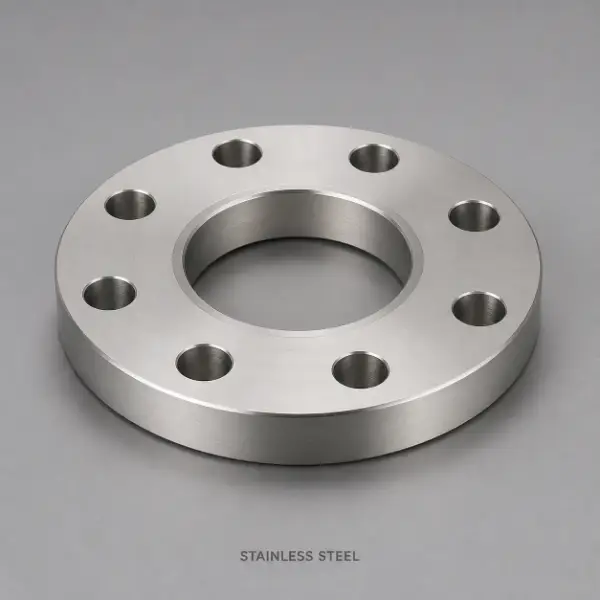
Acero inoxidable
Alta resistencia mecánica, facilidad de limpieza y amplia resistencia a la corrosión.
View material details
- Calificaciones habituales
- 304, 304L, 316, 316L, 321
- Sealing guidance
- FF, RF, and RTJ; face finish must match the gasket and standard.
- Usos típicos
- Chemical, medical, food, pharmaceutical, and wet-service systems.
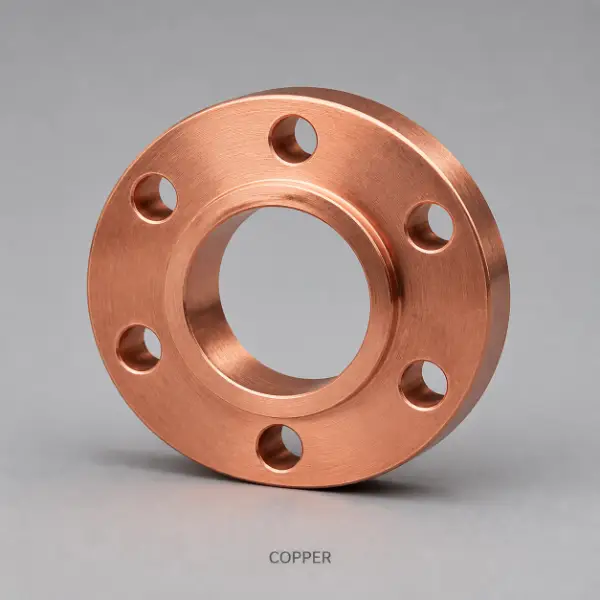
Cobre
Excelente conductividad térmica y eléctrica, con buena mecanizabilidad.
View material details
- Calificaciones habituales
- C101, C110, C122
- Sealing guidance
- FF and RF with gaskets compatible with copper and process fluid.
- Usos típicos
- Cooling loops, heat exchangers, and temperature-control systems.
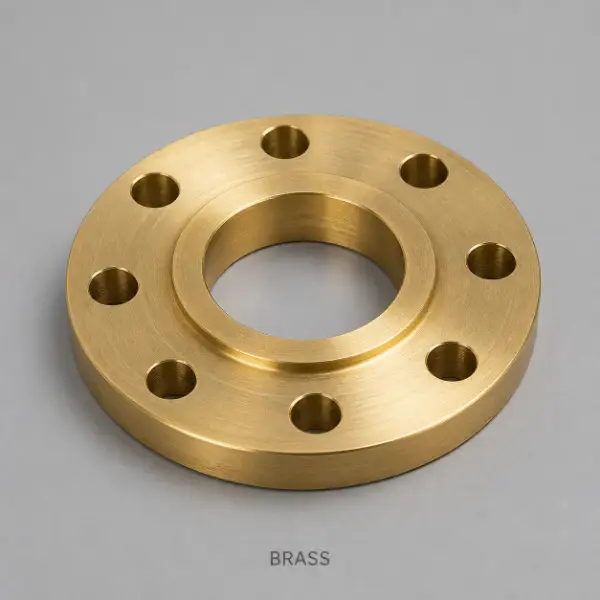
Latón
Machinable, wear-resistant, and dimensionally stable.
View material details
- Calificaciones habituales
- C360, C464, C693
- Sealing guidance
- FF y RF; comprueba la compatibilidad de las juntas y la compatibilidad galvánica.
- Usos típicos
- Agua, instrumentos, válvulas y sistemas de fluidos no agresivos.
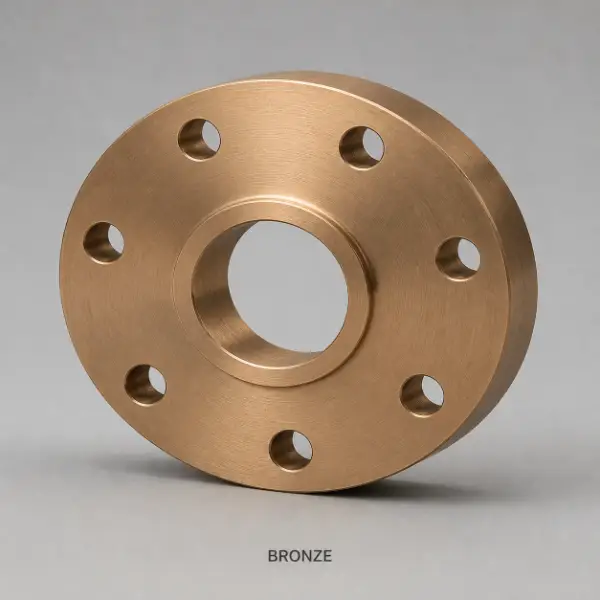
Bronce
Wear-resistant with dependable behavior in marine service.
View material details
- Calificaciones habituales
- C932, C954, C958
- Sealing guidance
- FF, RF, and selected RTJ designs when service-compatible.
- Usos típicos
- Marine equipment, pumps, valves, and water systems.
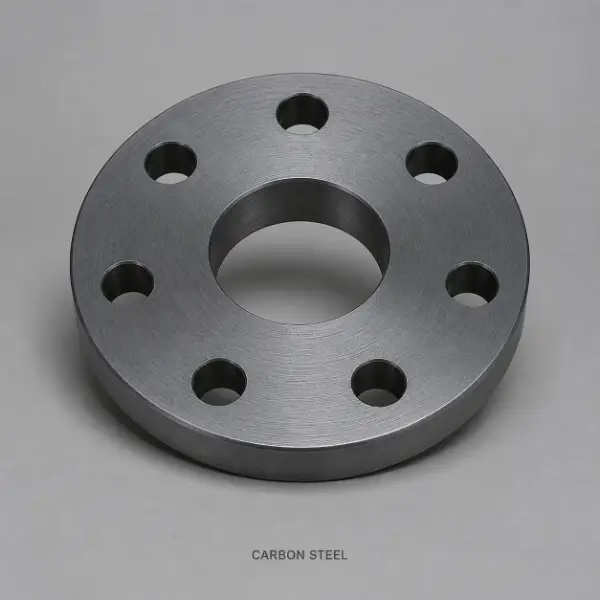
Acero al carbono
Gran capacidad de carga, amplia disponibilidad y rentabilidad.
View material details
- Calificaciones habituales
- A105, A350 LF2, C20, Q235
- Sealing guidance
- FF, RF, and RTJ with suitable gasket and corrosion protection.
- Usos típicos
- Industrial piping, power equipment, and structural connections.
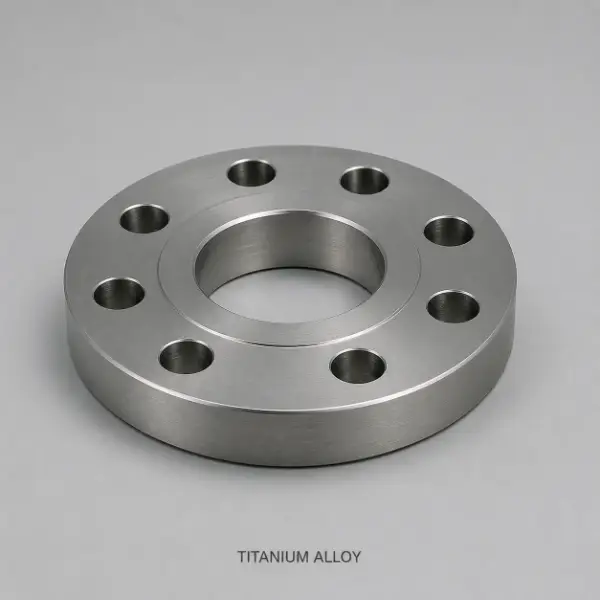
Titanio
High specific strength and resistance to chloride environments.
View material details
- Calificaciones habituales
- Grado 2, Grado 5 (Ti-6Al-4V)
- Sealing guidance
- FF, RF, and RTJ; protect faces and control galling.
- Usos típicos
- Aerospace, marine, chemical, and corrosive service.
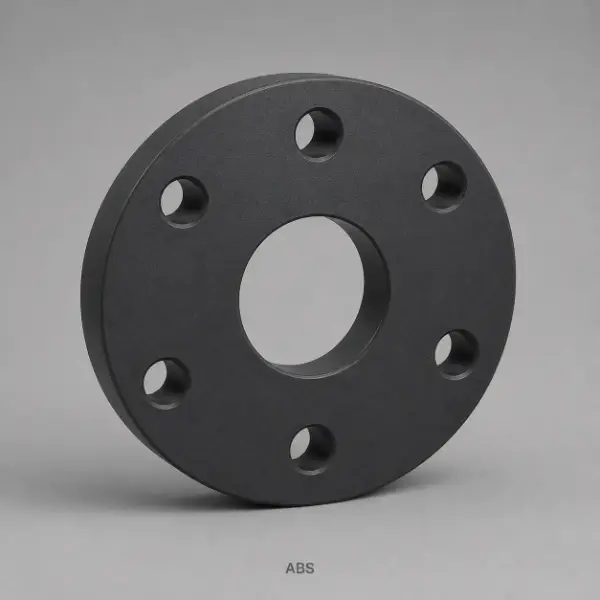
ABS
Lightweight and impact-resistant for noncritical connections.
View material details
- Calificaciones habituales
- ABS de uso general y ignífugo
- Design notes
- Low pressure; use soft gaskets and avoid excessive bolt preload.
- Usos típicos
- Medios no agresivos, cubiertas y tuberías para uso ligero.
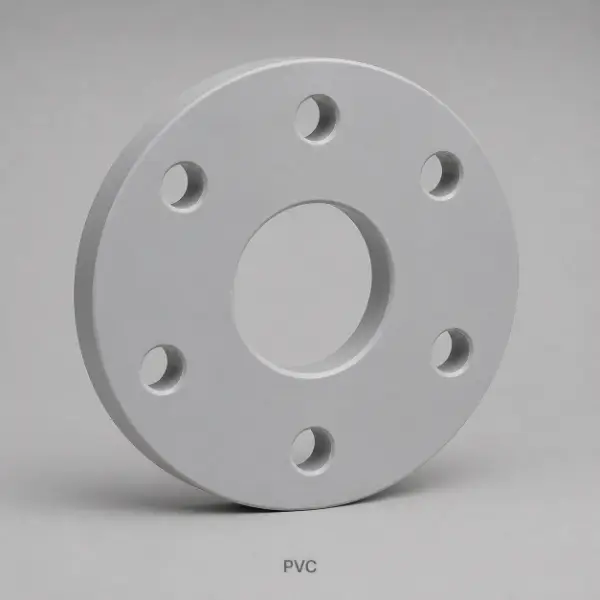
PVC
Peso reducido y buena resistencia a la humedad, los ácidos y los álcalis.
View material details
- Calificaciones habituales
- PVC-U, PVC-C
- Design notes
- Use elastomeric gaskets and controlled bolt load.
- Usos típicos
- Tuberías para el tratamiento de aguas, el drenaje y productos químicos ambientales.
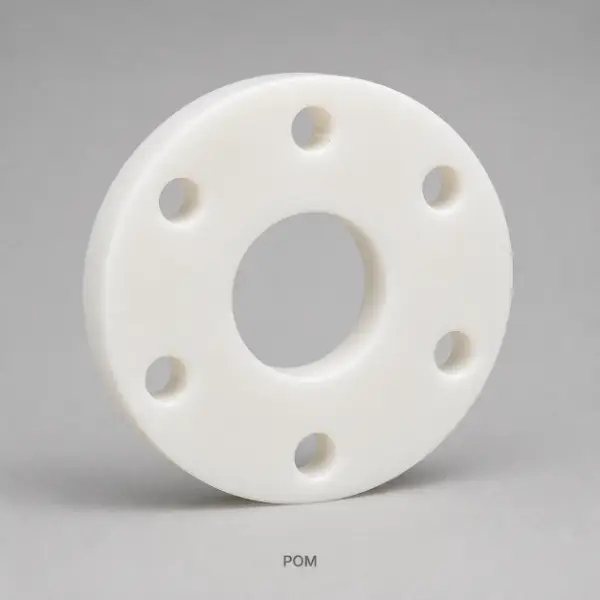
POM / Delrin
Low friction, wear resistance, and dimensional stability.
View material details
- Calificaciones habituales
- POM-C, POM-H
- Design notes
- Use soft gaskets and distribute contact stress evenly.
- Usos típicos
- Low-friction assemblies and frequently disassembled connections.
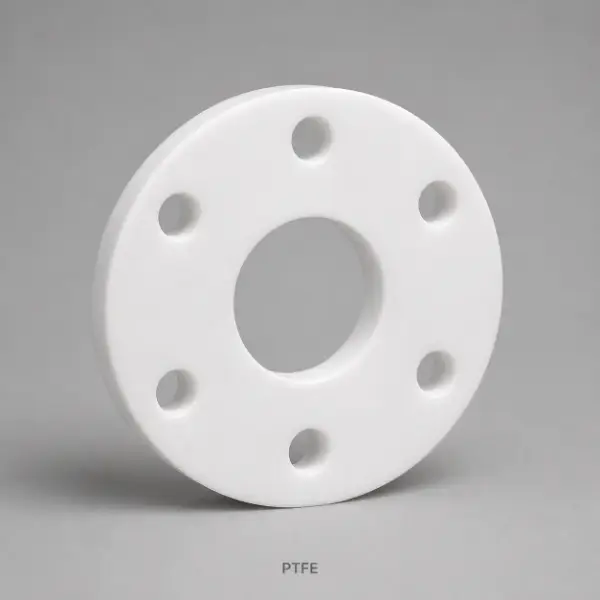
PTFE
Resistencia química excepcional con una fricción muy baja.
View material details
- Calificaciones habituales
- Virgin PTFE, glass-filled PTFE, and other filled grades
- Design notes
- Allow for creep and use PTFE-compatible sealing systems.
- Usos típicos
- Productos químicos agresivos, tuberías de proceso y revestimientos resistentes a la corrosión.
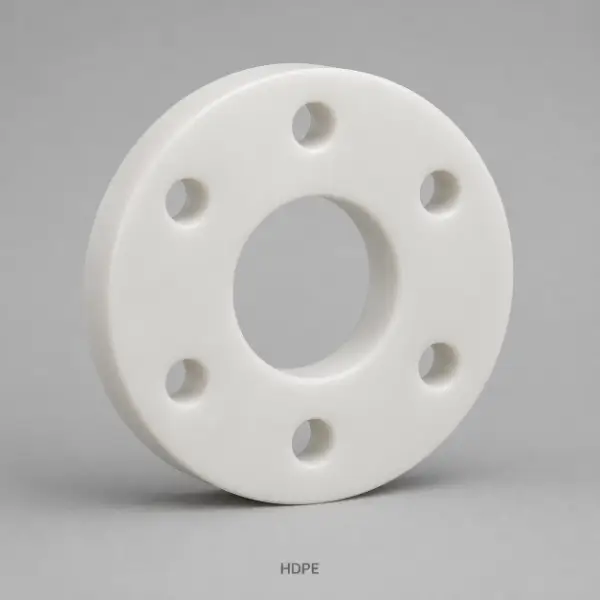
HDPE
Tough and moisture-resistant for many transfer systems.
View material details
- Calificaciones habituales
- HDPE, PE100
- Design notes
- Allow for creep and thermal expansion; use elastomeric gaskets.
- Usos típicos
- Water treatment, chemical transfer, and outdoor service.
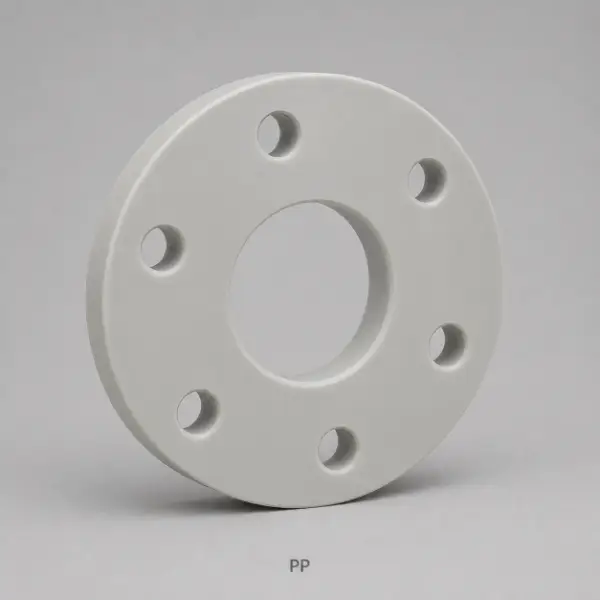
PP
Low density with resistance to water and many chemicals.
View material details
- Calificaciones habituales
- PP-H, PP-R, PP-C
- Design notes
- Use soft gaskets and controlled compression.
- Usos típicos
- Chemical lines, liquid transfer, and humid environments.
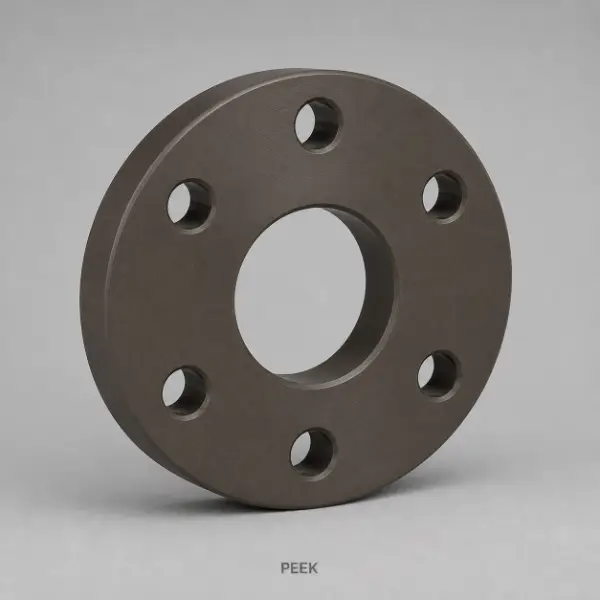
PEEK
Alta resistencia mecánica, resistencia química y capacidad para soportar temperaturas elevadas.
View material details
- Calificaciones habituales
- Virgin, glass-filled, and carbon-filled PEEK
- Design notes
- Match gasket, preload, and face geometry to the selected grade.
- Usos típicos
- Semiconductor, medical, aerospace, and demanding systems.
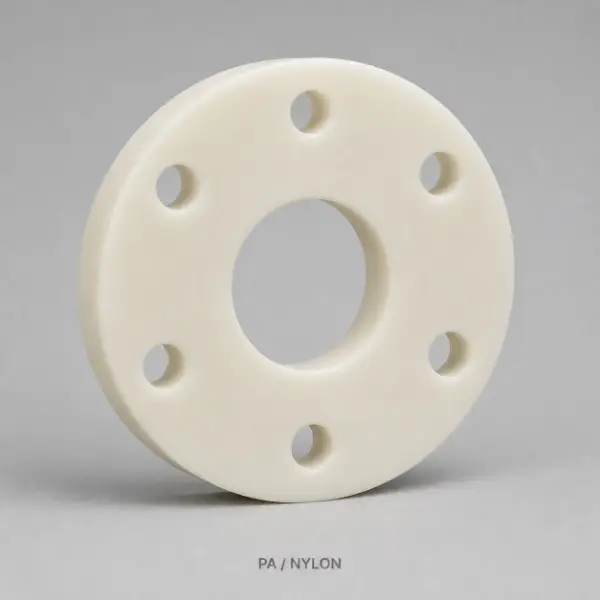
Nailon / PA
Lightweight, wear-resistant, and impact tolerant.
View material details
- Calificaciones habituales
- PA6, PA66, nailon reforzado
- Design notes
- Account for moisture absorption and use even bolt load.
- Usos típicos
- Aplicaciones ligeras, de baja presión y de desgaste general.
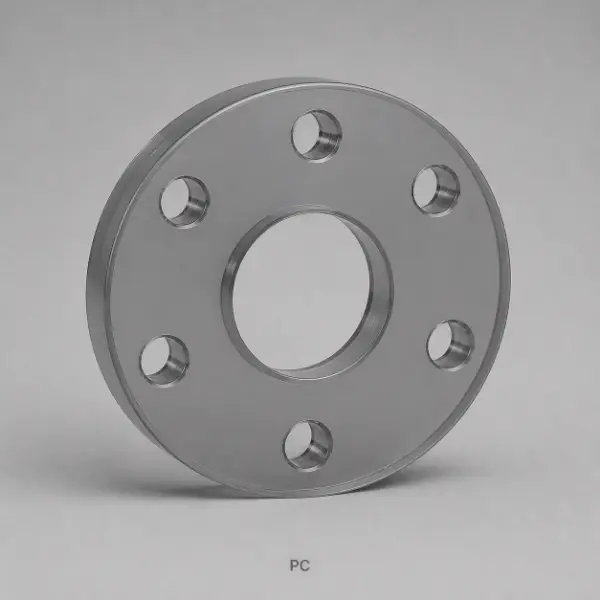
Policarbonato / PC
Impact-resistant, dimensionally stable, and optionally transparent.
View material details
- Calificaciones habituales
- PC, PC ignífugo, PC transparente
- Design notes
- Use soft gaskets with low and even bolt load.
- Usos típicos
- Inspection windows, transparent covers, and light structures.
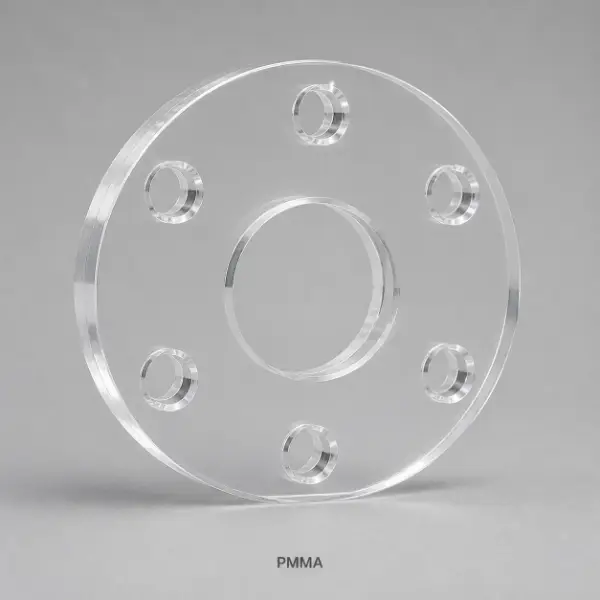
PMMA / Acrílico
Optically clear with good weatherability and a clean finish.
View material details
- Calificaciones habituales
- PMMA moldeado, PMMA extruido
- Design notes
- Use soft nonabrasive gaskets and controlled preload.
- Usos típicos
- Ventanas de inspección y conexiones transparentes que no estén sometidas a alta presión.
Pressure and temperature suitability depend on grade, flange size, wall thickness, bolts, gasket, service medium, and the governing standard. Final selection must be confirmed against the drawing and operating conditions.
Parámetros de mecanizado de bridas mediante CNC
Las gamas de producción clave se revisan en función de los requisitos relativos al material, la geometría, la sujeción, la superficie de sellado y la inspección.
| Capacidad | Bridas metálicas | Bridas de plástico técnico |
|---|---|---|
| Tolerancia dimensional típica | ±0,02 mm | ±0,05 mm |
| Diámetro exterior | 10–1000 mm | 10–600 mm |
| Espesor mínimo de la pared | 1,0 mm | 1,5 mm |
| Diámetro interior mínimo / orificio | 2,0 mm | 2-3 mm |
| Rugosidad típica tras el mecanizado | Ra 0,8–3,2 μm | Ra 1,6-3,2 μm |
*Final capability depends on part size, material condition, geometry, clamping, and inspection method. Critical requirements must be specified on the drawing.
Desde la revisión de planos hasta la inspección final
Programming, machining, dimensional verification, and shipment protection follow one controlled production route.
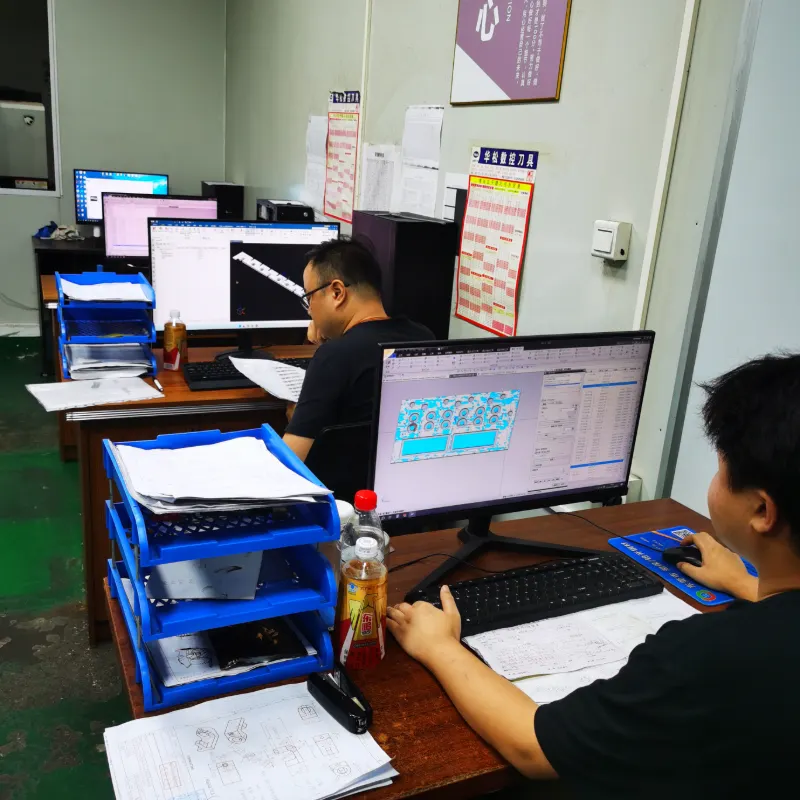
Confirm the requirements
Review datums, standard, sealing face, and critical dimensions.
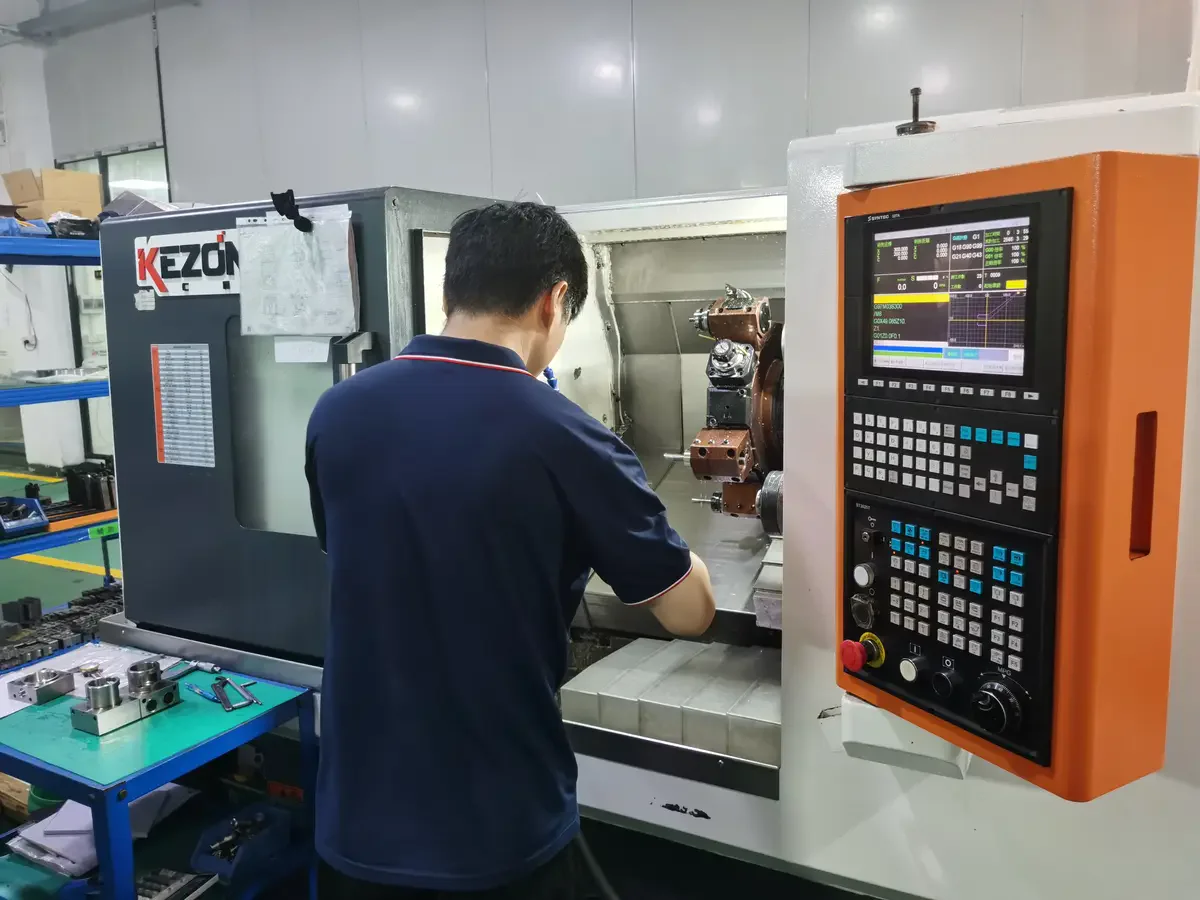
Plan the cutting sequence
Turn, mill, drill, and groove features in the approved order.
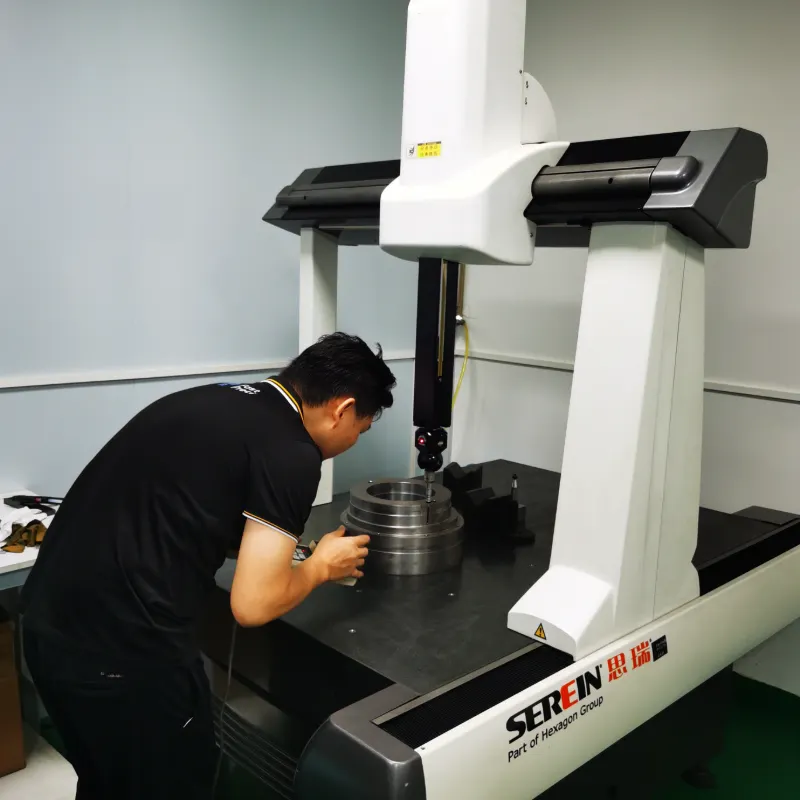
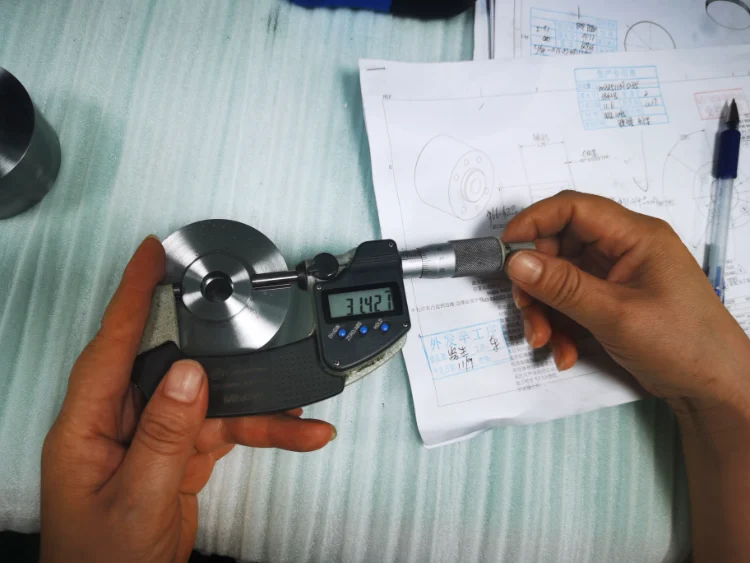
Verify critical geometry
Check bore, OD, bolt pattern, flatness, and positional features.
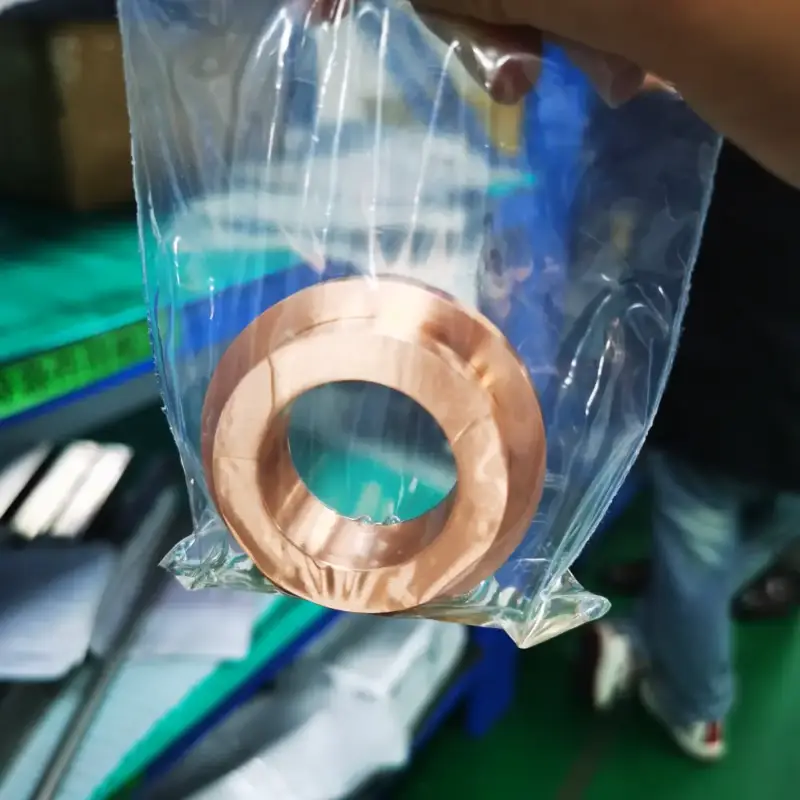
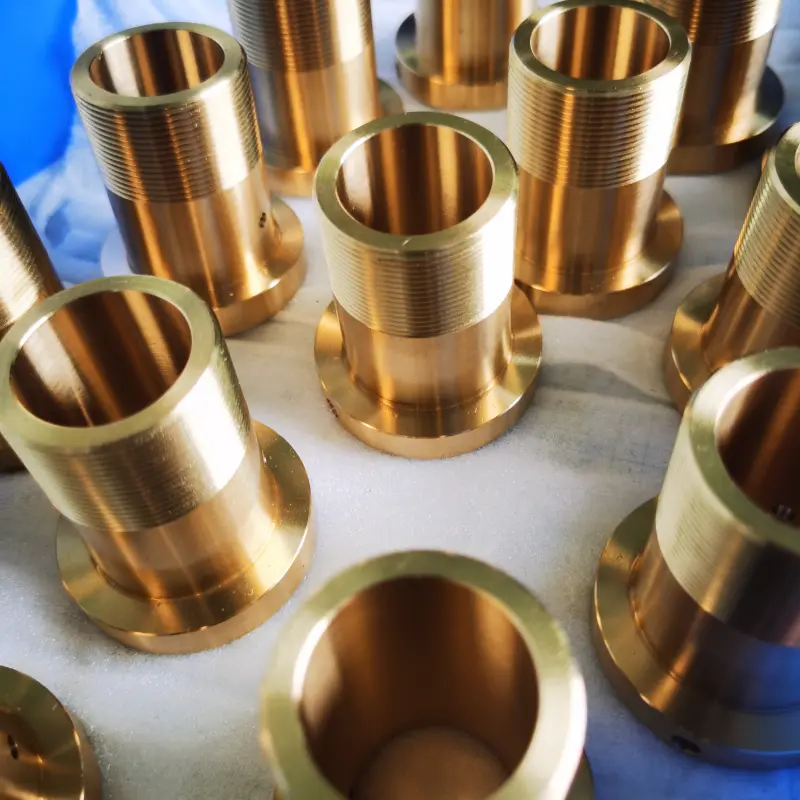
Protect sealing surfaces
Clean the parts and prepare requested records for shipment.

Especificar la brida en función de sus condiciones de funcionamiento
Una cotización útil debe incluir los requisitos relativos a la interfaz, el sellado y la documentación, y no solo el diámetro exterior.
- Dibujo en 2D o archivo CAD en 3D
- Calidad y estado del material
- Norma de bridas y clase de presión
- Requisitos relativos a la superficie de sellado y a la junta
- Cantidad y plazo de entrega
- Ámbito de la inspección y la documentación
Flange Machining Questions
¿Qué datos se necesitan para solicitar un presupuesto de una brida a medida?
Facilite el plano, el material, la cantidad, la norma de bridas o las dimensiones finales, la superficie de sellado y los requisitos de inspección.
¿Se pueden mecanizar patrones de tornillos y ranuras de sellado personalizados?
Yes. Bolt circles, nonstandard hole patterns, RTJ grooves, threads, steps, and counterbores can be machined from an approved drawing.
How is sealing-face quality controlled?
La geometría de la superficie, la planitud, la excentricidad y la rugosidad se comprueban mediante métodos adaptados a los requisitos del plano y de la junta.
¿Se puede modificar el diseño de una brida ya existente?
Existing designs can be reviewed for bore, bolt-pattern, port, or sealing-feature changes when adequate material remains.
¿Se pueden facilitar los informes de inspección y los registros de materiales?
List the requested material, heat-treatment, and dimensional records before quotation so they can be included in the production route.