
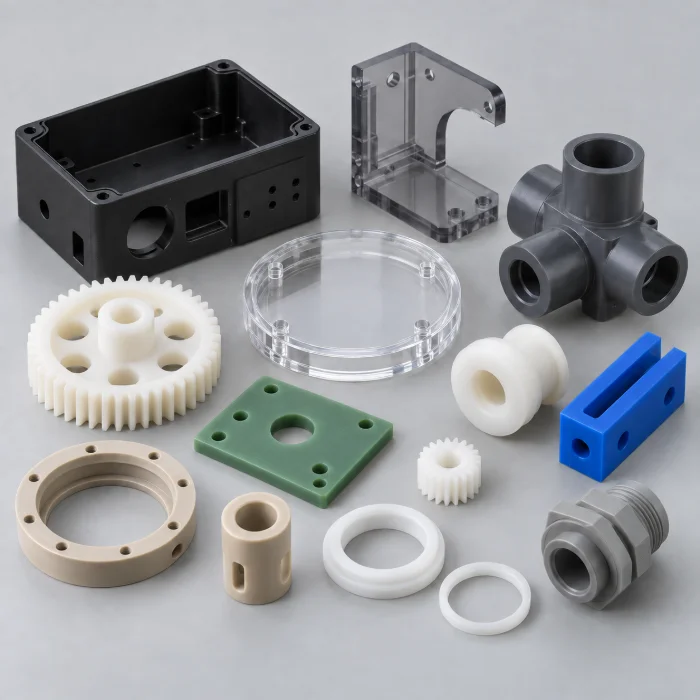
Plastic parts made to your drawing
Custom CNC Plastic Machining
Weldo machines engineering plastics into prototypes and repeat-production parts. We review the exact grade, geometry and critical dimensions before planning milling, turning and inspection.
Choose the right process
When CNC Plastic Machining Makes Sense
Machining removes material from sheet, plate, rod or tube. It is a practical route when the design is still evolving, material performance matters or mold tooling is not justified.
No mold tooling
Build functional prototypes and engineering samples without waiting for a production mold.
Drawing-specific features
Machine bores, pockets, threads and mating surfaces to the requirements that matter in assembly.
Flexible quantities
Use one route for early tests and repeat batches. For stable high volumes, compare total cost with molding.
Selección de materiales
Plastics and Composites for Custom Parts
Choose the exact grade for load, heat, chemicals, wear and dimensional stability. Filler, color and stock form can affect machining and performance.
ABS
Details →Impact-tough ABS suits machined housings, brackets and prototype covers when thin-wall distortion is controlled.
PVC
Chemical-resistant rigid PVC suits valve components, insulating spacers and fluid-handling parts.
POM / Acetal
Details →Low friction and low moisture uptake make POM practical for gears, bushings and precision guides.
PTFE
Details →Low friction and broad chemical resistance suit PTFE seals, valve seats and insulating sleeves, with creep considered under load.
PMMA / Acrílico
Details →Clear PMMA suits viewing windows, light guides and instrument covers when machining and finishing meet the required clarity.
PC / Polycarbonate
Impact-resistant, transparent PC suits protective covers, machine guards and instrument housings.
FR-4
Details →Stiff, electrically insulating glass-epoxy FR-4 suits fixture plates, spacers and electrical test supports.
PA / Nylon
Details →Tough, wear-resistant nylon suits rollers, guide wheels and bushings; moisture uptake matters for close fits.
PE / HDPE
Details →Chemical-resistant, low-friction HDPE suits wear strips, guides and low-load fluid-handling parts.
PEEK
Details →Heat-resistant, strong PEEK suits insulating spacers, bearing components and demanding fixtures.
PP / Polypropylene
Lightweight, chemically resistant PP suits lab fittings, fluid-system parts and process-equipment components.
HIPS
Impact-modified HIPS suits economical covers, panels and prototype housings with modest heat demands.
Diseño para la fabricación
Plastic Needs a Different Cutting Plan
Compared with most metals, many plastics expand more with heat and carry more risk of clamp marks or springback. The machining plan should follow the exact grade and part geometry.
Heat & chip control
Sharp tools and reliable chip evacuation help limit rubbing, melting and edge damage.
Low-stress support
Broad, controlled workholding helps protect thin walls and critical surfaces.
Moisture & stress
Review nylon moisture and stock stress before setting tight dimensional targets.
Defined inspection
Agree on datum, measurement method and condition for critical features.
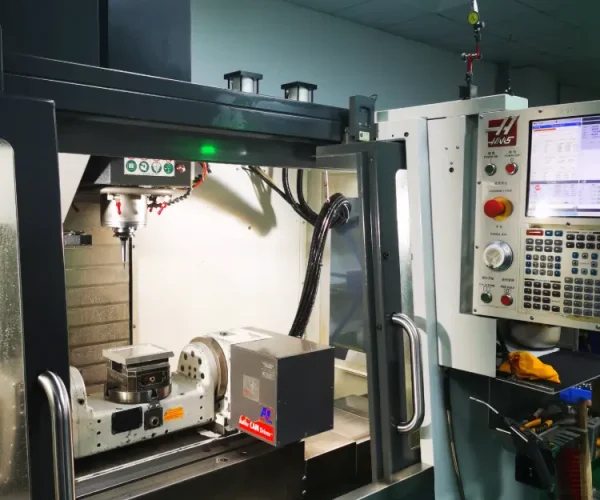
Procesos: Fresado CNC - Torneado CNC
Parts and materials
Plastic Machining Gallery
Browse machined parts and raw stock used for custom plastic projects.


Finish and quality control
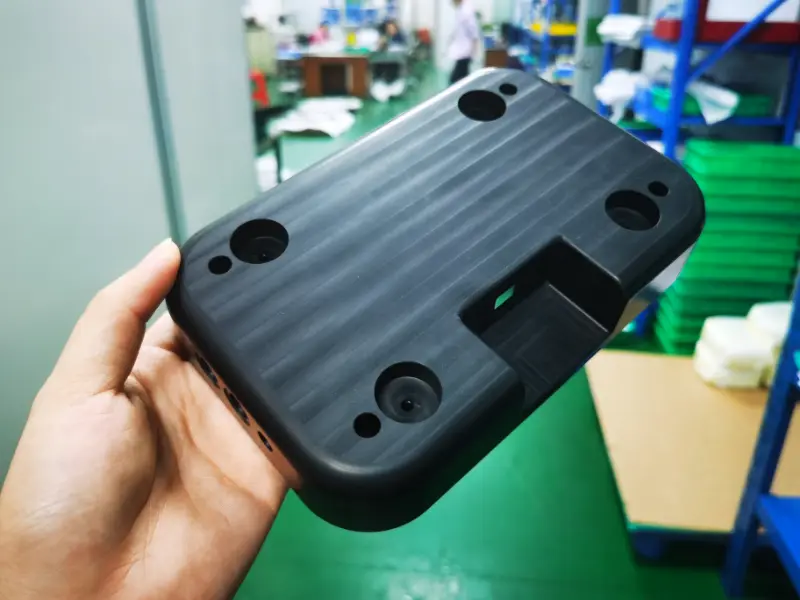
The Finish Must Match the Resin
As-machined surfaces and careful deburring are often enough for functional parts. Polishing, texturing, printing or coating are reviewed against the polymer and the target appearance.
- Confirm critical fits, inspection datums and acceptance conditions from the drawing.
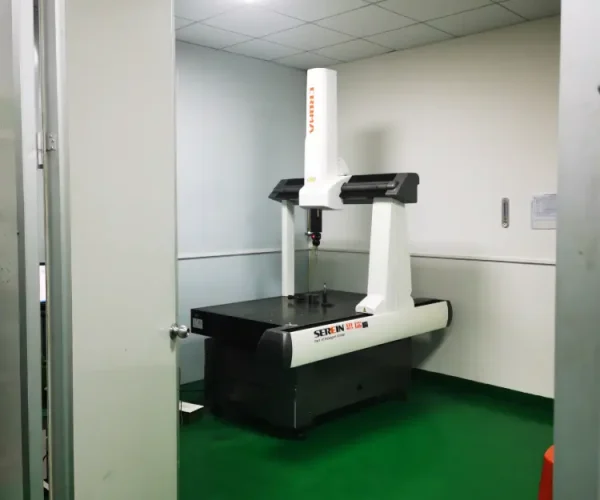
- Use CMM and appropriate gauges for features that need documented checks.
- Request exact resin grade, filler and traceability documents when the application requires them.
- Do not specify metal-only finishes such as anodizing for a plastic substrate.
Project questions
Preguntas frecuentes sobre el mecanizado de plásticos con CNC
Short answers to the questions that affect cost, quality and fit.
What tolerances can CNC-machined plastic parts hold?
There is no universal value. Grade, size, wall thickness, temperature, moisture and inspection method all matter. Mark critical dimensions on the drawing for review.
How can warping be reduced during machining?
Use suitable stock, sharp tools, balanced material removal and low-stress fixturing. For sensitive grades, review stock conditioning or stress relief before finishing.
When is molding more economical than CNC machining?
Machining avoids mold tooling and suits prototypes, revisions and smaller batches. Molding can be more economical once the design and sustained volume justify tooling.
Can a machined plastic part be polished or coated?
Often, but the result is resin-specific. PMMA can be polished toward clarity; coatings on low-surface-energy plastics may need surface preparation and validation.
Start with the drawing
Get a Practical Machining Review
Send the CAD model or drawing with material grade, quantity, critical dimensions and finish requirements. We will review the route and confirm a project-specific quote and lead time.