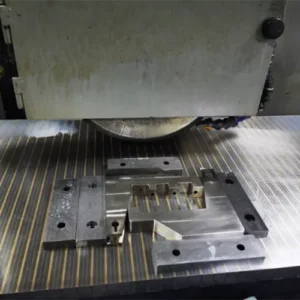
As the demands on modern materials increase, our components need to withstand more demanding industrial environments, thus raising the requirements for component performance, service life, and reliability. In high-performance fluoropolymers, Glass-Filled PTFE Precision Parts have become an ideal solution, especially in applications where pure PTFE cannot meet the requirements for mechanical strength or wear resistance. By reinforcing PTFE with glass fibers, manufacturers can achieve a balanced combination of chemical resistance, dimensional stability, and load-bearing capacity.
This article will introduce our glass fiber reinforced PTFE precision parts in conjunction with relevant information.
What Are Glass-Filled PTFE Precision Parts?
Glass-filled PTFE CNC parts are engineered components manufactured from PTFE resin reinforced with a controlled percentage of glass fibers, typically ranging from 15% to 40%. The addition of glass filler significantly enhances the mechanical properties of PTFE while preserving its inherent advantages such as chemical inertness and low friction.
Compared with virgin PTFE, glass-filled PTFE precision parts exhibit reduced creep, higher compressive strength, and improved wear resistance. These characteristics make them suitable for precision components that operate under continuous load, pressure, or abrasive conditions.

Mechanical Properties of Glass-Filled PTFE Precision Parts
The primary reason engineers choose glass-filled PTFE CNC parts lies in their superior mechanical performance.
Improved Strength and Wear Resistance
Glass fibers increase hardness and abrasion resistance, allowing glass-filled PTFE CNC parts to perform reliably in dynamic sealing and sliding applications.
Reduced Cold Flow and Creep
One of the main limitations of virgin PTFE is cold flow under load. Glass-filled PTFE precision parts significantly reduce deformation, improving dimensional stability over time.
Thermal and Chemical Stability
Like all PTFE-based materials, glass-filled PTFE CNC parts maintain excellent chemical resistance and stable performance across a wide temperature range, typically from -200°C to +260°C.

The following are the mechanical performance parameters of the glass filled ptfe components shown in our images.
| Property | Unit | Typical Value |
|---|---|---|
| Density | g/cm³ | 2.1 – 2.3 |
| Tensile Strength | MPa | 18 – 25 |
| Elongation at Break | % | 200 – 300 |
| Compressive Strength (1% strain) | MPa | 15 – 20 |
| Compressive Strength (10% strain) | MPa | 24 – 30 |
| Flexural Strength | MPa | 20 – 28 |
| Flexural Modulus | MPa | 1,200 – 1,700 |
| Hardness | Shore D | 60 – 65 |
| Continuous Working Temperature | °C | -200 to +260 |
| Thermal Conductivity | W/m·K | 0.35 – 0.45 |
| Linear Thermal Expansion | 10⁻⁵ /K | 8 – 10 |
| Dielectric Strength | kV/mm | 18 – 25 |
| Volume Resistivity | Ω·cm | ≥10¹⁶ |
The performance differences compared to virgin PTFE are as follows:
| Property | Virgin PTFE | Glass-Filled PTFE |
|---|---|---|
| Tensile Strength | 15–20 MPa | 18–25 MPa |
| Compressive Creep | High | Low |
| Wear Resistance | Poor | Good |
| Hardness | Shore D 50–55 | 60–65 |
| Dimensional Stability | Moderate | High |
| Machinability | Excellent | Moderate |
| Chemical Resistance | Excellent | Excellent |
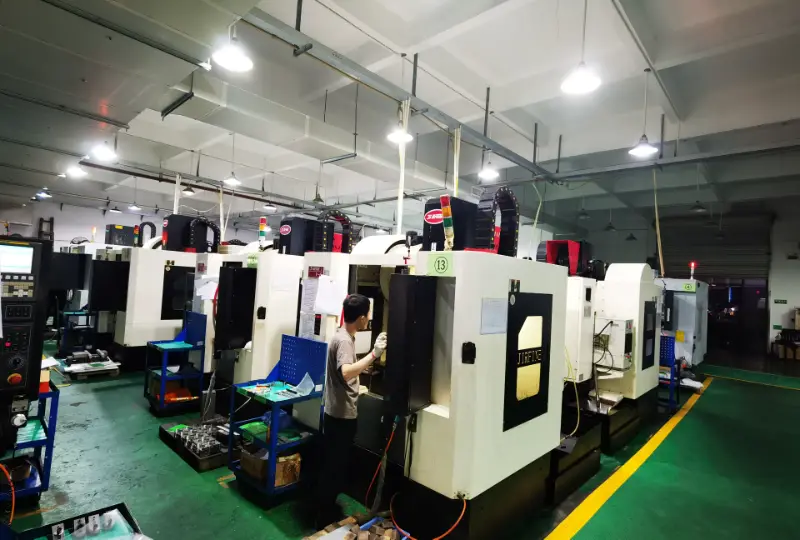
Applications and Components Using Glass-Filled PTFE Precision Parts
Due to their balanced performance profile, glass-filled PTFE precision parts are widely used across multiple industries.
Industrial and Chemical Equipment
- Valve seats and valve seals
- Pump wear rings and bushings
- Gaskets and backup rings
Mechanical and Fluid Handling Systems
- Thrust washers
- Bearing cages
- Slide plates
Electronics and Electrical Systems
- Insulating spacers
- Structural supports requiring chemical resistance
In these applications, glass-filled PTFE precision parts offer longer service life compared with virgin PTFE while maintaining low friction and corrosion resistance.
Machining Considerations for Glass-Filled PTFE Precision Parts
Although PTFE is generally easy to machine, glass-filled PTFE precision parts require more controlled machining practices due to the abrasive nature of glass fibers.
Tool Selection
- Use sharp carbide or PCD cutting tools
- Avoid HSS tools for extended production runs
Cutting Behavior
Glass fibers increase tool wear, making tool geometry and surface finish critical when machining glass-filled PTFE precision parts.

Machining Process for Glass-Filled PTFE Precision Parts
Material Verification and Blank Cutting
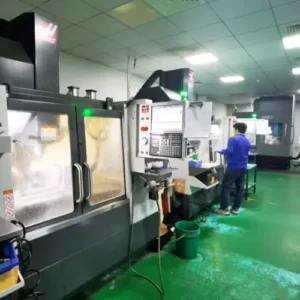
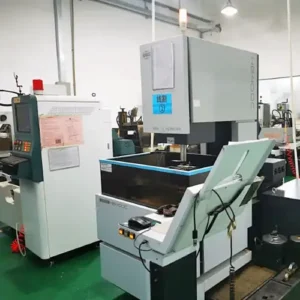
Glass-filled PTFE precision parts are typically produced from rod or sheet stock, with the glass fiber content verified prior to machining. Blank cutting is performed using low-speed band saws or circular saws to prevent heat buildup and material deformation.
CNC Turning
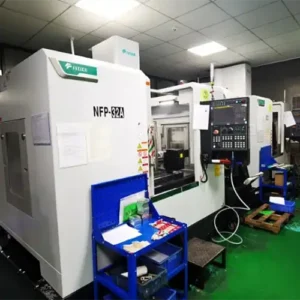
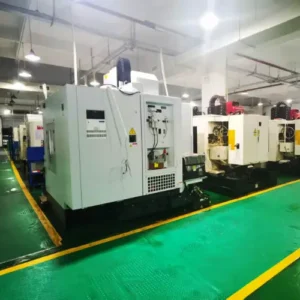
CNC turning is used for axisymmetric glass-filled PTFE precision parts such as bushings and valve seats. Sharp carbide or PCD tools are recommended, with moderate spindle speeds, higher feed rates, and shallow cuts to minimize tool wear caused by glass fibers.
CNC Milling
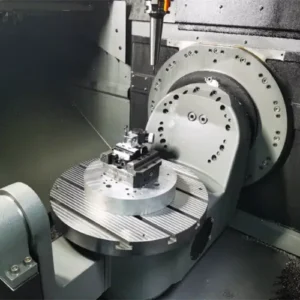
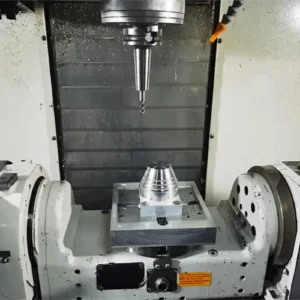
CNC milling is applied to parts with flats, grooves, or complex contours. Wear-resistant end mills are preferred, and intermittent cutting is recommended to reduce fiber pull-out and surface roughness.
Drilling and Tapping
Hole machining typically uses plastic-specific or re-ground drill bits to maintain clean hole walls. For threading, forming taps are recommended to reduce cutting stress and improve dimensional stability.
Finish Machining and Tolerance Control
Finish machining uses light cuts to achieve tight tolerances and consistent surface quality. Stable cutting parameters and tool condition are critical for dimensional accuracy in glass-filled PTFE precision parts.
Deburring and Surface Finishing
Due to glass fiber reinforcement, minor burrs may form along edges and features. Manual deburring or low-pressure pneumatic deburring is commonly used to improve assembly and sealing performance.
Inspection and Packaging
Final inspection verifies dimensions and surface quality against specifications. Glass-filled PTFE precision parts are then cleaned and packaged to prevent contamination and ensure safe delivery.

Machining Challenges and Solutions
Common Machining Difficulties
- Increased tool wear
- Fiber pull-out affecting surface finish
- Heat buildup leading to dimensional deviation
These issues are common when producing glass-filled PTFE precision parts without optimized CNC parameters.
Recommended CNC Machining Parameters
To achieve consistent quality when machining glass-filled PTFE precision parts, the following guidelines are recommended:
- Spindle speed: Moderate (avoid excessive RPM to reduce heat)
- Feed rate: Slightly higher feed to minimize rubbing
- Depth of cut: Light to medium cuts for better surface control
- Cooling: Air cooling or light mist; avoid flood coolant
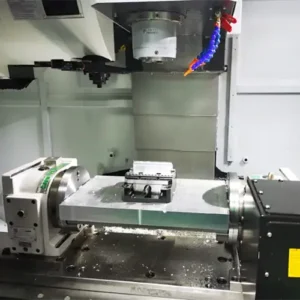
Proper fixturing is also critical to prevent deformation during machining of glass-filled PTFE precision parts.
PTFE Polymer Comparison: Performance and Applications
Selecting the correct PTFE polymer is essential for optimal performance. Below is a comparison of common PTFE variants relative to glass-filled PTFE precision parts.
Virgin PTFE
- Best chemical resistance and lowest friction
- Higher creep and lower wear resistance
- Suitable for seals and gaskets with low mechanical load
Glass-Filled PTFE
- Improved strength and wear resistance
- Reduced creep
- Ideal for glass-filled PTFE precision parts such as bushings and valve components
Carbon-Filled PTFE
- Excellent wear resistance and thermal conductivity
- Suitable for dry-running bearings
Bronze-Filled PTFE
- High load capacity
- Lower chemical resistance
- Used in heavy-duty mechanical components
This comparison highlights why glass-filled PTFE precision parts offer one of the best overall performance-to-cost ratios.

How to Choose the Right PTFE Polymer
When selecting materials for glass-filled PTFE precision parts, consider the following factors:
Load and Pressure
Higher mechanical loads favor glass-filled or bronze-filled PTFE over virgin PTFE.
Wear and Friction Requirements
For sliding applications with moderate wear, glass-filled PTFE precision parts provide excellent durability without sacrificing chemical resistance.
Chemical Exposure
If aggressive chemicals are present, glass-filled PTFE is preferred over metal-filled alternatives.
Machining Complexity
Complex geometries may benefit from lower filler percentages to improve machinability of glass-filled PTFE precision parts.
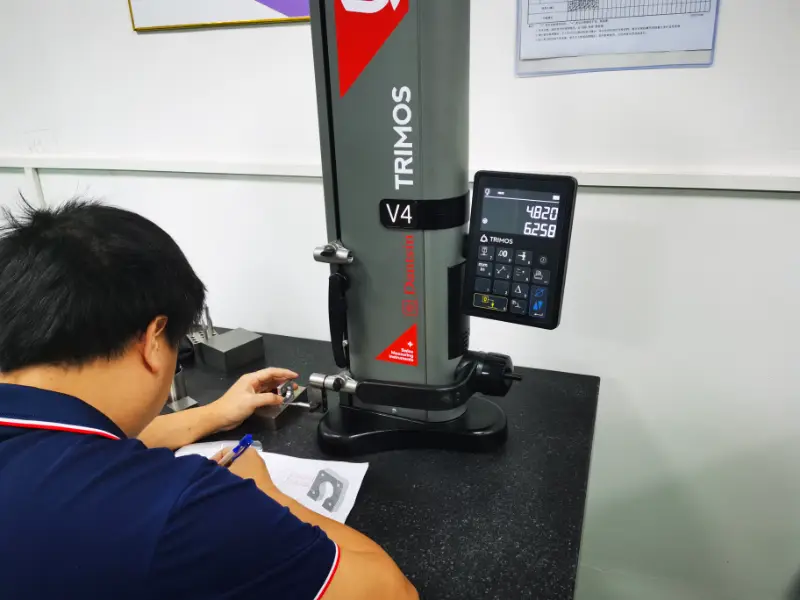
Quality Control for Glass-Filled PTFE Precision Parts
Consistent quality is essential for precision applications. Professional manufacturers implement:
- Dimensional inspection with tight tolerances
- Surface finish verification
- Material traceability and filler content control
These practices ensure glass-filled PTFE precision parts meet design specifications and performance expectations.
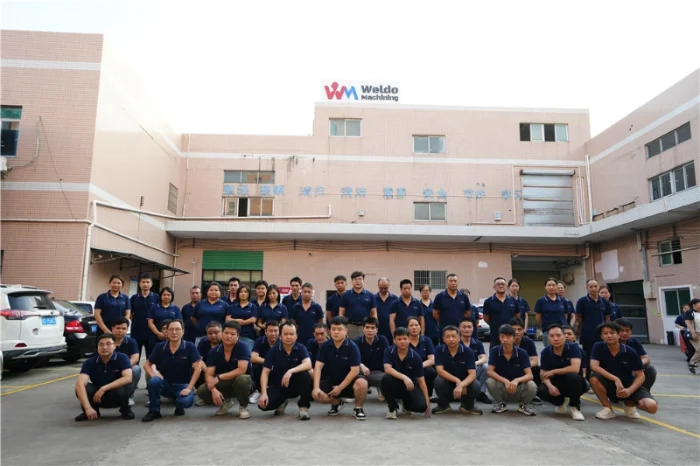
Partner with Weldo Machining for Glass-Filled PTFE Precision Parts
If you are sourcing high-quality glass-filled PTFE precision parts with tight tolerances and consistent performance, Weldo Machining provides expert CNC machining solutions tailored to your application requirements. Our engineering team supports material selection, machining optimization, and quality control to ensure dependable results.
Please feel free to contact with us to discuss your project, request technical support, or receive a competitive quotation.