
In modern healthcare, precision, consistency, and biocompatibility are essential. Medical CNC machining has become a core manufacturing method for surgical tools, diagnostic equipment, dental devices, orthopedic systems, and laboratory engineering components. The ability to create highly accurate parts with tight tolerances and stable performance makes CNC machining one of the most important technologies in the medical sector.
Whether producing prototypes or mass-manufactured medical components, the requirements are strict: smooth surfaces, material traceability, sterilization resistance, and absolute dimensional accuracy. A professional medical cnc machining company applies advanced multi-axis machining, micro-milling, turning, and precision finishing to ensure every part meets the demanding criteria of the cnc machining for medical industry.
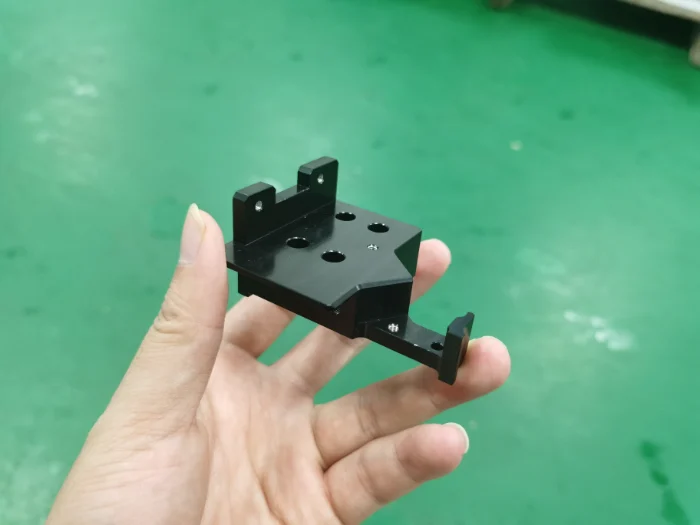
What Makes Medical CNC Machining Essential?
The medical industry relies heavily on CNC machining due to its ability to produce complex geometries with micron-level precision. Medical devices often include miniature channels, threaded sections, mating surfaces, and intricate internal structures—all of which require controlled CNC processes.
Key Advantages
- Consistent tolerances
- Smooth surface finishes for safe handling
- Compatibility with sterilization methods
- Biocompatible metal & plastic materials
- High repeatability from prototype to production
For customized device development, custom medical cnc machining is especially valuable due to the increasing demand for personalized surgical tools and patient-specific engineering solutions.
Medical CNC Machining Materials (Metal Category)
Metal materials remain critical for strength-intensive applications such as surgical instruments and implant-related components. Below are the most commonly used metals in medical cnc machining.
1. Stainless Steel 316L
Core Features
- High corrosion resistance
- Bio-safe for medical contact
- Suitable for repeated sterilization
- Strong and durable for surgical environments
Typical CNC-Machined Medical Components
- Surgical forceps
- Bone screws
- Clamps and brackets
- Precision shafts
- Medical fastening elements
316L is one of the most widely specified materials for surgical-grade machining.
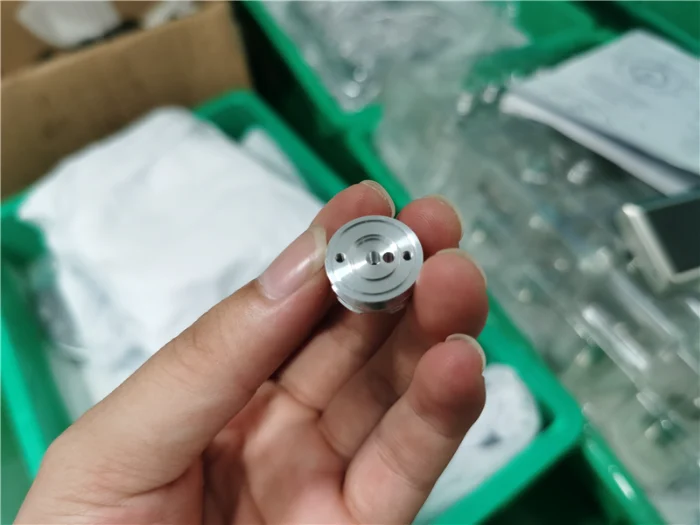
2. Titanium Grade 5 (Ti-6Al-4V)
Core Features
- Exceptional biocompatibility
- Lightweight yet extremely strong
- High fatigue resistance
- Suitable for implants and surgical tools
Typical CNC Applications
- Implant trial components
- Bone plates and pins
- Dental interfaces
- Surgical cutting tools
Titanium is often chosen for custom medical cnc machining requiring the highest performance standards.
3. Aluminum Alloys (6061, 7075)
Core Features
- Lightweight
- Easy to machine
- Cost-efficient
- Ideal for external device structures
Typical Medical CNC Parts
- Diagnostic device housings
- Medical fixture frames
- Equipment brackets
- Portable medical components
Aluminum is used widely in non-implantable medical devices and laboratory systems.
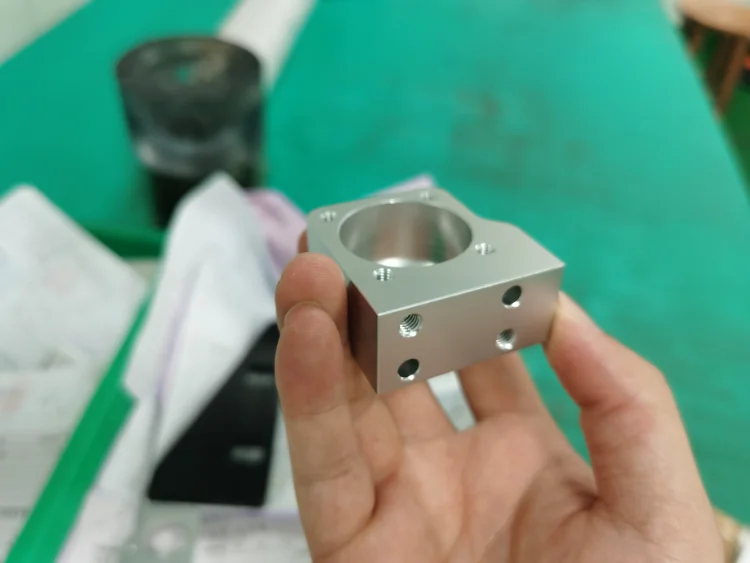
4. Cobalt-Chrome Alloys
Core Features
- Extremely strong
- High wear resistance
- Stable under stress
Common CNC-Machined Components
- Bearing surfaces
- Orthopedic mechanical structures
- Dental prosthetic frameworks
These alloys are preferred for load-bearing or high-wear medical environments.
Medical CNC Machining Materials (Plastic Category)
Plastics play an equally important role in medical engineering due to their light weight, sterilization compatibility, and chemical resistance.
1. PEEK (Polyether Ether Ketone)
Advantages
- Outstanding heat resistance
- High mechanical strength
- Biocompatible
- Autoclave-safe
Typical Medical Uses
- Surgical instrument handles
- Spinal trial components
- High-precision connectors
- Endoscopy device parts
PEEK is considered one of the most advanced plastics in the cnc machining for medical industry.
2. Medical-Grade Delrin (POM-H)
Advantages
- Excellent stiffness
- Low friction
- High dimensional accuracy
Typical CNC Parts
- Device gears
- Guiding mechanisms
- Alignment components
- Positioning blocks
Its machinability makes Delrin a top choice for rapid prototyping.
3. Polycarbonate (PC)
Advantages
- High impact resistance
- Transparent optical quality
- Machinable with clarity
Applications
- Diagnostic windows
- Transparent covers
- Measurement device lenses
PC is especially useful for visualization components in medical devices.
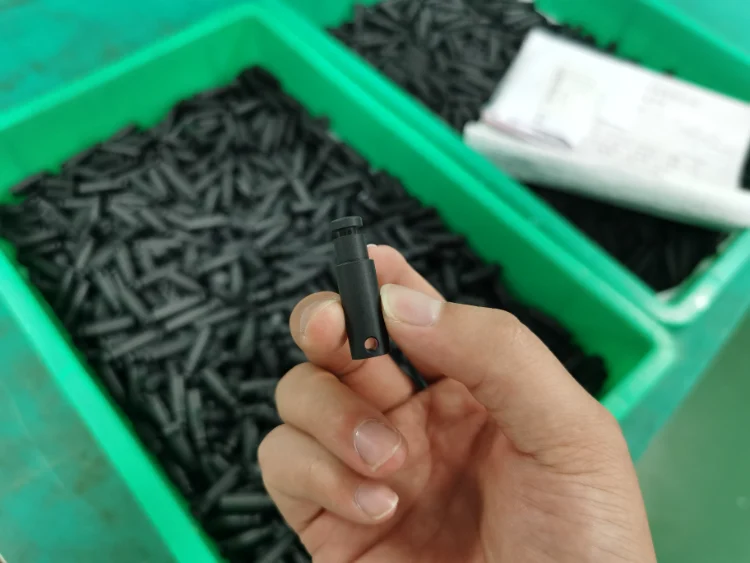
4. PTFE (Teflon)
Advantages
- Chemically inert
- Non-stick surface
- High thermal stability
Medical Uses
- Fluid-handling manifolds
- Gaskets and seals
- Insulating components
5. Ultem (PEI)
Advantages
- High temperature tolerance
- Flame-resistant
- Sterilization friendly
CNC-Machined Applications
- Lighting housings
- Connectors
- Instrument frames
Ultem is widely used in medical lighting and precision instrument systems.
Applications of CNC Machining for Medical Industry
Medical CNC machining supports a wide range of functions across the healthcare sector.
Surgical Tools
- Clamps
- Cutting tools
- Multi-joint instruments
Orthopedics
- Brackets
- Bone screws
- Structural prototypes
Dental Devices
- Implant structures
- Surgical tools
- Intraoral components
Diagnostic Electronics
- Device housings
- Structural frames
- Positioning hardware
Laboratory Components
- Microfluidic parts
- Sample holders
- Precision blocks
These applications show why CNC machining is indispensable for medical innovation.

Benefits of Custom Medical CNC Machining
Precision Manufacturing
Medical components must meet strict geometrical accuracy to ensure safety and functionality.
Material Versatility
Both metal and engineering-grade plastic materials can be precisely machined.
Fast Prototyping and Iteration
CNC machining accelerates R&D, especially in clinical device development.
Sterilization Compatibility
Machined materials withstand:
- Autoclave
- Gamma radiation
- Chemical sterilization
Stable Production Quality
Precision processes ensure repeatability and consistency across batches.

Request Medical CNC Machining Quotes — Weldo Professional Support
As medical devices require reliability, biocompatibility, and precision engineering, selecting the right partner is essential. Weldo provides specialized medical cnc machining services covering metals, engineering plastics, micro-machining, and high-accuracy production. With experience serving global medical device developers, Weldo offers expert engineering support, rapid prototyping, tolerance optimization, and consistent production-quality control.
Whether you need custom surgical instruments, diagnostic housings, titanium orthopedic prototypes, or PEEK medical components, our team can deliver custom medical cnc machining solutions built for performance.
Contact Weldo now to receive medical cnc machining pricing, technical consultation, and detailed manufacturability feedback for your medical device project.
FAQ of medical cnc machining
What is medical CNC machining used for?
It is used to manufacture high-precision tools, orthopedic components, dental parts, diagnostic device structures, and laboratory mechanisms.
Which materials are commonly used in medical CNC machining?
Common metals include titanium, stainless steel, aluminum, and cobalt-chrome. Plastics include PEEK, PC, Delrin, PTFE, and Ultem.
Can CNC machining produce implant-related components?
Yes. Titanium, stainless steel, and PEEK parts can be machined for implant prototypes or performance testing.