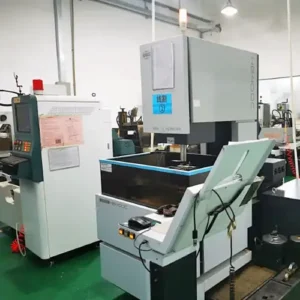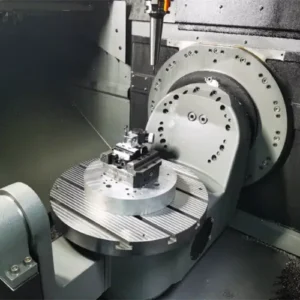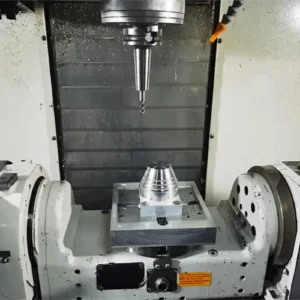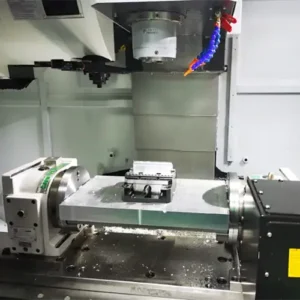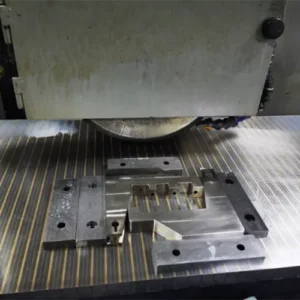
Medical instrument cnc machining plays a critical role in the production of modern medical devices, surgical tools, and diagnostic equipment. Compared with general CNC machining, medical applications require higher precision, stricter quality control, and greater material consistency. This page explains how medical CNC machining works, what services and capabilities professional suppliers should provide, common machining requirements and challenges, and how to select a reliable partner for long-term medical manufacturing projects.
What Is Medical Instrument CNC Machining?
Medical instrument cnc machining refers to the use of CNC milling, CNC turning, and multi-axis machining technologies to manufacture precision components used in medical instruments and devices. These components are often safety-critical and must meet demanding requirements for accuracy, surface finish, and repeatability.
Medical CNC machining is widely applied in:
- Surgical instruments
- Orthopedic and trauma devices
- Diagnostic and imaging equipment
- Laboratory and analytical instruments
A professional medical instrument cnc machining supplier focuses not only on machining accuracy, but also on process stability and quality consistency.
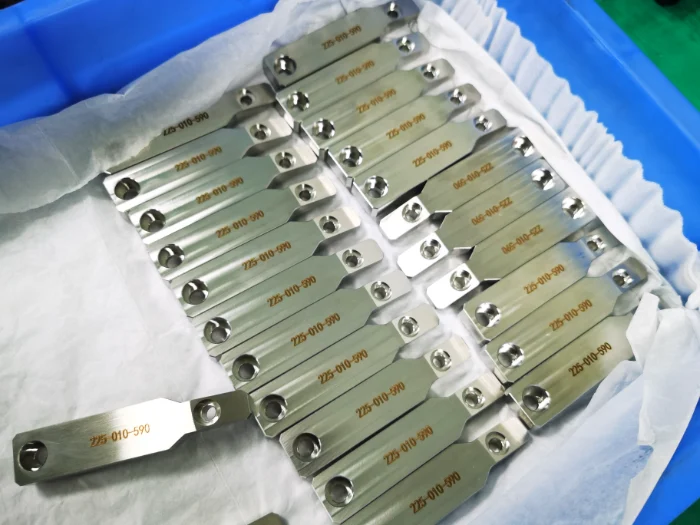
Medical CNC Machining Services and Capabilities
CNC Milling for Medical Instruments
CNC milling is commonly used to machine:
- Instrument housings
- Structural frames
- Complex 3D medical components
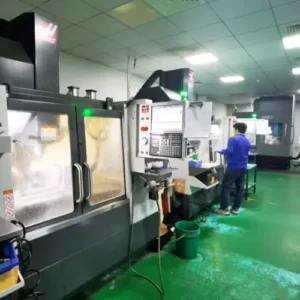
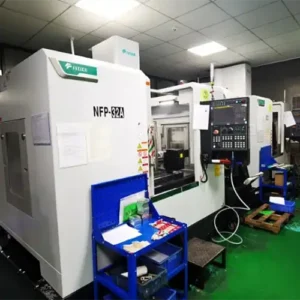
Multi-axis CNC milling allows manufacturers to achieve complex geometries while maintaining tight tolerances.
CNC Turning for Medical Components
CNC turning is essential for:
- Shafts
- Pins
- Cylindrical medical parts
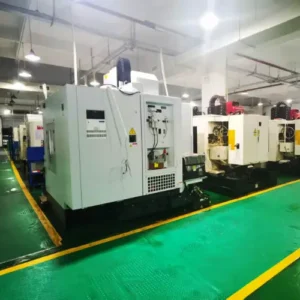
High-precision turning ensures smooth surfaces and consistent dimensions, which are critical in medical instrument cnc machining.
Prototype and Production Machining
Medical CNC machining service providers typically support:
- Rapid prototyping for design validation
- Low-volume pilot production
- Stable batch production
This flexibility is important for medical product development cycles.
Key Requirements in Medical Instrument CNC Machining
Precision and Tolerance Control
Medical components often require:
- Tight tolerances (±0.01 mm or better)
- High dimensional repeatability
- Stable machining processes
Precision is a core expectation of any medical instrument cnc machining operation.
Surface Finish and Edge Quality
Medical instruments frequently demand:
- Smooth, burr-free surfaces
- Controlled surface roughness
- Compatibility with sterilization processes
Surface quality directly affects usability and safety.
Material Consistency
Medical CNC machining commonly involves:
- Stainless steel (304, 316L)
- Aluminum alloys
- Titanium alloys
- Engineering plastics
A reliable medical instrument cnc machining supplier understands how different materials affect machining strategy and tool selection.

Medical Instrument CNC Machining Standards and Quality Expectations
Although regulatory approval is handled by device manufacturers, machining suppliers must align with medical quality expectations, such as:
- ISO 9001 quality systems
- Process documentation and traceability
- First Article Inspection (FAI)
- In-process and final inspection
Strong quality discipline is a defining feature of professional medical instrument cnc machining providers.
Common Medical Instrument CNC Machining Challenges
Small and Complex Part Geometry
Medical components are often small and geometrically complex.
Solution:
- High-precision CNC equipment
- Optimized fixturing
- Multi-step machining strategies
Tight Tolerances Across Batches
Consistency is critical in medical production.
Solution:
- Tool wear monitoring
- Stable process parameters
- Layered inspection systems
Surface Finish and Burr Control
Sharp edges and burrs are unacceptable for medical instruments.
Solution:
- Fine finishing passes
- Secondary deburring processes
- Visual and dimensional inspection
An experienced medical instrument cnc machining supplier integrates these controls into daily production.
Typical Applications of Medical Instrument CNC Machining
Medical CNC machining is commonly used for:
- Surgical tool components (handles, blades, clamps)
- Orthopedic fixation parts
- Diagnostic equipment housings
- Medical device structural components
Each application places different demands on precision, material selection, and finishing quality.
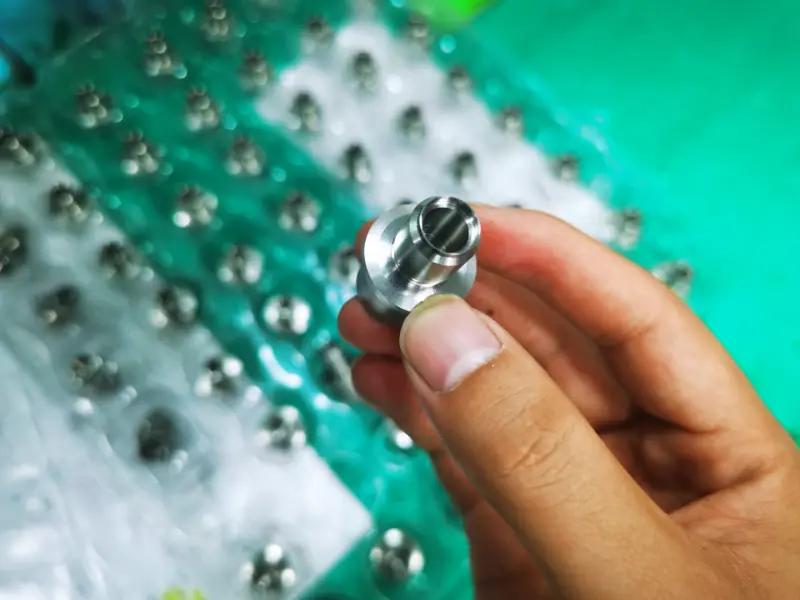
How to Choose a Medical Instrument CNC Machining Partner
When evaluating medical CNC machining suppliers, buyers should consider:
- Experience with medical components
- Capability to hold tight tolerances
- Inspection and documentation processes
- Communication and engineering support
- Ability to scale from prototype to production
A dependable medical instrument cnc machining partner helps reduce risk, rework, and delays.
Medical Instrument CNC Machining and Cost Considerations
Pricing for medical CNC machining depends on:
- Part complexity
- Material type
- Tolerance requirements
- Surface finish
- Production volume
Rather than focusing solely on unit price, medical manufacturers should consider total manufacturing cost, including yield, consistency, and long-term reliability.
Weldo Machining as a Medical CNC Machining Partner
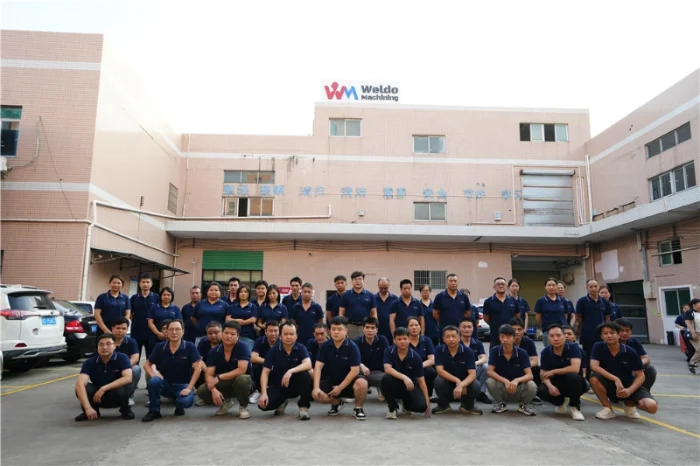
Weldo Machining is a professional CNC machining service provider supporting medical instrument components with an engineering-driven approach.
Weldo Machining offers:
- CNC milling and CNC turning for medical parts
- Experience with stainless steel, aluminum, and titanium
- Support from prototype to batch production
- Emphasis on dimensional accuracy and stable quality
By focusing on process control and clear communication, Weldo Machining supports medical manufacturers seeking consistent and scalable CNC machining solutions.
Conclusion: Reliable Medical Instrument CNC Machining Starts with the Right Partner
Medical instrument cnc machining demands precision, consistency, and disciplined quality control. From surgical tools to diagnostic equipment, medical components must meet strict technical expectations while remaining cost-effective to produce. Choosing an experienced machining partner with proven medical CNC capability helps ensure reliable production and long-term success.
If you are looking for a professional medical CNC machining partner, Weldo Machining is ready to support your project. Contact Weldo Machining to discuss your requirements, receive expert feedback, and request a competitive CNC machining quotation.