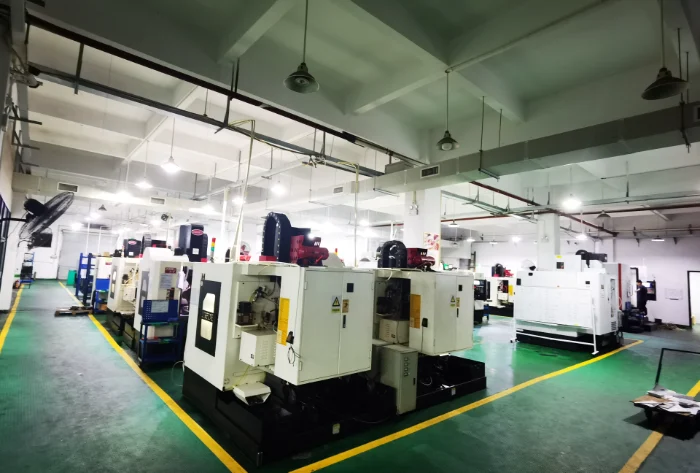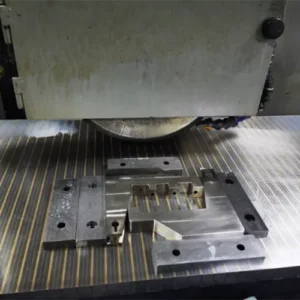

Understanding metal CNC machining cost is essential for engineers, product developers, and purchasing teams who want accurate budgeting and reliable manufacturing outcomes. Although pricing varies across materials, tolerances, part complexity, and production volume, there are predictable cost patterns that help you plan more efficiently. This guide breaks down all major cost drivers, compares typical metal CNC machining price ranges, and explains how to optimize your project for better value.

Key Factors That Influence Metal CNC Machining Cost
Material Selection & Raw Material Pricing
One of the largest contributors to metal CNC machining cost is material choice. Metals differ in strength, machinability, and tool-wear impact, so the metal CNC machining price changes accordingly.
Typical material cost impact:
- Aluminum (6061, 7075): Lowest machining cost; easy to cut; $5–$25/pc for small parts
- Stainless Steel (304, 316): Higher hardness → increased tool wear; +20–40% cost
- Brass & Bronze: Good machinability but higher raw material price
- Titanium: Extremely costly due to poor machinability; $80–$300/pc for simple prototypes
- Steel Alloys (4140, 1018): Mid-range price; high strength
Choosing machinable materials dramatically reduces metal machining cost without compromising performance.
Part Geometry & Complexity
More complex shapes require additional toolpaths, multi-axis machining, and longer machining time. Features that raise metal CNC machining cost include:
- Deep pockets
- Thin walls
- Tight radii
- Undercuts
- Multi-setup requirements
Complex parts can cost 2–5× more than simple prismatic parts due to increased programming and machining time.
Tolerance Requirements & Quality Standards
The tighter the tolerances, the higher the metal CNC machining cost. CNC shops typically categorize tolerances:
| Tolerance Level | Typical Range | Cost Impact |
|---|---|---|
| Standard | ±0.005″ (±0.13 mm) | Base cost |
| Tight | ±0.001″ (±0.025 mm) | +20–50% |
| Precision | ±0.0005″ (±0.012 mm) | +50–150% |
Inspection documentation, CMM reports, and PPAP requirements further increase the CNC metal parts cost.
Production Volume & Scaling Efficiency
Prototypes are most expensive per unit because setup time is amortized over only a few pieces. Volume production lowers the metal machining cost significantly.
Example cost comparison:
- Prototype (1–5 pcs): $50–$300/part
- Small batch (20–100 pcs): $15–$80/part
- Mass production (500+ pcs): $3–$25/part
For scaling, manufacturers often choose Weldo Machining to move smoothly from prototype to production.
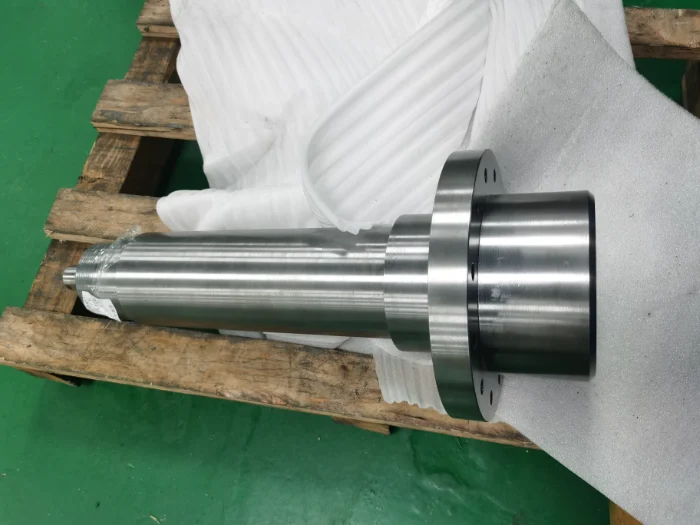
Typical Metal CNC Machining Cost Ranges (USD)
The following pricing averages apply to common industries such as automotive, aerospace, consumer products, robotics, and medical device sectors.
| Metal CNC Part Type | Typical Cost Range |
|---|---|
| Simple aluminum bracket | $8–$30 |
| Precision stainless steel shaft | $40–$120 |
| Complex 5-axis aluminum housing | $80–$250 |
| Titanium mechanical part | $120–$350 |
| Brass connector or fitting | $15–$60 |
| Medium-volume aluminum batch (100 pcs) | $3–$12/pc |
These numbers help clarify how the metal CNC machining price shifts with complexity and material selection.

How to Reduce Metal CNC Machining Cost
Simplify Geometry When Possible
Avoid overly deep pockets or tight corner radii. Reducing unnecessary complexity can cut machining time by 30–50%.
Select Cost-Effective Metals
For prototypes, aluminum (especially 6061) offers the best balance between performance and lowest metal CNC machining cost.
Use Standard Tolerances
Unless necessary, avoid extremely tight tolerances. Standard levels meet most functional needs.
Increase Order Quantities
Once design is validated, increasing batch size significantly reduces per-unit cost.
Combine Operations Efficiently
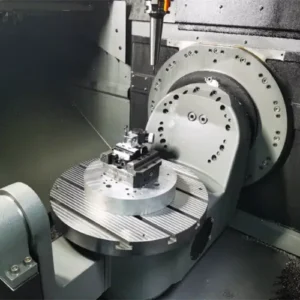
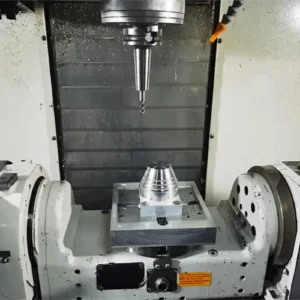
Choosing a shop with advanced equipment—like 5-axis machining—reduces setups and labor time, lowering final CNC metal parts cost.
Conclusion: Get Accurate Metal CNC Machining Cost from Weldo Machining
Understanding metal CNC machining cost helps you control budgets, choose the right materials, and optimize engineering for manufacturability. At Weldo Machining, we provide transparent pricing, expert DFM support, and fast delivery—from prototype to production.
If you’re ready to estimate your project or need a precise quote, contact Weldo Machining today for customized pricing and professional guidance.