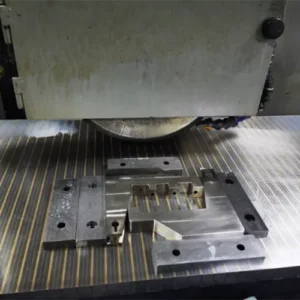
Rapid CNC machining cost is one of the most critical considerations during product development, prototyping, and short-run production. Understanding CNC machining cost across different materials allows engineers and purchasing teams to balance speed, performance, and budget without sacrificing quality.
This article explains how CNC machining cost varies by material, typical price ranges, surface finishing expenses, and proven methods to reduce CNC machining cost through process optimization.

What Determines Rapid CNC Machining Cost?
Rapid CNC machining cost is driven by a combination of material properties, machining time, tooling wear, and finishing requirements. Unlike mass production, rapid machining prioritizes speed, which makes cost control especially dependent on efficient process planning.
Key factors affecting CNC machining cost include:
- Material machinability
- Cutting time and cycle efficiency
- Tool consumption
- Tolerance and surface finish requirements
- Secondary and surface treatment processes
Rapid CNC Machining Cost by Material Type
Different materials respond very differently to rapid CNC machining. Below are typical cost ranges for common materials used in rapid CNC machining, based on prototype and low-volume production.
Aluminum Alloys (6061, 7075)
Rapid CNC Machining Cost Range
- Machining: $30–80 per part (small to medium parts)
- Aluminum is the most cost-efficient option for CNC machining cost control.
Surface Finishing Costs
- Anodizing: $1–3 per part
- Bead blasting: $0.5–1.5 per part
Cost Characteristics
- Excellent machinability
- High cutting speeds reduce cycle time
- Low tool wear
Aluminum offers the lowest rapid CNC machining cost for functional prototypes and enclosures.
Stainless Steel (304, 316, 17-4PH)
Rapid CNC Machining Cost Range
- Machining: $60–180 per part
Surface Finishing Costs
- Passivation: $2–5 per part
- Electropolishing: $5–12 per part
Cost Characteristics
- Longer machining time due to work hardening
- Higher tool wear
- Slower feeds and speeds increase CNC machining cost
Stainless steel delivers strength and corrosion resistance but increases CNC machining cost compared to aluminum.
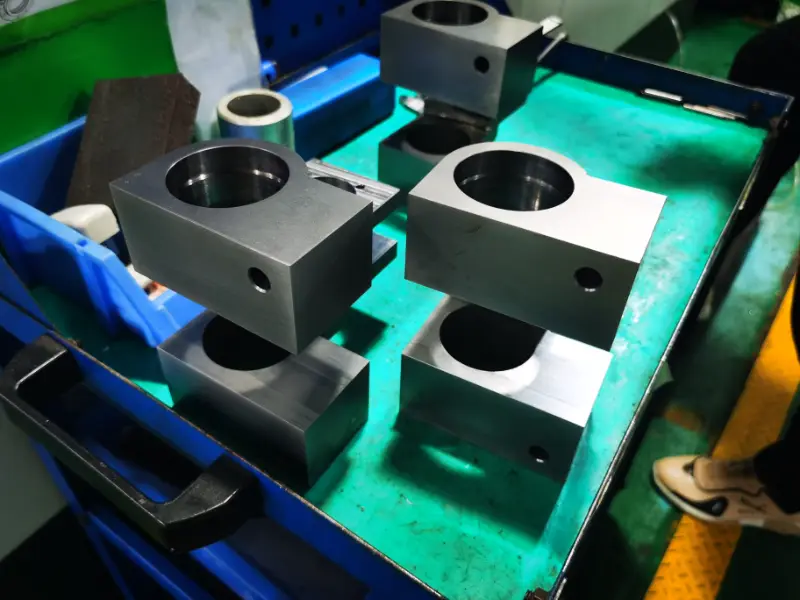
Carbon Steel and Alloy Steel
Rapid CNC Machining Cost Range
- Machining: $50–140 per part
Surface Finishing Costs
- Black oxide: $1–3 per part
- Zinc plating: $2–5 per part
Cost Characteristics
- Good machinability
- Moderate cutting speed
- Lower material cost than stainless steel
Steel offers a balanced CNC machining cost for structural and load-bearing components.
Brass and Copper Alloys
Rapid CNC Machining Cost Range
- Machining: $70–160 per part
Surface Finishing Costs
- Polishing: $2–6 per part
- Nickel plating: $3–8 per part
Cost Characteristics
- Excellent machinability
- Higher raw material cost
- Minimal finishing required for many applications
Despite higher material prices, machining efficiency helps control CNC machining cost.
Titanium Alloys (Ti-6Al-4V)
Rapid CNC Machining Cost Range
- Machining: $120–350 per part
Surface Finishing Costs
- Bead blasting: $2–5 per part
- Anodizing (titanium): $4–10 per part
Cost Characteristics
- Low thermal conductivity
- Slow cutting speeds
- High tool wear significantly increases CNC machining cost
Titanium is one of the most expensive materials in rapid CNC machining.
Engineering Plastics (ABS, POM, Nylon, PEEK)
Rapid CNC Machining Cost Range
- ABS / POM / Nylon: $25–70 per part
- PEEK: $90–220 per part
Surface Finishing Costs
- Vapor polishing (ABS): $2–5 per part
- No finish required for many plastic parts
Cost Characteristics
- Fast machining speeds
- Minimal tool wear
- PEEK significantly increases rapid CNC machining cost due to material price
Plastics offer competitive CNC machining cost for lightweight and non-metal parts.
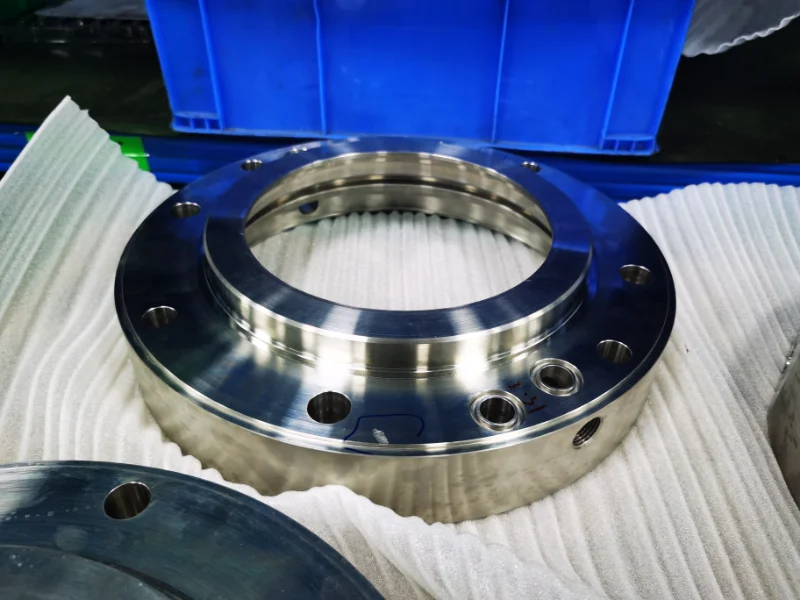
Surface Finishing Impact on Rapid CNC Machining Cost
Surface treatments can represent 10–30% of total CNC machining cost depending on the material and specification.
Common finishes include:
- Anodizing (aluminum)
- Passivation and electropolishing (stainless steel)
- Plating (steel and brass)
- Bead blasting and polishing
Choosing functional rather than cosmetic finishes helps reduce CNC machining cost.
How to Reduce Rapid CNC Machining Cost Through Process Optimization
Lowering rapid CNC machining cost does not require sacrificing speed. Instead, cost reduction comes from simplifying and optimizing production workflows.
Design Simplification
Cost Reduction Impact: 10–25%
- Reduce tight tolerances where unnecessary
- Avoid deep pockets and thin walls
- Standardize hole sizes and threads
Simplified geometry directly lowers rapid CNC machining cost.
Process Consolidation
Cost Reduction Impact: 15–30%
- Combine milling and turning in one setup
- Use multi-axis machining to reduce repositioning
- Eliminate unnecessary secondary operations
Fewer setups significantly reduce rapid CNC machining cost.
Material Selection Optimization
Cost Reduction Impact: 20–40%
- Use aluminum instead of stainless steel when possible
- Replace titanium with 17-4PH for non-critical loads
- Choose machinable plastics over metals
Smart material substitution is one of the fastest ways to reduce rapid CNC machining cost.
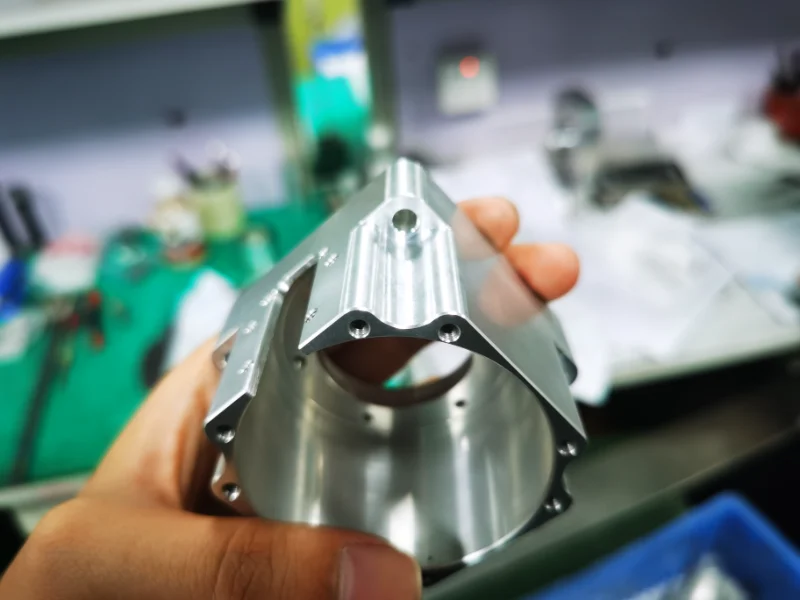
Batch Planning for Rapid Jobs
Cost Reduction Impact: 10–20%
- Group similar parts together
- Share tooling and fixtures
- Reduce programming repetition
Even small batch optimization lowers rapid CNC machining cost.
Real Cost Optimization Example
A prototype bracket initially specified in 316 stainless steel was redesigned in 6061 aluminum with anodizing. By simplifying tolerances and consolidating milling operations, rapid CNC machining cost was reduced by 42%, while lead time dropped from 7 days to 3 days.
Conclusion
Rapid CNC machining cost varies significantly by material, surface finish, and process complexity. Aluminum and common plastics offer the lowest CNC machining cost, while stainless steel and titanium increase cost due to longer machining time and tool wear. By simplifying designs, optimizing materials, and consolidating machining steps, companies can effectively control CNC machining cost without compromising speed or quality.
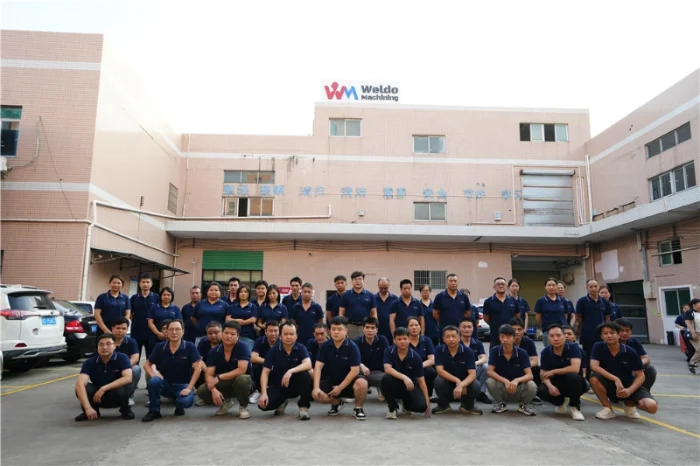
For accurate rapid CNC machining cost evaluation, early collaboration and process planning are essential. Weldo Machining provides engineering support, material guidance, and efficient rapid CNC machining solutions. Contact Weldo Machining to discuss your project requirements and receive a customized quotation based on your timeline and budget.