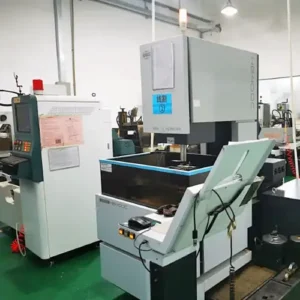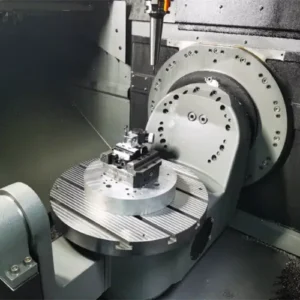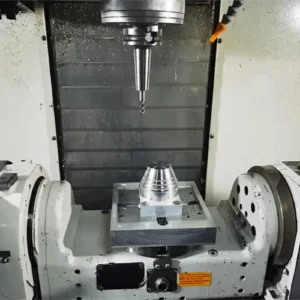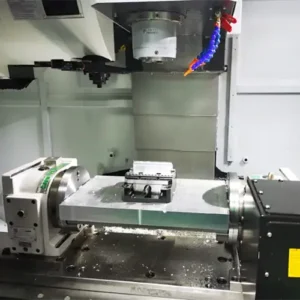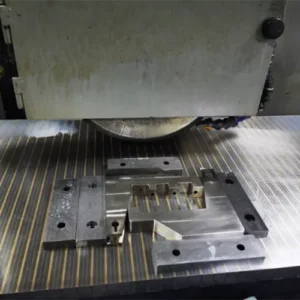
Understanding semiconductor CNC machining cost is essential for companies sourcing high-precision components for semiconductor equipment. Pricing is influenced by material selection, tolerance requirements, surface finishing, cleanliness standards, and production volume. This guide explains how semiconductor CNC machining cost is structured and how buyers can control total manufacturing expense.
What Is Semiconductor CNC Machining Cost
Semiconductor CNC machining pricing refers to the total manufacturing expense required to produce precision CNC machined parts used in semiconductor equipment and systems. Unlike general CNC work, semiconductor machining emphasizes ultra-precision, contamination control, and repeatability, all of which affect pricing.
Typical cost elements include:
- Precision CNC machine time
- Material and waste ratio
- Inspection and measurement processes
- Surface treatment and cleaning
- Packaging and handling requirements
A clear understanding of semiconductor CNC machining cost helps buyers evaluate quotations more accurately.

Semiconductor CNC Machining Applications and Components
The application scope directly influences semiconductor CNC machining cost due to varying precision and cleanliness demands.
Common Semiconductor CNC Machined Components
Typical components include:
- Vacuum chambers and chamber covers
- Wafer chucks, carriers, and alignment plates
- Precision frames and mounting bases
- Gas distribution plates and manifolds
- Valve bodies and flow control components
- Engineering plastic parts (PEEK, PTFE, POM)
Each component category has different cost sensitivity depending on size, geometry, and tolerance level.
Materials and Their Impact on Semiconductor CNC Machining Cost
Material selection is a major driver of semiconductor CNC machining cost.
Commonly Used Materials
- Aluminum alloys (6061, 7075, high-purity aluminum)
Most cost-efficient for precision machining with good thermal stability. - Stainless steel (304, 316L)
Higher machining cost due to hardness and longer cycle times. - Engineering plastics (PEEK, PTFE, POM)
High raw material cost but lower tool wear in some applications.
Material choice can change semiconductor CNC machining pricing by 20%–60% depending on machining complexity.
Surface Finishing Options and Price Ranges
Surface finishing is essential in semiconductor applications and directly affects semiconductor CNC machining cost.
Common Surface Treatments
- Anodizing (Type II / Type III)
Cost impact: +USD 5–30 per part
Improves corrosion resistance and surface stability. - Electropolishing
Cost impact: +USD 20–60 per part
Enhances surface smoothness and cleanliness. - Passivation
Cost impact: +USD 10–40 per part
Common for stainless steel components. - Precision Cleaning / Ultrasonic Cleaning
Cost impact: +USD 5–25 per part
Required for contamination control.
Surface treatment can represent 10%–35% of total semiconductor CNC machining cost.

Tolerance Levels and Precision Cost Impact
Tolerance requirements are one of the most critical cost drivers in semiconductor CNC machining.
Typical Precision Grades
- ±0.05 mm: Standard structural parts
- ±0.02 mm: Precision interfaces
- ±0.01 mm or tighter: Critical semiconductor components
Tighter tolerances increase machining time, inspection cost, and scrap risk, significantly raising semiconductor CNC machining cost.
Semiconductor CNC Machining Cost Breakdown
Understanding cost structure helps compare suppliers objectively.
Typical Price Ranges (Reference)
- Small precision parts: USD 50–150 per piece
- Medium complexity components: USD 150–400 per piece
- Large or high-precision parts: USD 400–1,200+ per piece
These ranges vary based on material, tolerance, and surface treatment.
Key Factors Affecting Semiconductor CNC Machining Cost
Several variables influence final pricing.
Major Cost Drivers
- Part geometry and complexity
- Material removal volume
- Tolerance and surface finish requirements
- Cleanliness and inspection standards
- Order quantity and repeatability
Among these, tolerance and cleanliness typically have the highest impact on semiconductor CNC machining cost.

How to Reduce Semiconductor CNC Machining Cost
Cost optimization is possible without compromising quality.
Practical Cost Reduction Strategies
- Simplify part design and avoid unnecessary tight tolerances
- Use aluminum instead of stainless steel where feasible
- Standardize surface treatments across multiple parts
- Increase order volume to reduce setup cost per unit
- Separate critical and non-critical features in tolerance allocation
These measures can reduce semiconductor CNC machining cost by 15%–30% over time.
Prototype vs Production Cost Comparison
Understanding production stage differences is important.
- Prototype machining
Higher unit cost due to setup, programming, and low volume. - Low-volume production
Partial cost optimization with limited repeatability. - Batch and repeat production
Lowest unit semiconductor CNC machining cost due to stable processes.
Choosing a Cost-Effective Semiconductor CNC Machining Supplier
A qualified supplier helps control semiconductor CNC machining cost long term.
Key selection criteria:
- Semiconductor industry experience
- Precision inspection capability
- Clean machining and packaging processes
- Transparent pricing and engineering support
Supplier capability directly affects yield and rework cost.
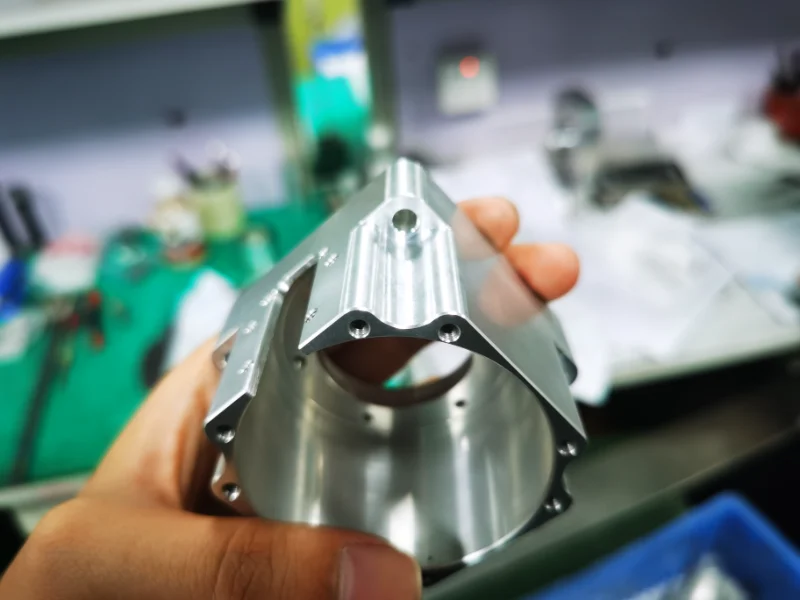
Long-Term Cost Stability in Semiconductor CNC Machining
Long-term partnerships help stabilize semiconductor CNC machining cost by:
- Reducing qualification cycles
- Improving repeat-order efficiency
- Minimizing quality deviations
Strategic supplier selection is as important as unit price.
Final Thoughts on Semiconductor CNC Machining Cost
Managing semiconductor CNC machining cost requires balancing precision, cleanliness, and manufacturability. By understanding cost drivers and working with an experienced manufacturer, companies can achieve stable pricing and consistent quality.
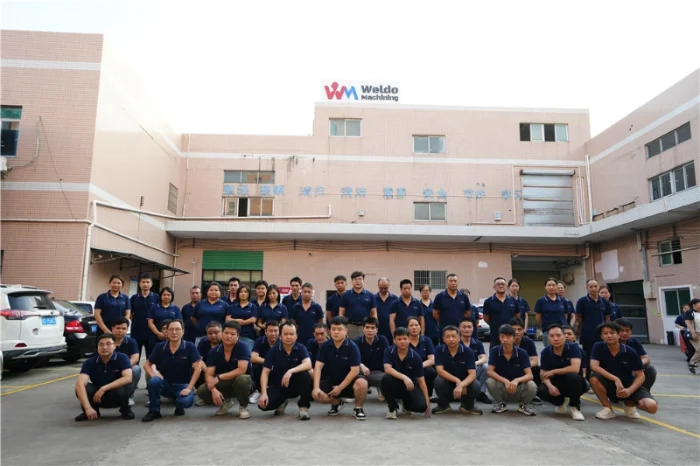
If you are looking to optimize semiconductor CNC machining pricing while maintaining strict quality standards, Weldo Machining provides precision CNC machining solutions tailored for semiconductor applications. Contact us today to receive a detailed cost evaluation and competitive quotation.