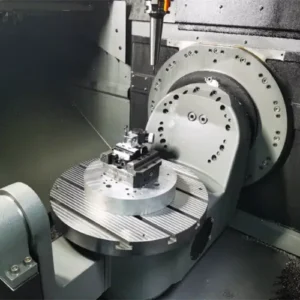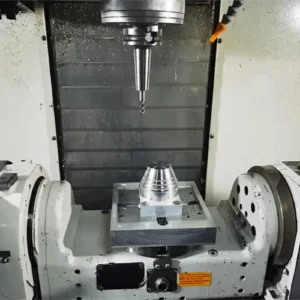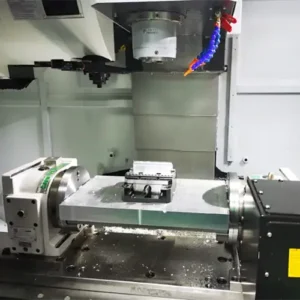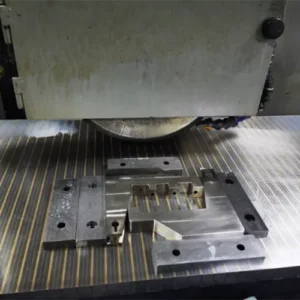
Understanding small batch cnc machining cost is essential for companies developing prototypes, custom parts, or limited-volume production without investing in expensive tooling. Small batch CNC machining is flexible, cost-efficient, and ideal for fast engineering validation. However, cost varies significantly depending on materials, tolerances, design complexity, and supplier capabilities. This article provides a detailed guide to material price ranges, cost-saving strategies, and how to choose the right CNC partner.
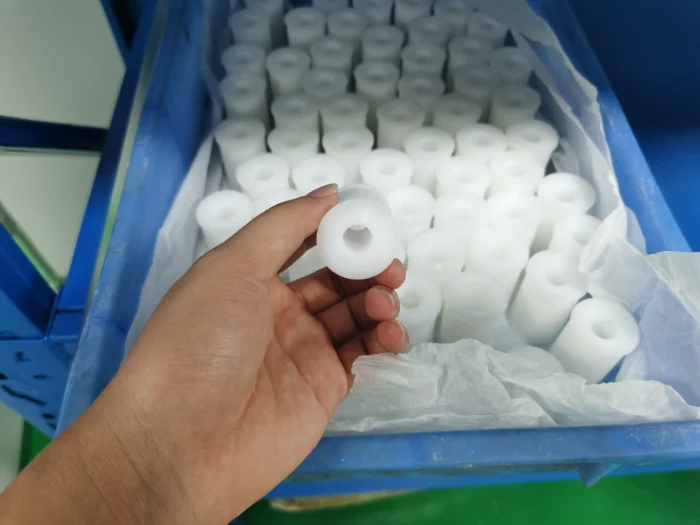
What Influences Small Batch CNC Machining Cost?
The small batch cnc machining cost is shaped by various factors, including design geometry, machining time, and the type of material used. Unlike mass production, small-batch work requires flexible setup, frequent tool changes, and precision adjustments, which can impact overall pricing.
Key Cost Drivers
- Material type (metal vs. plastic)
- Tolerances required
- Machining time and tool wear
- Quantity (smaller batches cost more per unit)
- Surface finishing requirements
- Supplier skill level & equipment
A professional small batch cnc machining supplier helps optimize these factors to reduce unnecessary cost.
Small Batch CNC Machining Cost for Different Materials
Below is a breakdown of cost ranges for the most common materials used in small batch production, divided into metals and plastics.
Metal Material Costs in Small Batch CNC Machining
Metal typically requires more machining time and higher tool wear, directly affecting small batch cnc machining cost.
1. Aluminum (6061, 7075, 5052, 6082)
Cost Range
- $20–$120 per part depending on geometry
Why
- Highly machinable
- Low tool wear
- Common for prototypes and functional parts
2. Stainless Steel (304, 316, 420)
Cost Range
- $50–$200 per part
Why
- Harder to machine
- Requires slow feed and coolant
- Surface finishing may add cost
3. Carbon Steel (1018, 1045)
Cost Range
- $40–$150 per part
Why
- Good machinability but higher tool stress
- Often used for automotive and mechanical parts
4. Brass & Bronze
Cost Range
- $30–$180 per part
Why
- Smooth machining
- Popular for bushings, inserts, precision hardware

Plastic Material Costs in Small Batch CNC Machining
Plastics require less machining power and often reduce small batch cnc machining cost.
1. POM / Delrin
Cost Range
- $10–$80 per part
Features
- Excellent stability
- Low friction
- Ideal for gears, rollers, fixtures
2. ABS
Cost Range
- $10–$60 per part
Features
- Economical
- Easy to machine
- Perfect for prototypes and housings
3. Nylon
Cost Range
- $15–$90 per part
Features
- Flexible
- Wear-resistant
4. High-Performance Plastics (PEEK, PTFE, PPS)
Cost Range
- $50–$250+ per part
Features
- High temperature resistance
- Chemical stability
- Used in aerospace, semiconductor, and medical devices

Tolerance Levels & Their Impact on Small Batch CNC Machining Cost
Tolerance requirements significantly impact the small batch cnc machining cost, especially for precision parts.
Supported Tolerances
Standard Tolerance — ±0.05 mm
- Suitable for most structural components
- Lowest machining cost
Precision Tolerance — ±0.02 mm
- Requires slower cutting and more inspection
- Medium cost
High-End Precision — ±0.01 mm
- For aerospace, medical, and semiconductor parts
- Highest machining cost due to multi-step finishing
Maximum and Minimum Machining Sizes for Small Batch CNC Projects
Understanding size limits helps control cost and ensures compatibility with manufacturing capabilities.
Milling Capacity
- Up to 600 × 400 × 180 mm
Turning Capacity
- Outer diameter: Ø 400 mm
- Inner diameter: Ø 350 mm
Minimum Features
- Micro-holes: Ø 1.0–1.5 mm
- Thin walls: 0.8 mm, depending on geometry
These capabilities vary by small batch cnc machining factory, so it is important to verify before ordering.
Machining Services That Affect Cost
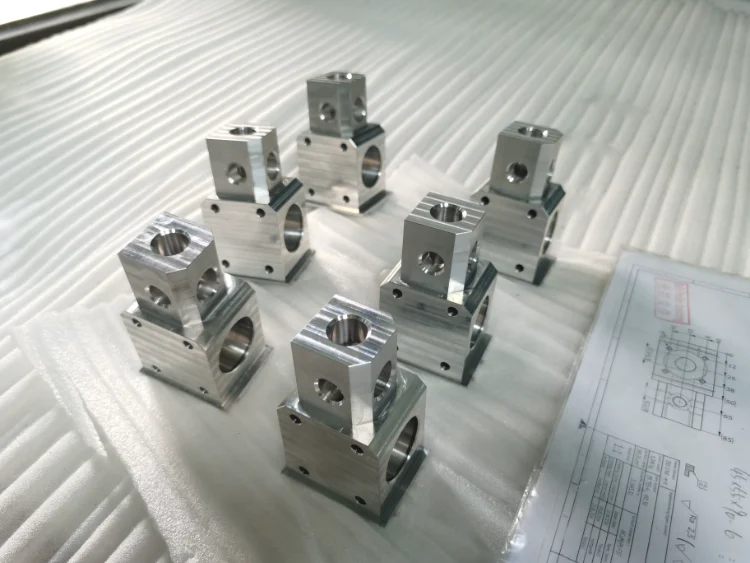
Small batch CNC machining includes multiple operations. Choosing only necessary services reduces cost.
Common Machining Operations
- CNC milling
- CNC turning
- Pocketing, slotting, and contouring
- Drilling & deep-hole boring
- Tapping & thread milling (metric, UNC/UNF)
- Surface finishing (anodizing, bead blasting, polishing)
The more complex the machining path, the higher the small batch cnc machining cost.
How to Reduce Small Batch CNC Machining Cost
Below are practical strategies that significantly reduce total expenses without compromising quality.
1. Simplify Part Geometry
Avoid unnecessary pockets, undercuts, or extremely tight radii.
2. Choose Appropriate Tolerances
Do not apply ±0.01 mm where ±0.05 mm is sufficient.
3. Pick Materials That Fit Functional Requirements
For example:
- Use aluminum instead of stainless steel when possible
- Use POM instead of PEEK for non-high-temperature applications
4. Increase Quantity Slightly
Even moving from 1 piece to 5–10 pieces dramatically reduces cost due to shared setup time.
5. Provide Clear Drawings
Complete 2D + 3D drawings reduce engineering time and avoid rework.
6. Avoid Over-Specified Surface Finishes
Only request finish types essential for function or appearance.

How to Choose the Right Small Batch CNC Machining Supplier
Picking the right supplier is as important as the design itself.
Key Supplier Selection Criteria
- Proven experience in small-batch production
- Ability to hold ±0.01–0.05 mm tolerances
- Wide material support (metals & plastics)
- Fast communication and engineering feedback
- Transparent pricing & inspection reports
- Flexible machining capacity
A trusted small batch cnc machining supplier improves efficiency and reduces cost.
Request Small Batch CNC Machining Cost — Contact Weldo Machining
When you need high-precision small batch production with competitive pricing, a reliable partner is essential.
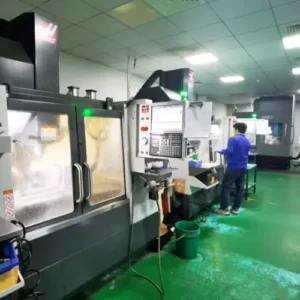
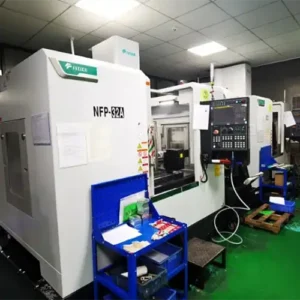
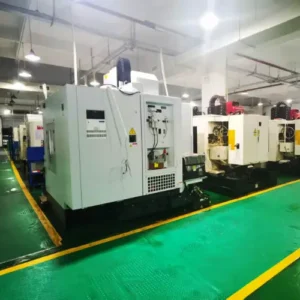
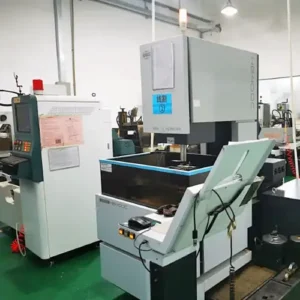
Weldo Machining specializes in small batch CNC machining with tight tolerances, multi-material capabilities, advanced inspection systems, and fast delivery.
Contact us today for accurate pricing and expert guidance on your next small batch CNC machining project.

FAQ of small batch cnc machining cost
What is the average small batch CNC machining cost?
General parts range from $20–$200 per unit depending on material, tolerance, and machining complexity.
Which materials cost more to machine in small batches?
Stainless steel, carbon steel, and PEEK are more expensive due to higher tool wear and slower machining speeds.
How can I reduce my CNC machining cost for small batches?
Simplify geometry, choose suitable tolerances, increase quantity slightly, and provide complete drawings.