Selecting the right small batch CNC machining manufacturer is critical for ensuring consistent quality, efficient lead times, and cost-effective production. Because small-batch manufacturing involves frequent design revisions, tighter tolerances, and multi-material processing, the capabilities of your supplier play a huge role in project success. Below are the key criteria to consider:

1. Evaluate Their Small-Batch Production Experience
Not all CNC suppliers specialize in small quantities. Look for a manufacturer that specifically advertises:
- Prototype machining
- Short-run production
- Low MOQ services
- Fast iteration capability
Small-batch machining requires a different workflow than mass production, including flexible setup changes and rapid programming updates.
2. Check Their Tolerance Capabilities
High-precision parts require stable tolerance control. Professional manufacturers should support:
- ±0.05 mm standard tolerance
- ±0.02 mm high precision
- ±0.01 mm ultra precision for specialized industries
If your parts involve tight fits, intricate assemblies, or functional interfaces, verify the supplier’s ability with:
- CMM inspection reports
- Sample test pieces
- Past project references
3. Review Their Supported Materials (Metal & Plastic)
A high-quality small batch CNC machining manufacturer should process both metals and engineering plastics, including:
More materials = more flexibility for product development.
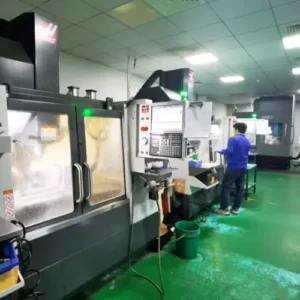
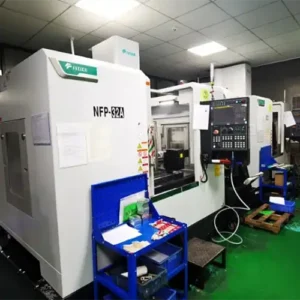
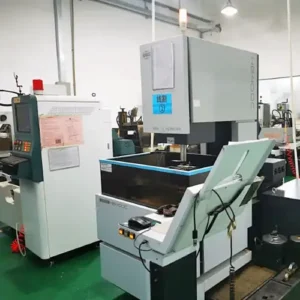
4. Ask About Their Machining Capabilities & Services
Your supplier should provide a full set of machining operations, including:
- CNC milling & turning
- Drilling, boring, reaming
- Tapping & thread milling
- Slotting, pocketing, engraving
- Surface finishing (anodizing, sandblasting, coating, polishing)
For small batch CNC, versatility is more important than high-volume automation.
5. Confirm Their Maximum and Minimum Machining Sizes
This helps determine whether your parts fit their equipment.
Typical expectations:
- Milling size up to 600×400×180 mm
- Turning size OD 400 mm, ID 350 mm
- Minimum bore size: 1.0–1.5 mm
- Minimum wall thickness: ~0.8 mm
A manufacturer with wider size capabilities offers better scalability.
6. Evaluate Lead Time & Flexibility
Small batch machining requires quick setup and responsiveness. Confirm:
- Standard lead time (usually 3–10 days for small batches)
- Ability to handle rush orders
- Communication speed
- Engineering responsiveness
Fast iteration is essential for prototyping and R&D projects.
7. Inspect Their Quality Control System
Reliable manufacturers provide:
- In-process inspections
- Full dimensional reports
- CMM verification
- Material certifications
- Final QC check before shipment
Quality control is especially important in industries like aerospace, medical, robotics, and automation.
8. Consider Pricing Transparency
A good supplier provides clear, detailed quotes that break down:
- Material cost
- Machining time
- Surface finishing
- Tolerances
- Quantity-based pricing
Transparent small batch CNC machining cost helps clients make long-term decisions.
9. Check Their Communication & Engineering Support
The supplier should:
- Understand drawings
- Provide DFM feedback
- Suggest cost reductions
- Identify tolerance risks
- Optimize machining strategies
Strong communication saves both time and money.
10. Look for a Manufacturer With Consistent Track Record
Evaluate:
- Customer reviews
- Past projects
- Manufacturing certifications
- Industries served
- Sample part images
Experience with similar materials or part types is a major advantage.
11. Ensure They Can Scale Up Later
Small batch today may become mass production tomorrow. It’s best to choose a supplier who can handle:
- Prototyping
- Short runs
- Medium runs
- Continuous production
This reduces the risk of switching suppliers during product development.

Summary
Choosing the right small batch CNC machining manufacturer means evaluating their:
- Precision
- Material range
- Machining capabilities
- QC system
- Communication
- Price structure
- Scalability
The more complete their capabilities, the smoother your development and production process will be.
FAQ of small batch cnc machining manufacturer
What is the most important factor when choosing a small batch CNC machining manufacturer?
Precision capability and consistent tolerance control.
Why does material range matter?
More supported metals and plastics give you flexibility for prototypes and small runs.
How can I check a manufacturer’s reliability?
Review past projects, QC reports, and customer feedback.
Does communication affect small batch CNC success?
Yes. Fast responses and clear technical support ensure quicker iteration.
How do I know if a supplier fits my small batch needs?
Confirm they handle prototypes, low MOQs, and offer detailed, transparent quotes.