Stainless steel passivation is a critical surface treatment used to enhance corrosion resistance and improve long-term performance of stainless steel components. In precision manufacturing, especially for aerospace, medical, food processing, and industrial equipment, metal passivation is often required to meet quality, durability, and regulatory standards.
What Is Passivation?
Passivation Meaning and Definition
Passivation refers to a chemical surface treatment process that removes free iron and surface contaminants from metal, allowing a protective oxide film to form naturally. In the context of stainless steel, passivation enhances corrosion resistance without changing part dimensions.
A simple passivation definition is:
A controlled chemical process that strengthens a metal’s natural corrosion-resistant surface layer.
What Is Stainless Steel Passivation?
Stainless steel passivation specifically targets stainless steel alloys by chemically cleaning the surface and promoting the formation of a stable chromium oxide layer. This invisible protective film is known as the passivation layer.
The passivation layer definition can be summarized as:
A thin, passive oxide film that protects stainless steel from corrosion and oxidation.
Without proper stainless passivation, machining residues, free iron, or surface impurities may reduce corrosion resistance.

Metal Passivation and Surface Passivation Explained
Metal Passivation
Metal passivation is a general term that applies to several metals, but stainless steel is the most common application. Unlike coatings, passivation does not add material to the surface.
Surface Passivation
Surface passivation improves chemical stability by modifying the metal surface at a microscopic level. For stainless steel, this means strengthening its natural oxide barrier.
In manufacturing,passivation is preferred because it preserves dimensional accuracy and surface finish.
Stainless Steel Passivation Process
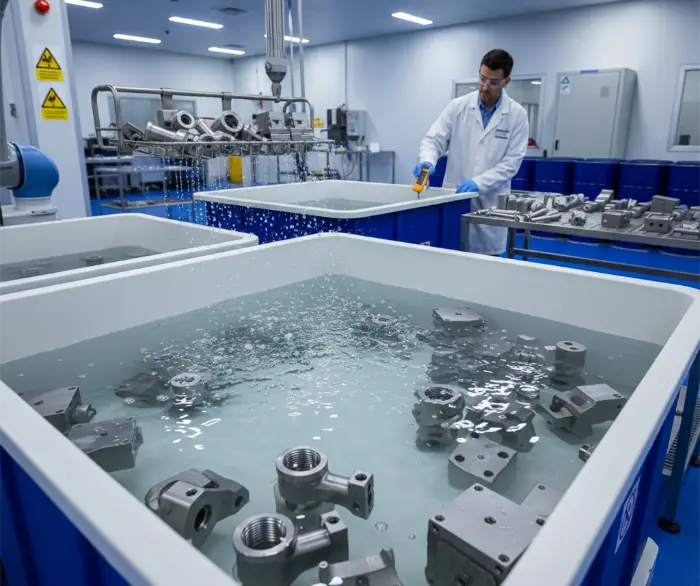
The passivation process for stainless steel typically includes the following steps:
- Pre-cleaning to remove oils, grease, and machining residues
- Acid treatment using nitric acid or citric acid solutions
- Removal of free iron and surface contaminants
- Formation of the passivation layer through controlled exposure
- Rinsing and drying
This passivation process does not etch or roughen the surface and is compatible with precision CNC machined parts.
Materials Suitable for Stainless Steel Passivation
Stainless Steel Grades Commonly Passivated
Stainless steel passivation is widely applied to:
- 304 stainless steel
- 316 / 316L stainless steel
- 303 stainless steel
- 17-4PH stainless steel
- 15-5PH stainless steel
These alloys benefit significantly from passivation, especially after machining or welding.
Other Materials and Metal Passivation
While this article focuses on stainless steel passivation, metal passivation may also apply to:
- Aluminum (through different chemical processes)
- Titanium (natural oxide stabilization)
However, stainless steel passivation remains the most standardized and widely specified.
Benefits of Stainless Steel Passivation
Improved Corrosion Resistance
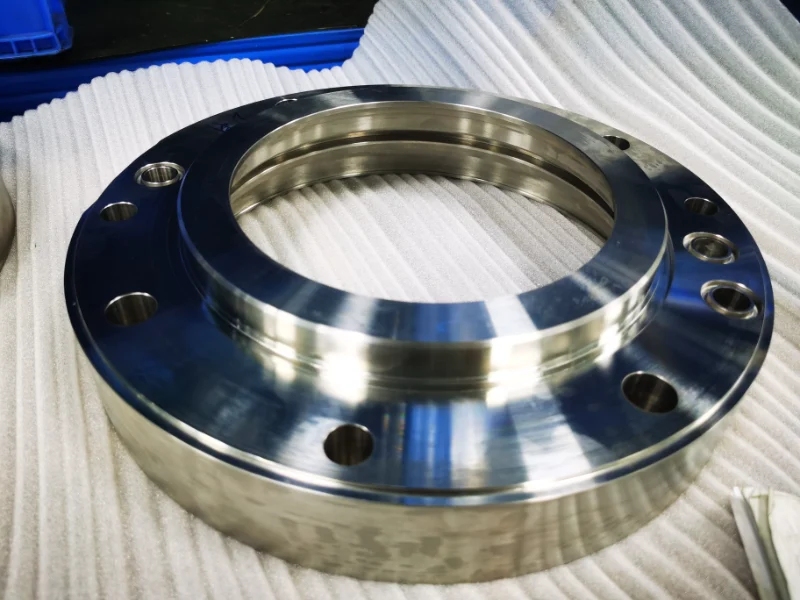
The primary advantage of passivation is enhanced resistance to rust and corrosion, especially in humid or chemically aggressive environments.
Extended Service Life
By strengthening the passivation layer, stainless steel parts maintain performance longer, reducing maintenance and replacement costs.
No Dimensional Change
Unlike coatings or plating, passivation does not alter part dimensions, making it ideal for tight-tolerance components.
Cleaner and More Stable Surface
Surface contaminants are removed, resulting in a cleaner and chemically stable surface suitable for medical, food, and pharmaceutical applications.
Limitations and Disadvantages of Stainless Steel Passivation
Despite its advantages, stainless steel passivation has limitations:
No Mechanical Protection
The passivation layer does not improve wear resistance or hardness.
Not a Decorative Finish
Stainless steel passivation does not enhance appearance or surface texture.
Material-Specific Effectiveness
Passivation is effective only on corrosion-resistant alloys. Carbon steel and low-alloy steels do not benefit from passivation.
Understanding these limitations helps determine whether surface passivation is sufficient or if additional treatments are required.
Stainless Steel Passivation Cost Range
The cost of passivation depends on several factors:
- Part size and geometry
- Material grade
- Batch quantity
- Specification requirements (ASTM A967, AMS 2700, etc.)
Typical Cost Range
- Small parts / batch processing: USD 0.20 – 1.00 per part
- Larger or complex parts: USD 1.00 – 5.00+ per part
- Prototype or low quantity: higher per-unit cost
Compared to coatings or plating, stainless steel passivation is one of the most cost-effective corrosion protection methods.
Applications of Stainless Steel Passivation
Passivation is widely used in:
- Aerospace components
- Medical devices and surgical tools
- Food processing equipment
- Pharmaceutical machinery
- Industrial valves and fittings
In these industries,passivation is often specified to meet regulatory and performance standards.
Stainless Steel Passivation vs Other Surface Treatments
Compared with alternative finishes:
- Stainless steel passivation: corrosion resistance, low cost, no thickness
- Electropolishing: smoother surface, higher cost
- Plating: added thickness, decorative or wear protection
- Coating: mechanical protection, possible tolerance impact
Selecting the right finish depends on application requirements.
When to Specify Stainless Steel Passivation
Choose stainless steel passivation when:
- Corrosion resistance is critical
- Parts have tight tolerances
- Clean, contamination-free surfaces are required
- Cost efficiency is important
Consulting a machining and finishing supplier early ensures proper process selection.
How to Select a Reliable Stainless Steel Passivation Manufacturer
A qualified supplier for passivation should offer integrated machining and surface treatment capabilities to ensure consistent results. The ability to support material selection, define passivation requirements, and maintain surface integrity is essential for long-term part performance.
Key capabilities to look for include:
- Strong stainless steel machining expertise to minimize surface contamination before passivation
- Controlled passivation processes that ensure stable formation of the protective passivation layer
- Tight tolerance protection, with no dimensional changes after surface treatment
- Prototype-to-production scalability to support both development and volume manufacturing
Selecting a supplier with these capabilities helps ensure reliable corrosion resistance, consistent surface quality, and predictable manufacturing outcomes.
Conclusion: Stainless Steel Passivation for Reliable Performance
Stainless steel passivation is an essential surface treatment for improving corrosion resistance and surface stability without altering dimensions. With low cost, broad material compatibility, and proven performance, it remains a preferred solution across many industries.
To learn more about passivation options or to request a quote, contact Weldo Machining today for professional guidance and competitive pricing.