
Stainless steel vs steel CNC machining is an important topic for engineers, manufacturers, and buyers choosing the right metal for mechanical components, structural parts, and high-strength industrial hardware. While both materials belong to the steel family, their chemical composition, machining behavior, cost, and application suitability are different. Understanding stainless steel vs steel CNC machining helps teams reduce machining challenges, improve part performance, and control overall production cost.
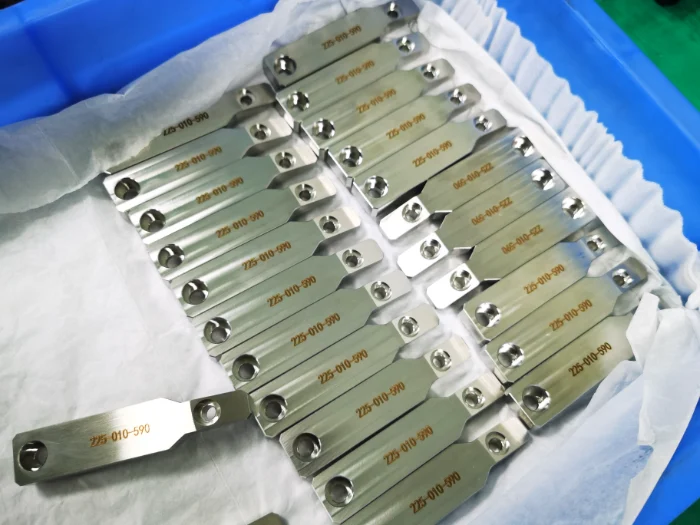
Material Composition in Stainless Steel vs Steel CNC Machining
Carbon Steel (Standard Steel)
Carbon steel contains varying carbon levels (0.05–0.9%) and small amounts of manganese.
Key traits:
- High strength and rigidity
- More affordable
- Can rust without protection
- Easy to weld and heat treat
Stainless Steel
Stainless steel contains 10.5% or more chromium, providing corrosion resistance.
Common grades: 304, 316, 420, 430, 17-4PH
Key traits:
- Excellent corrosion resistance
- Higher toughness
- More heat-resistant
- Harder to cut in CNC machining
In stainless steel vs steel CNC machining, stainless steel generally offers better durability, while carbon steel offers cost advantages.
Physical & Chemical Properties Comparison
Strength & Hardness
- Steel: High strength but may require heat treatment for extreme hardness
- Stainless steel: High toughness, more uniform hardness across the part
Corrosion Resistance
- Stainless steel: Superior corrosion resistance
- Steel: Needs coating or plating
Thermal Behavior
- Stainless steel retains strength at high temperatures
- Carbon steel may deform or oxidize if unprotected
Machinability
- Carbon steel is easier and faster to machine
- Stainless steel generates heat, work-hardens, and wears tools faster
This difference heavily influences stainless steel vs steel CNC machining performance and cost.
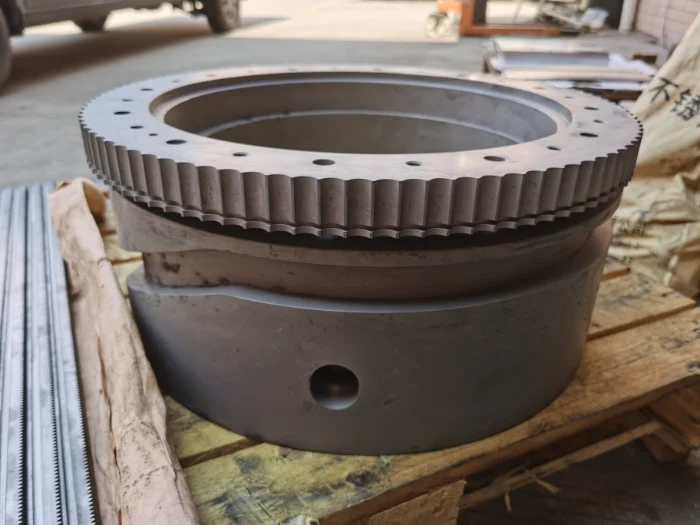
Machining Difficulty in Stainless Steel vs Steel CNC Machining
Carbon Steel Machining
Pros:
- Easier chip formation
- Faster feed rates
- Lower tool wear
- Lower machining cost
Challenges:
- Requires rust-prevention steps
- May need additional finishing
Stainless Steel Machining
Pros:
- Dimensional stability
- Excellent for medical, food, marine, and chemical applications
Challenges:
- Generates high heat
- Causes rapid tool wear
- Requires slower speeds and strong cooling
- Susceptible to work hardening
Stainless steel vs steel CNC machining usually results in longer cycle times for stainless steel.
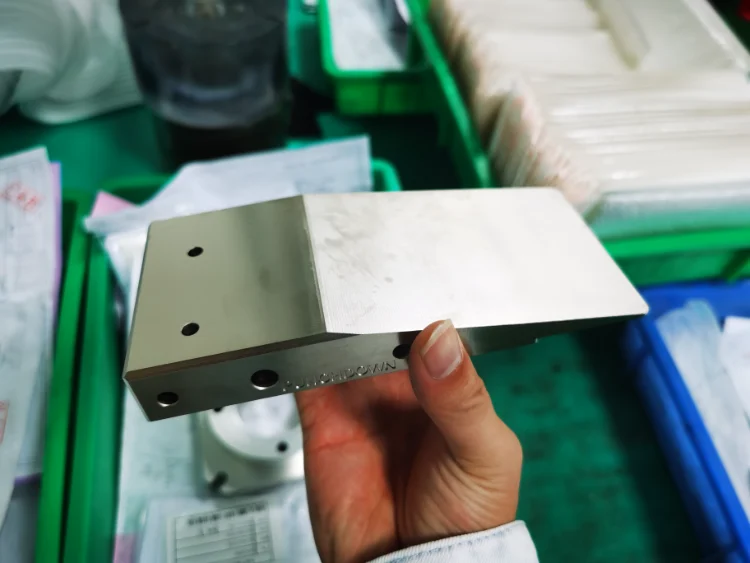
Cutting Tools, Feed Rates & Best Practices
For Carbon Steel
- Carbide or coated tools
- Medium cutting speed
- Aggressive feed rates
- Good coolant to avoid oxidation
For Stainless Steel
- High-quality carbide or cobalt tools
- Low cutting speed, high-pressure coolant
- Avoid tool dwell to prevent work hardening
- Use rigid fixturing
These machining strategies help control wear and reduce the cost of stainless steel vs steel CNC machining.
Applications in Industrial CNC Steel Parts
Carbon Steel Applications
Used where strength and cost efficiency matter:
- Gears, shafts, brackets
- Structural frames
- Automotive components
- Industrial machine parts
Stainless Steel Applications
Used where durability and corrosion resistance are essential:
- Medical instruments
- Food processing equipment
- Marine parts
- Chemical-handling systems
- High-end consumer products
In the stainless steel vs steel CNC machining comparison, stainless steel dominates regulated or harsh environments.
Surface Finishing Options
Carbon Steel Finishes
- Black oxide
- Powder coating
- Zinc plating
- Painting
- Oil coating
Stainless Steel Finishes
- Polishing (mirror, satin)
- Passivation
- Sandblasting
- Brushing
- Electropolishing
Finishing requirements can significantly influence stainless steel vs steel CNC machining cost.
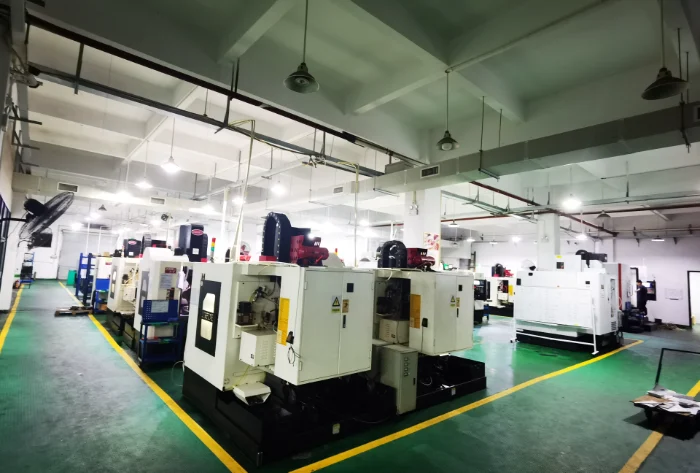
Cost Difference in Stainless Steel vs Steel CNC Machining
Material Cost
- Steel: Low to moderate
- Stainless steel: Higher due to alloying elements
Machining Cost
- Carbon steel: Lower cost because machining is easier
- Stainless steel: Higher cost due to slow cutting speeds, heat, and tool wear
Finishing Cost
- Steel may require coating → additional cost
- Stainless steel sometimes needs no coating → cost-saving for some projects

How to Reduce CNC Machining Costs
For Carbon Steel
- Choose machinable grades like 1018 or 1045
- Minimize surface finishing steps
- Use batch production to reduce setup costs
For Stainless Steel
- Select grades with good machinability (303 or 416)
- Use optimized toolpaths to reduce heat
- Apply high-pressure coolant
- Avoid unnecessary tight tolerances
Optimized engineering decisions can reduce stainless steel vs steel CNC machining costs by 10–30%.
Conclusion
Understanding stainless steel vs steel CNC machining helps you choose the right material for performance, durability, and cost efficiency. Stainless steel offers superior corrosion resistance, while carbon steel provides easier machining and lower overall cost. With proper grade selection and optimized machining strategies, both materials can deliver excellent results.
For expert advice, engineering support, or a fast stainless steel vs steel CNC machining quotation, contact Weldo Machining for more information and customized pricing.
FAQ of Stainless Steel vs Steel CNC Machining
Which material offers better precision in CNC machining—stainless steel or steel?
Both can achieve tight tolerances, but stainless steel maintains dimensional stability better under heat, while steel machines faster and more consistently at high removal rates.
Does stainless steel always cost more to machine than carbon steel?
Yes. Stainless steel requires slower cutting speeds, stronger tools, and high-pressure coolant, which increases machining time and tool wear compared to carbon steel.
What is the main cause of tool wear when machining stainless steel?
Work hardening and heat buildup. Stainless steel becomes harder during cutting if feed rates or tool geometry are not optimized, rapidly wearing cutting edges.
Which surface finishes work best for stainless steel and steel CNC parts?
Stainless steel benefits from polishing, passivation, and electropolishing for corrosion resistance. Carbon steel is typically coated with black oxide, zinc, or powder coating for protection.
How do I choose between stainless steel and steel for my CNC project?
Choose stainless steel for corrosion resistance, food/medical use, and outdoor environments. Choose steel for cost efficiency, structural strength, and applications requiring heat treatment.