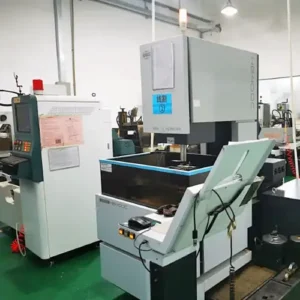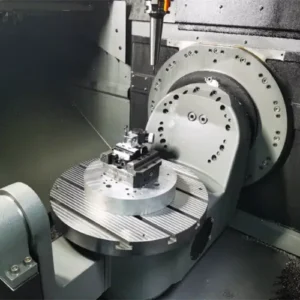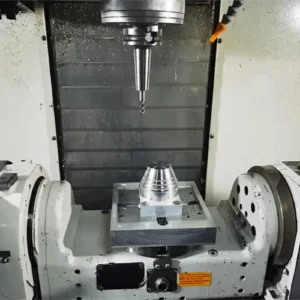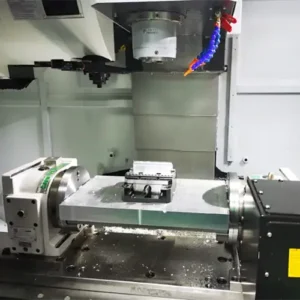
Wood CNC machining is a modern manufacturing method that uses computer-controlled machines to cut, carve, and shape wood with high accuracy and repeatability. From furniture and cabinetry to architectural panels and decorative components, wood machining enables efficient production while maintaining consistent quality and design flexibility.
What Is Wood CNC Machining
Wood CNC machining refers to the process of machining wood materials using CNC routers or CNC milling machines based on digital CAD/CAM programs. Compared with traditional woodworking, wood machining minimizes manual intervention and allows complex geometries, precise dimensions, and repeatable results.
Typical advantages of wood precision machining include:
- High dimensional consistency
- Reduced labor dependency
- Ability to produce complex patterns
- Efficient small-batch or scalable production
How Wood CNC Machining Works
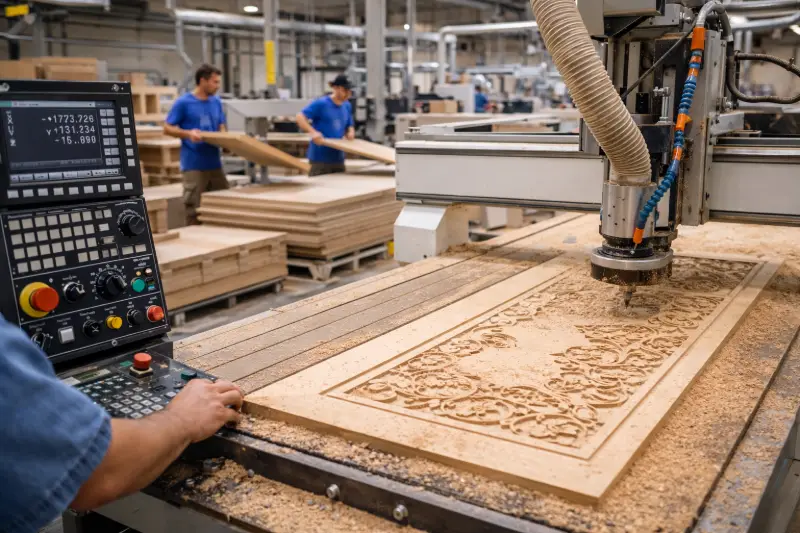
The working principle of wood CNC machining combines digital design with automated machine execution.
First, a CAD model defines the part geometry. CAM software converts the model into toolpaths that specify cutting depth, feed rate, spindle speed, and tool type. The CNC machine then follows these toolpaths precisely along the X, Y, and Z axes to remove material layer by layer, ensuring accuracy and repeatability.
Common Wood CNC Machining Processes
Wood CNC machining supports a wide range of standard and advanced woodworking operations.
- CNC routing is used for profiling, pocketing, and contour cutting.
- CNC milling is applied for deeper cuts and higher-precision components.
- CNC engraving and carving enable decorative patterns and text.
- Drilling and slotting are used for joinery and hardware installation.
These processes can be combined in a single setup to improve efficiency.
Advanced Wood CNC Machining Techniques
Modern wood CNC machining has evolved beyond basic routing.
- 3 axis CNC machining is suitable for flat or moderately complex parts.
- 5 axis CNC machining enables multi-angle cutting, undercuts, and sculptural shapes.
- Nested-based manufacturing (NBM) improves material utilization and reduces waste.
- High-speed CNC machining shortens cycle time while maintaining surface quality.
Wood Materials Suitable for CNC Machining
Material selection plays a critical role in wood CNC machining because different woods vary in density, grain structure, and moisture stability. Choosing the right wood directly affects machining quality, tool life, and end-use performance.
Softwoods Used in Wood CNC Machining
Pine is a lightweight softwood with a pronounced grain and good machinability, making it easy to cut and route. In wood CNC machining, pine is commonly used for furniture frames, interior decorative panels, prototypes, and cost-sensitive components where moderate strength is sufficient.
Cedar offers natural resistance to moisture and insects and has a soft, straight grain that machines cleanly. It is frequently used in wood machining for outdoor furniture, wall cladding, decorative panels, and storage products requiring environmental durability.
Spruce and fir provide a uniform texture and good strength-to-weight ratio, allowing stable machining with minimal tool wear. These woods are suitable for structural components, architectural frameworks, packaging, and functional parts produced through wood precision machining.
Hardwoods Used in Wood CNC Machining
Oak is a dense and durable hardwood with strong wear resistance and a distinctive grain pattern. In wood CNC machining, oak is widely used for furniture components, stair parts, flooring elements, and architectural features that require strength and long-term durability.
Maple features a fine, uniform grain and high hardness, enabling smooth surfaces and tight tolerances. Wood CNC machining applications include cabinetry, precision furniture parts, decorative panels, and components demanding a clean, high-quality finish.
Walnut is a medium-hard hardwood known for its rich color and excellent machining response. It is commonly used in wood CNC machining for high-end furniture, luxury decorative elements, custom enclosures, and premium interior applications.
Beech offers strong mechanical properties and consistent grain structure, allowing reliable machining performance. In wood CNC machining, beech is often used for chairs, seating components, tool handles, and structural wooden parts.
Engineered Wood Materials for CNC Machining
MDF (Medium-Density Fiberboard) has uniform density and no grain direction, making it highly predictable and easy to machine. It is widely used in wood CNC machining for cabinet panels, signage, display fixtures, and engraved decorative parts requiring smooth surfaces.
Plywood, especially birch plywood, consists of layered veneers that provide strength and dimensional stability. In wood CNC machining, plywood is commonly used for furniture panels, cabinetry, structural elements, and interior construction components.
Laminated wood panels feature pre-finished surfaces and consistent thickness, enabling efficient and repeatable CNC machining. Typical applications include modular furniture systems, cabinetry, retail fixtures, and commercial interiors.
Engineered bamboo panels are dense, eco-friendly, and visually distinctive. In wood CNC machining, bamboo is used for decorative panels, furniture surfaces, and sustainable design projects, though optimized cutting parameters are required due to its hardness.
Exotic hardwoods such as teak and mahogany offer high durability, natural oil content, and premium appearance. These materials are used in wood CNC machining for outdoor furniture, marine interiors, luxury cabinetry, and high-end architectural applications.

Common CNC Tools Used in Wood Machining
Typical tools used in wood CNC machining include:
- Straight end mills for profiling
- Ball nose tools for 3D carving
- V-bits for engraving
- Compression bits for clean edges
- Drill bits for holes and joinery
Correct tool selection reduces defects and improves surface finish.
Common Defects in Wood CNC Machining and Solutions
- Tear-out caused by dull tools or improper feed rates can be reduced by using sharp tools and optimized cutting strategies.
- Burn marks result from excessive friction and can be avoided by adjusting feed speed and spindle speed.
- Chipping and edge damage are minimized with compression bits and proper fixturing.
- Warping occurs due to moisture variation and can be controlled by using kiln-dried or engineered wood.
Wood CNC Machining Cost Range
Typical pricing for wood precision machining varies based on material and complexity:
- Simple MDF or softwood parts: USD 20–60 per piece
- Medium-complexity hardwood parts: USD 60–150 per piece
- Complex 3D carved parts: USD 150–400+ per piece
Machining time and setup usually have a greater impact on cost than raw material.
How to Reduce Wood CNC Machining Costs
Effective cost-control strategies include:
- Selecting engineered wood for non-visible parts
- Avoiding unnecessary tight tolerances
- Optimizing nesting layouts
- Simplifying design features
- Increasing batch size where possible
These measures can reduce wood precision machining costs by 15%–35%.
Wood CNC Machining vs Manual Woodworking: Advantages and Limitations
When evaluating production methods, many buyers compare wood CNC machining with traditional manual woodworking. Each approach has distinct advantages and limitations, and understanding these differences helps select the most suitable manufacturing solution based on accuracy, cost, scale, and application requirements.
Advantages of Wood CNC Machining
Wood CNC machining relies on computer-controlled equipment to deliver consistent and repeatable results.
Key advantages include:
- High precision and repeatability
Wood CNC machining achieves stable tolerances, typically around ±0.1 mm, making it ideal for parts that require dimensional consistency across batches. - Higher production efficiency
CNC machines can operate continuously with minimal downtime, significantly reducing lead time compared to manual processing. - Capability to machine complex geometries
Complex contours, 3D carvings, pockets, and repetitive patterns that are difficult or impossible with manual tools can be produced accurately through wood CNC machining. - Lower dependence on skilled labor
Once programmed, CNC machines reduce reliance on individual craftsmanship, resulting in consistent quality regardless of operator variability. - Easy design modification and scalability
Design changes only require updating CAD/CAM files, making wood CNC machining suitable for prototyping, iteration, and small-to-medium batch production.
Limitations of Wood CNC Machining
Despite its advantages, wood CNC machining has some constraints:
- Higher initial setup cost
Programming, machine setup, and tooling costs are higher than manual woodworking, which can impact single-piece or very small orders. - Material stability sensitivity
Natural wood with inconsistent moisture content may warp or deform during CNC processing if not properly conditioned. - Reduced handcrafted aesthetic
CNC-machined parts may lack the organic variations and artisan character associated with manual woodworking.
Advantages of Manual Woodworking
Manual woodworking remains relevant for specific use cases where flexibility and craftsmanship are prioritized.
Key advantages include:
- High flexibility for custom and artistic work
Craftsmen can adjust techniques in real time based on wood grain and visual judgment, making manual woodworking suitable for artistic or one-off projects. - Lower equipment investment
Manual tools require significantly less upfront capital, making this method accessible for small workshops and bespoke production. - Distinct handcrafted appearance
Hand-finished surfaces and carving details are often valued in luxury, artistic, or heritage woodworking applications.
Limitations of Manual Woodworking
Manual woodworking also presents notable drawbacks:
- Lower dimensional accuracy and consistency
Results depend heavily on worker experience, making it difficult to maintain uniformity across multiple parts. - Low production efficiency
Manual processing is time-consuming and unsuitable for medium or large batch production. - Higher long-term labor cost
Skilled labor is expensive and subject to variability, fatigue, and availability constraints. - Limited ability to produce complex structures
Deep cavities, precise curves, and repetitive patterns are difficult to achieve manually with consistent quality.
Wood CNC Machining vs Manual Woodworking: Comparison Summary
| Comparison Aspect | Wood CNC Machining | Manual Woodworking |
|---|---|---|
| Dimensional Accuracy | High, consistent | Operator-dependent |
| Production Efficiency | High | Low |
| Batch Consistency | Excellent | Limited |
| Complex Geometry | Easily achievable | Difficult |
| Initial Investment | Higher | Lower |
| Custom Flexibility | Moderate | High |
| Artistic Character | Limited | Strong |
| Suitable Production Scale | Small to large batches | Single or very small batch |
Final Thoughts on Wood CNC Machining
Wood CNC machining combines precision, flexibility, and efficiency for a wide range of woodworking applications. By understanding materials, machining processes, tooling, and cost drivers, buyers can make informed decisions and achieve consistent production quality.
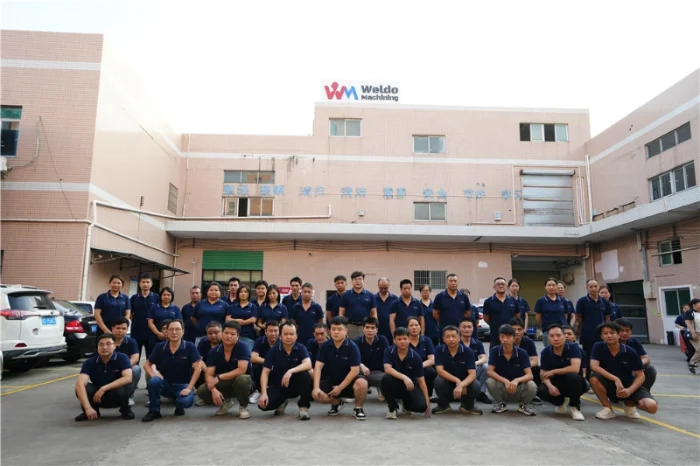
If you are looking for a reliable partner for wood precision machining, Weldo Machining provides professional CNC machining services with strong engineering support and competitive pricing. Contact Weldo Machining today to discuss your project requirements and receive a tailored quotation.