
A polish finish is selected when surface quality matters—whether for appearance, cleanliness, friction reduction, or perceived product value. Unlike functional-only finishes, polish directly affects how a part looks, feels, and performs in real-world use. Understanding when to specify a polish finish, which materials respond best, and how mirror polishing is achieved helps designers and buyers avoid unnecessary cost while meeting performance goals.
This guide explains polish finish from a practical manufacturing perspective, focusing on materials, mirror-polishing methods, advantages, limitations, and typical cost ranges.
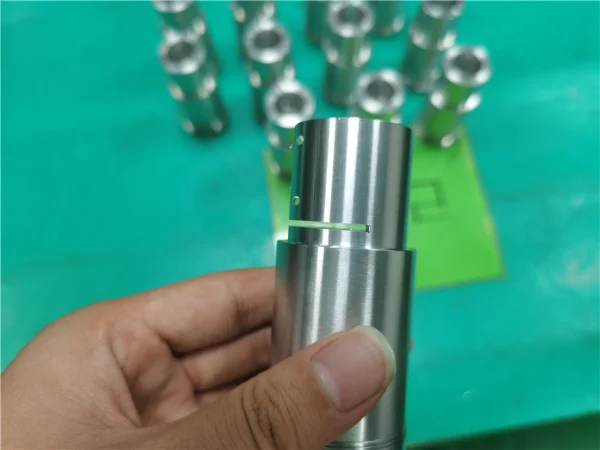
What a Polish Finish Achieves in Real Applications
A polish finish is not just cosmetic. In many applications, it directly improves usability and reliability.
A properly applied polish finish can:
- Reduce surface roughness and friction
- Improve cleanability and hygiene
- Enhance corrosion resistance (indirectly)
- Increase visual appeal and perceived quality
Depending on the level required, a polish finish may range from light smoothing to a true mirror surface.
Polish vs Mirror Finish: Key Differences
Not all polished surfaces are mirror-like. Understanding the difference prevents over-specification.
- Standard polish : Smooth, low roughness, visible reflection but not fully mirror
- Mirror polish : Highly reflective, near-optical surface with minimal visible texture
Typical roughness values:
- Standard polish : Ra ~0.4–0.8 μm
- Mirror polish : Ra ≤0.2 μm
Mirror-level polish requires more steps, tighter process control, and higher cost.
Materials That Respond Best to a Polish Finish
A polish depends heavily on material structure and hardness. The following materials are most commonly polished.
Metals Commonly Using a Polish
- Aluminum alloys
- Stainless steel
- Carbon steel and alloy steel
- Brass
- Copper
Plastics and Coated Materials
- Polyurethane
- Acrylic (PMMA)
- Selected engineering plastics
These materials allow consistent surface smoothing without tearing, pitting, or uneven gloss.

How to Polish Metals to a Mirror Finish (Material-Specific)
Mirror polishing follows the same principle—progressive smoothing—but execution varies by material.
How to Polish Aluminum to a Mirror Finish
Aluminum achieves a mirror polish through fine sanding followed by aluminum-specific polishing compounds. Care is required to avoid soft-metal deformation.
How to Polish Brass to a Mirror Finish
Brass polishes easily. Fine abrasives and buffing compounds remove oxidation quickly, producing a bright mirror polish commonly used in decorative parts.
How to Polish Stainless Steel to a Mirror Finish
Stainless steel requires multiple controlled polishing stages due to its hardness. A mirror polish is often specified for medical, food-grade, and high-visibility components.
How to Polish Copper to a Mirror Finish
Copper can achieve an excellent mirror polish , but oxidation occurs quickly. Protective sealing is often applied after polishing.
How to Polish Steel to a Mirror Finish
Carbon and alloy steels require intensive polishing. Achieving a mirror polish finish is possible but more labor-heavy than with softer metals.
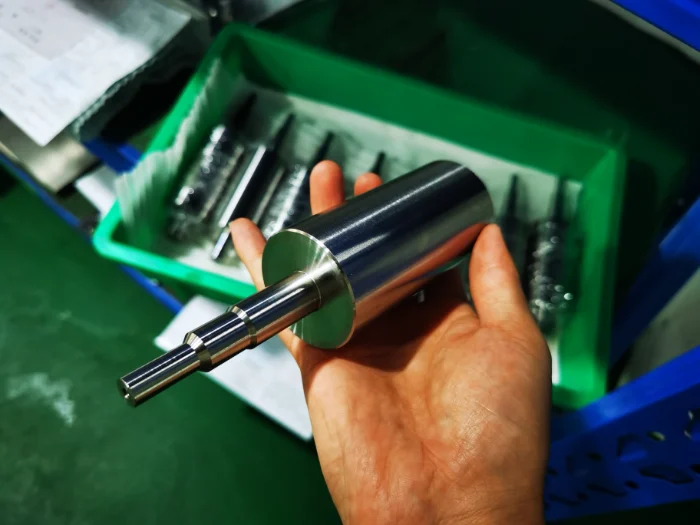
How to Polish a Polyurethane Finish
A polish finish on polyurethane surfaces is achieved through fine sanding and plastic-safe polishing compounds. This improves surface clarity, smoothness, and appearance without damaging the coating or substrate.
Advantages of a Polish Finish
A polish finish is selected when surface quality adds measurable value.
Key advantages include:
- Enhanced appearance for visible or consumer-facing parts
- Lower surface roughness, improving cleanliness and flow
- Reduced micro-crevices, helping corrosion resistance on metals
- Improved tactile feel for handled components
For many industries, polish is a functional upgrade, not just decoration.
Limitations and Trade-Offs of Polish Finish
Despite its benefits, a polish finish is not always the best choice.
Main limitations:
- Higher cost, especially for mirror polishing
- Longer processing time due to manual or multi-step work
- Increased sensitivity to fingerprints and scratches
- Limited value for hidden or internal parts
Understanding these trade-offs ensures the polish is used where it truly matters.
Typical Cost Range for Polish Finish
The cost of a polish depends on material, surface area, geometry, and finish level.
Approximate industry ranges:
- Standard polish : USD 1–5 per part
- High-gloss polish : USD 5–15 per part
- Mirror polish : USD 15–50+ per part
Complex geometries, tight tolerances, and manual polishing increase cost.

Where Polish Finish Is Commonly Used
Polish is widely specified in:
- Medical and surgical components
- Food and pharmaceutical equipment
- Consumer electronics housings
- Decorative metal parts
- Automotive trim and custom components
In these applications, surface quality directly affects performance, hygiene, or customer perception.
How to Decide If You Need a Polish Finish
A polish finish is recommended when:
- The part is visible or customer-facing
- Surface smoothness affects cleanliness or performance
- A premium or professional appearance is required
- Friction reduction is beneficial
If none of these apply, a simpler finish may be more cost-effective.
Conclusion: Choosing the Right Polish Finish for Your Parts
A polish finish is a powerful surface treatment when applied intentionally. From aluminum and stainless steel to brass, copper, steel, and polyurethane, the right polish improves appearance, usability, and perceived quality. However, it should be specified based on real functional or aesthetic needs—not by default.
If you are evaluating polish or mirror polishing for your CNC machined parts and need guidance on materials, finish levels, or cost control, Weldo Machining can provide technical recommendations and competitive quotations tailored to your project.

FAQ of polish finish
How to polish a stainless steel sink to a mirror finish?
Clean the surface, sand progressively with fine grits, then buff with a polishing compound until a mirror finish is achieved.
How to polish aluminum rims to a mirror finish?
Remove oxidation, wet sand in stages, and polish with an aluminum compound. Apply a protective coating to maintain shine.
How to polish alloy wheels to a mirror finish?
Strip old coatings, sand to remove defects, then buff with metal polish. Seal the surface to prevent corrosion.
What tools are needed for mirror finish polishing?
Sandpaper (multiple grits), polishing compound, buffing wheel or polisher, and microfiber cloths.
How can a mirror finish be maintained?
Clean regularly and apply wax or a protective coating to preserve the gloss.