
PVD coating (Physical Vapor Deposition coating) is a widely used surface treatment technology in modern manufacturing. It improves the surface properties of metals by depositing a thin and hard film layer on the material surface under vacuum conditions. This technology is commonly applied in industries such as cutting tools, molds, automotive parts, decorative hardware, and medical devices. By enhancing hardness, wear resistance, corrosion resistance, and appearance, PVD coatings significantly extend the service life and performance of metal components.
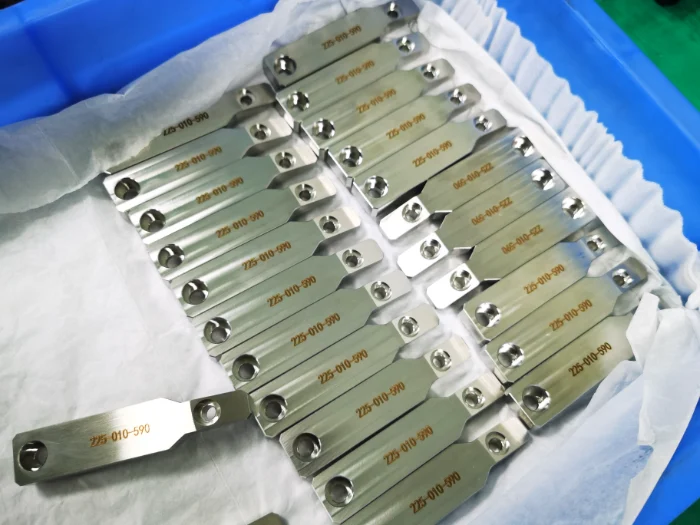
Definition of pvd coating process
In a vacuum environment, coating materials (metal targets, such as Ti, Cr, Zr, etc.) are evaporated or ejected to form metal atoms/ions through heating, arc discharge, or magnetron sputtering. These particles react with reactive gases (such as nitrogen N₂, hydrocarbon gases, etc.) in the vacuum to form compounds, and then deposit on the workpiece surface to form a thin film coating with very high hardness and a thickness of 1–5 μm.
Simple Process
- Place the workpiece into the vacuum chamber
Reason: Vacuum pumping removes air and impurities, providing a stable and clean deposition environment and preventing the coating from being oxidized or contaminated. - The target material (metal) is evaporated or sputtered into atoms/ions
Reason: Arc or magnetron sputtering methods convert the coating metal material into gaseous atoms or ions, providing the material source for forming the coating. - React with reactive gases (N₂, C₂H₂, etc.)
Reason: Metal atoms react with nitrogen or hydrocarbon gases in the vacuum to generate compounds such as nitrides or carbides with high hardness. - Deposit on the workpiece surface to form a high hardness coating (such as TiN, CrN, DLC)
Reason: These compound particles deposit onto the workpiece surface to form a uniform and dense thin film, thereby improving wear resistance, corrosion resistance, and surface performance.
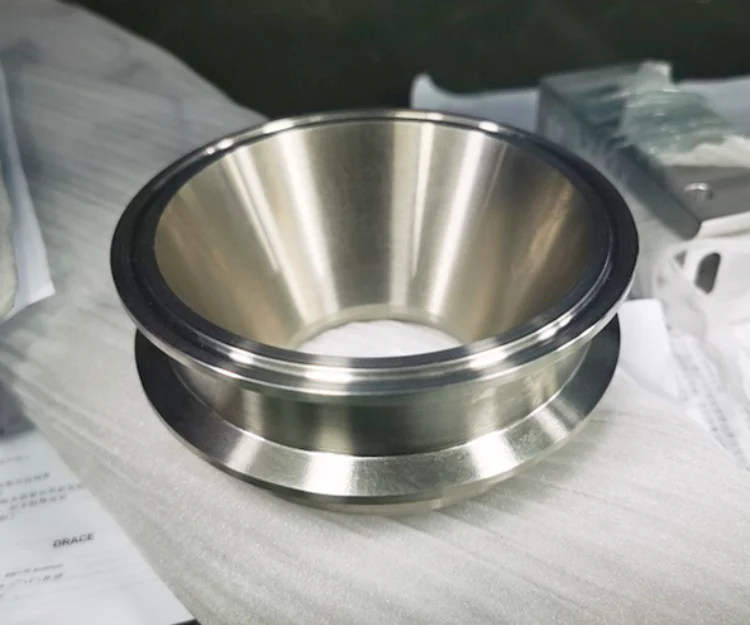
Types of Target Materials and Reactive Gases
Common Target Materials
Targets are usually metal or alloy materials used to provide the main components of the coating.
1. Titanium target (Ti)
Titanium targets in the PVD process commonly form coatings such as TiN, TiCN, TiAlN. Among them, TiN (gold color) is the most common, with high hardness and good wear resistance. It is widely used in CNC cutting tools, molds, and decorative hardware parts, significantly improving surface wear resistance and service life.
2. Chromium target (Cr)
Chromium targets mainly form coatings such as CrN, CrCN, usually in silver gray or dark gray color. CrN coatings have excellent corrosion resistance and surface smoothness, and are commonly used in molds, medical instruments, stainless steel parts, and decorative components.
3. Zirconium target (Zr)
Zirconium targets commonly form coatings such as ZrN, ZrCN. Among them, ZrN appears light gold or champagne gold. This coating combines decorative appearance and wear resistance, and is commonly used in high-end hardware, watches, sanitary products, and decorative parts.
4. Aluminum target (Al)
Aluminum targets are usually combined with titanium to form TiAlN or AlTiN coatings, generally dark gray or black in color. These coatings have excellent high temperature resistance and oxidation resistance, and are widely used in high-speed cutting tools and industrial molds.
5. Tungsten target (W)
Tungsten targets commonly form coatings such as WC, WC/C, usually dark gray or black in color. These coatings have high hardness and low friction coefficient, suitable for automotive parts, mechanical components, and mold surface treatment.
6. Carbon target (C)
Carbon targets most commonly form DLC (Diamond-Like Carbon) coatings, usually black in color. This coating has extremely high hardness and extremely low friction coefficient, and is widely used in precision mechanical parts, automotive components, molds, and medical instruments.
Summary of Table Content:
| Target Material | Common Coatings | Characteristics |
|---|---|---|
| Titanium (Ti) | TiN、TiCN、TiAlN | High hardness, wear resistant |
| Chromium (Cr) | CrN、CrCN | Corrosion resistant, smooth surface |
| Zirconium (Zr) | ZrN | Good decorative effect, gold color |
| Aluminum (Al) | TiAlN、AlTiN | High temperature oxidation resistance |
| Carbon (C) | DLC coating | Low friction coefficient |
| Tungsten (W) | WC/C | Wear resistant, high temperature resistant |
Common Reactive Gases
Reactive gases react with metal particles during deposition to form nitride, carbide, or oxide coatings.
| Gas | Function | Common Coatings |
|---|---|---|
| Nitrogen (N₂) | Form nitrides | TiN、CrN、ZrN |
| Acetylene (C₂H₂) | Provide carbon element | TiCN、DLC |
| Methane (CH₄) | Form carbides | DLC |
| Oxygen (O₂) | Form oxide coatings | TiO₂ |
| Argon (Ar) | Sputtering gas, does not participate in reaction | Used to bombard targets |
Pvd coating Application Metal Types and Performance Changes
Applied Metal Types and Application Scenarios
PVD coatings are mainly applied to the following metal surfaces:
Stainless Steel – hardware parts, kitchenware, decorative parts, sanitary products
Tool Steel / Mold Steel – CNC tools, stamping molds
Titanium and Titanium Alloys – medical instruments, aerospace components
Aluminum and Aluminum Alloys – electronic product housings, mechanical parts
Copper and Copper Alloys (Brass) – decorative hardware, lighting fixtures, locks
After PVD treatment, these materials can significantly improve surface performance.
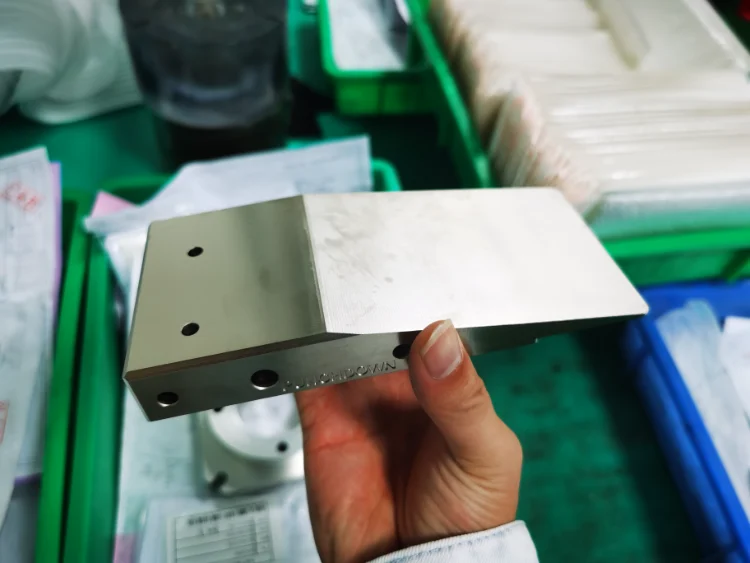
Common Metals with PVD Coatings and Hardness Changes
| Metal Material | Original Surface Hardness | Hardness After PVD Coating | Description of Change |
|---|---|---|---|
| Stainless Steel | HV150–250 | HV1500–2500 | Hardness increases about 6–10 times, significantly improving wear resistance and scratch resistance |
| Tool Steel / Mold Steel | HV600–800 | HV2000–3500 | Hardness increases about 3–5 times, greatly extending tool and mold life |
| Titanium and Titanium Alloys | HV200–350 | HV1500–3000 | Hardness increases about 5–8 times, improving the wear problem of titanium alloys |
| Aluminum and Aluminum Alloys | HV50–120 | HV1200–2000 | Hardness increases about 10–20 times, significantly improving surface wear resistance |
| Copper and Copper Alloys | HV80–150 | HV1200–2000 | Hardness increases about 8–15 times, reducing scratches and wear |
Performance Changes of Metals After PVD Coating Treatment
| Performance Parameter | Original Metal Surface | After PVD Coating | Improvement Effect |
|---|---|---|---|
| Surface Hardness | HV200–600 | HV1500–3500 | Increase about 3–10 times |
| Wear Resistance | Normal wear | Extremely wear resistant | Service life increased 2–5 times |
| Friction Coefficient | 0.6–0.8 | 0.1–0.4 | Friction significantly reduced |
| Corrosion Resistance | Normal | Significantly improved | Stronger oxidation resistance |
| High Temperature Resistance | 300–500°C | 600–900°C (some coatings) | Better high temperature resistance |
| Surface Color | Single metal color | Gold, black, gray, etc. | Decorative appearance improved |
Common Pvd coating Colors
PVD coatings can produce various colors through different combinations of target materials and reactive gases. Common colors include:
| Color | Common Coating Types | Characteristics and Applications |
|---|---|---|
| Gold | TiN、ZrN | Most common color, often used for tools, decorative hardware, watches |
| Rose Gold | ZrN、TiAlN variants | Often used for decorative parts, jewelry, sanitary hardware |
| Black / Jet Black | DLC、TiCN | High wear resistance, often used for tools and automotive parts |
| Gunmetal / Dark Grey | CrN、TiAlN | Common color for industrial parts and tools |
| Silver / Light Grey | CrN | Smooth surface, corrosion resistant |
| Blue | Formed after TiAlN oxidation | Often seen on high temperature tools |
| Purple | TiAlN oxide film | Common in high temperature machining tools |
| Bronze / Copper tone | ZrN or multilayer composite coatings | Often used in decorative hardware |
PVD coating common colors include gold, rose gold, black, gray, silver, blue, purple and bronze, which can improve the wear resistance and corrosion resistance of metals while meeting decorative appearance requirements.
Advantages and Disadvantages of PVD Coating
Advantages
PVD coatings have high hardness and wear resistance, with surface hardness usually reaching HV1500–3500, significantly improving the wear resistance and service life of metal surfaces.
The coating is dense and stable, with good corrosion resistance and high temperature resistance. It also has a low friction coefficient, which can reduce wear during operation.
PVD processes can also produce decorative colors such as gold, black, rose gold, gray, etc., which improve both material performance and product appearance.
Disadvantages
PVD coating equipment and process costs are relatively high. The coating must be deposited in a vacuum environment, and strict control of equipment and process parameters is required.
The coating thickness is usually only 1–5 μm, so it cannot repair large surface defects of the material and requires high substrate surface quality. If the workpiece surface is not properly treated, the adhesion of the coating may be affected.
For parts with complex structures or deep holes, the uniformity of the coating is more difficult to control.

Pvd coating Durability and Processing Cost
Durability
PVD coatings are dense and have strong adhesion, which can reduce friction and wear. In tools, molds and mechanical parts, they can usually increase service life by 2–5 times, and even higher in some high wear applications. Some coatings (such as TiAlN, DLC) also have good high temperature resistance and low friction characteristics, allowing them to maintain stable performance under high speed cutting or high load conditions.
Processing Cost
Before coating, workpieces usually require surface pretreatment such as polishing and cleaning. The processing cost for small parts is generally about $5–40 per piece, while sheet materials are calculated by area, with processing costs of approximately $300– $500 / m².
PVD coatings are generally not easy to peel off. Because the coating is deposited on the metal surface in a vacuum environment to form a dense thin film, it has good adhesion with the substrate and can remain stable under normal use conditions.
However, if the substrate surface preparation is insufficient, the process control is improper, or the part experiences strong impact and severe wear during use, the coating may partially peel off. Therefore, good surface pretreatment and appropriate process parameters are very important to ensure coating stability.
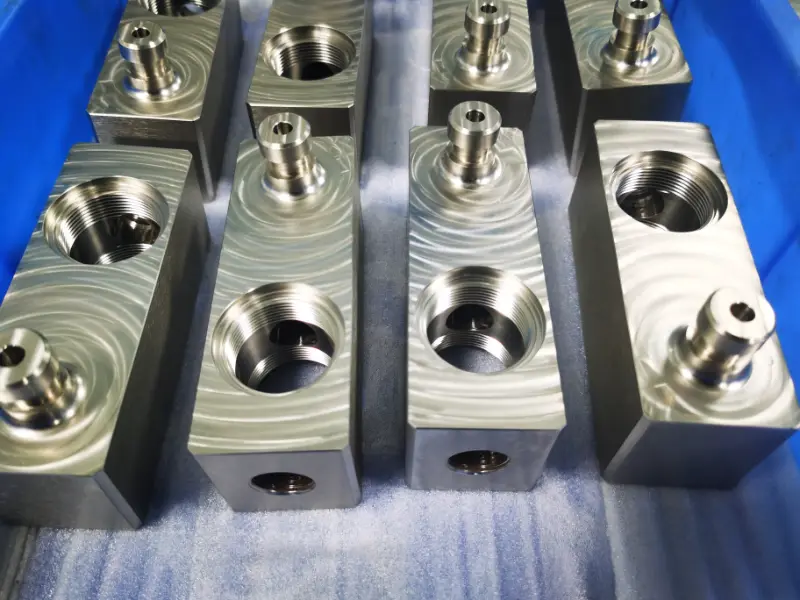
How to Clean and Maintain PVD-Coated component
Daily Cleaning
Use a soft cloth or microfiber cloth with warm water to gently wipe the surface to remove dust, fingerprints, and everyday stains. If grease or oil is present, use a mild neutral detergent diluted with water, then wipe with clean water and dry with a soft cloth.
Avoid Strong Chemical Cleaners
Do not use cleaning products containing strong acids, strong alkalis, chlorine, or bleach, as these chemicals may damage the coating surface and affect its appearance and corrosion resistance.
Avoid Abrasive Tools
Do not use steel wool, hard brushes, or abrasive cleaning pads when cleaning. These tools can scratch the PVD coating and reduce its appearance and protective performance.
Prevent Long-Term Exposure to Corrosive Substances
Try to avoid prolonged contact with salt water, strong acids, strong alkalis, or industrial chemicals. If the parts come into contact with these substances, rinse with clean water and dry them as soon as possible.
Regular Inspection and Maintenance
For frequently used parts, periodically check the surface condition. If noticeable scratches or wear appear, maintenance or replacement should be considered to maintain both appearance and performance.
PVD Coating and Human Health
PVD coatings themselves usually do not pose health hazards to humans. The coating materials are stable and non toxic in solid form and do not produce harmful substances like some traditional electroplating processes. Therefore they are widely used in tableware, medical devices, watches and decorative hardware products.
However, during production and processing, improper operation may expose workers to metal dust or process gases, which may cause throat discomfort and dizziness. Therefore appropriate ventilation and protective measures are required. For products that have already been coated, they are generally safe and environmentally friendly under normal use conditions.
Conclusion
PVD coating technology plays an important role in improving the performance and durability of metal materials. By forming a thin and hard protective layer on the surface, it can significantly enhance wear resistance, corrosion resistance, and appearance while maintaining environmental friendliness compared with traditional electroplating processes. With its wide range of coating materials and color options, PVD coating has become a key surface treatment technology in industries such as manufacturing, automotive, aerospace, and decorative hardware.
If you want to know more details or get a quote of machining/surface finish about your design,you can feel free to contact with us.