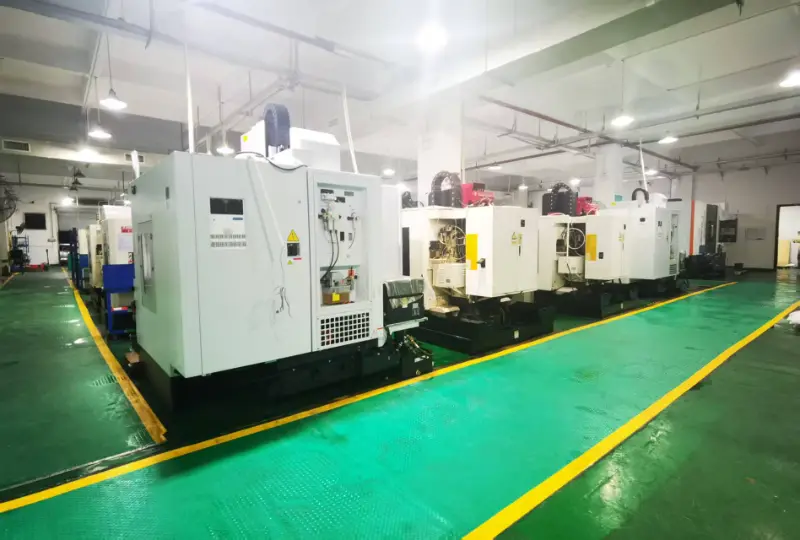
Belt pulleys are fundamental components in modern rotary power transmission systems. These wheel‑shaped mechanisms are used to transmit power between shafts, driving equipment ranging from heavy industrial manufacturing machinery to everyday automobile engines. By utilizing a continuous flexible belt wrapped around the outer edge of the pulley, they efficiently convert rotational force into reliable, continuous mechanical motion.
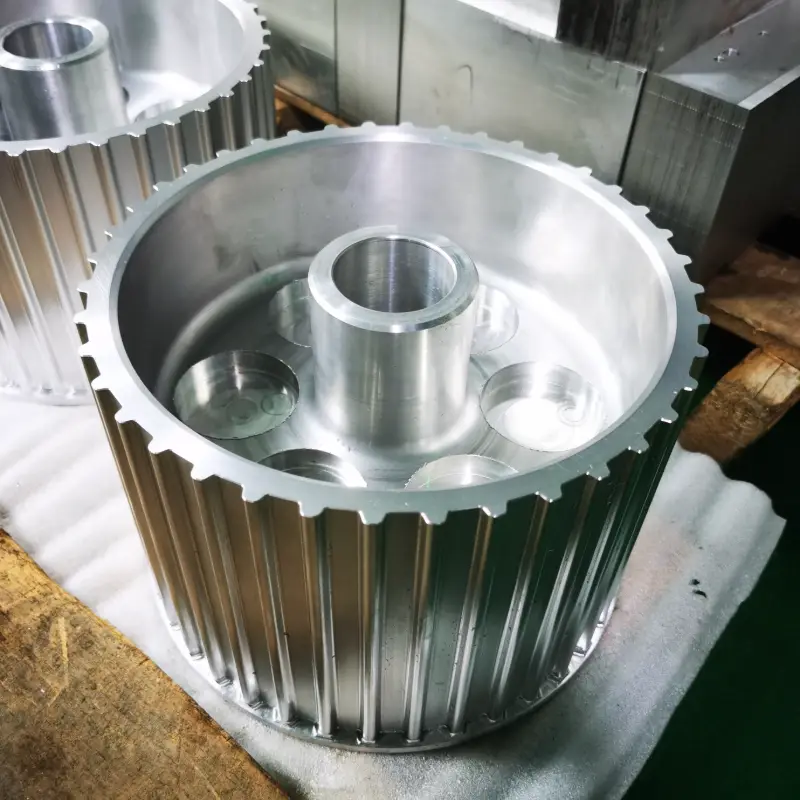
Working Principle of Belt Pulley
In any mechanical transmission device, the working principle of a belt wheel is based on three simple elements: friction, tension, and rotation. The driving belt pulley is directly connected to the power source (such as an electric motor) to generate rotational force. When the driving pulley wheel rotates, the friction between its grooved or flat surface and the tightly fitted belt pulls the belt forward. This continuous motion is transferred to the driven belt pulley, effectively transmitting power over different distances without the need for complex and bulky gear transmissions.
Key Components of a Belt Drive System
An efficiently operating belt drive system relies on several key components working in perfect coordination to prevent power loss and mechanical failure.
- Driving belt pulley: The main pulley directly connected to the motor or power source.
- Driven belt pulley: The pulley wheel that receives power to drive a secondary shaft or connected machinery.
- Belt: A flexible ring, usually made of rubber, polyurethane, or reinforced synthetic cord, used to physically connect the belt wheel.
- Tensioners and idlers: Auxiliary belt pulleys used to maintain optimal belt tension, increase wrap angle, and guide the belt path to prevent slippage.
Main Advantages of Using Belt Pulleys
Integrating high‑quality belt pulleys into a mechanical drive system offers significant operational and economic benefits compared to other power transmission methods.
- Shock absorption: Belts naturally dampen load fluctuations and absorb mechanical shocks, protecting expensive motors, bearings, and shafts from sudden impact damage.
- Quiet operation: Unlike metal‑to‑metal gear systems, belt drives run smoothly with minimal noise, making them ideal for low‑noise environments.
- Cost‑effective maintenance: pulley systems require no lubrication. They have very low installation costs, and replacing a worn belt is much cheaper than replacing a damaged gear.
- Flexible spacing: Belt pulleys can efficiently transmit power over long center distances, whereas rigid shaft or direct gear drives are impractical or cost‑prohibitive.
Main Types of Belt Pulleys
Selecting the right belt wheel is critical to performance when building or upgrading a mechanical drive. Different devices require different pulley wheel profiles to withstand the required load, speed, and grip. Below are the main belt pulley types commonly used in our daily applications.
V Belt Pulley
This is the absolute workhorse for heavy‑duty rotary power transmission. It features deep V‑shaped grooves that wedge the belt tightly as tension increases.
- Best for: High‑torque applications where preventing slippage is critical.
- Key benefits: Excellent grip and load distribution.
Timing Belt Pulley (Synchronous)
Timing belt pulleys are used when transmission precision is essential. The toothed design of a timing pulley meshes directly with the mating belt, ensuring zero slippage.
- Best used for: Automation equipment, robotics, petrochemical machinery, aerospace, and other fields.
- Key advantages: Perfect synchronization. Smooth transmission, high transmission efficiency, suitable for long‑distance transmission, and easy maintenance.
Serpentine Belt Pulley
This device can be found under the hood of almost every vehicle in the United States. They use a wide, multi‑ribbed surface to grip a single long belt.
- Best for: Automotive engines and small industrial setups.
- Key advantages: Can drive multiple accessories (such as alternators and water pumps) simultaneously from a single power source.
Flat Belt Pulley
Sometimes simple is best. Flat belt pulleys have a smooth, non‑grooved surface designed for high‑speed, low‑torque environments.
- Best for: High‑speed machinery and vintage equipment.
- Key advantages: Extremely smooth and quiet operation with minimal vibration.
Round Belt Pulley
Round belt pulleys are easily recognizable by their U‑shaped grooves, designed to guide round belts through complex curved paths.
- Best for: Light‑duty conveyors and low‑power transmission systems.
- Key advantages: High flexibility and tolerance in setups where perfect alignment is difficult to achieve.
Timing Belt Pulley Profiles and Standards
In precision rotary power transmission, the exact tooth profile of the belt pulley determines system efficiency. Timing belt pulleys rely on specific tooth profiles and pitches to keep all components synchronized and prevent slippage.
GT2 and HTD Pitch Configurations
Choosing the right pitch configuration is critical to building a reliable mechanical drive.
- GT2 profile: Designed to eliminate backlash. They are the standard profile for precision linear motion, widely used in automation equipment and CNC machine tools.
- HTD profile: High Torque Drive (HTD) features a curved tooth design. This design distributes stress evenly, making it the first choice for heavy‑duty, high‑torque applications.
Metric vs. Imperial Timing Standards
In the U.S. market, we often use both imperial and metric timing standards. Ensuring compliance with the correct timing standard is essential to prevent rapid belt wear and system failure.
| Standard Type | Common Pitch | Best Use Case |
|---|---|---|
| Imperial (Standard) | MXL, XL, L, H, XH | Traditional U.S. machinery and standard industrial equipment. |
| Metric Timing | T2.5, T5, T10, AT5 | Modern automation, robotics, and imported machinery. |
Timing Belt Pulley Stock and Custom Options
We carry a large inventory of belt pulleys available for immediate shipment, but standard parts may not always fit special modifications. Finding the perfect matching part for your drive system is critical and non‑negotiable.
- Stock options: Pre‑drilled with standard bore diameters and set screws for immediate installation on standard shafts.
- Custom modifications: We can machine custom bore diameters, cut specific keyways, and modify flanges to meet the exact needs of your unique setup.
Functions of Idlers and Belt Tensioner Pulley
When designing a reliable mechanical drive, a belt pulley system requires more than just driving force. Idlers and belt tensioner pulley are critical components to ensure smooth operation of the entire system. While they do not generate power themselves, they are essential to system stability and consistent performance.
Drive Belt Pulleys vs. Idlers Pulleys
Understanding the different roles these components play in your system configuration is critical.
- Drive belt pulleys: These pulleys are directly connected to the motor or power source. They determine the speed and torque of rotary power transmission.
- Idlers: These idlers rotate freely on their bearings. They do not drive the belt but guide it around obstacles and increase the wrap angle of the belt on the drive pulley for a firmer, more secure grip.
Maintaining Proper Belt Tension and Alignment
A belt pulley system operates efficiently only when the belt stays on the correct track at all times. Tensioners apply precise force to ensure the belt remains taut during operation.
- Prevent slippage: Proper tension ensures the belt grips the pulley wheel firmly under heavy loads without slipping.
- Maintain alignment: Idlers guide the belt straight, preventing it from drifting off the edge or rubbing against flanges.
- Compensate for stretch: Belts naturally stretch over time. Spring‑loaded tensioners automatically adjust to take up slack, allowing the system to run maintenance‑free for longer periods.
Using Idlers to Reduce Vibration and Wear
Excessive vibration can quickly wear down any mechanical drive. By installing an idler on the slack side of the belt, we can absorb shock loads for smoother operation. This simple modification reduces stress on major drive components, minimizes premature belt wear, and significantly extends the service life of the entire system.
Common Materials and Manufacturing Standards
Selecting the right belt pulley material is a critical step in ensuring the service life of a mechanical drive. We specialize in matching material properties to the specific torque and environmental requirements of your application.
Aluminum, Steel, and Cast Iron Belt Pulleys
Metals remain the cornerstone of rotary power transmission. Each metal serves a specific purpose based on weight and strength requirements:
- Aluminum: Our material of choice for high‑speed applications and metric timing systems. It is lightweight, reducing inertia for faster start‑up and stopping.
- Steel: The standard choice when maximum durability and high torque capacity are needed. It is more wear‑resistant than aluminum, ideal for heavy‑duty industrial applications.
- Cast iron: Primarily used for large industrial belt pulleys. It offers excellent vibration damping and is cost‑effective for high‑volume, heavy‑duty machinery.
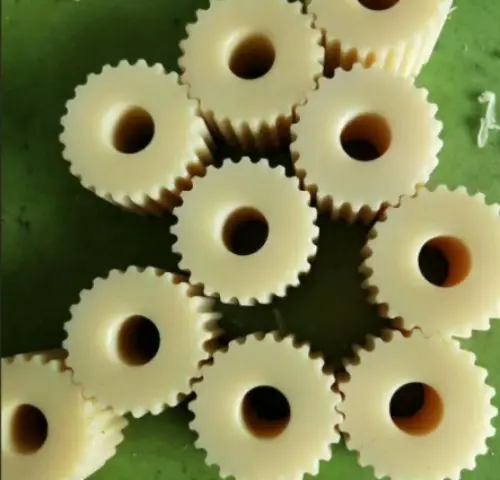
High‑Performance Nylon and Composite Belt Pulleys
For light‑duty applications, we use high‑performance plastics and composites. These materials offer unique advantages unmatched by metals:
- Weight reduction: Much lighter than metal, reducing the overall load on the motor.
- Corrosion resistance: Naturally resistant to chemicals and moisture, ideal for washdown environments.
- Quiet operation: Composites absorb noise, creating a quieter working environment.
Surface Coatings and Corrosion Resistance
To extend the service life of belt pulleys, we use special surface treatment processes to protect the metal and maintain bore accuracy.
- Black oxide: Forms an oxide film on the surface of steel belt pulleys to prevent rust, commonly used in general mechanical transmissions.
- Phosphating: Creates a phosphate conversion coating on cast iron or steel belt pulleys to improve corrosion and wear resistance.
- Anodizing: Used on aluminum belt pulleys to increase surface hardness and corrosion resistance, while allowing coloration for aesthetic purposes.
- Electroplating: Applies a metal coating (such as zinc, nickel, chromium, etc.) to the belt pulley surface to improve corrosion resistance and decoration.
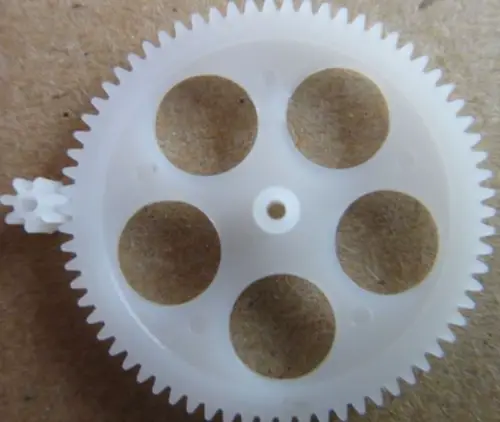
Belt Pulley Manufacturing Processes
Belt pulley manufacturing processes vary by material, application, and precision requirements. The following are common production processes:
Casting Process
Sand Casting: Molten metal is poured into a sand mold to cool and solidify into shape. Suitable for complex‑shaped, large‑size belt pulleys. Low cost but high surface roughness, requiring subsequent machining.
Metal Mold Casting: Casting is performed using metal molds. Fast cooling, dense structure, and high dimensional accuracy. Suitable for mass production of small and medium‑sized belt pulleys.
Die Casting: Molten metal is rapidly injected into the mold under high pressure to produce high‑precision, high‑strength belt pulleys. Applicable to low‑melting‑point metals such as aluminum alloy and zinc alloy.
Forging Process
Open Die Forging: Plastic deformation of metal blanks via hammering or press. Suitable for single‑piece or small‑batch production. Refines metal grains to improve strength and toughness.
Closed Die Forging: Metal blanks are forged in molds for precise control of dimensions and shape. High production efficiency, suitable for mass production of high‑precision belt pulleys.
Stamping Process
Blanking and Punching: Metal sheets are cut and punched using presses and dies to form the basic shape and mounting holes of belt pulleys.
Deep Drawing: Flat blanks are drawn into cylindrical or complex‑shaped belt pulleys through multiple drawing processes. Suitable for thin sheet materials.
Spinning: Rollers apply pressure to rotating blanks, gradually deforming the material to fit the mold and form pulley teeth or special shapes. Features material saving, energy saving, and high precision.
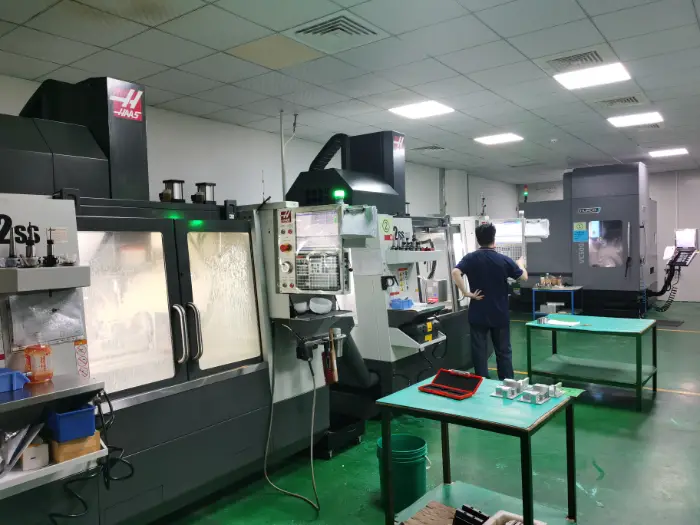
CNC Machining
Turning: Lathes are used to cut the outer circle, end face, inner hole, etc., of belt pulleys to ensure dimensional accuracy and surface roughness.
CNC Milling: Used to machine tooth profiles, keyways, cavities, and other parts of belt pulleys. Improves processing efficiency and precision.
CNC grinding: Grinds the surface and inner hole of belt pulleys to enhance surface quality and dimensional accuracy. Commonly used for pulleys requiring high finish.
Welding Process
Arc Welding: Metal is melted by arc heat to weld pulley components together. Suitable for large or complex‑structured belt pulleys.
Gas Welding: Metal is heated by flame from combustible gas mixed with oxygen for welding. Flexible operation but relatively low welding quality.
Resistance Welding: Metal is melted and joined by resistance heat generated by current passing through metal contact surfaces. Suitable for welding thin sheet materials.
Selection Technical Specifications
Selecting the right belt pulley is not just about choosing the correct size. Precise dimensions are critical to ensure smooth operation of mechanical transmissions without slipping or premature wear. Choosing the right specifications at once saves significant future maintenance time.
Bore Diameter, Keyway, and Set Screws
Bore diameter is the most critical starting point—it must perfectly match your motor or drive shaft. In the U.S. market, we typically handle both imperial and metric timing standards. To withstand high‑torque loads, a keyway is usually machined inside the bore, and a metal key locks the pulley to the shaft to prevent internal rotation. For light‑duty applications, set screws are used to fasten the pulley directly to the shaft.
| Feature | Purpose | General Standard |
|---|---|---|
| Bore Diameter | Mounts the belt pulley to the drive shaft | 1/4 inch, 1/2 inch, 5/8 inch, 8 mm, 10 mm |
| Keyway | Prevents shaft slippage under high loads | Square or rectangular groove |
| Set Screw | Fixes pulley position | 90° or 120° offset placement |
Understanding Pitch, Diameter, and Flange
In terms of pulley geometry, pitch refers to the distance between the centers of two adjacent grooves. Pitch must fully match the belt to ensure smooth rotary power transmission. The outer diameter of the pulley determines the gear ratio, and the flange (raised edge on the pulley side) is critical to prevent the belt from derailing during operation.
- Pitch Diameter: The theoretical diameter where the belt tension members run.
- Outer Diameter (OD): Actual measured width of the pulley from edge to edge.
- Flange: Flanging is usually required on at least one pulley in a two‑shaft system to maintain alignment.
Standard Tolerances for Precision Assembly
Precision is critical and non‑negotiable in high‑speed systems. All belt pulleys comply with strict manufacturing tolerances to minimize “runout”. Tolerances of bore and notch contours are strictly controlled to ensure a tight “interference fit” or “sliding fit”, maintaining balance and quiet operation of the entire assembly.
Belt Pulley Applications and Scenarios
Belt pulleys are the main force behind countless industries, from precision electronic product manufacturing to heavy earth‑moving machinery.
Industrial Automation and Robotics
Precision is critical in the fast‑paced automation field. Suitable belt pulley systems ensure precise positioning and smooth rotary power transmission for robotic arms, 3D printers, and automated assembly lines. Whether the system requires standard or metric timing setups, high‑quality belt pulleys guarantee the high‑speed, repetitive accuracy required by modern manufacturing plants.
Conveying Systems and Material Handling
Large conveying systems in distribution centers and warehouses transport inventory around the clock. These material handling devices rely heavily on durable mechanical drive components to prevent costly downtime.
- Heavy‑Duty Management: Robust belt pulleys withstand continuous pressure from moving heavy pallets and bulk materials.
- Continuous Uptime: Reliable pulleys reduce belt slippage, keep production lines running, and minimize maintenance downtime.
- Speed Control: Conveyor speed can be easily fine‑tuned by selecting specific pulley diameters and correct bore sizes to meet precise production requirements.
Automotive and High‑Torque Machinery
The automotive industry and heavy industrial machinery require components that can withstand extreme stress and high torque. Sturdy belt pulleys are core parts of engine timing and accessory drive systems. From complex serpentine belt drives under the hood of household trucks to high‑torque drives used in agricultural and construction equipment, these pulleys withstand severe vibration, high temperatures, and heavy loads while maintaining stable operation.
Conclusion
The above covers the basic knowledge and manufacturing solutions of belt pulleys I have learned so far. If you need more information or a custom quote for belt pulleys, please contact us at Weldo Machining.
With 14 years of machining experience, we handle custom processing for over 100 materials and more than 50 surface treatment options. We are confident in solving all your manufacturing challenges.