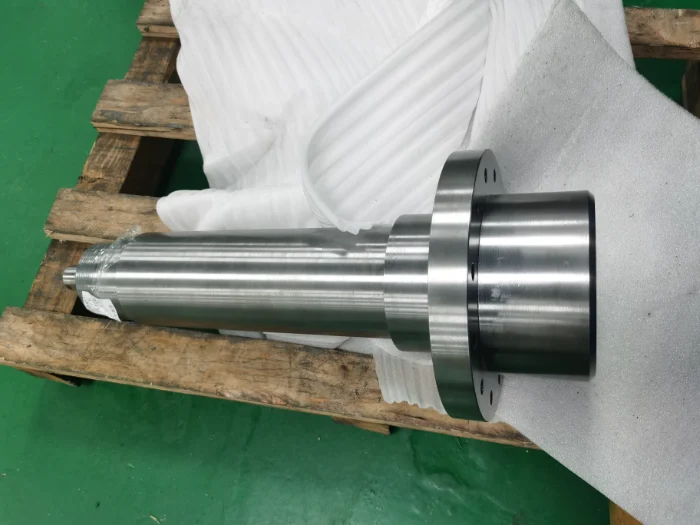

Understanding cnc turning parts price is essential for buyers sourcing precision cylindrical components for automotive, aerospace, medical, industrial machinery, and electronics applications. CNC turning is one of the most efficient machining processes for round, shaft-type, and rotational parts, but the final cnc turning parts price can vary significantly depending on material, geometry, tolerance, quantity, and finishing requirements.
This guide explains how cnc turning parts price is calculated, which factors matter most, typical price ranges, and how to reduce total cost without compromising quality.

What Is CNC Turning and Why Price Matters
CNC turning uses computer-controlled lathes to remove material from rotating workpieces, producing accurate circular features such as shafts, bushings, pins, sleeves, and threaded parts. Because the process is highly automated, cnc turning parts price is often lower than CNC milling for similar-sized components, especially in medium to high volumes.
However, cnc turning parts price is not fixed. Understanding the pricing model allows buyers to make smarter design and sourcing decisions.
Key Factors That Affect CNC Turning Parts cost
Material Selection
Material is one of the largest contributors to cnc turning parts price.
- Aluminum (6061, 7075): Low machining resistance, lower cost
- Carbon steel (1018, 1045): Moderate price, good machinability
- Stainless steel (304, 316, 17-4PH): Higher cost and longer machining time
- Titanium alloys: High material and machining cost
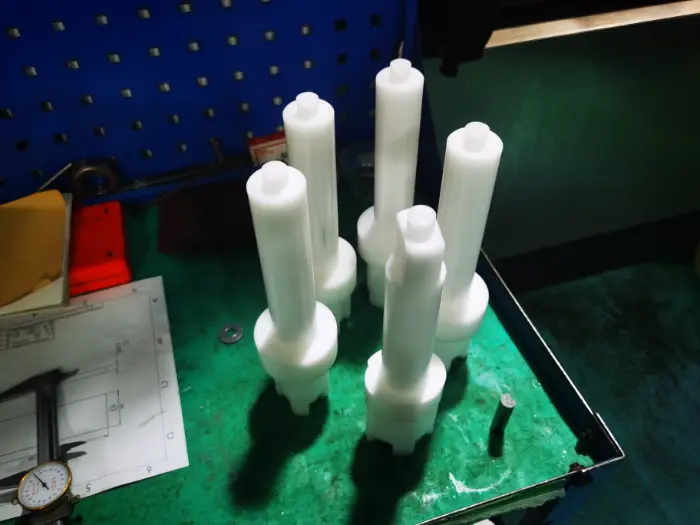
- Engineering plastics (POM, PTFE, PEEK): Material-dependent pricing
Harder materials increase tool wear and machining time, raising cnc turning parts price.
Part Geometry & Complexity
Simple cylindrical parts have a much lower cnc turning parts price than complex geometries.
Price increases when parts include:
- Multiple diameters and steps
- Deep grooves and undercuts
- Tight internal bores
- Precision threads or micro-features
- Secondary milling operations (turn-mill parts)
The more tool changes and toolpaths required, the higher the cnc turning parts price.
Tolerances & Precision Requirements
Precision directly affects cnc turning parts price.
- Standard tolerance: ±0.05–0.10 mm
- High-precision tolerance: ±0.01–0.02 mm
- Ultra-precision tolerance: ±0.005 mm
Tighter tolerances require slower feeds, better tooling, additional inspection, and sometimes temperature-controlled machining, all of which increase cnc turning parts price.
Surface Finish Requirements
Surface finish impacts both appearance and function.
Common finishes include:
- As-machined
- Polishing
- Brushing
- Anodizing
- Passivation
- Plating
Cosmetic or functional finishing can add 10–50% to the total cnc turning parts price depending on process and parts size.
CNC Turning Parts Price vs CNC Milling Cost
In many cases, cnc turning parts price is more competitive than milling.
When Turning Is Cheaper
- Round or axis-symmetric parts
- Long shafts or rods
- Large batch production
- Simple stepped geometries
When Milling Is Needed
- Complex prismatic features
- Flat surfaces or pockets
- Multi-axis holes
Hybrid turn-mill machining combines both but increases cnc turning parts price compared to pure turning.

Volume & Batch Size Impact on CNC Turning Parts Price
Prototype & Small Batch (1–20 pcs)
- Higher unit cnc turning parts price
- Setup and programming cost spread over fewer parts
- Ideal for testing and validation
Medium Volume (50–500 pcs)
- Optimal balance between cost and flexibility
- Lower unit cnc turning parts price
- Stable production consistency
High Volume (1000+ pcs)
- Lowest unit cnc turning parts price
- Requires stable design and long-term planning
Batch quantity is one of the fastest ways to reduce cnc turning parts price.
Typical CNC Turning Parts Price Range
| Part Type | Material | Approx. Price (USD/pc) |
|---|---|---|
| Simple shaft | Aluminum | $5 – $15 |
| Precision pin | Steel | $8 – $25 |
| Threaded bushing | Stainless steel | $15 – $40 |
| Complex turned part | Titanium | $40 – $150 |
| Plastic turned part | POM / PTFE | $6 – $30 |
Actual cnc turning parts price depends on tolerances, quantity, and finishing.
Cost Structure Behind CNC Turning Parts Price
Material Cost
Raw material cost varies by alloy and global market conditions.
Machining Time
Cycle time is the main cost driver in cnc turning parts price.
Tooling & Tool Wear
Harder materials consume tools faster.
Setup & Programming
Higher impact on small-batch production.
Inspection & Quality Control
Tight tolerances increase inspection time and cost.
How to Reduce CNC Turning Parts Price
Optimize Part Design
- Avoid unnecessary tight tolerances
- Use standard diameters and threads
- Minimize secondary operations
Choose the Right Material
Use aluminum or machinable steel when performance allows.
Increase Batch Quantity
Higher volume significantly lowers unit cnc turning parts price.
Simplify Surface Finish
Only specify required functional finishes.
Use DFM Support
Design-for-manufacturability reviews often reduce cnc turning parts price by 10–30%.
Industries Using CNC Turning Parts
- Automotive: shafts, pins, bushings
- Aerospace: fasteners, connectors, sleeves
- Medical: cylindrical device components
- Industrial machinery: spacers, rollers, couplings
- Electronics: precision housings and connectors
Each industry places different demands on cnc turning parts price and precision.
Conclusion
The cnc turning parts price depends on material choice, part geometry, tolerances, volume, and finishing requirements. By understanding these factors and applying smart design and sourcing strategies, buyers can achieve high-precision turned parts at competitive prices. CNC turning remains one of the most cost-effective manufacturing methods for cylindrical components across many industries.if you want know more details or get a quote,please feel free to contact with us.