








What is Overmolding?
Overmolding is a highly efficient manufacturing process that seamlessly combines two or more different materials into a single, unified part. Typically, it involves injecting a softer, pliable material over a rigid substrate. We utilize this technique to eliminate the need for secondary assembly, reduce production costs, and dramatically enhance the durability and aesthetic appeal of the final product.
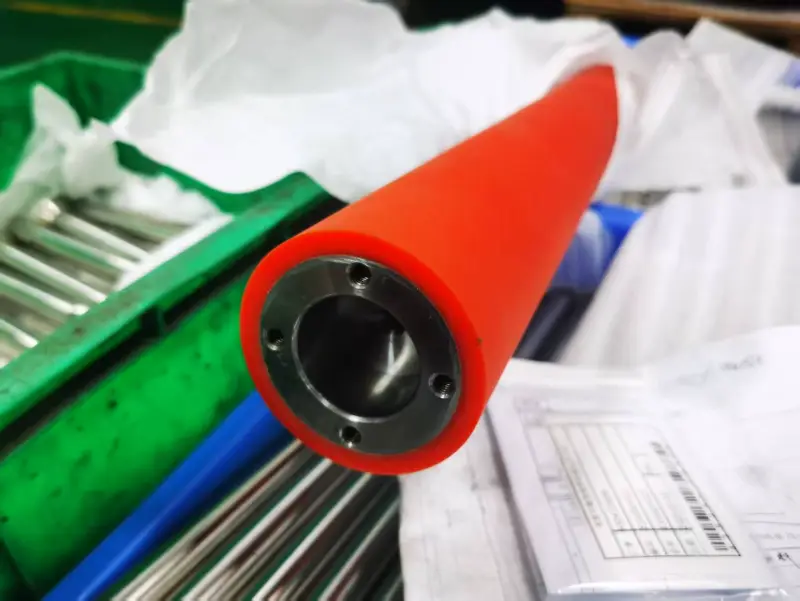
Overmolding Processing steps
Executing a flawless overmolding run requires precision. The core steps include:
- Substrate Creation: The rigid base part is molded first using standard injection molding techniques.
- Placement: The finished substrate is either manually or robotically placed into a second mold cavity.
- Overmolding: The second material—often a flexible thermoplastic—is injected into the mold, flowing over and around the specific areas of the substrate.
- Cooling and Ejection: The combined part cools, creating a permanent bond, and is ejected as a single component.
The Overmolding Process Explained
At its core, the overmolding process relies on creating a robust bond between disparate materials. This bond can be chemical, where the two materials melt and fuse at a molecular level, or mechanical, where the design of the substrate includes undercuts or holes that physically lock the overmolded material in place. We prioritize strong chemical adhesion to ensure the product withstands rigorous daily use without delamination.
Overmolding base material options
Choosing the right foundation is critical. Common base materials (substrates) include:
Plastics
Polypropylene (PP):
Lightweight, resistant to chemical corrosion, and has good heat resistance. It is commonly used in automotive parts, household appliance housings, packaging containers, etc., and shows good compatibility with overmolding materials such as TPE and TPU.
Acrylonitrile Butadiene Styrene (ABS):
High strength, good toughness, and easy processing. It is widely used in electronic housings, automotive interiors, tool handles, etc., and is often overmolded with TPE or silicone to enhance tactile feel or anti-slip performance.
Polycarbonate (PC):
High transparency, high impact strength, and good weather resistance. It is used in optical components, safety covers, mobile phone housings, etc., and can be overmolded with TPE or TPU to improve durability or provide a soft-touch feel.
Nylon (PA6, PA66):
High strength, wear-resistant, and oil-resistant. It is commonly used in industrial parts, automotive components, sports equipment, etc. During overmolding, attention must be paid to material polarity and melting point matching.
Polyethylene Terephthalate (PET) and Polybutylene Terephthalate (PBT):
Semi-crystalline plastics with good chemical resistance and heat resistance. They are commonly used in packaging and electronic connectors. Higher injection molding temperatures are required during overmolding to ensure proper adhesion.
Metals
Aluminum and Aluminum Alloys:
Lightweight, corrosion-resistant, and easy to process. They are used in automotive parts, architectural doors and windows, electronic enclosures, etc. They are often overmolded with TPE, TPU, or silicone to provide anti-slip, shock absorption, or insulation functions.
Steel and Stainless Steel:
High strength and good toughness. They are used in structural components, connectors, medical devices, etc. Overmolding can improve corrosion resistance, aesthetics, or provide a soft-touch feel.
Copper:
Excellent electrical and thermal conductivity. It is used in wires, cables, and electronic components. Overmolding with silicone or TPE can enhance insulation and protection performance.
Composites
Carbon Fiber Composites:
High strength, high modulus, and lightweight. They are used in aerospace, automotive, and high-end sports equipment. They are often overmolded with TPE, TPU, or silicone to improve surface properties or provide flexible connections.
Glass Fiber Reinforced Plastic (GFRP):
High strength, corrosion-resistant, and excellent insulation properties. It is used in construction, chemical industries, marine applications, etc. Overmolding can enhance appearance or functionality.
High-temperature Resins: PEEK or PEI:
Suitable for extreme industrial environments. They offer excellent high-temperature resistance, high mechanical strength, chemical resistance, and dimensional stability. They are used in aerospace, medical devices, and high-end industrial equipment under extreme conditions. Overmolding can improve wear resistance, insulation, or operational comfort.
Wood and Engineered Wood Materials
Medium Density Fiberboard (MDF):
Smooth surface and easy to process. It is commonly used in furniture and decorative panels. Overmolding with PVC, TPE, or silicone can improve water resistance, aesthetics, or tactile feel.
Solid Wood:
A natural material used in high-end furniture and decorative items. Overmolding can protect the surface or provide special functional properties.
Common Overmolding Elastomer Materials
TPE (Thermoplastic Elastomer):
TPE combines the easy processability of plastics with the elasticity of rubber. It has a wide hardness range (Shore 0A–60D), is environmentally friendly, non-toxic, and recyclable. It is commonly used for overmolding with substrates such as PP, ABS, and PC, and is widely applied in daily product handles, electronic housings, and automotive interiors, providing a soft-touch feel and excellent anti-slip performance.
TPU (Thermoplastic Polyurethane):
TPU has strong molecular polarity, exhibiting excellent abrasion resistance and tear strength. It also forms strong adhesion with engineering plastics such as PC, ABS, and PA, and offers good temperature resistance. It is suitable for products requiring high strength and wear resistance, such as phone cases, wearable device straps, automotive interiors, and cable sheathing.
TPV (Thermoplastic Vulcanizate):
TPV is produced through dynamic vulcanization technology, combining the high elasticity of rubber with the processing advantages of plastics. It offers excellent heat resistance, weather resistance, and oil resistance. It is particularly suitable for overmolding with PP substrates and is commonly used in automotive seals, outdoor tool handles, and components used in high-temperature environments.
LSR (Liquid Silicone Rubber):
LSR has outstanding high- and low-temperature resistance, biocompatibility, and sealing performance. After curing, it is soft, smooth, and non-irritating to the human body. It is widely used in medical devices, baby products, kitchen and bathroom products, and 3C electronics for sealing and overmolding, and is especially suitable for bonding with PC, PA, and metal substrates.
EVA (Ethylene-Vinyl Acetate Copolymer):
EVA is soft and has excellent foaming properties, providing outstanding cushioning and shock absorption. However, it has relatively weak adhesion to materials such as ABS and nylon. It is typically used in the form of foamed materials or preformed parts in applications such as luggage linings, sports shoe midsoles, and precision equipment shock-absorbing structures.
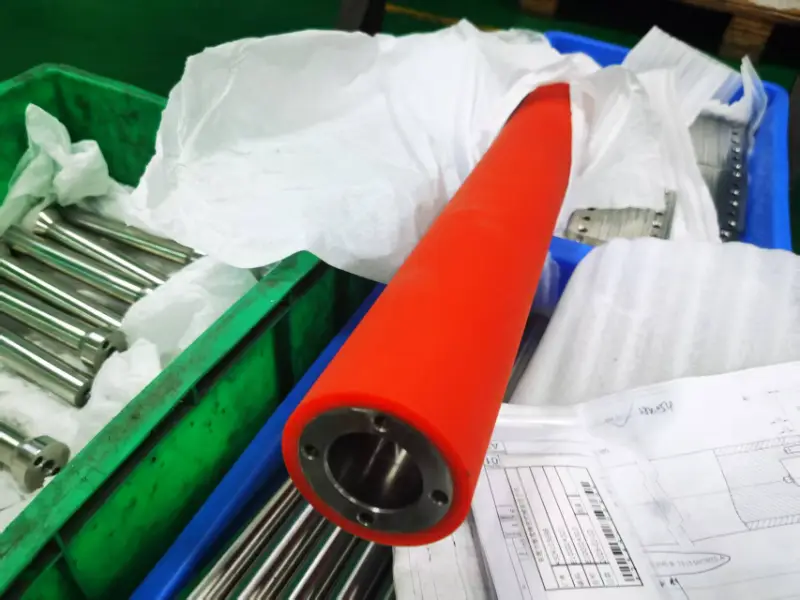
Substrate and Coating Material Design and Combination
Choosing the Right TPE and Substrate
Selecting the optimal combination dictates the success of your product. For the overmold layer, TPE and TPU (Thermoplastic Elastomers and Polyurethanes) are industry favorites because they provide an excellent soft-touch grip and exceptional durability. The rigid substrate must possess a higher melting point than the overmold material to prevent warping or deformation during the second injection phase.
Not all plastics mix well. Ensuring chemical compatibility is essential for achieving permanent adhesion. Below are the compatibility guidelines for coating colloids and base materials, summarized by Weldo Machining based on years of experience in coating processes, for your reference only:
| Substrate | Overmolding Material | Functional Reason |
| PP (Polypropylene) | TPE / TPV | Similar polarity ensures good compatibility and strong adhesion; provides soft touch, anti-slip, and fatigue resistance |
| ABS | TPE / TPU / LSR | Easy surface adhesion; improves tactile feel, grip, and impact resistance; ideal for aesthetic parts |
| PC (Polycarbonate) | TPU / TPE / LSR | High strength base; overmolding enhances scratch resistance and soft touch; LSR adds sealing and heat resistance |
| PA6 / PA66 (Nylon) | TPU / LSR | Strong polarity enables good bonding with TPU; improves wear resistance, oil resistance, and flexibility |
| PET / PBT | TPU / TPE | Semi-crystalline materials requiring higher molding temperatures; enhances wear resistance and structural protection |
| Aluminum Alloys | TPE / TPU / LSR | Rigid substrate with soft overmold for anti-slip, shock absorption, and electrical insulation; improves grip comfort |
| Steel / Stainless Steel | TPE / LSR | Provides corrosion protection, cushioning, anti-slip performance, and improved user comfort |
| Copper | TPE / LSR | Adds electrical insulation, heat resistance, and oxidation protection |
| Carbon Fiber Composites | TPU / TPE / LSR | Protects surface from scratches; enables localized flexibility and improved handling |
| Glass Fiber Reinforced Plastic (GFRP) | TPE / TPU | Enhances appearance, impact resistance, and anti-slip properties |
| PEEK / PEI (High-temp resins) | LSR / TPU | Compatible with high-temperature systems; improves wear resistance, insulation, and ergonomic handling |
| MDF (Medium Density Fiberboard) | PVC / TPE | Improves water resistance, moisture protection, and decorative appearance |
| Solid Wood | TPE / LSR | Protects surface while adding anti-slip properties and maintaining a premium tactile feel |
| General Plastic Structural Parts | EVA (Foamed) | Mainly used for cushioning and shock absorption (not for strong adhesion bonding) |
If materials are incompatible, we must engineer mechanical interlocks into the part design to guarantee structural integrity.
Part Design and Tooling Considerations
Effective overmolding requires specialized design protocols. We engineer tools to ensure precise shut-off areas, preventing flash (excess material seepage) between the two layers. Uniform wall thickness is crucial to avoid sink marks and uneven cooling. Additionally, incorporating proper draft angles ensures smooth ejection of the complex, multi-material part from the mold.
Common Overmolding Challenges and Solutions
Insufficient Bond Strength
Poor material compatibility or surface contamination can lead to weak adhesion, causing delamination or peeling.
Solution: Select compatible material combinations (e.g., modified TPE/TPU) and apply surface treatments such as cleaning, plasma, or flame treatment to improve surface energy.
Temperature Control Issues
Uneven mold temperature and differences in material thermal properties can generate internal stress, leading to warpage or cracking.
Solution: Optimize mold temperature control systems and precisely manage processing temperature and cooling rates to ensure proper melting and shrinkage matching.
Filling and Flow Problems
Complex geometries or improper runner design can result in incomplete filling, weld lines, or surface defects.
Solution: Optimize runner and gate design, increase injection speed/pressure if needed, and use flow simulation for validation.
Positioning and Dimensional Accuracy Issues
Insert misalignment or insufficient mold precision can cause uneven thickness, dimensional deviations, and poor appearance.
Solution: Use precise positioning structures (e.g., pins/fixtures), improve mold accuracy, and perform regular maintenance.
Demolding Difficulties
Excessive adhesion or improper mold surface treatment can lead to sticking, part damage, or deformation during ejection.
Solution: Improve mold surface finish (polishing/coating), apply release agents properly, and optimize draft angles.
Poor Process Stability
Parameter fluctuations or unstable equipment can lead to inconsistent quality between production batches.
Solution: Standardize process parameters, implement automated control systems, and strengthen equipment maintenance and monitoring.
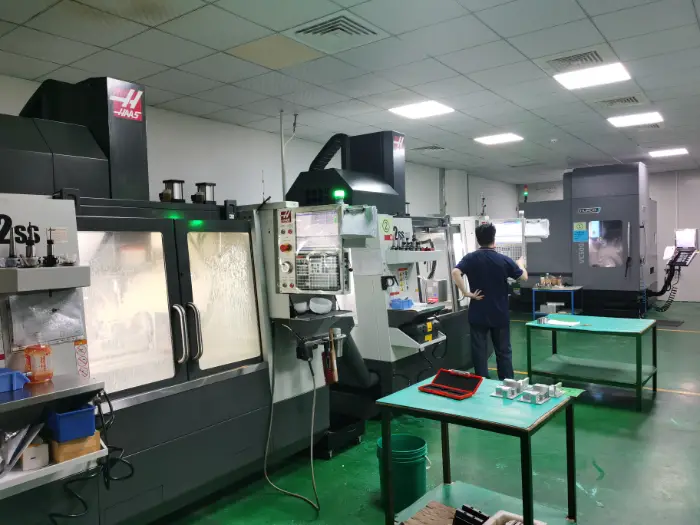
Common Applications for Overmolding
Automotive and Industrial Devices
In the automotive and industrial sectors, overmolding is indispensable for creating parts that endure harsh conditions. We produce heavy-duty tool handles with vibration-dampening grips, weatherproof seals for electrical housings, and robust dashboard components that require both structural rigidity and a premium, soft-touch finish.
Consumer Goods and Electrical Appliances
The US consumer market demands products that are both functional and ergonomic. Overmolding is the standard for manufacturing premium toothbrushes, ergonomically gripped kitchen utensils, ruggedized phone cases, and waterproof seals for smart home appliances.
Medical and Cosmetic Industries
Precision and hygiene rule the medical and cosmetic fields. We frequently utilize liquid silicone rubber (LSR) for overmolding medical devices like surgical instruments, syringes, and wearable monitors. In cosmetics, it creates luxurious, tactile packaging for high-end skincare products and precision applicators.
The Pros and Cons of Overmolding
Understanding the trade-offs is essential for smart manufacturing decisions.
The Pros:
- Enhanced User Experience: Provides excellent ergonomics, vibration dampening, and a soft-touch grip.
- Cost Efficiency: Eliminates the need for secondary assembly operations and adhesives.
- Superior Durability: Creates a seamless, waterproof, and dustproof seal between components.
The Cons:
- Higher Tooling Costs: Requires manufacturing two sets of molds or a complex two-shot mold.
- Strict Design Limits: Demands precise material pairing and exact tooling to prevent defects.
Other similar processes
How to combine turning and CNC machining with overmolding
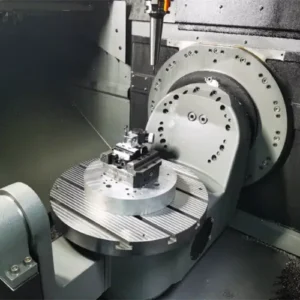
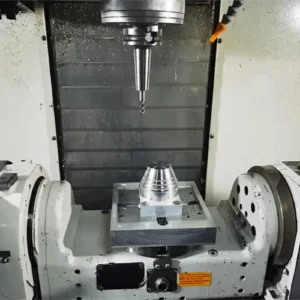
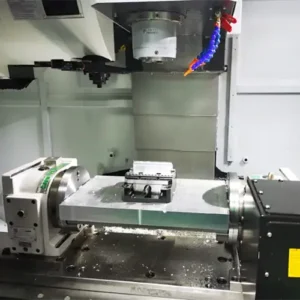
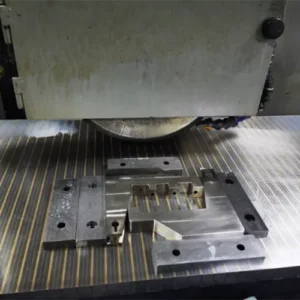
For product projects requiring extremely high tolerances or concentricity, we combine CNC machining and turning with overmolding processes. We remove excess material from overmolded parts such as bearings, wheels, and covered metal shafts through turning or milling to meet customer precision requirements and assembly performance, ensuring the product’s proper functioning.
Best Uses for the Overmolding Process
Overmolding is best utilized for high-volume production runs where product ergonomics, integrated sealing, and aesthetic differentiation are key selling points. It is the ultimate solution for consumer electronics, hand tools, and medical devices where assembling multiple parts manually would be cost-prohibitive and structurally inferior.
if you want to know more details or get quote about overmolding & cnc machining,you can feel free to contact with us.
Frequently Asked Questions About Overmolding
What is TPE Overmolding?
TPE overmolding is the specific process of injecting a Thermoplastic Elastomer over a rigid substrate. This is the industry-standard method for adding a comfortable, slip-resistant exterior to a solid plastic or metal product.
What Plastics Can You Overmold?
We can overmold a wide variety of plastics. The most common rigid substrates include ABS, PC, PP, and Nylon. The most common overmold materials are flexible TPE, TPU, and liquid silicone rubber. The exact pairing depends strictly on chemical compatibility and melting points.
What is the alternative to overmolding?
The primary alternatives are insert molding (which typically involves encasing a small metal part within plastic rather than adding a soft layer over a rigid one), co-injection molding (injecting two materials simultaneously), or relying on manual assembly using industrial adhesives and fasteners. However, manual assembly rarely matches the durability and seamless finish of a true overmolded part.