
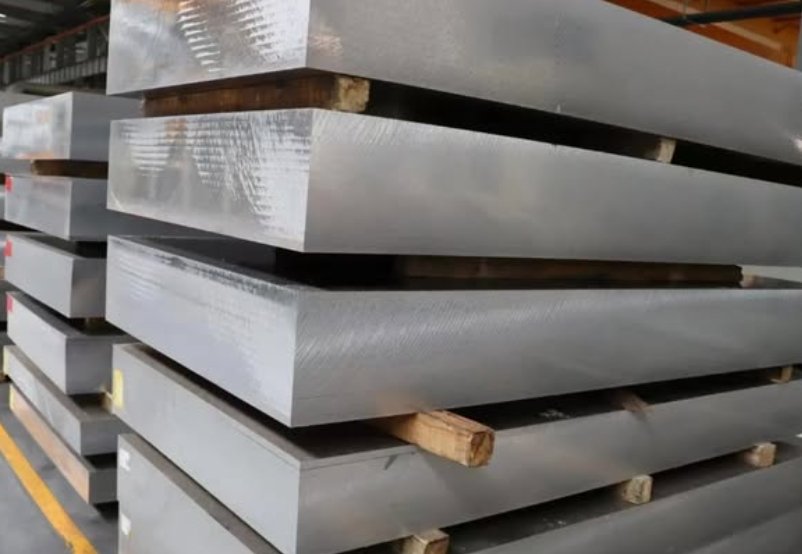
Aluminum alloy, as one of the most commonly used machining materials, is widely seen in CNC machining, aluminum extrusion, and sheet metal fabrication factories. This is due to its excellent comprehensive properties, including good strength, toughness, corrosion resistance, and machinability. This article mainly introduces aluminum strength from the perspective.
How Strong Is Aluminum? Strength Chart by Alloy and Temper
Aluminum strength depends on both the alloy grade and temper. Pure aluminum has excellent ductility and formability but relatively low strength. Alloying elements and heat treatment can significantly improve its mechanical properties.
The following table compares typical room-temperature values for common aluminum alloys and tempers:
| Aluminum Alloy and Temper | Yield Strength | Tensile Strength | Elongation | Strength Characteristics |
|---|---|---|---|---|
| 1100-O | 34 MPa | 90 MPa | 30% | Low strength with excellent formability |
| 5052-H32 | 193 MPa | 228 MPa | 12% | Medium strength and excellent corrosion resistance |
| 6061-T6 | 276 MPa | 310 MPa | 12% | Balanced strength, machinability, and corrosion resistance |
| 2024-T3 | 345 MPa | 483 MPa | 16% | High strength and good fatigue resistance |
| 7075-T6 | 503 MPa | 572 MPa | 11% | Very high strength for lightweight structures |
Aluminum alloys cover a wide strength range. The typical tensile strength increases from 90 MPa for 1100-O to 572 MPa for 7075-T6.
Temper also affects material performance:
- O: fully annealed, with low strength and high ductility.
- H32: strain-hardened and stabilized.
- T3: solution heat-treated, cold-worked, and naturally aged.
- T6: solution heat-treated and artificially aged.
Aluminum strength must therefore be compared using both the alloy grade and temper. Comparing only 5052, 6061, or 7075 does not provide an accurate result.
These values are typical reference data. Final design decisions should follow the applicable standard, product form, thickness, material direction, and material certificate.
5052 vs 6061 vs 7075 Aluminum Strength Comparison
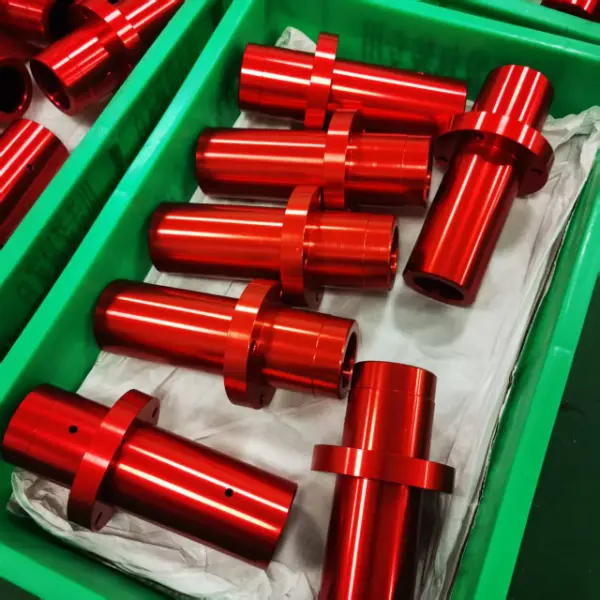
For the most common tempers, the strength ranking is:
7075-T6 > 6061-T6 > 5052-H32
The yield strength of 7075-T6 is approximately 2.6 times that of 5052-H32. The yield strength of 6061-T6 is about 43% higher than that of 5052-H32.
However, strength is not the only selection factor:
| Alloy | Relative Strength | Formability | Corrosion Resistance | Machinability | Best For |
|---|---|---|---|---|---|
| 5052-H32 | Medium | Excellent | Excellent | Moderate | Sheet metal, tanks, and marine parts |
| 6061-T6 | High | Moderate | Good | Excellent | CNC parts, brackets, and machine frames |
| 7075-T6 | Very High | Limited | Moderate | Good | Aerospace and high-load structures |
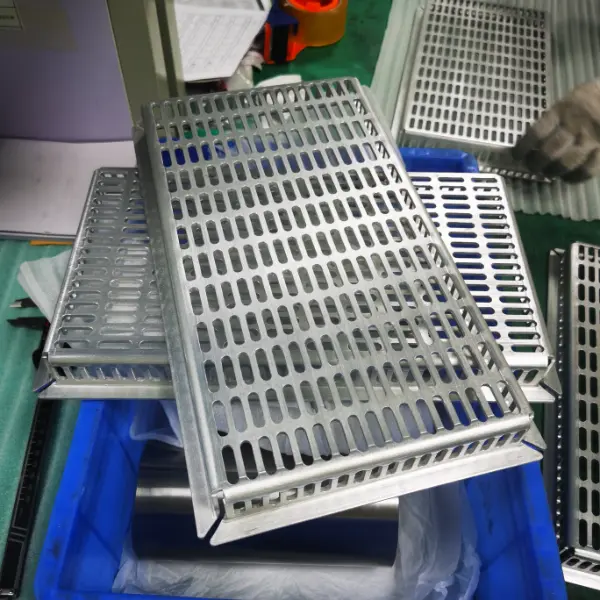
5052-H32 offers excellent formability, weldability, and resistance to seawater corrosion. It is commonly used for bent or stamped sheet metal parts.
6061-T6 balances strength, machinability, corrosion resistance, and cost. It is a practical choice for CNC-machined structural components.
7075-T6 provides the highest strength of the three. It is suitable for aerospace parts and other lightweight structures exposed to high loads.
In simple terms, choose 5052-H32 for forming and corrosion resistance, 6061-T6 for balanced CNC performance, and 7075-T6 when strength is the priority.
Which Is the Strongest Aluminum Alloy?
7075-T6 is one of the strongest commonly used aluminum alloys. Its typical yield strength is 503 MPa, while its tensile strength reaches 572 MPa. It is widely used for aerospace structures, high-load connectors, and precision components.
Among specialty alloys, 7068-T6511 is stronger than 7075-T6511. Typical extruded-product values are:
| Alloy and Temper | Yield Strength | Tensile Strength |
|---|---|---|
| 7068-T6511 | 683 MPa | 710 MPa |
| 7075-T6511 | 590 MPa | 640 MPa |
These values apply to comparable extruded products. They should not be directly compared with 7075-T6 sheet data because product form, dimensions, temper, and material direction affect strength.
The selection is clear:
- Choose 7075-T6 for widely available, high-strength engineering applications.
- Choose 7068-T6511 for specialized parts requiring even greater strength.
Strength alone does not determine suitability. Fatigue life, fracture toughness, corrosion resistance, machinability, joining method, and material availability must also be considered.
Aluminum Specific Strength and Strength-to-Weight Ratio
Specific strength describes how much strength a material provides relative to its density. It is especially useful when comparing materials for lightweight structures.
Use this plain-text formula to avoid display problems:
Specific Strength = Material Strength ÷ Density
Specific strength can be calculated using yield or tensile strength. Specific yield strength is more relevant to permanent deformation, while specific tensile strength relates to ultimate failure.
| Aluminum Alloy | Density | Yield Strength | Specific Yield Strength |
|---|---|---|---|
| 5052-H32 | 2.68 g/cm³ | 193 MPa | 72 MPa/(g/cm³) |
| 6061-T6 | 2.70 g/cm³ | 276 MPa | 102 MPa/(g/cm³) |
| 7075-T6 | 2.81 g/cm³ | 503 MPa | 179 MPa/(g/cm³) |
7075-T6 is only about 5% denser than 5052-H32, but its yield strength is approximately 2.6 times higher. It therefore provides a much greater strength-to-weight ratio. 6061-T6 offers a more balanced combination of specific strength, machinability, corrosion resistance, and cost.
Aluminum has approximately one-third the density of steel. High-strength aluminum can therefore reduce component weight while maintaining the required load capacity.
Specific strength is only one selection factor. Stiffness, fatigue strength, fracture toughness, corrosion resistance, wear resistance, and operating temperature must also be evaluated.
What Is the Difference Between Aluminum Strength and Stiffness?
Strength and stiffness are two properties that must be evaluated separately when selecting an aluminum alloy. Strength determines when a part undergoes permanent deformation or fracture under load and is commonly expressed by yield strength and tensile strength. Stiffness determines the amount of elastic deformation produced under load and mainly depends on the elastic modulus and the cross-sectional geometry of the part.
Common aluminum alloys typically have an elastic modulus of approximately 69–72 GPa. Although 6061-T6 and 7075-T6 differ significantly in strength, their elastic moduli are similar. This means that replacing 6061 with 7075 under the same dimensions and loading conditions can increase load-bearing capacity, but it will not substantially reduce the elastic deflection of the part.
If excessive deflection is the main issue in a bracket, beam, mounting plate, or thin-walled housing, simply selecting a stronger material will not solve the problem at its source. More effective methods include increasing the section thickness, shortening the cantilever length, adding reinforcing ribs, optimizing support locations, or changing the cross-sectional geometry.
Material selection can be evaluated according to the following principles:
- Preventing permanent deformation: Focus on yield strength and verify it against the actual load, safety factor, and locations of stress concentration.
- Preventing fracture: Focus on tensile strength, fracture toughness, fatigue performance, and the loading direction of the part.
- Limiting elastic deformation: Focus on elastic modulus, area moment of inertia, support configuration, and part geometry.
- Controlling weight: Compare the specific strength of the materials and the final part weight after meeting stiffness and strength requirements.
Therefore, selecting an aluminum alloy for a custom part should not be based solely on the grade with the highest strength. When structural stiffness is insufficient, the part geometry should be optimized first. When load-bearing capacity is insufficient, an alloy and temper with higher yield strength and better fatigue performance should be selected.
How Do Product Form and Temper Affect Aluminum Strength?
The mechanical properties of the same aluminum alloy grade cannot be treated as identical when it is supplied as plate, extrusion, bar, forging, or casting. The production method changes the grain structure, deformation direction, residual stress, and internal defect level of the material. Therefore, a drawing should specify more than simply “6061” or “7075”; it should also define the product form, temper, and applicable standard.
Sheet and plate: Rolling creates a distinct material orientation. Strength, elongation, and fracture toughness vary among the longitudinal, long-transverse, and short-transverse directions. The properties at the center of a thick plate may also be lower than those near the surface. For large load-bearing parts, the minimum properties specified by the applicable standard must be verified according to plate thickness and loading direction.
Extruded profiles: Extrusions are suitable for producing long parts with a constant cross-section, but wall thickness, cross-sectional complexity, and quench-cooling conditions affect the final properties. The properties of 6061-T6 and 6061-T6511 extrusions cannot be taken directly from plate data. The appropriate extrusion standard must be used to confirm their properties during procurement.
Forgings: Forging improves material density and directs the metal flow along the part profile, making it suitable for highly loaded connectors, aerospace structural components, and high-fatigue parts. Forging properties are directly related to forging direction, forging ratio, heat treatment, and specimen orientation.
Castings: Cast aluminum alloys can form complex structures, but porosity, shrinkage, and oxide inclusions reduce fatigue strength and elongation. Pressure-containing parts and critical structural components must define the casting grade, heat-treatment condition, internal defect acceptance criteria, and nondestructive testing requirements.
Temper also significantly changes material performance:
- T6: Solution heat-treated and artificially aged to provide high strength. It is a common supply condition for 6061 and 7075 parts.
- T651: Based on the T6 temper with residual stress relieved by stretching. It is more suitable for thick plate and precision CNC parts that require extensive material removal.
- T6511: Commonly used for extruded bars and profiles, with stress relieved by stretching followed by straightening.
- T73, T7351, and T7451: Overaged tempers that reduce peak strength but improve the stress-corrosion resistance and dimensional stability of high-strength aluminum alloys such as 7075.
Engineering drawings should specify the “alloy grade + temper + product form + material standard.” For example, even though 6061-T651 plate and 6061-T6 extrusion share the same alloy grade, their guaranteed properties, residual stress levels, and machining stability are not identical.
Yield strength of aluminum
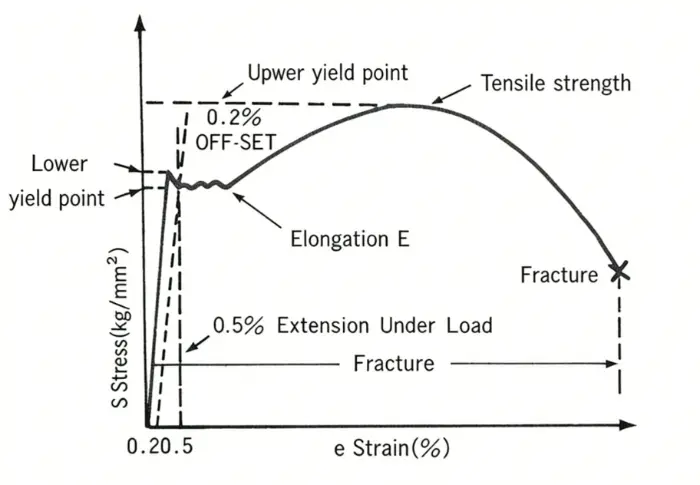
Yield strength is the stress limit at which a metal material resists slight plastic deformation. For materials without a clear yield phenomenon, the yield strength is defined as the stress corresponding to 0.2% residual deformation. When the external force exceeds this value, the part will undergo permanent deformation and fail; below this value, the deformation is recoverable.
The yield strength of pure aluminum is relatively low, only 7–30 MPa, while commonly used aluminum alloys of different grades show significant differences due to heat treatment and aging. For example, 6061-T6 has a yield strength of about 241–276 MPa, 7075-T6 as a high-strength aerospace aluminum can reach 503–505 MPa, and 5052-H32 is about 193 MPa. Annealed materials generally have lower strength, which is an important basis for structural design and machining selection.
How to calculate 6061 t6 aluminum yield strength
The yield strength of 6061-T6 aluminum alloy is measured by a uniaxial tensile test at room temperature: a standard specimen is clamped on a universal material testing machine and stretched at a constant speed while recording the stress–strain curve. Since this alloy has no obvious yield plateau, the 0.2% offset method is used to determine the yield strength, that is, the stress corresponding to a residual strain of 0.2%. In engineering practice, this value is often referred to as the yield strength 6061 T6 aluminum, and is commonly expressed as 6061-T6 aluminum yield strength MPa.
The measured 6061-T6 aluminum yield strength MPa range is usually between 241–276 MPa, and the widely recognized 6061-T6 aluminum yield strength MPa typical value in the industry is 241 MPa. This value is not only a benchmark indicator in aluminum alloy material standards, but also an important basis for mechanical structure design, stress verification, fixture selection, and CNC machining parameter formulation, directly affecting dimensional stability and structural safety during load-bearing, assembly, and long-term use.
The typical tensile strength of 7075-T6 aluminum alloy is about 572 MPa, which represents the maximum tensile stress it can withstand before fracture. As an aerospace-grade high-strength aluminum alloy, this property makes it suitable for structural design and machining applications under high load and high stress conditions.
The following is a table of yield strength parameters for commonly used aluminum alloy materials.
| Alloy | Temper | Yield Strength Range (MPa) | Typical Value (MPa) |
|---|---|---|---|
| 3003 | H14 | 110–145 | ~125 |
| 5052 | H32 | 160–200 | ~193 |
| 5083 | H321 | 215–275 | ~240 |
| 6061 | T6 | 241–276 | 241 |
| 6063 | T6 | 160–200 | ~175 |
| 2024 | T3/T4 | 290–340 | ~320 |
| 7075 | T6 | 503–505 | ~505 |
Tensile strength of aluminum
The tensile strength of pure aluminum is relatively low, typically in the range of 40–90 MPa, with limited strength, mainly used for non-load-bearing structural parts. However, different aluminum alloys show significant differences in tensile strength after heat treatment or cold working. Among them, the typical tensile strength of 6061-T6 is about 260 MPa, offering good overall mechanical properties and machinability. 7075-T6, as a high-strength aerospace aluminum alloy, can reach about 572 MPa. In addition, commonly used 5052-H32 is about 230 MPa, 6063-T6 is about 185 MPa, and 2024-T3 is about 470 MPa. The strength differences among grades directly determine their applicability in various scenarios such as mechanical structures, aerospace, and general profiles.
6061 aluminum tensile strength
The tensile strength of 6061 aluminum alloy varies significantly with heat treatment condition:
O temper (annealed): tensile strength is about 124–193 MPa, with a typical value of 152 MPa for 6061-O aluminum alloy. It is relatively soft with good ductility, suitable for bending, stamping, and complex forming parts;
T4 temper: about 214–276 MPa, with a typical value of 241 MPa for 6061-T4 aluminum alloy. It has moderate strength and good toughness, suitable for structural parts requiring both formability and medium load;
T6 temper: 262–303 MPa, with a typical value of 276 MPa for 6061-T6 aluminum alloy. It has the best combination of strength and corrosion resistance and is the most commonly used condition for machining.
Among commonly used aluminum alloys, the tensile strength of 6061-T6 is moderate, lower than about 572 MPa of 7075-T6, higher than about 185 MPa of 6063-T6, and slightly higher than about 230 MPa of 5052-H32.
With balanced strength, weldability, corrosion resistance, and machinability, 6061 is widely used in structural brackets, automation equipment parts, valve bodies, flanges, heat dissipation components, automotive parts, and pneumatic components. It is a highly cost-effective general engineering aluminum material in scenarios requiring certain load-bearing capacity while maintaining ease of processing.

Ultimate tensile strength of aluminum
The ultimate tensile strength of aluminum alloys is the same as tensile strength; both refer to the maximum stress that the material can withstand before fracture in a uniaxial tensile test divided by the original cross-sectional area, with the unit MPa. Therefore, the typical values of ultimate tensile strength are the same as those of tensile strength. Below are typical ultimate tensile strength (tensile strength) values for common aluminum and aluminum alloys:
| Series | Grade | Temper | Ultimate Tensile Strength (MPa) |
| 1xxx (Pure Aluminum) | 1050 | O | 60–80 |
| 1050 | H18 | 140–170 | |
| 1060 | O | 60–80 | |
| 1060 | H18 | 130–160 | |
| 1100 | H14 | 110–140 | |
| 3xxx aluminum (Al-Mn) | 3003 | O | 100–130 |
| 3003 | H14 | 140–170 | |
| 3004 | H32 | 210–250 | |
| 5xxx aluminum (Al-Mg) | 5052 | O | 170–210 |
| 5052 | H32 | 210–260 | |
| 5052 | H34 | 230–280 | |
| 5083 | H112 | 270–310 | |
| 5083 | H321 | 300–350 | |
| 6xxx aluminum (Al-Mg-Si) | 6061 | T4 | 240 |
| 6061 | T6 | 290–310 | |
| 6063 | T5 | 170–210 | |
| 6063 | T6 | 215–245 | |
| 6082 | T6 | 290–320 | |
| 2xxx aluminum (Al-Cu) | 2017 | T4 | 380–420 |
| 2024 | T3 / T4 | 470–490 | |
| 7xxx aluminum (High-Strength Al-Zn-Mg-Cu) | 7075 | O | 220–240 |
| 7075 | T6 | 560–580 | |
| 7050 | T7451 | 540–590 | |
| Cast Aluminum | A356 | T6 | 220–240 |
| A380 | As-cast | 310–330 |
Breaking strength of aluminum
Fracture strength (σk) refers to the true stress at the moment of final fracture during tensile testing, calculated as the ratio of the load at fracture Pk to the reduced cross-sectional area Ak after necking (σk = Pk/Ak). It is used to characterize the material’s resistance to fracture. For ductile materials, since the load-bearing capacity has already started to decrease after necking, the engineering significance of fracture strength is relatively limited; for brittle materials, since necking hardly occurs, fracture strength is close to tensile strength. Therefore, in practical engineering, tensile strength (σb) is usually used to represent the fracture resistance of materials.
From the stress-strain relationship, fracture strength corresponds to the end of the curve, while tensile strength corresponds to the peak of the curve. Although there is a difference between the two, they are often simplified in engineering applications. For aluminum alloys, fracture strength is greatly influenced by alloy type and heat treatment condition, with typical values ranging from about 70 MPa to 570 MPa. For example, pure aluminum is about 70–110 MPa, 6061-T6 is about 290–320 MPa, and 7075-T6 can reach about 500–570 MPa. If you want to learn more about the fracture strength of other aluminum alloy grades, you can refer to the tensile strength table above or consult weldo engineers.
This graph shows the relationship between tensile strength, fracture strength, and external stress:
Compressive strength of aluminum
The compressive strength of aluminum alloy refers to the maximum compressive stress that aluminum can withstand before significant plastic deformation or crushing occurs under pressure. The compressive strength of aluminum varies greatly depending on alloy type, heat treatment condition, processing technology, and testing conditions. The following are common cases:
pure aluminum
Pure aluminum (such as 1xxx series) has relatively low compressive strength. At room temperature, the compressive yield strength is approximately 7–110 MPa and it is prone to plastic deformation.
common aluminum alloys
6061-T6 aluminum alloy: compressive yield strength is about 240–310 MPa at room temperature, commonly used in mechanical structures and automotive components.
6063-T5/T6 aluminum alloy: compressive yield strength is about 150–200 MPa, mostly used in building curtain walls and doors and windows.
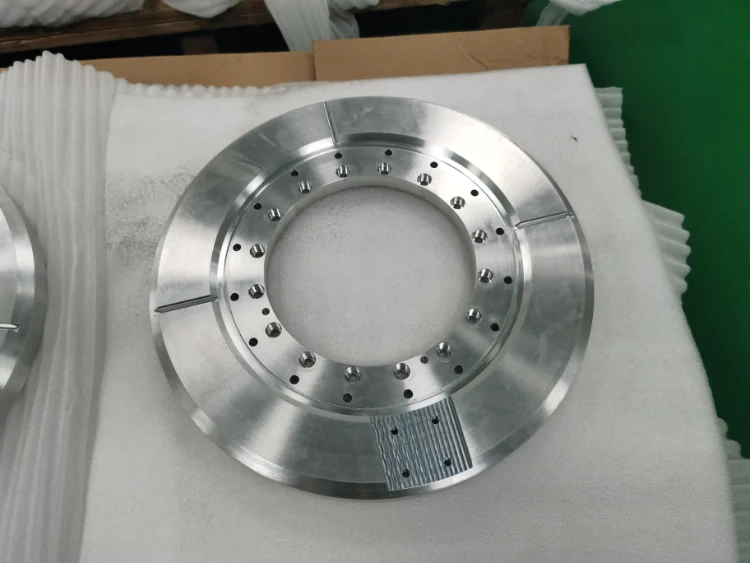
7075-T6 aluminum alloy: compressive yield strength can reach 500–600 MPa, commonly used in aerospace and high-end mechanical fields.
high temperature or special alloys
Some aluminum matrix composites (such as aluminum matrix composites containing Al₃Ti reinforcement phase) can reach a compressive yield strength of 938 MPa at 400℃, but such materials are costly and are mostly used in extreme environments.
New aluminum-based entropy alloys (such as Al₈₅Cu₅Li₄Mg₃Zn₃) have compressive strength exceeding 1000 MPa at room temperature, but have not yet been widely applied.
It should be noted that in actual engineering, the compressive strength of aluminum is affected by factors such as cross-sectional shape, slenderness ratio, and end constraints. Slender components are prone to buckling failure, so structural stability must be considered in design.
The following are reference ranges of compressive strength for common aluminum and aluminum alloys after heat treatment:
| Series | Grade | Temper | Compressive Strength(MPa) |
| 1xxx Pure Aluminum | 1050 | O | 15–30 |
| 1050 | H18 | 140–150 | |
| 1060 | O | 15–30 | |
| 1060 | H18 | 130–140 | |
| 1100 | H14 | 90–110 | |
| 3xxx aluminum (Al-Mn) | 3003 | O | 40–50 |
| 3003 | H14 | 120–140 | |
| 3004 | H32 | 180–200 | |
| 5xxx aluminum (Al-Mg) | 5052 | O | 90–110 |
| 5052 | H32 | 190–210 | |
| 5052 | H34 | 210–230 | |
| 5083 | H112 | 140–160 | |
| 5083 | H321 | 210–240 | |
| 6xxx aluminum (Al-Mg-Si) | 6061 | T4 | 140–160 |
| 6061 | T6 | 240–310 | |
| 6063 | T5 | 130–160 | |
| 6063 | T6 | 190–210 | |
| 6082 | T6 | 250–270 | |
| 2xxx aluminum (Al-Cu) | 2017 | T4 | 240–270 |
| 2024 | T3/T4 | 320–340 | |
| 7xxx aluminum High-Strength | 7075 | O | 90–110 |
| 7075 | T6 | 500–600 | |
| 7050 | T7451 | 460–490 | |
| Cast Aluminum | A356 | T6 | 160–180 |
| A380 | As-cast | 150–170 |
Fatigue strength of aluminum
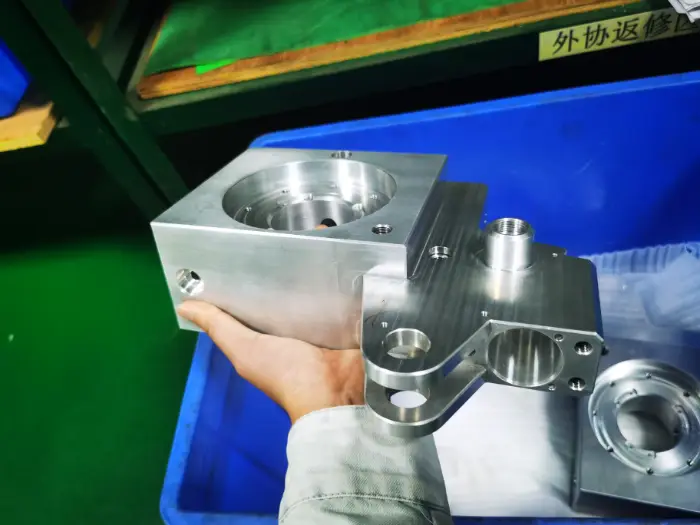
The fatigue strength of aluminum refers to the maximum safe stress that aluminum alloys can withstand under repeated and cyclic loading without fracture. If this value is exceeded, the material will gradually crack and eventually fail after multiple cycles.
It is closely related to the material’s tensile strength: generally, the fatigue strength of aluminum alloys is about one-third of their tensile strength. For example, for aluminum with a tensile strength of 300 MPa, the fatigue strength is usually around 100 MPa. Only specially optimized high-strength aluminum alloys can approach half of their tensile strength.
The following is a quick reference table for fatigue strength of aluminum and aluminum alloys:
| Series | Grade | Temper | Fatigue Strength (10⁷ cycles) |
| 1xxx (Pure Aluminum) | 1060 | O (annealed) | 25–35 |
| 1060 | H18 (cold worked) | 45–60 | |
| 5xxx (Al-Mg) | 5052 | H32 | 115–125 |
| 5083 | H112/H321 | 120–140 | |
| 6xxx (Al-Mg-Si) | 6061 | T6 | 95–100 |
| 6063 | T6 | 90–110 | |
| 2xxx (Al-Cu) | 2024 | T3/T4 | 100–120 |
| 2A12 | T6 | 95–110 | |
| 7xxx (Ultra-high strength) | 7075 | T6 | 150–165 |
| Cast Aluminum | A356 | T6 | 70–85 |
other influencing factors of aluminum fatigue strength
Finer grains and more uniform internal structure lead to higher fatigue strength.
Smoother surfaces and treatments such as shot peening and polishing that introduce compressive stress can significantly improve fatigue resistance and reduce crack initiation.
Loading conditions are also critical: greater stress variation and more severe stress concentration (such as sharp corners and holes) will significantly reduce fatigue performance. Under long-term high-cycle loading, even when stress is far below the yield strength, fatigue failure may still occur.
Shear strength of aluminum
The shear strength of aluminum alloy refers to its ability to resist transverse sliding and shear failure, and in engineering it is typically about 0.6 times the tensile strength. The following are reference values for common aluminum alloys:
shear strength of 6061 aluminum
T6 temper: design shear strength is about 115 MPa, and actual measured shear strength can reach 160–200 MPa.
T4 temper: shear strength is about 85–100 MPa.
6063 aluminum alloy
T6 temper: design shear strength is about 85 MPa, and actual measured shear strength is 120–150 MPa.
T5 temper: shear strength is about 75–90 MPa.
7075 aluminum alloy
T6 temper: shear strength is about 180–220 MPa, one of the highest among common aluminum alloys.
T751 temper: shear strength is about 160–190 MPa.
5052 aluminum alloy
H32 temper: shear strength is about 125–165 MPa, with good corrosion resistance and moderate shear strength.
O temper: shear strength is about 100–120 MPa.
2A04 aluminum alloy (for rivets)
Shear strength ≥275 MPa, suitable for riveting applications with high shear loads.
It should be noted that the above values are typical values. In actual engineering, they should be determined based on specific material specifications, heat treatment processes, and service conditions. For thermal break aluminum profiles, national standards require a shear strength not less than 40 MPa, and industry specifications usually require not less than 45 MPa.
How Can Deformation Be Controlled During Machining?
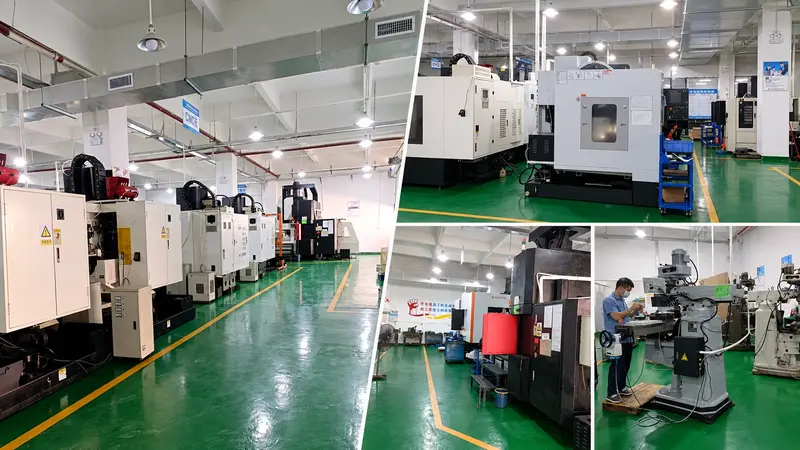
Aluminum alloys have a relatively low elastic modulus and high thermal conductivity, making them sensitive to residual stress, clamping force, and material-removal sequence. Thin-walled housings, long plates, deep-pocket parts, and components subjected to extensive one-sided milling are prone to warping, twisting, wall-thickness variation, and hole-position deviation during machining.
Deformation mainly results from the following factors:
- Residual stress in the raw material: Rolling, extrusion, quenching, and straightening generate residual stresses within the material. When CNC machining disrupts the original stress balance, the part deforms in the direction of stress release.
- Asymmetrical material removal: Removing a large amount of material from only one side of a plate causes uneven stress release between the upper and lower surfaces, resulting in part bending.
- Excessive clamping force: Thin-walled areas may be flattened or straightened while clamped. After the fixture is released, the part springs back, causing dimensional and geometric tolerances to fall outside specification.
- Cutting heat and tool condition: Tool wear, poor chip evacuation, or unsuitable cutting parameters increase localized temperature and cutting forces, causing thermal deformation and surface tearing.
- Insufficient structural rigidity: Deep pockets, narrow ribs, long overhangs, and thin-walled structures are prone to vibration or tool deflection under cutting forces, resulting in uneven thickness and profile errors.
Precision aluminum parts should be machined in stages. Rough machining is performed first while leaving a uniform allowance. The part is then allowed to stabilize or undergoes stress-relief treatment when necessary, enabling part of the internal stress to dissipate. The machining datum is subsequently re-established before semi-finishing and finish machining. For flat parts, material should be removed symmetrically from opposing surfaces whenever possible to avoid machining directly to the final dimensions in a single operation.
Thin-walled parts require low-deformation fixtures, soft jaws, or dedicated support structures, with clamping force applied to rigid areas. Sharp cutting tools, stable cutting parameters, and effective chip evacuation must also be maintained to prevent cutting forces from increasing as the tools wear.
For parts requiring high dimensional stability, low-residual-stress materials in T651, T6511, T7351, or T7451 tempers should be prioritized. Final inspection must be performed after the part has been completely released from the fixture and returned to a stable temperature. Otherwise, the measurement results will not represent the part in its free state.
Why Does Welding Reduce the Strength of Aluminum Alloys?
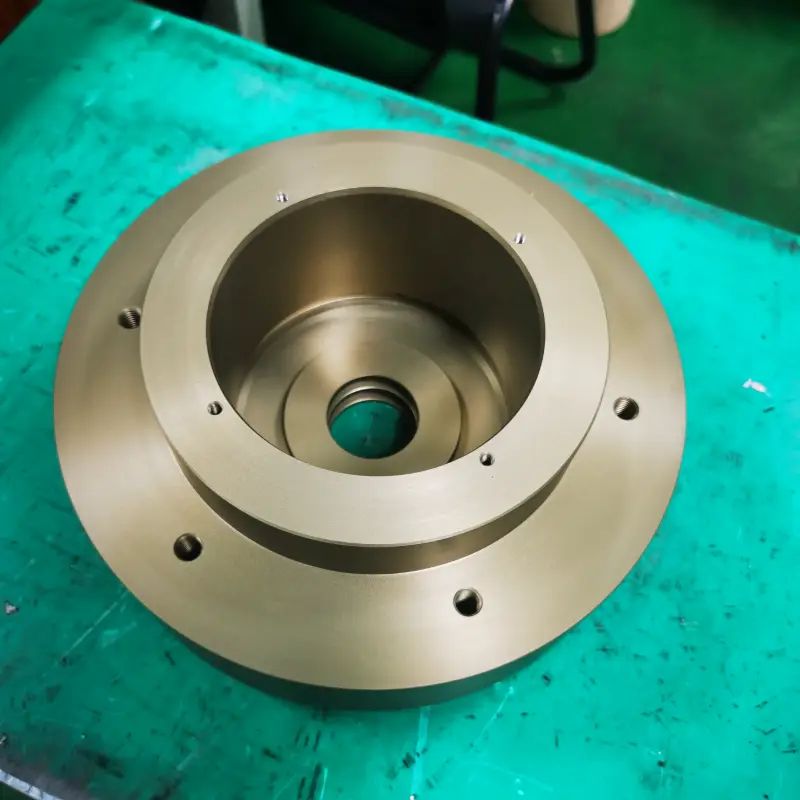
The localized high temperature generated by welding changes the microstructure of the weld and heat-affected zone in aluminum alloys. For aluminum alloys strengthened through heat treatment or work hardening, welding disrupts the original strengthening effect. Therefore, the design strength of a welded joint cannot be based directly on the T6, T651, or H32 properties of the base material.
6xxx-series aluminum alloys: Alloys such as 6061-T6 are strengthened by magnesium-silicide precipitates. The welding thermal cycle dissolves or coarsens these strengthening precipitates in the heat-affected zone, creating a distinct softened region. Joint strength is normally controlled by the heat-affected zone rather than the unaffected base material.
5xxx-series aluminum alloys: Materials such as 5052-H32 and 5083-H116 primarily obtain their strength through work hardening. Welding heat causes recovery or localized annealing in the heat-affected zone, reducing hardness and strength. The welded joint can no longer be designed using the full strength of the original H temper.
2xxx- and 7xxx-series high-strength aluminum alloys: These materials are more sensitive to hot cracking, porosity, strength reduction, and stress-corrosion cracking during welding. Alloys such as 2024 and 7075 are generally unsuitable for conventional fusion-welded structures. Mechanical fastening, integral CNC machining, forging, or fully validated solid-state joining processes are more suitable for critical load-bearing components.
Weld-strength control must be addressed during the design stage rather than added after the part has been manufactured. Drawings should clearly specify the welding method, filler-wire grade, joint configuration, weld dimensions, permissible defects, inspection method, and whether post-weld heat treatment is required.
Post-weld heat treatment can restore part of the strength of heat-treatable aluminum alloys. However, repeated solution heat treatment and aging can cause dimensional changes, deformation, and additional costs, and not every large or complex assembly is suitable for complete heat treatment. Welded structures should therefore be calculated using the allowable strength of the welded joint, with the heat-affected zone positioned in a low-stress area.
When accepting custom welded aluminum parts, inspection should cover not only dimensions and appearance but also weld formation, porosity, cracks, lack of fusion, and softening in the heat-affected zone. Critical load-bearing assemblies require penetrant testing, radiographic testing, or mechanical-property verification in accordance with the drawing and applicable specifications.
Summary of aluminum strength
This article focuses on the key mechanical properties of aluminum and aluminum alloys, systematically explaining the definitions, typical values, and engineering significance of yield strength, tensile strength, compressive strength, fatigue strength, and shear strength. It also compares the performance differences of commonly used alloys such as 6061, 7075, and 5052 under various heat treatment conditions. If you are selecting the right aluminum material or need customized machining solutions, feel free to contact us for professional advice and a fast quotation—we are committed to providing efficient and reliable solutions for your project.