
Medium wire EDM
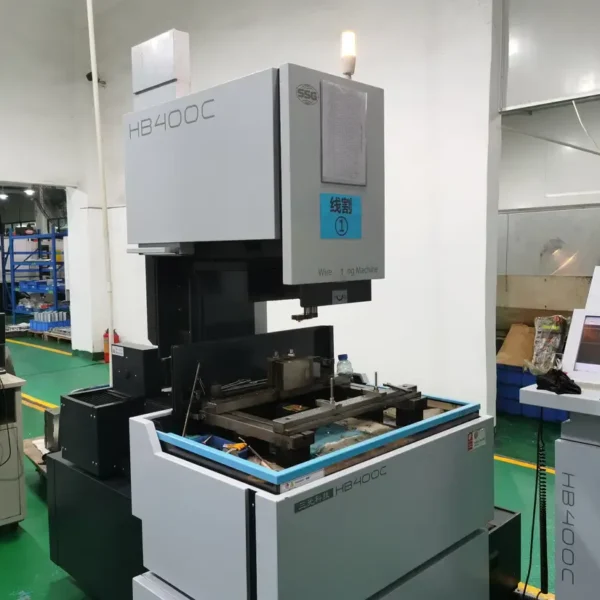
Overview:
Medium Wire EDM — Redefining machining boundaries with micron-level precision, significantly enhancing efficiency and quality in complex part manufacturing!
Tolerance: up to 0.006 mm
MOQ: 1 PCs
Price: 5-30 USD/h
What is medium wire EDM ?
By combining high-speed rough cutting with low-speed finishing, combined with real-time CNC parameter control, medium-speed wire EDM overcomes the precision bottleneck of traditional high-speed wire cutting, maintaining high processing efficiency. Its dielectric fluid circulation system further ensures processing stability, making it suitable for high-precision manufacturing applications such as molds and aerospace.
The principle of electrospark erosion: High-frequency pulsed sparks generate transient high temperatures (6,000–12,000°C) between the wire electrode (molybdenum wire) and the workpiece, causing localized melting and vaporization of the workpiece material, which is then flushed away by a dielectric fluid (such as deionized water), achieving contactless cutting.
Compound wire feed and multi-pass control: Roughing utilizes high-speed wire feed (8-12 m/s) to improve efficiency. Finishing switches to low-speed wire feed (1-3 m/s) and multiple cuts (typically 3-7). Discharge parameters (pulse width, pulse interval, and power) are dynamically adjusted to gradually optimize surface roughness (Ra ≤ 0.8 μm) and dimensional accuracy (±0.003 mm), balancing efficiency and quality.
Material for Medium wire EDM machining
Medium-wire EDM (Wire Discharge Cutting) can process a variety of conductive materials thanks to its non-contact processing characteristics and high-precision control capabilities. It is particularly suitable for hard, brittle, or complex-shaped materials that are difficult to process with traditional cutting methods. The following are typical processing materials and application scenarios:
Material :
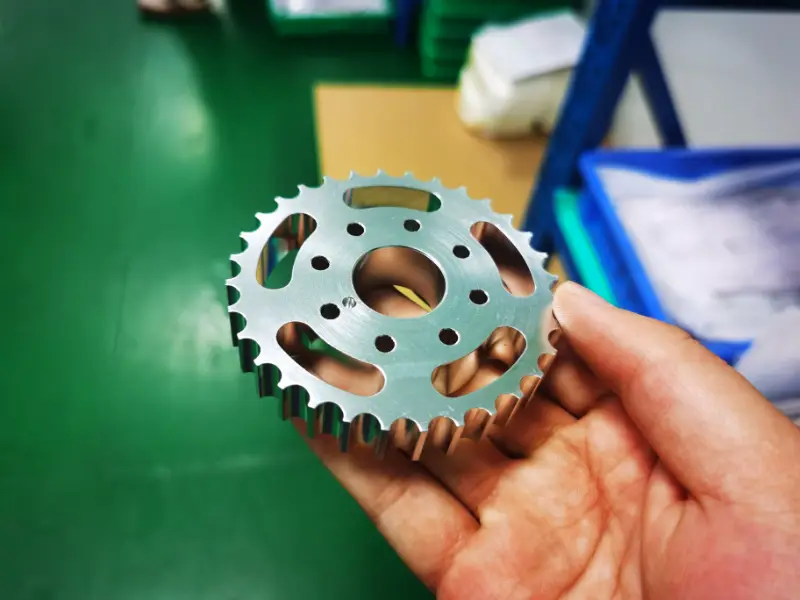
Aluminum
Aluminum is the most commonly used precision-machined component. It has a low density, a hard texture, and a soft material. Thanks to its corrosion resistance, it is widely used in aerospace, bionic bones, and automotive parts manufacturing.
Color : Silver.
Types : Aluminum 6061、7075、2024、5052、6063 and MIC-6.
Surface finish : Polishing, Brushing, Sandblasting, Chrome Plating, Anodizing, Electroplating, Powder Coating, Laser Etching.
Delivery time : 1-5 days.
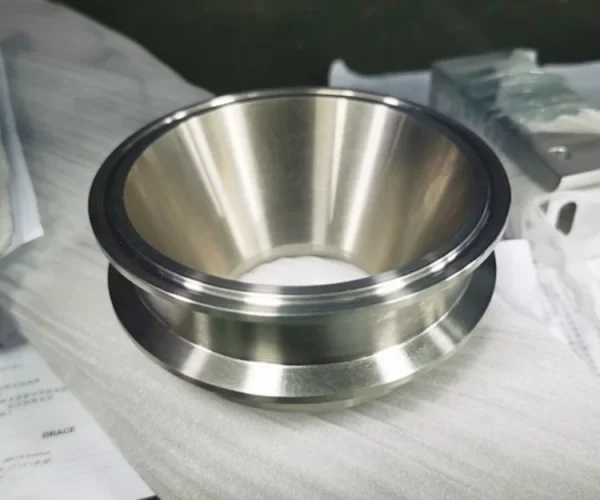
Stainless steel
Stainless steel offers strong corrosion resistance and a smooth, easy-to-clean surface. It is primarily used in kitchen equipment components, medical devices, building materials and construction, as well as automotive parts.
Color : Silver.
Types : Stainless steel 304/316/201/202/430/444/410/420/440c/2205/2507/17-4ph/17-7ph.
Surface finish : Polishing, Brushing, Sandblasting, Electroplating, Spraying, PVD (Physical Vapor Deposition), Passivation, Pickling, Coloring.
Delivery time : 2-5 days.
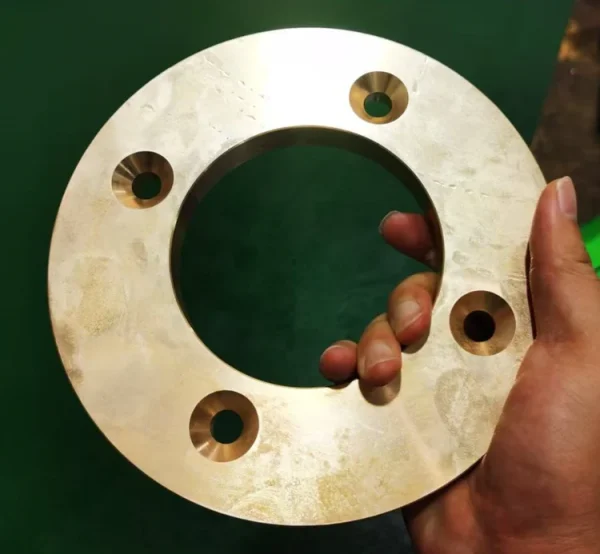
Copper
Possesses electrical conductivity, tensile ductility, and antimicrobial properties, primarily used for processing into crafts, decorative items, and medical equipment.
Color :Orange,yellow.
Types : copper H59/H62/Hpb59-1/C36000/HAI77-2/HSN62-1/HPb/HMn/HAl/HSn/HNi.
Surface finish : Passivation, Electroplating, Chemical Plating, Shot Peening, Sandblasting, Chemical Film Treatment, Polishing, Bright Cleaning.
Delivery time : 1-5 days.

Bronze
Bronze is a copper–tin alloy with good fluidity and corrosion resistance, widely used for bearings, gears, valves, and marine components such as propellers and pumps.
Color : gold/brown.
Types : Tin bronze, aluminum bronze, beryllium bronze, silicon bronze, manganese bronze.
Surface finish : Sandblasting, polishing, knurling, grinding, passivation, chemical film coating, impregnation coloring, brush/spray coloring, electroplating, anodizing, powder coating, brushing.
Delivery time : 1-5 days.
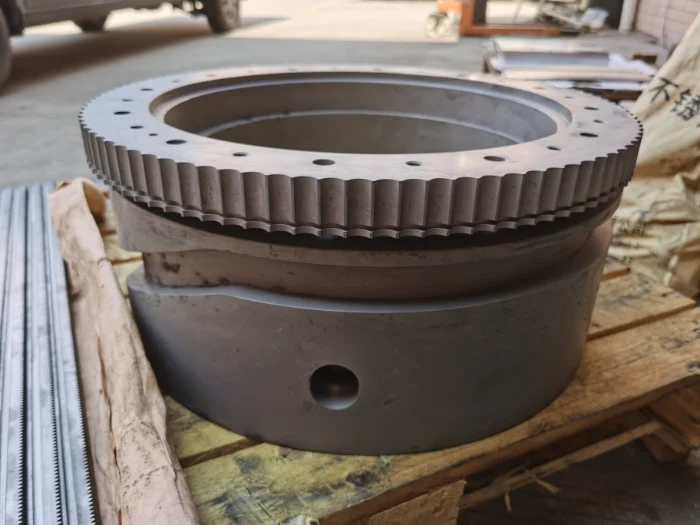
Steel
Steel is an iron–carbon alloy with adjustable strength, toughness, and wear resistance, widely used for bolts, shafts, gears, cutting tools, and engine components.
Color : Silver .
Types : Steel S20C,S45C,S50C,SK85,SK95,40Cr,4140,4130,H13,D2,W1,A2,D2,M2,SKD11,ASP-23,S136.
Surface finish :Sandblasting, Mirror Finish, PVD Coating, Brushed Finish, Spray Coating, Electroplating.
Delivery time : 1-5 days
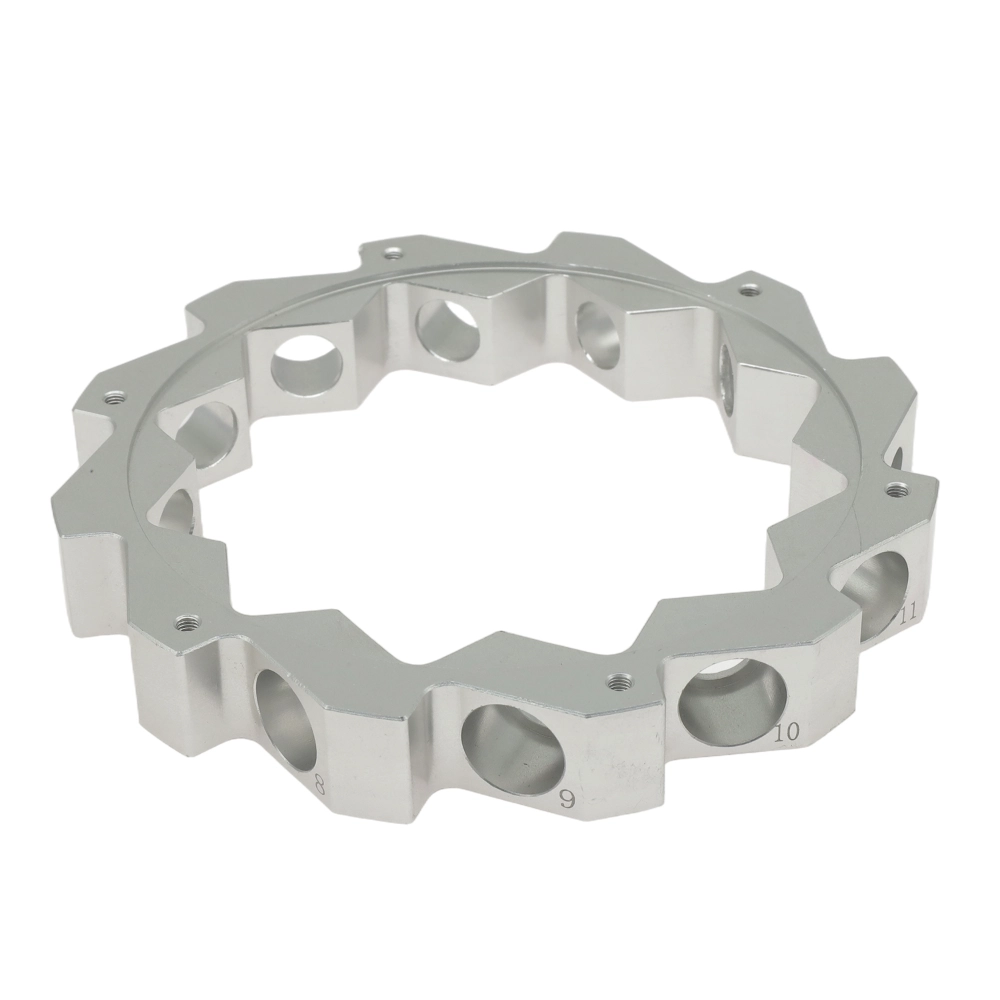
Magnesium
Magnesium is a lightweight metal with low cutting force, excellent thermal conductivity, and a high strength-to-weight ratio. Its superior vibration damping makes it well suited for aerospace, automotive, and electronics applications.
Color : Silver.
Types : Magnesium alloy AZ91D/AM60B/AM50A/AS41B/ZK60/MB8/AZ31/WE43/ZE41/LA141/LZ91.
Surface finish : Chemical conversion coating, anodizing, nickel plating, electroplating, composite coating, spray painting, powder coating, electrophoretic coating.
Delivery time : 1-5 days.
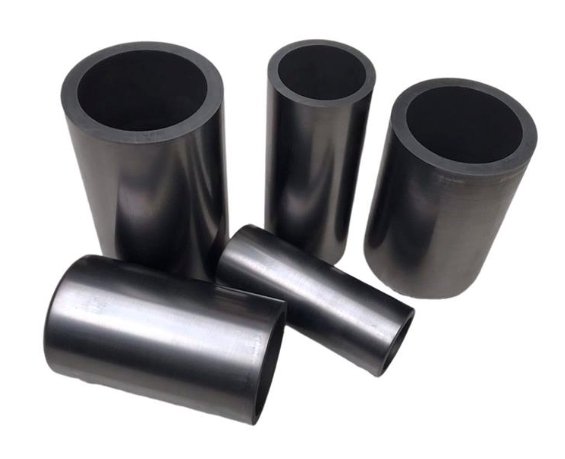
Graphite
Graphite conductivity is used for precision molding to avoid dust pollution caused by machining. It is mainly used for electrode manufacturing and EDM molds.
Color : Black.
Surface finish : Mechanical cutting, pickling, electrolytic treatment, coating, polishing, EDM surface strengthening.
Delivery time : 3-5 days
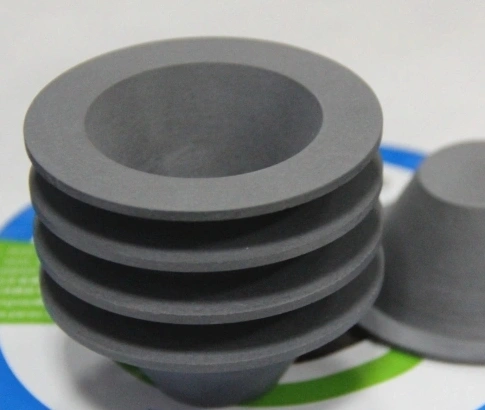
Conductive ceramic part
Conductive ceramics are used in aerospace and other fields due to their high hardness, brittleness, and excellent chemical stability, but they are difficult to process. Using pulsed discharge to generate high temperatures (approximately 10,000°C) to partially melt the ceramic allows for contactless processing, avoiding stress concentration and cracking caused by mechanical processing.
Type : Oxide/non-oxide conductive ceramics, composite conductive ceramics
Color : white, gold, pink black, etc.
Delivery time : 3-5 days
Medium wire EDM capability
Our ISO 9001 certification demonstrates that our Wire edm parts meet stringent tolerance requirements. We adhere to ISO-2768f tolerance standards for precision metals , enabling you to obtain precision components with high-precision machining standards.
| Item | Specification |
|---|---|
| Positioning Accuracy | ±0.005 ~ 0.01 mm |
| Surface Quality | Ra ≤ 1.0 ~ 1.6 μm |
| Geometric Tolerance | Roundness ≤ 0.015 mmParallelism ≤ 0.01 mm / 100 mm |
| Maximum Cutting Thickness | Standard: 200 ~ 300 mmOptional: up to 500 mm |
| Taper Machining | ±6° ~ ±15° / 100 mm |
Medium wire EDM guide
| Material Thickness | Electrode Wire Diameter | Tension Setting | Guide Wire Nozzle Type | Applicable Scenarios |
|---|---|---|---|---|
| ≤ 50 mm | 0.18 mm | 8–10 N | Φ 0.2 mm | Precision parts |
| 50–200 mm | 0.20 mm | 10–12 N | Φ 0.22 mm | Regular parts |
| > 200 mm | 0.25 mm | 12–15 N | Φ 0.3 mm | Thick parts |
| Number of Cuts | Pulse Width (µs) | Pulse Interval (µs) | Peak Current (A) | Servo Voltage (V) | Wire Feed Speed (m/s) | Machining Efficiency (mm²/min) | Surface Roughness |
|---|---|---|---|---|---|---|---|
| Rough Cut | 60 | 150 | 8 | 70 | 10 | 120 | Ra 3.2 |
| Finish Cut 1 | 30 | 100 | 4 | 60 | 4 | 50 | Ra 1.6 |
| Finish Cut 2 | 15 | 80 | 2 | 50 | 2 | 25 | Ra 0.8 |
| Problem | Cause Analysis | Solution |
|---|---|---|
| Surface Streaks | Worn wire guide or contaminated working fluid | Replace the wire guide (when wear exceeds 0.1 mm); replace the filter element |
| Wire Breakage | Excessive wire tension or excessively high peak current | Reduce wire tension by 10%–20%; decrease peak current by 2–3 A |
| Size Out of Tolerance | Unstable discharge gap | Adjust servo voltage by ±5 V; clean oil stains from the workpiece surface |
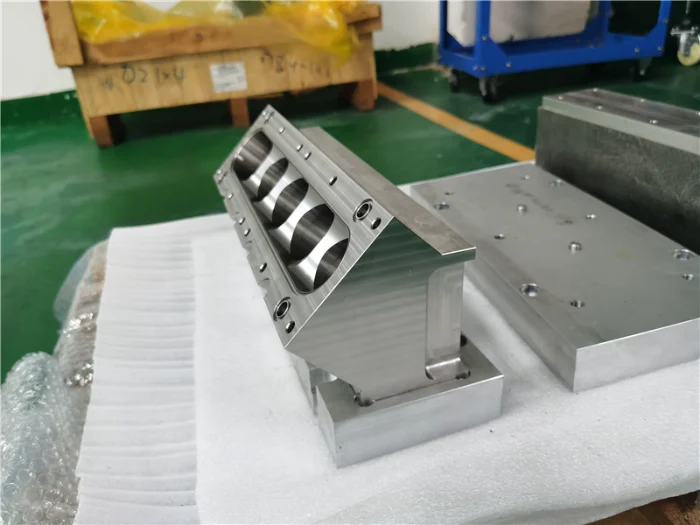
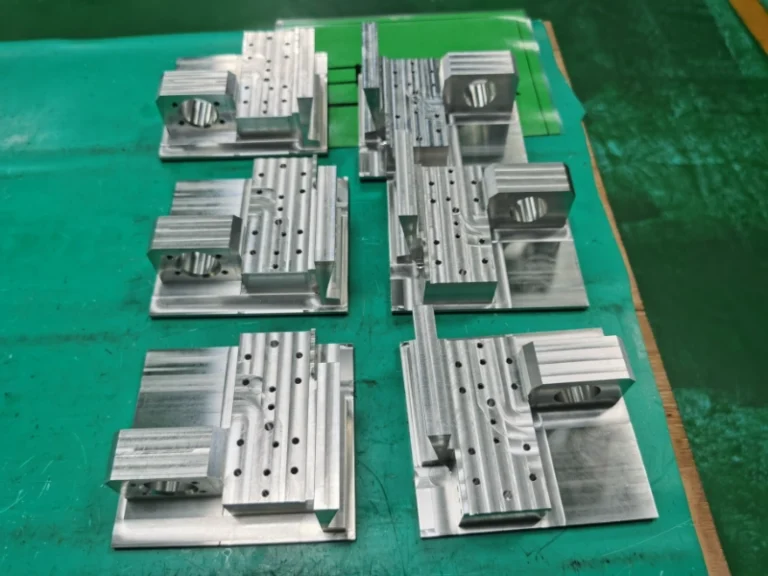
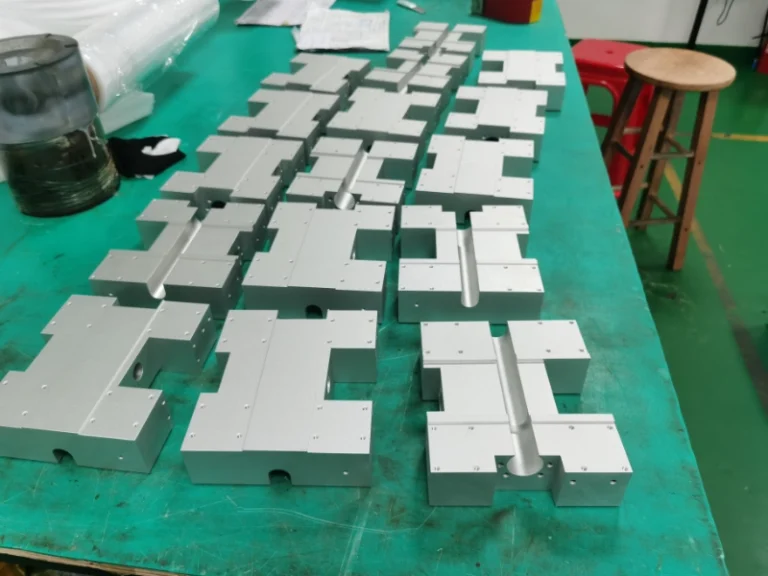
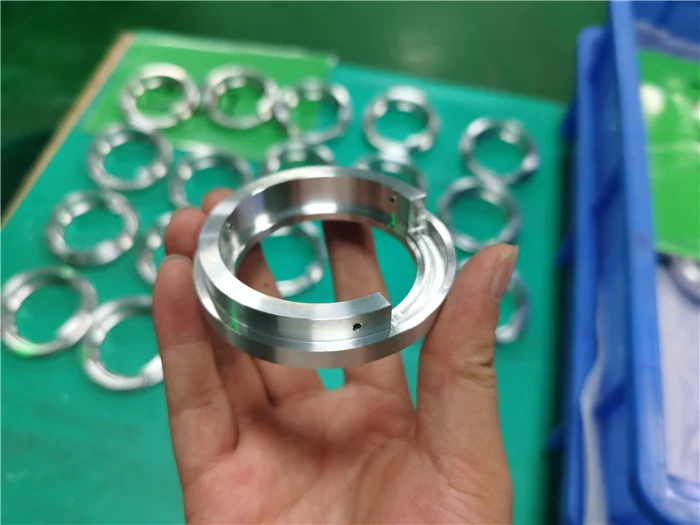
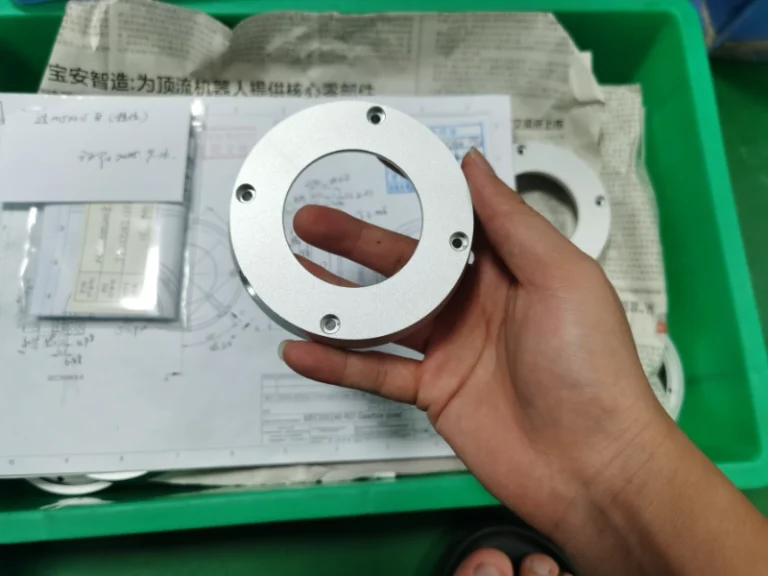
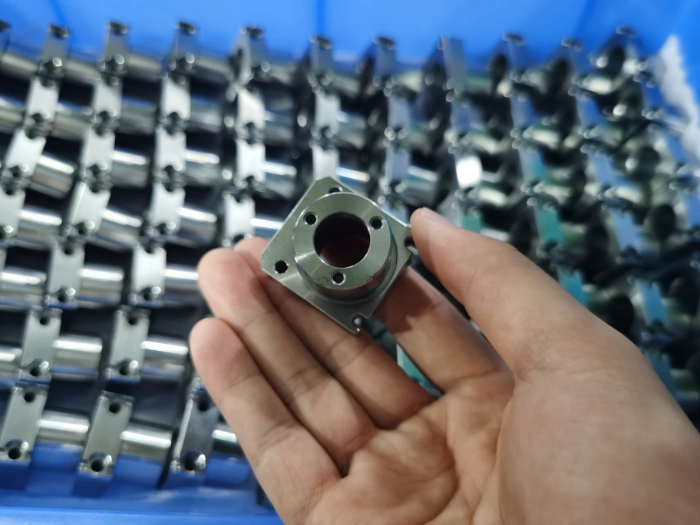
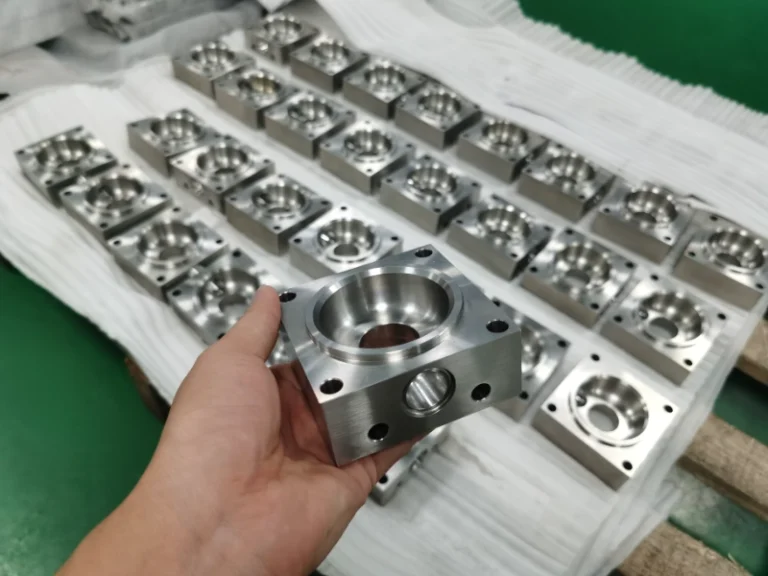
Medium wire EDM machining parts
Medium wire EDM advantage
Moderate Precision and Efficiency
Typical precision is ±0.01mm, suitable for medium-precision machining tasks. Speed falls between fast-wire and slow-wire EDM.
Wide Range of Applicable Materials
Suitable for various conductive metals such as steel, copper, and aluminum alloys. Capable of machining complex-shaped parts.
No Mechanical Stress, Prevents Deformation
EDM imposes no mechanical stress on workpieces, making it suitable for precision part cutting.
Excellent Surface Finish
Delivers smooth surfaces with Ra values typically ranging from 0.5–1.6 μm, reducing the need for secondary machining.
Complex Shape Machining
Ideal for cutting intricate contours and fine apertures, widely used in precision molds, aerospace, and other fields.
Application of Medium wire EDM part
Mold Manufacturing
Used for machining mold steel and precision mold cavities, widely applied in injection mold and die-casting mold production.
Aerospace
Suitable for high-precision components such as aerospace structural parts and engine components.
Automotive Industry
Primarily used for machining powertrain and transmission components, enhancing machining accuracy and efficiency.
Electronics and Medical Devices
Employed for precision machining of micro-parts and medical instruments, meeting stringent surface quality requirements.
FAQ of medium wire EDM machining
What is Medium Wire EDM?
Medium Wire EDM uses a medium-thickness wire electrode to cut conductive materials via electrical discharges. It balances cutting speed and precision for intricate shapes and hard materials.
What are the benefits of Medium Wire EDM?
Key advantages include high precision for complex shapes, ability to machine hard/exotic materials, minimal mechanical stress, excellent surface finishes, tight tolerances, and high automation.
What materials can be processed with Medium Wire EDM?
It handles conductive materials like steels, stainless steels, aluminum, brass, copper, and exotic alloys (titanium, Inconel), especially those challenging for conventional machining.
What influences accuracy and surface finish in Medium Wire EDM?
Factors include wire tension, pulse parameters (peak current, pulse duration, interval), servo voltage, dielectric fluid quality, machine stability, wire choice, and guide/nozzle condition.
How can Medium Wire EDM be optimized?
Optimize by selecting the right wire/dielectric fluid, adjusting pulse parameters for speed/quality balance, maintaining machine cleanliness/alignment, and using software for parameter optimization.