
Anodized aluminum combines the lightweight and machinability of aluminum with enhanced surface performance. Aluminum is easy to machine, but its natural surface has limits. Through anodizing, a protective oxide layer is formed, improving durability, corrosion resistance, and appearance. This article explains the anodizing process, color options, welding considerations, cookware safety, and comparisons with stainless steel.
What is Anodizing Aluminum
It is a process that forms a protective oxide layer on the surface of aluminum through an electrochemical reaction.
It makes aluminum more durable, more corrosion-resistant, and more visually appealing.
How to anodize aluminum
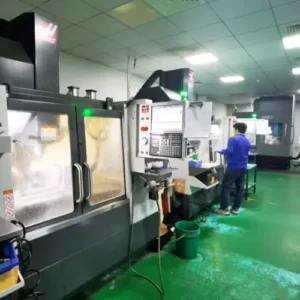
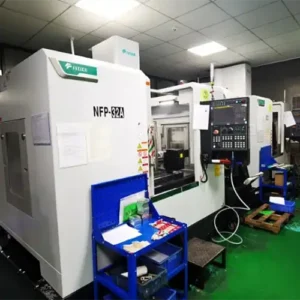
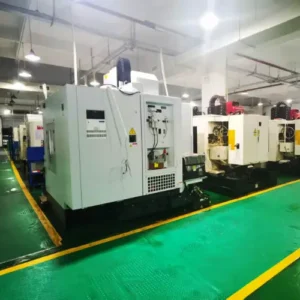
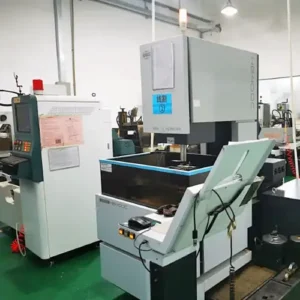
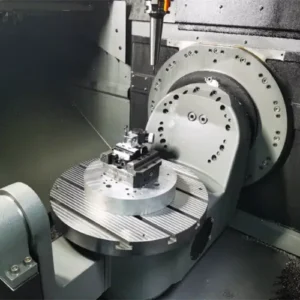
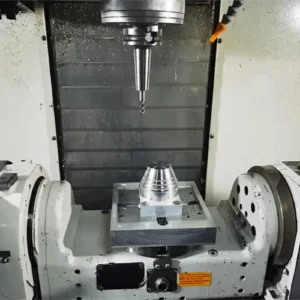
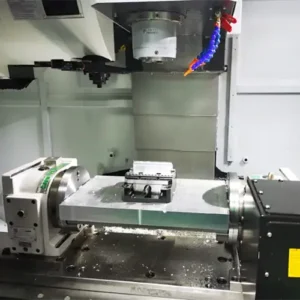
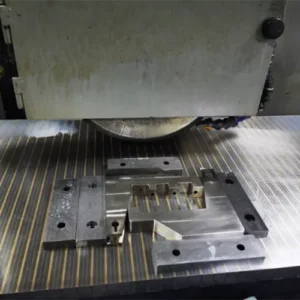
At the Weldo machining center, aluminum parts are placed into an acidic electrolyte (usually sulfuric acid) and connected to an electric current:
The aluminum workpiece to be anodized acts as the anode, while a conductive material such as a lead plate or stainless steel plate acts as the cathode, and then the current is applied.
A layer of aluminum oxide (Al₂O₃) protective film is formed on the surface of the aluminum workpiece.
This oxide layer is not a coating, but a structural layer integrated with the aluminum base material, so it does not peel off easily like paint.
Anodized aluminum color options
Standard Colors
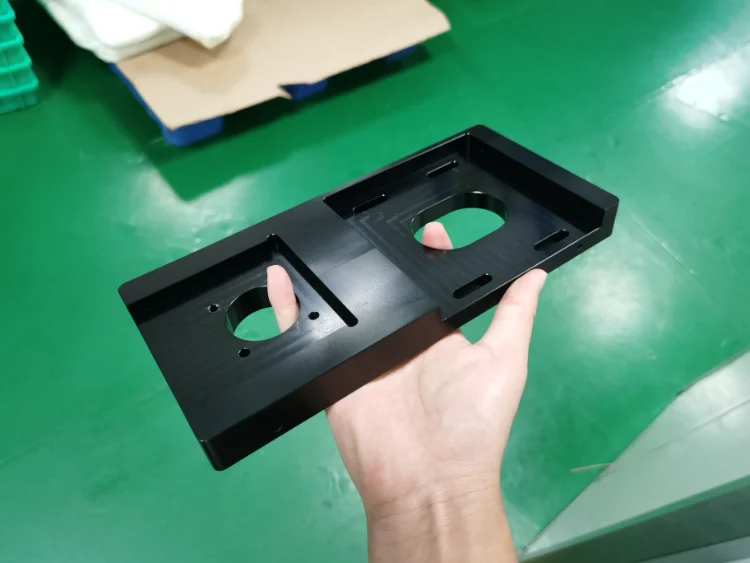
Black – The most common, good UV resistance and weather resistance
Silver / Natural – Lower processing cost, retains the natural metallic color of aluminum
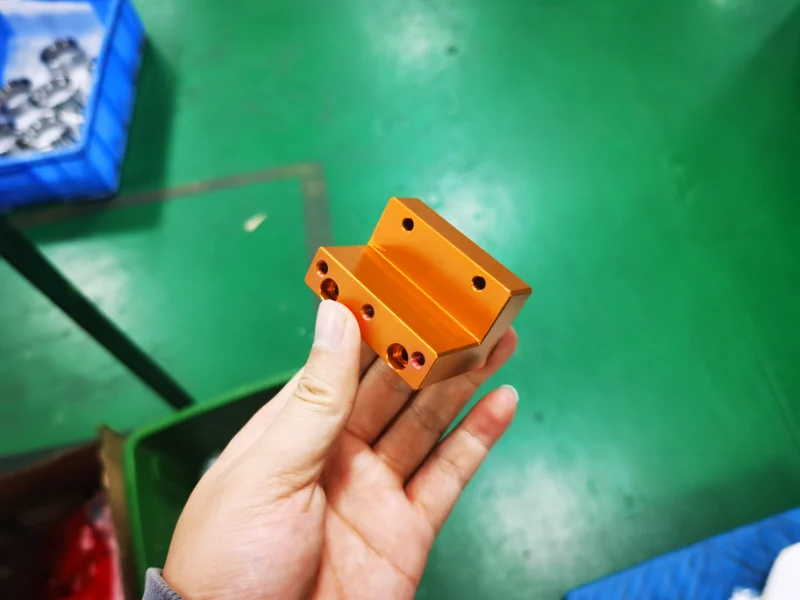
Gold – Strong decorative effect, commonly used in electronic products and lighting fixtures
Champagne – Commonly used in architecture, enhances a premium appearance
Dyed Colors
Red, Blue, Green, Purple, Orange
Color is formed by dyes penetrating the micropores of the oxide layer, mostly used for decorative parts and electronic products.
Hard Anodized Colors
Dark Gray,Deep Black
Hard anodizing mainly emphasizes wear resistance, with fewer color options.
How is anodized aluminum dyed into different colors
Dyed Anodizing
During the anodizing process, a porous aluminum oxide (Al₂O₃) film is formed on the aluminum surface.This film itself is transparent or semi-transparent, with numerous micropores like a honeycomb structure. At this stage, it appears natural silver-gray. After anodizing is completed, the part is placed into a dye bath, where the dye penetrates the micropores of the oxide film. Finally, hot water or nickel salts are used to seal the pores and lock in the color.
Electrolytic Coloring
Electrolytic coloring is carried out after anodizing is completed. By applying electricity again, metal ions (such as tin or nickel) are deposited at the bottom of the micropores in the oxide film to create color, rather than using dye to penetrate the pores. The color comes from the absorption and reflection of light by the metal deposits. Common colors include champagne, bronze, and black. Compared with ordinary dyeing, electrolytic coloring has stronger weather resistance and is suitable for architectural and outdoor applications.
Hard Anodized Color
It is performed under low temperature (around 0°C), high current density, and a thicker oxide layer (25–100 μm). Because the oxide layer is thicker, its structure is denser, containing impurities and crystalline structure differences. When light enters, it is absorbed or scattered, resulting in dark gray or deep black, with better wear resistance.
Can anodized aluminum be welded
Anodized aluminum can be welded, but not directly on the anodized layer. The aluminum oxide film formed during anodizing has a high melting point and poor electrical conductivity, which affects arc stability and welding quality, and may lead to weld defects. Therefore, before welding, the surface oxide layer must be removed by grinding or chemical methods to expose clean aluminum base material.
The more reasonable process sequence is to complete welding first and then perform anodizing to ensure overall appearance and corrosion resistance. If welding is done after anodizing, the welded area generally needs to be re-anodized.
Light machining after anodizing
After anodizing is completed, minor drilling, local trimming, laser marking, or assembly operations can be performed. However, large-area cutting or welding should be avoided to prevent damage to the integrity of the oxide layer. If machining is necessary, supplementary anodizing treatment is usually required for the affected area.
Does anodized aluminum rust
“Rust” usually refers to the oxidation of iron or steel forming red iron oxide. Aluminum itself does not contain iron, so it does not produce rust. After anodizing, a dense aluminum oxide protective layer forms on the surface, which effectively blocks moisture, air, and corrosive media, greatly improving corrosion resistance.
However, in extreme environments (such as strong acids, strong alkalis, or long-term salt spray exposure), if the oxide layer is severely damaged, aluminum may show corrosion or discoloration, but this is not “rust.” Overall, anodized aluminum has good corrosion resistance and does not rust like steel.

How to remove anodizing from aluminum
Chemical Removal Method
The anodized layer can be dissolved and removed using alkaline solutions (such as sodium hydroxide), which is a common industrial method. The alkali reacts with aluminum oxide, causing the oxide film to gradually dissolve. However, it may also slightly corrode the aluminum substrate, so concentration and time must be strictly controlled, followed by cleaning and neutralization after treatment. This method is suitable for large areas or workpieces that need to be re-anodized.
Mechanical Removal Method
The anodized layer can also be removed by grinding, polishing, or sandblasting. This method is relatively simple and suitable for small areas or local repair. However, it may leave surface marks and affect dimensional accuracy and appearance quality, so it is not suitable for products with high requirements for appearance or tolerance.
Anodized Aluminum vs Stainless Steel
In industrial production, many buyers may face material selection issues. Whether expensive stainless steel materials can be replaced with lower-cost anodized aluminum alloy depends on the performance requirements and usage environment of the component. Below is a simple list of their respective advantages and limitations.
Advantages and Disadvantages of Anodized Aluminum
Advantages
Lightweight: Density is about 1/3 of stainless steel, suitable for lightweight design
Good thermal conductivity: Fast heat transfer, commonly used in cookware
Strong corrosion resistance: The oxide layer provides good protection
Colorable: Can achieve black, gold, and other decorative colors
Good machinability: Easy for CNC machining and complex structural forming
Disadvantages
Lower strength than stainless steel: Limited load-bearing capacity
Surface may be scratched: Severe damage can destroy the oxide layer
Not resistant to strong alkaline environments: Alkaline substances can corrode the oxide film
Advantages and Disadvantages of Stainless Steel
Advantages
High strength: Suitable for structural load-bearing parts
Good high-temperature resistance
Strong impact resistance
Stable corrosion resistance (especially grades such as 304 and 316)
Surface does not easily fail due to minor scratches
Disadvantages
Heavier weight
Poorer thermal conductivity (cookware often requires composite base design)
Higher processing cost
Limited color options (mainly natural metallic color)
Core Comparison Summary
| Item | Anodized Aluminum | Stainless Steel |
|---|---|---|
| Weight | Light | Heavy |
| Strength | Medium | High |
| Thermal Conductivity | Excellent | Average |
| Decorative Effect | High | Low |
| Corrosion Resistance | High | Very High |
| Cost | Medium | Higher |
Simple Conclusion
Pursuing lightweight design, thermal conductivity, and appearance → Choose anodized aluminum
Pursuing high strength, impact resistance, and structural stability → Choose stainless steel
Can anodized aluminum be used to make cookware
Is anodised aluminium safe for cookware ?
Yes, anodized aluminum is generally safe for cookware.
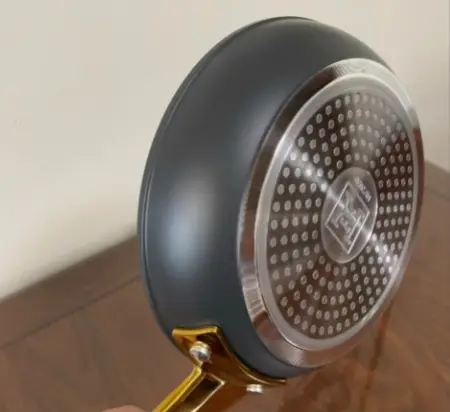
Anodized aluminum can be used to manufacture cookware, especially Hard Anodized Aluminum, which is widely used in mid-to-high-end cookware products. The hard and dense aluminum oxide protective layer on the aluminum surface improves corrosion resistance and wear resistance, while retaining the advantages of fast heat conduction and light weight, making it very suitable for daily cooking.
Common Cookware Types
Common cookware made from anodized aluminum includes frying pans, skillets, milk pans, soup pots, stewing pots, pressure cooker liners, and outdoor camping cookware. Among them, hard anodized aluminum cookware is particularly popular because its surface is more scratch-resistant and wear-resistant, and it heats evenly, reducing local overheating. Many non-stick pans also use anodized aluminum as the base material with an additional non-stick coating.
Cleaning and Maintenance
It is recommended to use neutral detergent and a soft sponge for cleaning. Avoid using steel wool or strong alkaline cleaners to prevent damage to the oxide layer. It is not recommended to dry-burn the cookware or store strong acidic food for long periods. Clean and dry after daily use to effectively extend service life and maintain surface condition.
How to handle damaged anodized layer on cookware
Even with normal use, the anodized layer may suffer local damage due to scratches, impacts, or long-term friction. Minor scratches usually do not affect structural strength and can continue to be used. If obvious silver-white aluminum substrate is exposed, clean the surface and lightly sand to remove burrs to reduce further corrosion risk. Although the original oxide layer cannot be restored, further damage can be slowed.
If the damaged area is large, or if high corrosion resistance and appearance are required, it is recommended to professionally strip and re-anodize, or directly replace the component. Once the oxide layer is damaged, local protection capacity decreases, and corrosion or discoloration is more likely in humid or salt spray environments.
Common Material Shapes of Anodized Aluminum
Sheets & Plates
Anodized aluminum sheets include thin and thick plates, with natural or colored surface finishes. These materials are commonly used for architectural decorative panels, electronic housings, signage, and cookware components. Due to the flat surface, the anodizing effect is usually uniform.
Extruded Profiles
Aluminum profiles are structural parts obtained through extrusion, such as square tubes, round tubes, industrial frame profiles, and door and window profiles. After anodizing, weather resistance and appearance are improved, and they are widely used in building structures and equipment frame systems.
Bars & Rods
Anodized aluminum bars include round bars, square bars, and hexagonal bars, mostly used for CNC machined parts or mechanical components. After machining, anodizing enhances surface wear resistance and corrosion resistance.
Tubes
Aluminum tubes can be round, oval, or other special-shaped structures, commonly used in bicycle frames, furniture structures, and decorative components. After anodizing, corrosion resistance is improved and decorative effects are enhanced.
Machined Parts
Various CNC precision parts, connectors, and brackets can also undergo anodizing treatment. Surface treatment is usually performed after machining to improve appearance and service life.
Conclusion
Anodized aluminum is widely used in architectural decoration, industrial equipment, electronic products, cookware, tableware, and transportation and sports equipment due to its corrosion resistance, wear resistance, colorability, and lightweight advantages. Through anodizing treatment, aluminum not only improves in performance but also gains a stronger metallic aesthetic. Therefore, it is widely used in various structural components, housing parts, and functional accessories. Supporting applications include connectors, brackets, housing assemblies, and decorative accessories, forming a complete and mature application system.
If you want to know more details about anodized aluminum or get quote of machining,you can contact us.