In fields such as aerospace, automotive manufacturing, and precision instruments, aluminum alloys are widely favored for their excellent lightweight properties. However, aluminum alloys are prone to surface corrosion, and their smooth surfaces provide poor paint adhesion, limiting their use in harsh environments. To overcome these challenges, Alodine chemical surface treatment has emerged as the “gold standard” for corrosion protection and coating adhesion of aluminum alloys. This article explores the principles, types, applications, and key operational steps of alodine chromate conversion coating.
What is an alodine coating
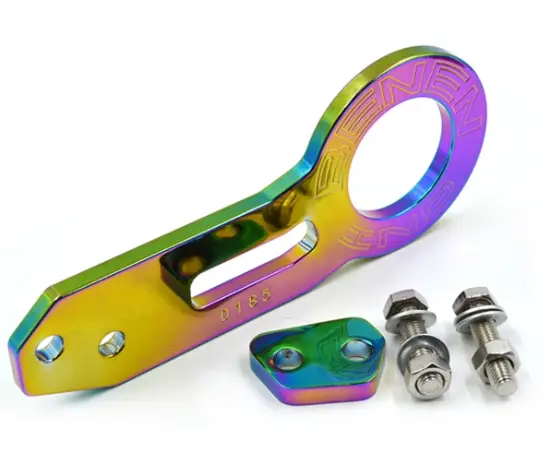
An Alodine coating—also known as a Chromate Conversion Coating—is a conversion film formed on aluminum components following a chemical Alodine treatment. This film is characterized by excellent corrosion resistance and superior adhesion properties. The typical colors of Alodine coatings are light gold and brownish yellow.
When to Use Alodine Treatment
Aluminum alloy skin materials usually have a thin layer of pure aluminum cladding (clad), which has much better corrosion resistance than aluminum alloys. However, both pure aluminum and aluminum alloys have relatively smooth surfaces. Just as paint easily peels off when applied directly to glass, coatings also struggle to adhere firmly to smooth aluminum surfaces. This is why surface treatment is essential before painting.
Surface treatment is mainly divided into electrochemical treatment and chemical treatment. In industrial production, chromic acid anodizing (electrochemical treatment) is commonly used. In maintenance and small-batch processing, Alodine treatment (chemical treatment) is preferred due to its simplicity and effectiveness.
Metals Suitable for Alodine Coating
Alodine coatings are mainly suitable for the following metals and alloys:
Aluminum Alloys and Aluminum-Magnesium Alloys
This is the most common application field for alodine chromate conversion coating. It includes widely used aluminum alloy series such as 2024, 7075, and 5052, as well as aluminum-magnesium alloys (e.g., 5A02, 5A03). Alodine treatment forms a chromate conversion film on the aluminum surface, improving corrosion resistance and enhancing the adhesion of subsequent coatings.
Magnesium Alloys
Some magnesium alloys (such as AZ31 and AZ91) can also form a protective film through Alodine treatment. However, due to the high chemical reactivity of magnesium alloys, process conditions must be strictly controlled to avoid over-corrosion.
Galvanized Steel and Galvalume Steel
In certain cases, alodine conversion coating can be applied to galvanized steel or galvalume (aluminum-zinc coated steel). A conversion film is formed to improve corrosion resistance and coating adhesion, but processing parameters must be adjusted according to the specific steel type and requirements.
Notes:
Alodine chromate conversion coating are not suitable for stainless steel, copper alloys, or titanium alloys. These metals typically use other surface treatment technologies (such as passivation or anodizing) to improve corrosion resistance.
Pros and cons of alodine coating
Advantages of Alodine Coating
- Corrosion resistance: Forms a stable oxide layer on the aluminum alloy surface, effectively preventing corrosion media from attacking and significantly improving corrosion resistance.
- Enhanced coating adhesion: Alters the physical and chemical properties of the aluminum surface, making it easier to bond with subsequent paint or plating layers, greatly reducing the risk of peeling.
- Fast processing: No high-temperature environment required; alodine chromate conversion coating can form within minutes via immersion or spraying.
- Ultra-thin coating: Alodine coating thickness is typically 0.3–1 μm, suitable for threads, precision holes, and bearing areas without affecting assembly or dimensions.
- Good electrical conductivity: Conductive coating unlike anodized films, suitable for electrical bonding, grounding, and shielding cavities.
- Excellent adhesion: Ideal base for paints, powders, epoxy, and polyurethane, significantly improving adhesion and weather resistance.
Limitations of Alodine Coating
It contains hexavalent chromium, which is highly toxic and carcinogenic, requiring proper personal protection and waste treatment. Alodine coatings cannot be used on welding surfaces as they may cause weak welds and reduce structural strength. Additionally, the electrical resistance may change as the coating ages. It is gradually being replaced by trivalent chromium and chromium-free passivation technologies.
Preparation for Alodine Treatment
Proper preparation is critical to ensure effectiveness:
- Area protection: Protect adjacent areas of on-aircraft structures to prevent leakage or dripping of treatment solution.
- Surface cleaning: Remove dust with a cloth and clean thoroughly with MEK (methyl ethyl ketone) to eliminate oil and contaminants.
- Removal of old coatings and oxide layers:
- Use a fine aluminum oxide grinding wheel.
- Use a scouring pad.
- Use 400# aluminum oxide sandpaper.
- Remove coatings until a bright aluminum surface is exposed, then clean residues with a clean cloth.
- Water break test: Perform if possible to ensure cleanliness.
- Surface drying: Allow at least 15 minutes for natural drying.
Important note: Alodine solution must be prepared using distilled or deionized water to avoid impurities that could affect performance.
Water Break Test: Surface Cleanliness Verification
Before treatment, the aluminum surface must be clean. After cleaning with a mild alkaline solution and rinsing with deionized water, if the water forms a continuous film, the surface is clean. If not, cleaning must be repeated. This is known as the “water break test.”
Implementation Methods of Alodine Treatment
Two main methods are used:
1. Brush Application (for on-aircraft structures)
- Apply Alodine solution evenly using a brush, nylon brush, or clean cloth.
- When a golden protective film appears, gently remove excess solution with a damp cloth.
- After drying at room temperature (1–3 hours), apply primer as soon as possible.
2. Immersion Method (for removable parts)
- Fully immerse the part in the Alodine solution.
- After 30–40 seconds, a golden conversion film forms.
- Rinse with clean water and wipe off residual liquid with a damp cloth.
- Apply primer after drying.
Post-Treatment: Primer and Topcoat
Primer: The Key Intermediate Layer
Primer acts as the transition layer between the treated surface and topcoat and is the most critical protective layer. All aluminum structures must be primed. For example, Boeing aircraft commonly use two-component epoxy primers, typically green or yellow.
Topcoat: Protection and Decoration
Topcoats provide both protection and aesthetics. Polyurethane coatings used on Boeing aircraft offer:
- Chemical resistance: Resistant to solvents like acetone and MEK, and hydraulic fluids.
- Abrasion resistance: Effective against harsh environments such as sandstorms.
Common Types of Alodine and Applications
Alodine 1200: A concentrated liquid. The Alodine coating formed on the aluminum surface appears as a rainbow green-gold color, the alodine coating thickness range from 0.3–1.0 μm. It is mainly used for high-strength aluminum alloy parts requiring coating base treatment, such as ship deck fittings, vents, automotive chassis aluminum parts, and engine housings.
Alodine 1200S: Powder form producing a light gold or brownish-yellow gold Alodine coating, with a film thickness of 0.3–2.0 μm. It is generally used for aluminum alloy structures and is often applied to automotive chassis parts, frames, and aluminum structural components in industrial mass production with high requirements.
Alodine 1000: This type is a concentrated liquid. The film color is transparent or natural, with a thickness of 0.25–0.8 μm. It is generally used for precision electronic components such as laptops, shielding enclosures, equipment housings, and drones.
Alodine 600: Appears as a powder solid. The film color is bright yellow, with a thickness of 0.5–1.5 μm. It is suitable for use with flame-retardant primer coatings and is generally applied to aircraft fuel tank interiors, fuel pipelines, and fuel system components.
Conclusion
Alodine coating is a critical process in aluminum surface treatment. By forming a high-performance chemical conversion film, it significantly enhances corrosion resistance and coating adhesion. Combined with proper preparation, precise application, and subsequent primer and topcoat processes, Alodine treatment ensures long-lasting performance of aluminum components in harsh environments.
If you would like to learn more or request a quote for aluminum alloy processing costs, please contact us at Weldo Machining.