








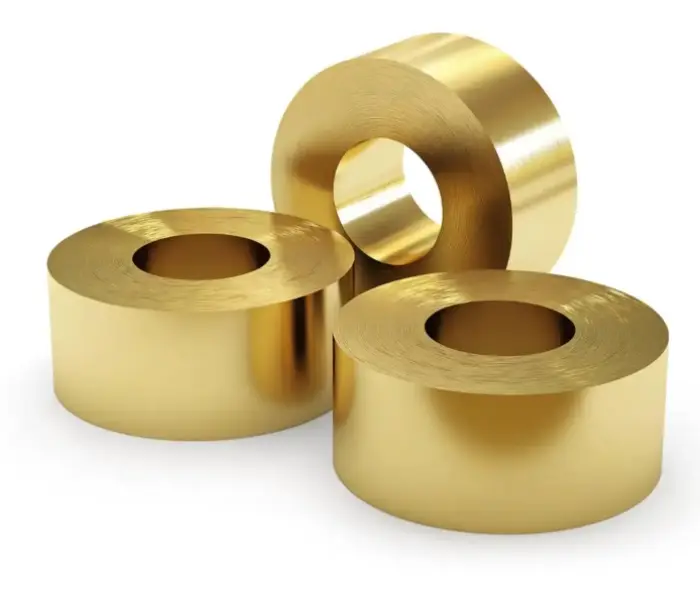
Brass
Golden in color, uniform texture, easy to machine, low friction, good corrosion resistance, moderate strength, electrically conductive, mainly used in low-friction applications.
Other brass types available in Weldo: Free-cutting brass (C360), leaded brass, high-strength brass, naval brass, silicon brass.
Process options:
Common types of brass material
| Type | Grades | Key Features | Machining Properties | Applications |
|---|---|---|---|---|
| Free-Cutting Brass | C36000 (HPb59-1) | ~2–3% lead, good chip breaking | Machinability rated 100%, ideal for high-speed turning/milling | Screws, fittings, connectors, instrument parts |
| Cartridge Brass | C26000 (H70) | 70Cu-30Zn, high ductility | Good formability, excellent corrosion resistance | Electrical housings, terminals, stamped parts |
| High-Strength Brass | C28000 (H62/Muntz Metal) | 60Cu-40Zn, α+β dual phase | High strength, good machinability | Valve bodies, gears, marine components |
| Lead-Free / Eco Brass | C69300, CW724R | Lead-free, Si/P added | Requires sharp tools and optimized parameters | Food, medical, drinking water systems |
| Naval Brass | C46400 | ~1% Sn, dezincification resistant | Good machinability (~70% of C36000) | Marine fasteners, heat exchangers, valves |
| Aluminum Brass | C68700 | ~2% Al, strong oxidation resistance | High strength, excellent seawater corrosion resistance | Marine piping, condensers |
Surface finish for brass parts
Based on over 15 years of machining experience, we have compiled the following list of surface finish processes used for various parts made from brass material.
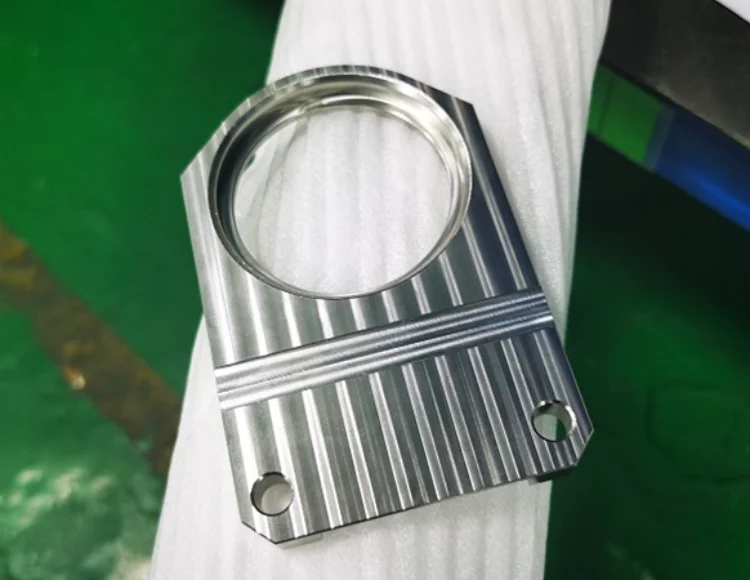
Machined finish
The prototype processed by the machine tool retains traces of tool machining.
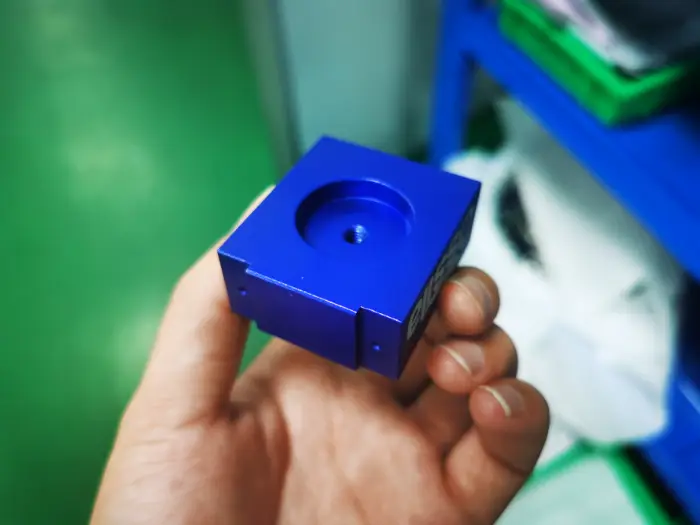
Anodizing
Improves metal corrosion and wear resistance can be colored and protective coatings.
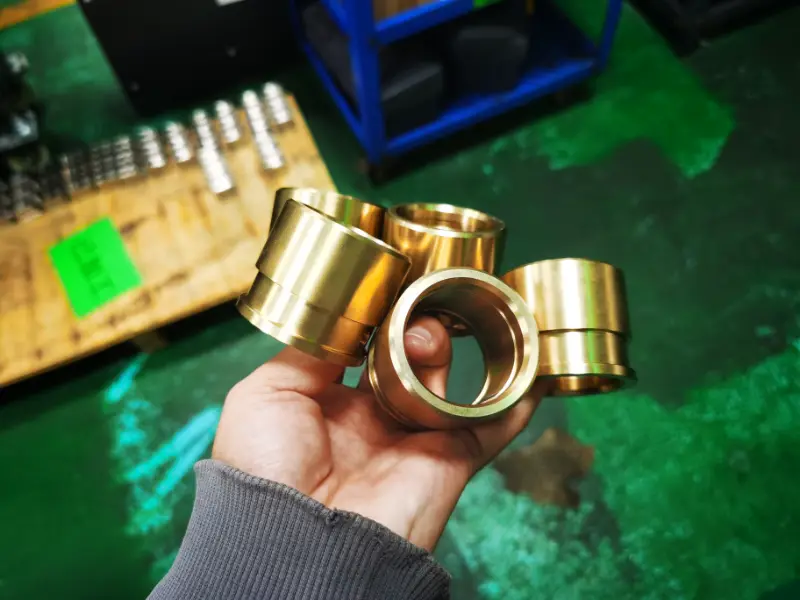
Polish
Improves surface smoothness and appearance for metals, ceramics, plastics, and PMMA.
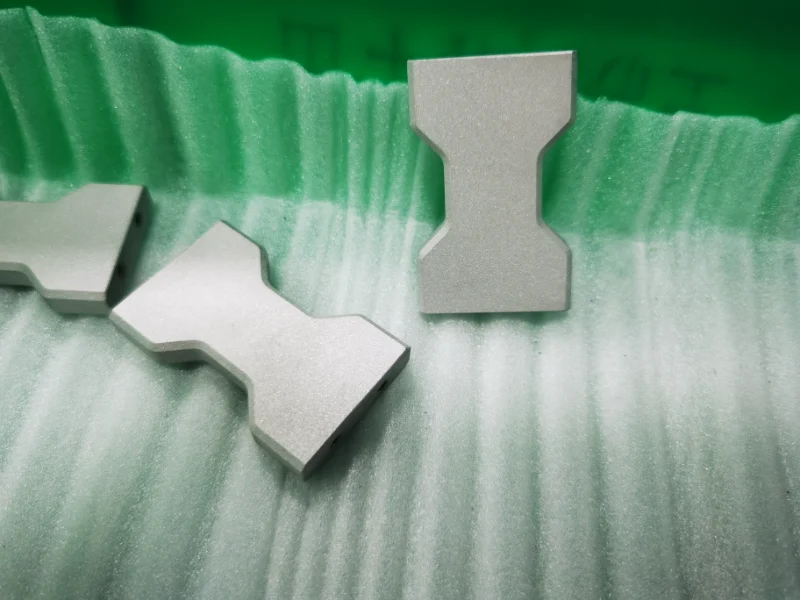
Sand blasting
Uses high-pressure abrasives to create a clean, rough, matte surface finish.
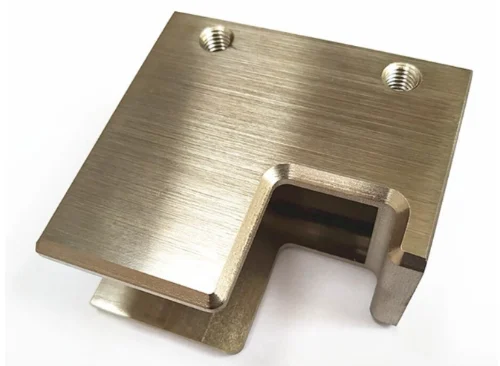
Brushed finish
Adds textured patterns to metal surfaces, improving aesthetics.
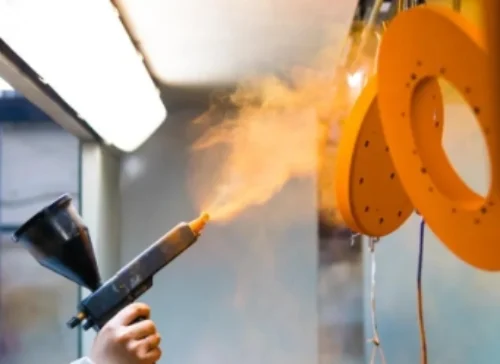
Powder coating
Uses electrostatic application and heat curing to form a dense layer, improving corrosion resistance on parts.
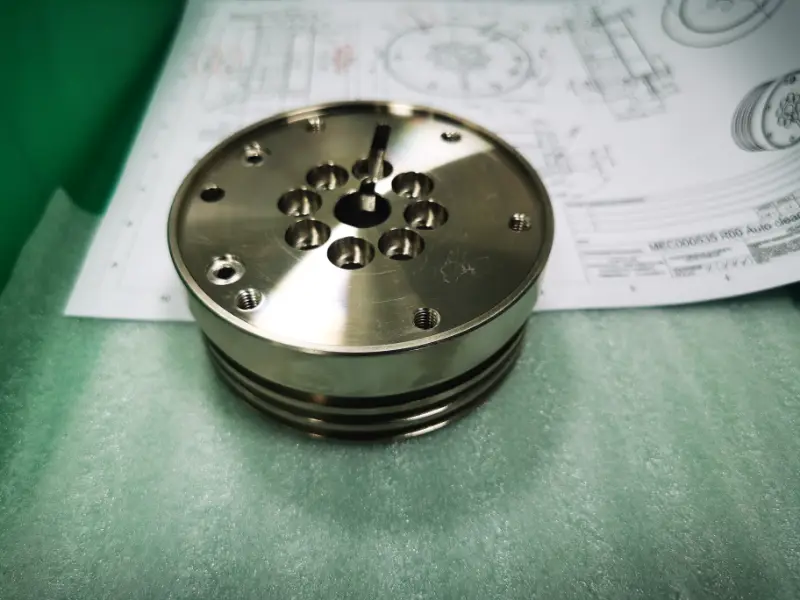
Electroplating finish
Deposits a metal layer to improve corrosion and wear resistance.

Black oxidize
Forms a low-cost, anti-reflective coating on metal surfaces via simple chemical oxidation.

Alodine
Forms a corrosion-resistant coating via chemical conversion, improving adhesion and conductivity.
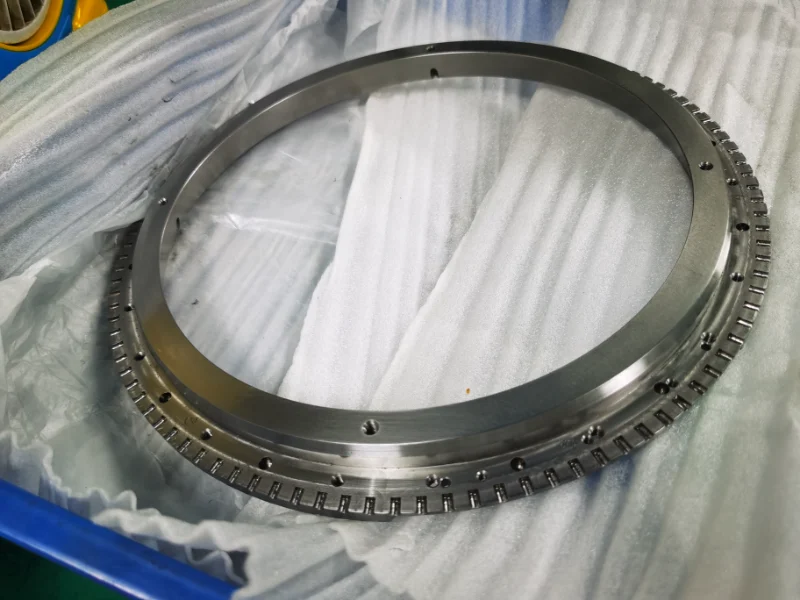
Heat treatment
Modifies metal microstructure to improve hardness, strength, toughness, and wear resistance.

Capability of brass cnc machining in Weldo
Maximum machining size: 2000mm*1000mm*1000mm
Minimum machining size: 5mm*5mm*5mm
Minimum machining diameter: 0.5mm
Minimum tolerance: ±0.01mm
Standard roundness tolerance: ±0.01-0.03mm
Precision roundness tolerance: ±0.003mm
Advantage of cnc machining brass parts
High Precision & Complex Geometry
CNC enables micron-level accuracy for complex features like threads and micro-holes. Brass ductility prevents cracking, ensuring stable dimensions.
Excellent Surface Quality
Brass machining produces smooth surfaces suitable for direct use, reducing polishing needs. Ideal for connectors and high-finish components.
High Material Utilization
Easy machining lowers cutting force, tool wear, and waste. Well-suited for mass production with improved efficiency and cost savings.
Corrosion Resistance & Long Lifespan
Naturally corrosion-resistant, brass performs well in humid or chemical environments, extending service life and reducing maintenance costs.
Application of brass part
Electronics Industry
Applications: Connectors, terminals, switches, circuit board pins.
Automotive Industry
Applications: Sensor housings, fuel system components, gears, decorative parts.
Medical Devices
Applications: Surgical instrument handles, diagnostic equipment parts, pneumatic tubing connectors.
Architecture and Decoration
Applications: Door handles, lighting accessories, artistic sculptures.
Fluid Control and Industrial Equipment
Applications: Valves, pump bodies, pipe fittings, pressure gauge accessories.
FAQ of brass mateiral
Does brass turn green?
Yes, brass can develop a greenish patina over time. This is a natural oxidation reaction caused by exposure to moisture, air, or certain chemicals. The patina is a protective layer and does not weaken the material.
Is brass better than stainless steel?
Brass is not universally better than stainless steel — it depends on the application. Brass machines faster, has better machinability, offers natural antimicrobial properties, and is more cost-effective. Stainless steel is stronger, more durable, highly corrosion-resistant, and better for high-temperature or heavy-load environments.
Does brass corrode?
Brass does corrode, but it has good general corrosion resistance. It mainly undergoes surface oxidation (forming patina) rather than deep rust like steel. It may experience dezincification in harsh environments such as saltwater or acidic conditions, but alloyed brass (such as naval brass) can significantly improve corrosion resistance.