
Nylon/PA CNC machining
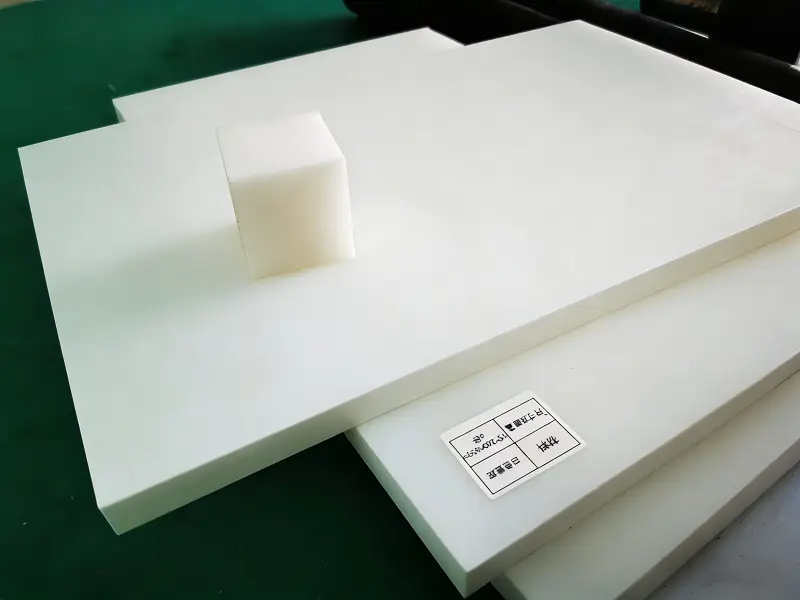
Overview:
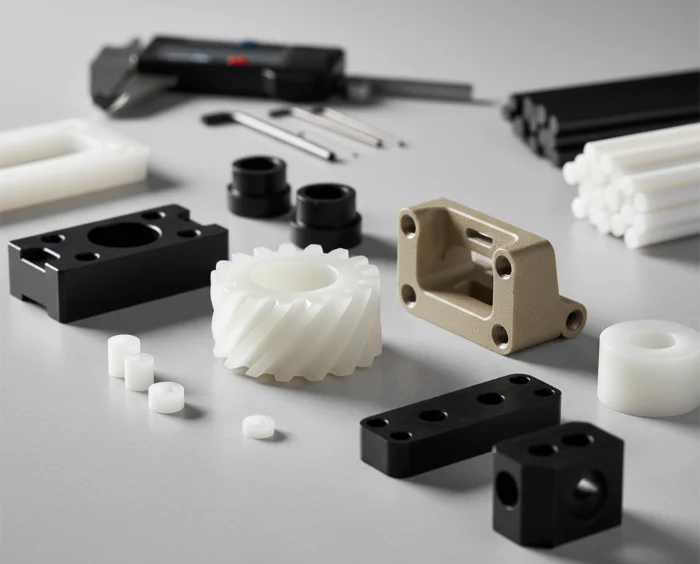
Nylon CNC machining is widely used for producing lightweight, wear-resistant, and cost-effective engineering plastic components. As a polyamide (PA) material, nylon offers an excellent balance of mechanical strength, machinability, and price, making it a popular choice for industrial, medical, and automation applications.
Tolerance : up to 0.002 inch
MOQ : prototype welcomed
Price: 10-200 USD/PCs
Delivery time: 1-5 days
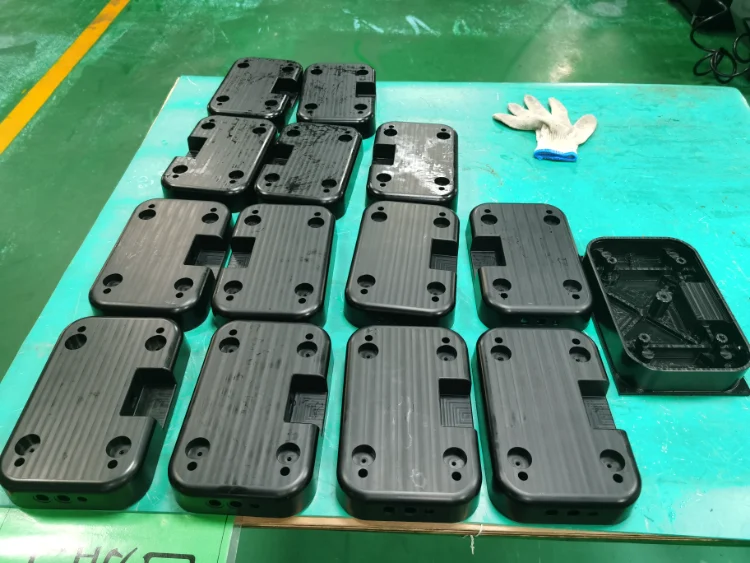
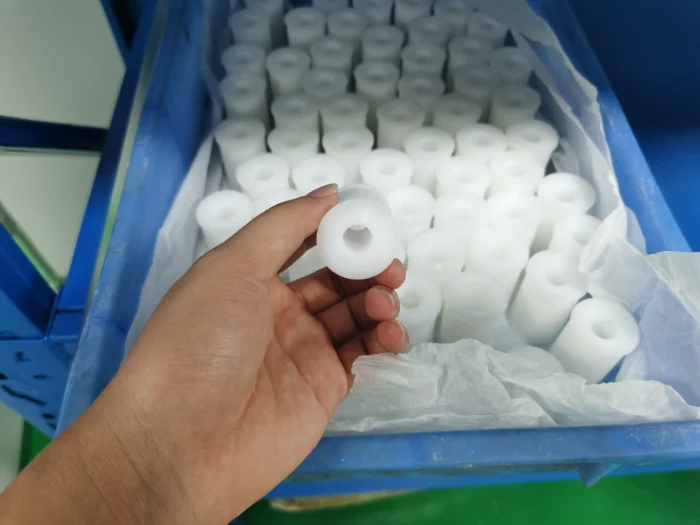
Application: For gears, bushings, rollers, insulators, and lightweight structural components where wear resistance, low friction, and cost efficiency are required.
What Is Nylon in CNC Machining?
In CNC machining, nylon refers to polyamide (PA) materials commonly processed from solid plastic stock. Nylon machining produces precision components with tight tolerances and smooth surfaces.
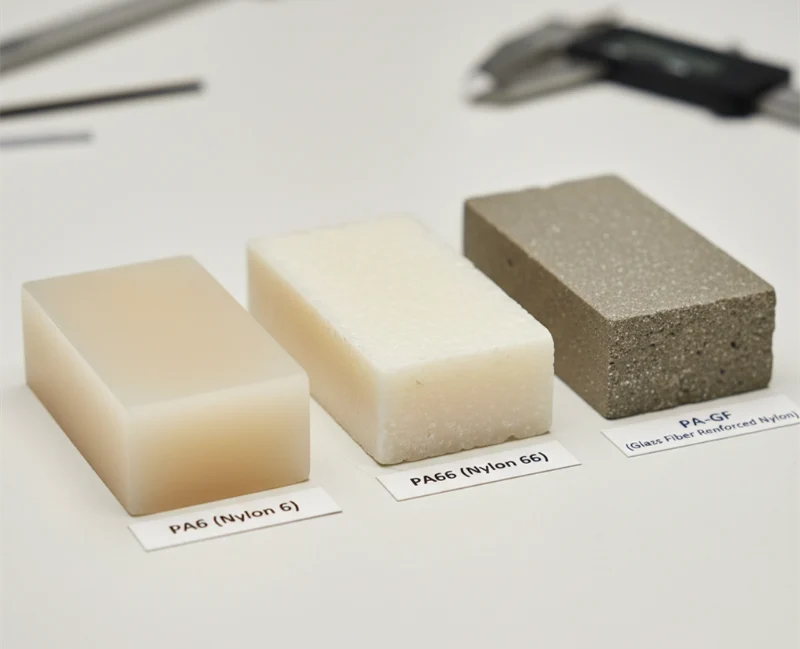
Common nylon grades used in CNC machining:
PA6 (Nylon 6)
PA66 (Nylon 66)
Glass-filled nylon (PA-GF)
Each grade affects machinability, strength, and cost.
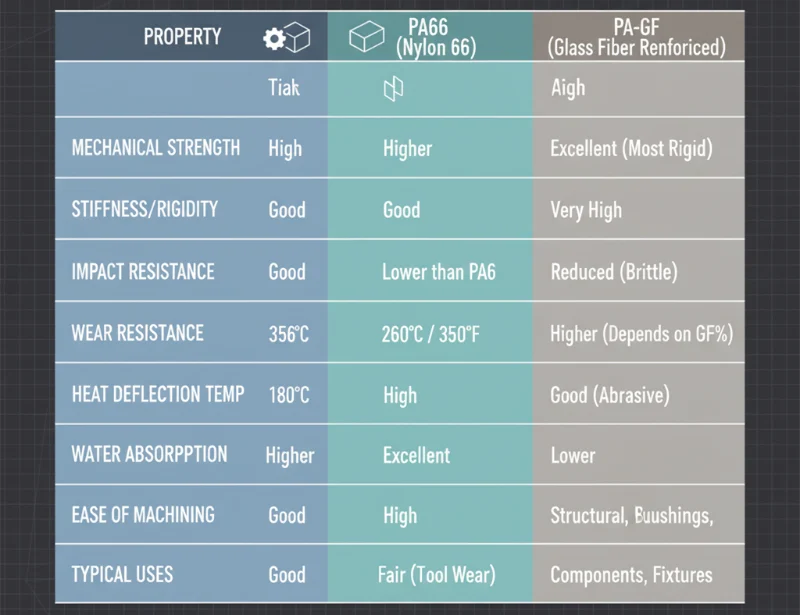
Nylon Material Properties for CNC Machining
Understanding material properties is essential for successful nylon machining.
Mechanical Properties of Nylon
Density: ~1.13–1.15 g/cm³
Tensile strength: ~60–90 MPa
Good fatigue resistance
High impact strength
Excellent wear resistance
These properties make nylon CNC machining ideal for moving and load-bearing plastic components.
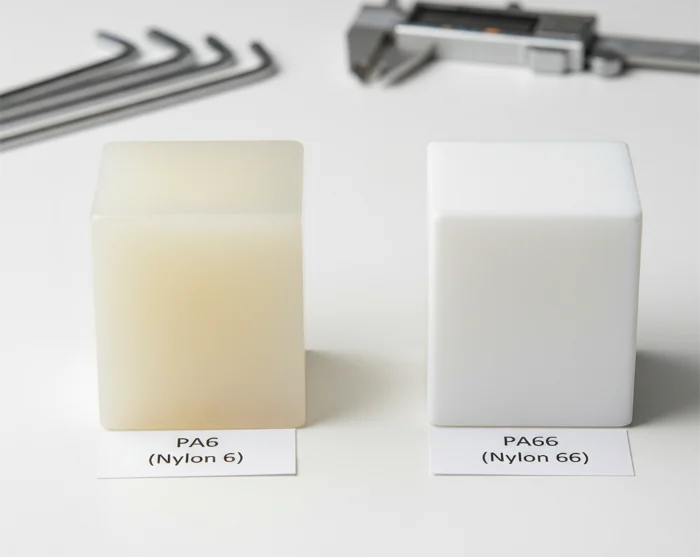
PA6 vs PA66 in Nylon CNC Machining
PA6 CNC Machining
Better toughness and flexibility
Lower material cost
Slightly higher moisture absorption
PA6 is commonly used for general-purpose nylon machined parts.
PA66 CNC Machining
Higher stiffness and wear resistance
Better dimensional stability
Higher strength at elevated temperatures
PA66 is preferred when tighter tolerances and higher mechanical performance are required.

Design Considerations for Nylon CNC Machining
Design directly impacts the success and cost of nylon CNC machining.
Key design guidelines:
Avoid overly thin walls to prevent deformation
Allow for moisture-related dimensional changes
Use generous internal radii
Specify realistic tolerances
Proper DFM (Design for Manufacturability) review improves part quality and reduces CNC machining cost.
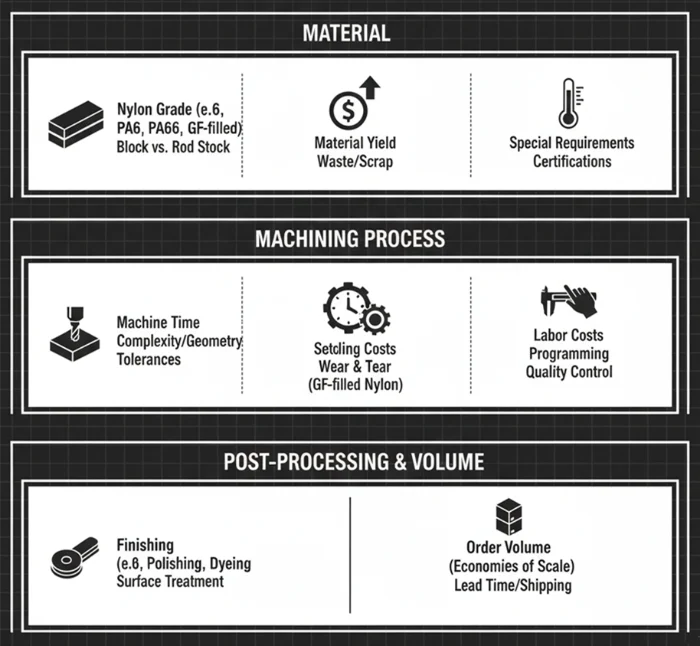
Nylon CNC Machining Cost Factors
The cost of nylon CNC machining depends on several variables.
Primary cost drivers include:
Part size and geometry
Machining time
Tolerance requirements
Order quantity
Compared to metal parts, nylon machining typically offers 30–60% lower total machining cost.
Typical Nylon CNC Machining Cost Range (USD)
For reference purposes only:
Simple nylon CNC machined parts: USD 25–80 / part
Medium complexity nylon parts: USD 40–120 / part
High-precision nylon CNC components: USD 80–180 / part
Larger production volumes significantly reduce unit cost.
Surface Finish Options in Nylon CNC Machining
Surface finish selection affects both performance and appearance in nylon machining part.
Unlike metals, nylon machining usually requires minimal post-processing, helping control cost.
| Application Requirement | Surface Treatment Solution |
|---|---|
| Deburring while maintaining high precision | Vibratory finishing + fine manual polishing |
| Uniform matte appearance & improved coating adhesion | Soft sandblasting |
| Custom color & premium soft-touch feel | Primer + color coating + rubber coating / UV coating |
| Low-friction or self-lubricating moving parts | PTFE coating or lubricant impregnation |
| Permanent marking without ink | Laser marking |
| UV resistance & outdoor anti-aging performance | UV-resistant clear coating + sandblasting pretreatment |
| Anti-static performance for electronics or cleanroom use | Anti-static coating or conductive nylon base material |
| Metallic decorative appearance | Vacuum ultra-thin metallization (PVD-style coating) |
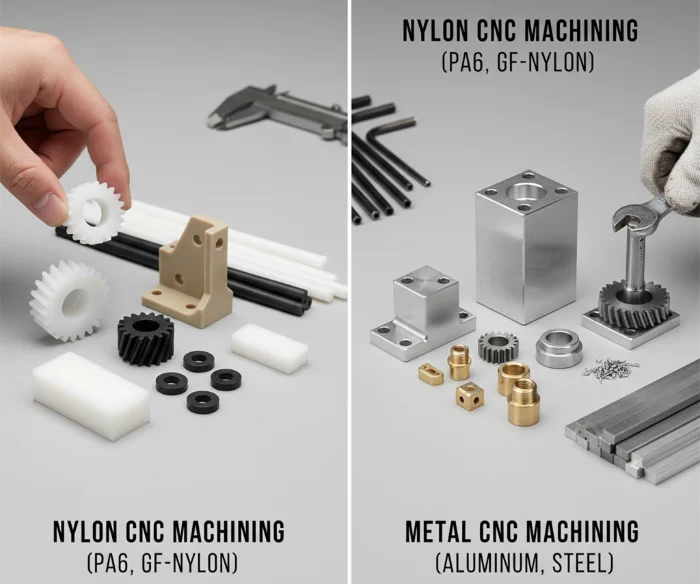
Nylon CNC Machining vs Metal CNC Machining
Nylon CNC is often chosen over metal when:
Weight reduction is critical
Corrosion resistance is required
Electrical insulation is needed
Lower machining cost is desired
In many applications, nylon CNC replaces aluminum or steel without compromising function.
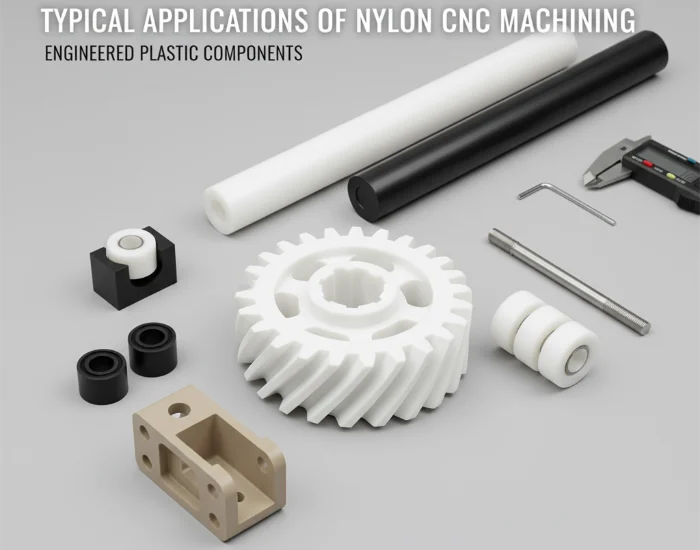
Typical Applications of Nylon CNC Machining
Nylon CNC machining is widely used across industries.
Common applications include:
Gears and bushings
Rollers and wear pads
Spacers and insulators
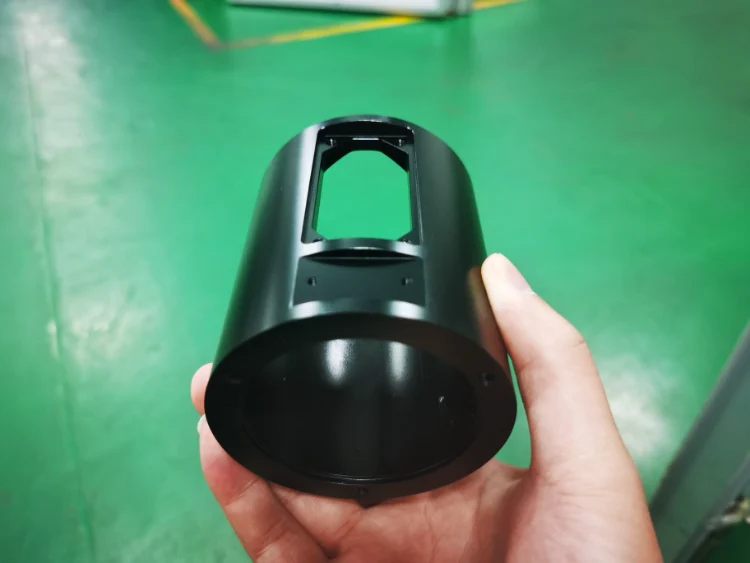
Mechanical housings
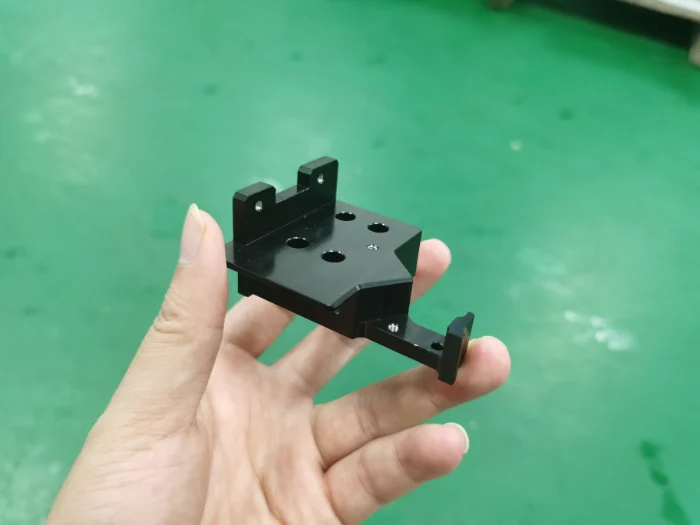
Automation and robotics components
These applications benefit from nylon’s wear resistance and low friction.
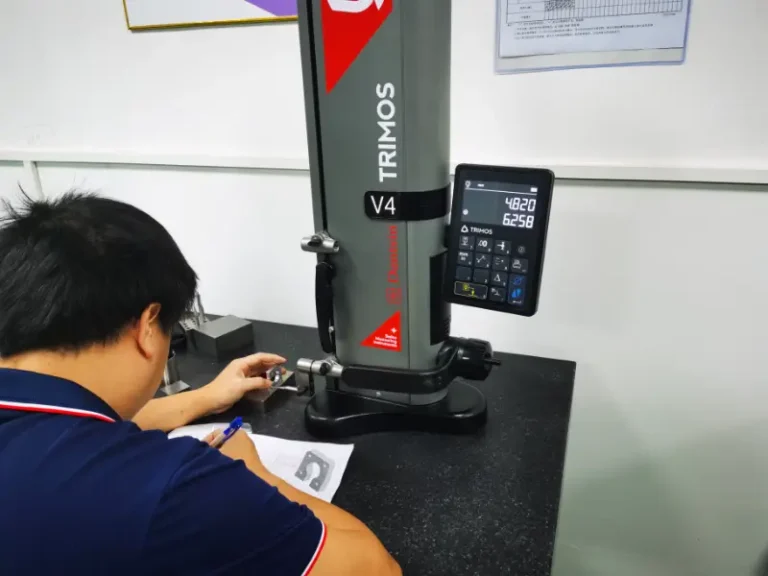
Quality Control in Nylon CNC Machining
Precision nylon CNC machining requires proper inspection and process control.
Quality measures include:
Dimensional inspection
Surface finish verification
Material traceability
Moisture control during machining
Professional CNC suppliers ensure consistent quality across batches.
Why Choose Weldo Machining for Nylon CNC Machining
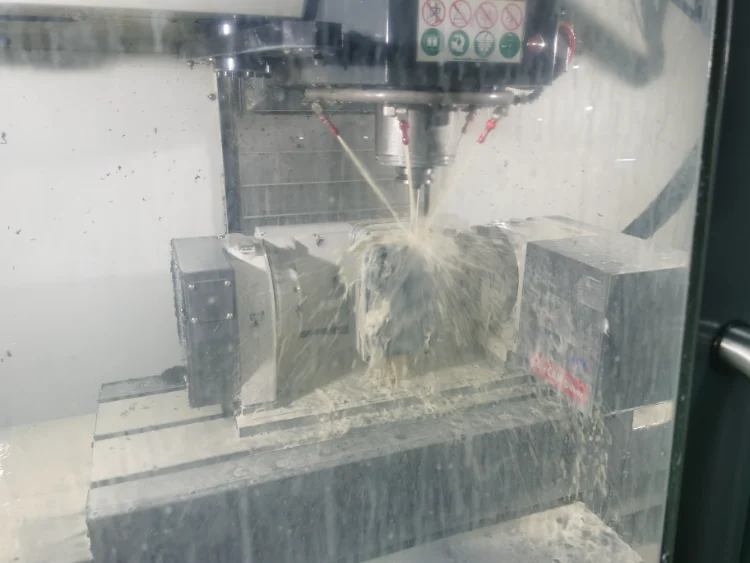
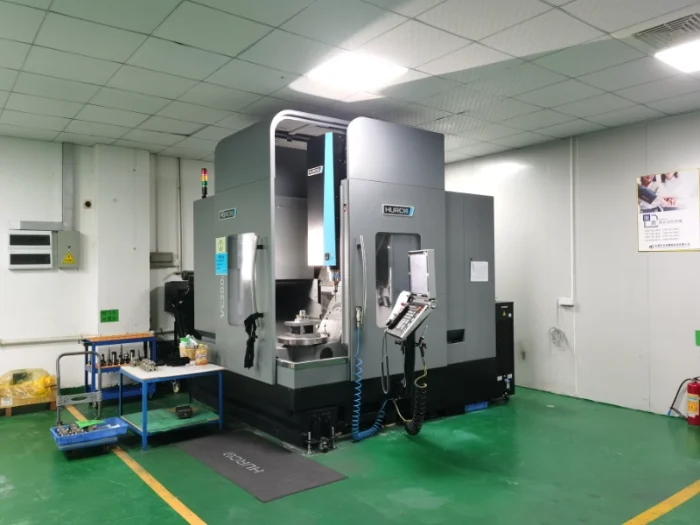
Weldo Machining specializes in nylon machining and other engineering plastic solutions. We help customers select the right nylon grade, optimize designs, and control machining cost.
Our capabilities include:
PA6 and PA66 CNC machining
Tight tolerance plastic machining
Prototype and production support
Competitive pricing and fast lead times



Conclusion: When Nylon CNC Machining Is the Right Choice
Nylon CNC machining offers a cost-effective, lightweight, and durable solution for a wide range of industrial applications. By choosing the correct nylon grade and working with an experienced CNC supplier, manufacturers can achieve reliable performance at a lower cost than metal alternatives. Contact Weldo Machining to discuss your CNC machining project and receive a detailed quotation.
FAQ of nylon cnc machining
What is nylon CNC machining used for?
Nylon CNC machining is commonly used to produce lightweight, wear-resistant, and low-friction components such as gears, bushings, rollers, spacers, and structural parts for industrial and automation applications.
Which nylon grades are suitable for CNC machining?
The most common grades for nylon CNC machining are PA6 and PA66. PA6 offers better toughness and lower cost, while PA66 provides higher stiffness, better wear resistance, and improved dimensional stability.
Is nylon CNC machining cheaper than metal CNC machining?
In many cases, nylon CNC machining is 30–60% more cost-effective than machining aluminum or steel due to faster cutting speeds, lower tool wear, and reduced material cost.
Does moisture absorption affect nylon CNC machining accuracy?
Yes. Nylon can absorb moisture and cause slight dimensional changes. Professional nylon CNC machining controls this with proper material conditioning, realistic tolerances, and stable machining environments.
What tolerances can be achieved with nylon CNC machining?
Typical tolerances for nylon CNC machining range from ±0.05 mm to ±0.1 mm, depending on part geometry, nylon grade, and environmental conditions.