
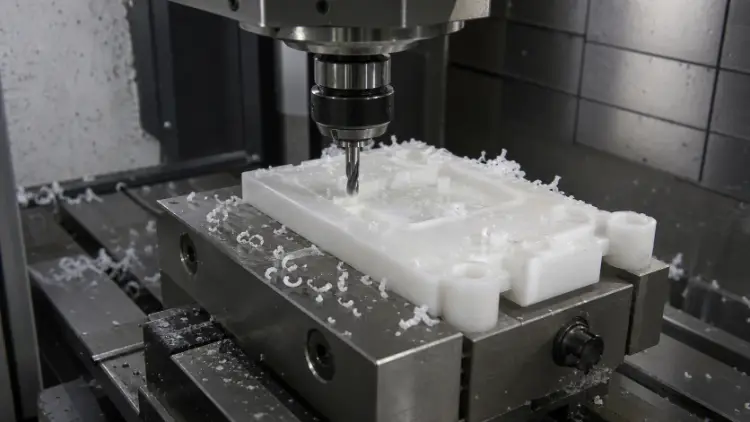
Lavorazione CNC del nylon / PA
Servizi di lavorazione CNC su misura del nylon
Il nylon unisce robustezza, basso attrito, resistenza all’usura e isolamento elettrico , rendendolo ideale per ingranaggi, boccole, rulli e guide. Inviateci il vostro disegno, il grado di nylon (PA) e le condizioni di impiego per una valutazione tecnica e un preventivo trasparente.
Richiedi un preventivo per componenti in nylonCapacità di lavorazione di Weldo
Capacità di lavorazione CNC del nylon
Basato su disegni Lavorazione CNC consente la realizzazione di prototipi in nylon, pezzi in piccole serie e produzione in serie tramite fresatura e tornitura controllate.
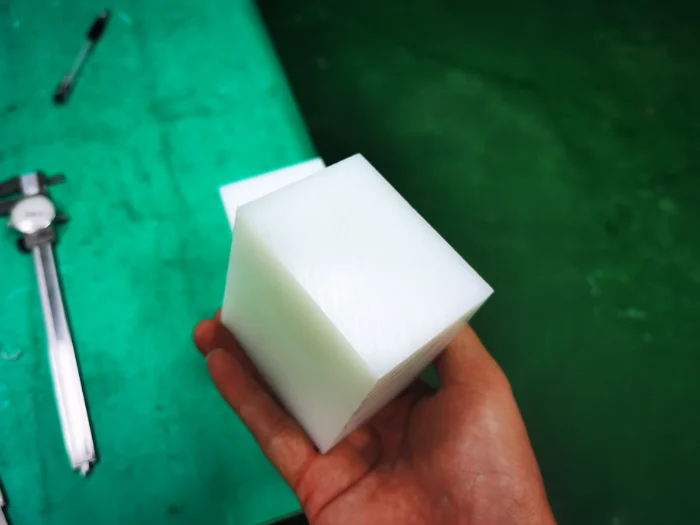
| Dimensione massima del pezzo | 3000 × 1200 × 850 mm |
|---|---|
| Tolleranza dimensionale standard | ±0,10 mm |
| Tolleranza critica controllata | ±0,05 mm |
| Spessore minimo della parete | 0,80 mm |
| Diametro minimo del foro | Ø 0,80 mm |
| Rugosità di finitura | Ra 0,8–3,2 μm |
Tipi di nylon / poliammide
Scegliere il tipo di nylon più adatto
Confronta i diversi tipi di nylon in base ai requisiti relativi a carico, temperatura, umidità, attrito e stabilità dimensionale.
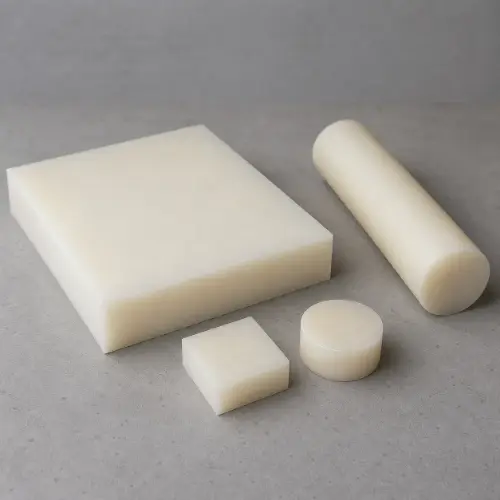
PA6 — Nylon per uso generico
Il PA6 unisce robustezza, resistenza all’usura e un costo contenuto del materiale per componenti industriali di uso generale.
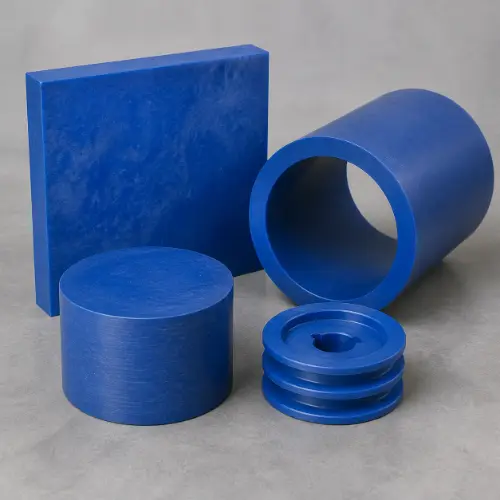
PA66 — Maggiore resistenza e rigidità
Il PA66 offre maggiore rigidità, resistenza meccanica e resistenza al calore rispetto al PA6 per uso generico.
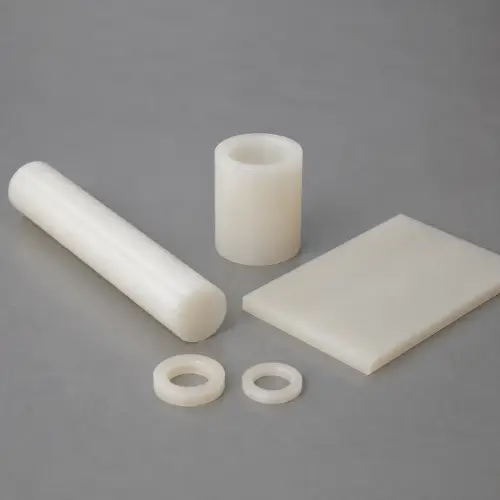
PA12 — Basso assorbimento di umidità
Il PA12 unisce tenacità, resistenza chimica e un assorbimento di umidità inferiore rispetto al PA6 e al PA66.
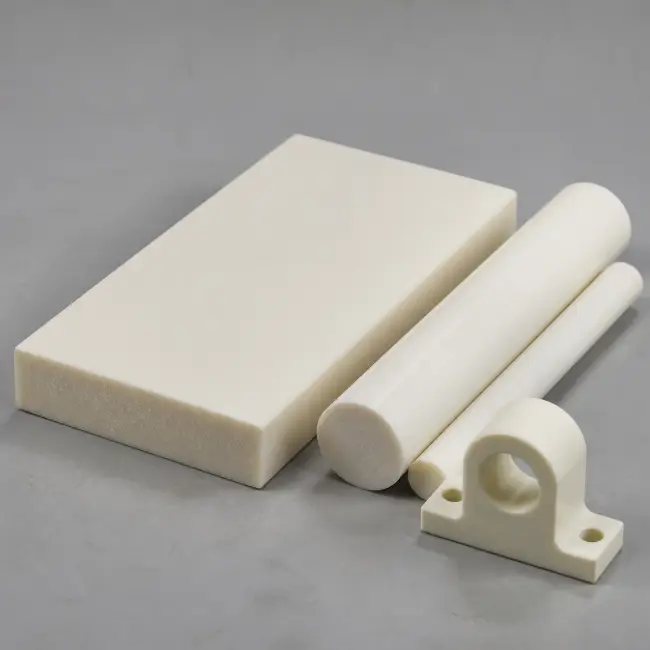
Nylon PA6 / MC colato
Il PA6 stampato è disponibile in grandi dimensioni e offre eccellenti prestazioni in termini di resistenza all'usura, capacità di carico e smorzamento delle vibrazioni.
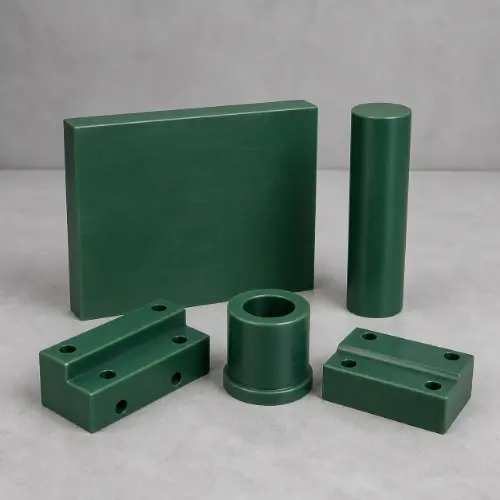
Nylon con lubrificazione interna
I lubrificanti interni riducono l'attrito, l'effetto stick-slip e l'usura nei sistemi di movimento a funzionamento a secco o a bassa manutenzione.
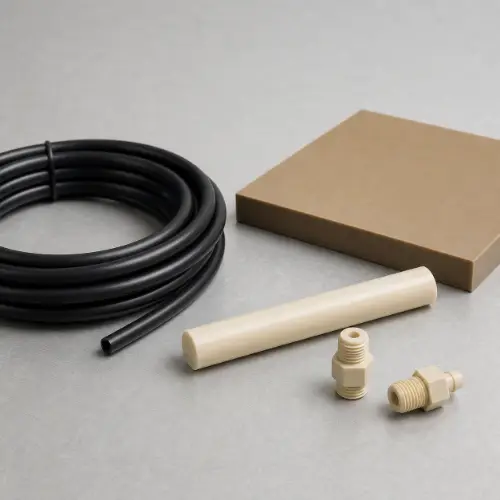
Nylon rinforzato con fibra di vetro o di carbonio
Il rinforzo in fibra aumenta la rigidità, la resistenza allo scorrimento e il controllo dimensionale in presenza di un carico meccanico prolungato.
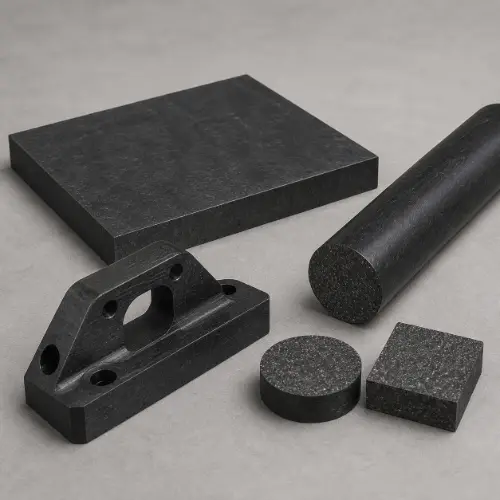
Gradi speciali di poliammide
I materiali PA11, PA610/612, PA1010 e PPA garantiscono un minore assorbimento di umidità, resistenza chimica, flessibilità o prestazioni a temperature più elevate.
Progetti in nylon lavorato a macchina
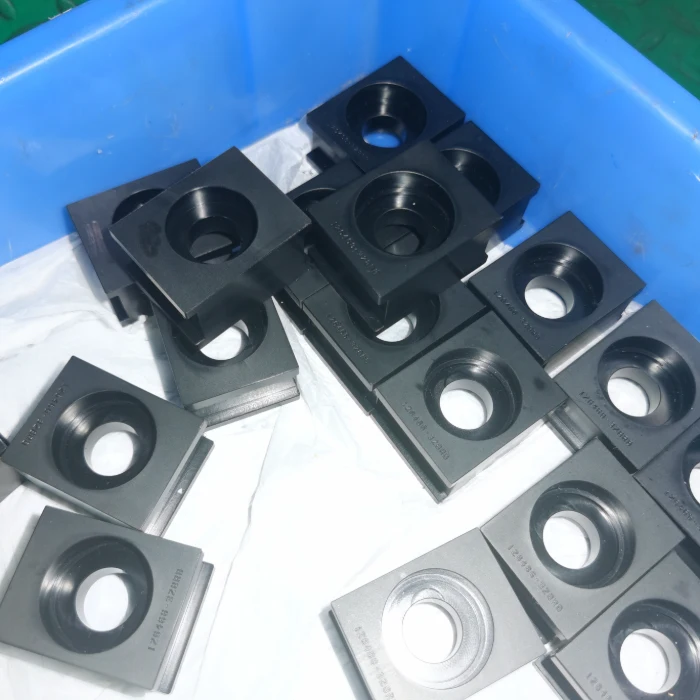
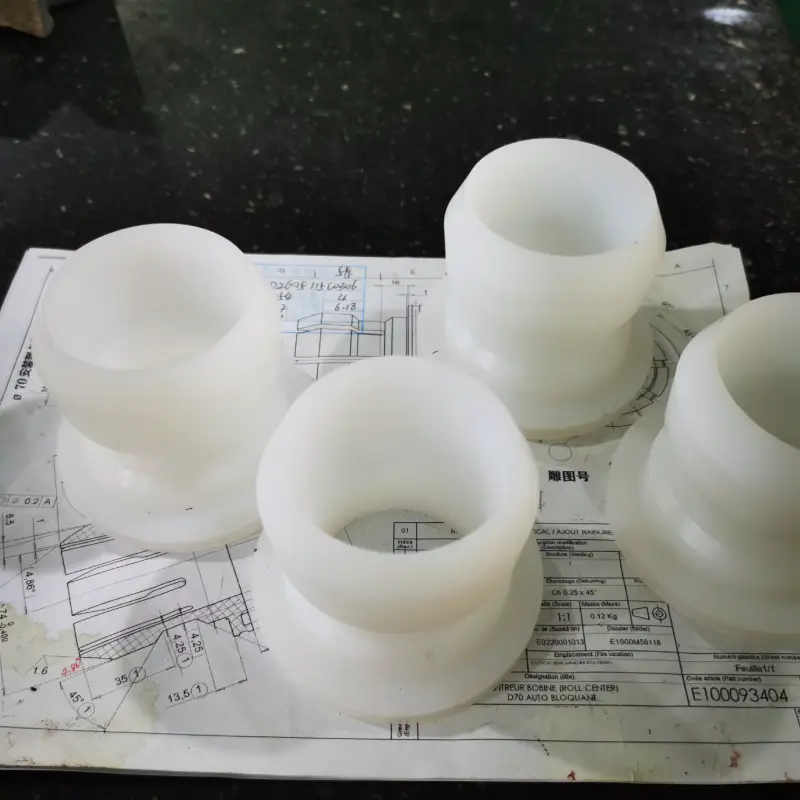
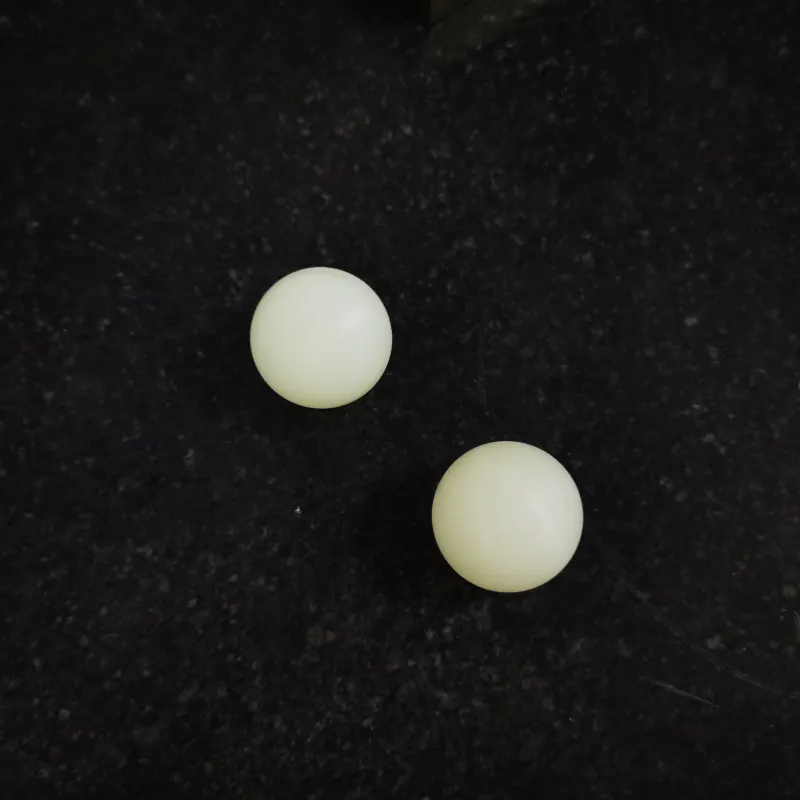
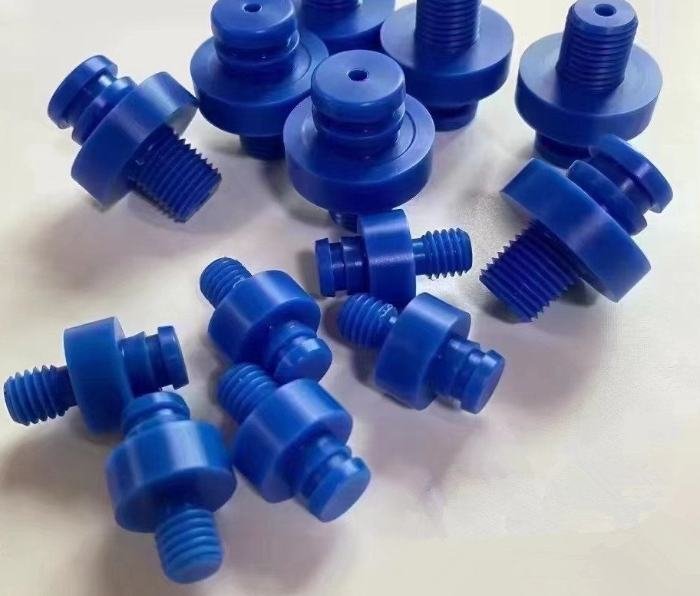
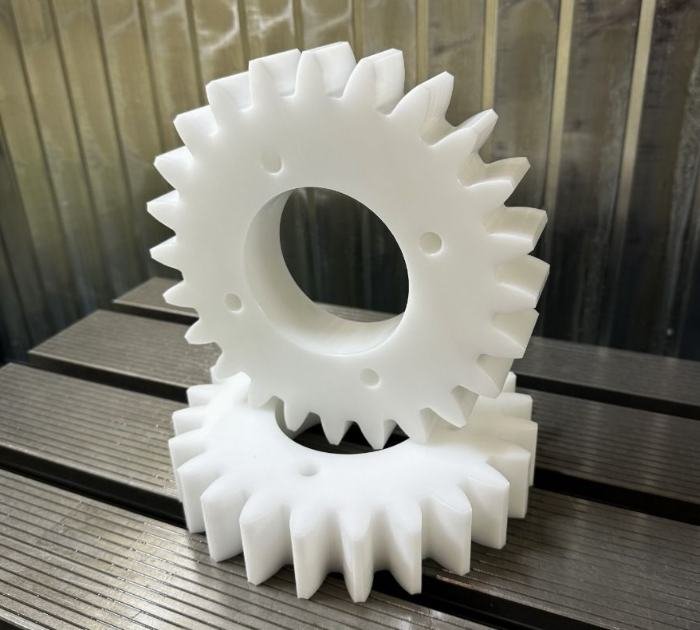
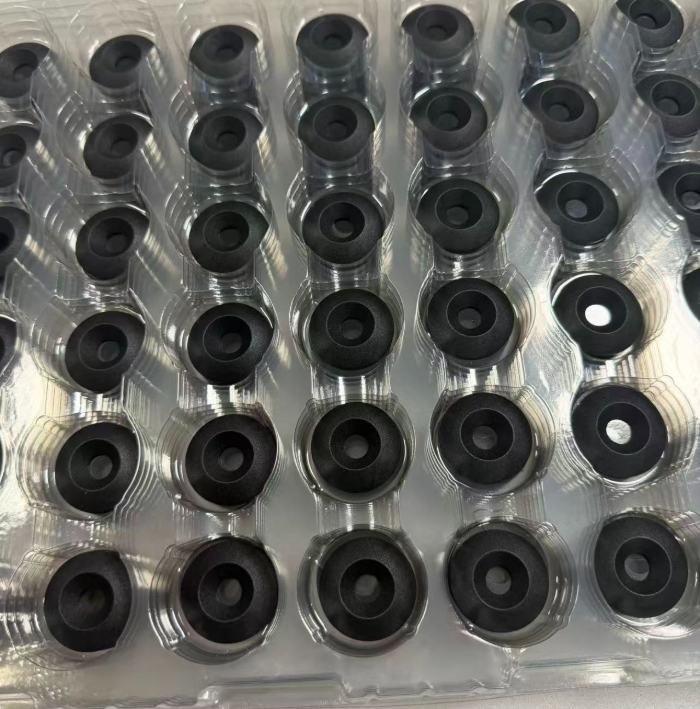
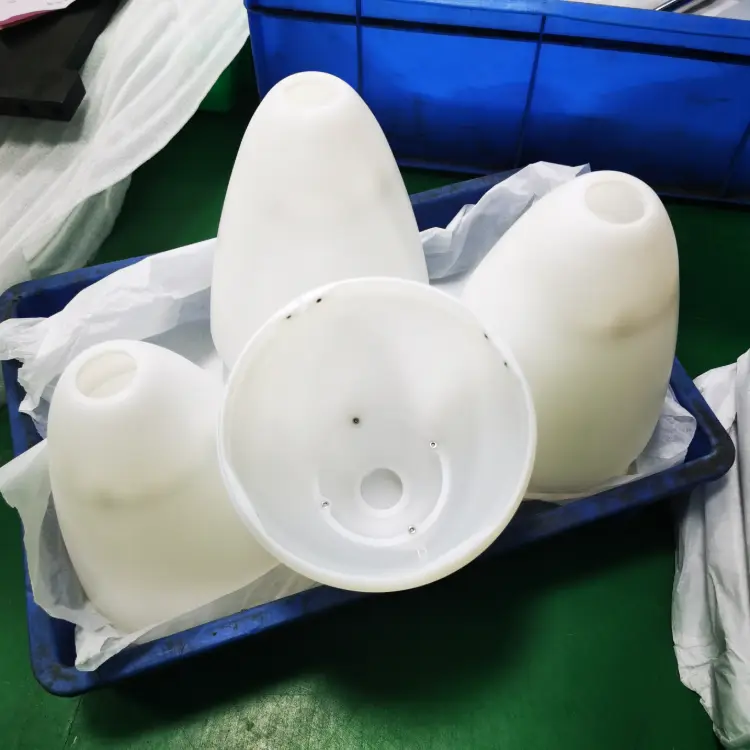
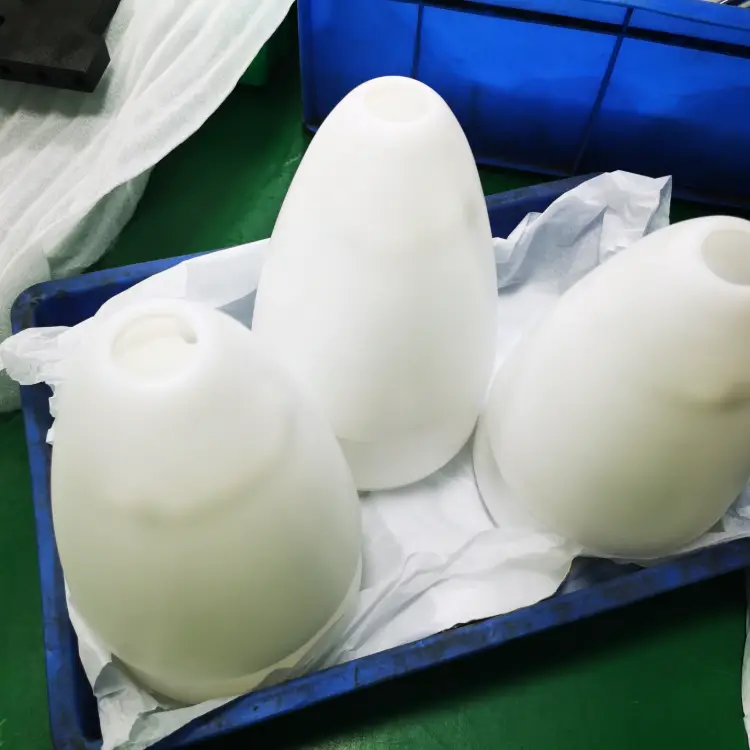
Parti in nylon lavorate su misura con macchine a controllo numerico (CNC)
Componenti PA prototipali, in piccole serie e per produzione in serie, lavorati secondo i vostri disegni.
Produzione e controllo qualità
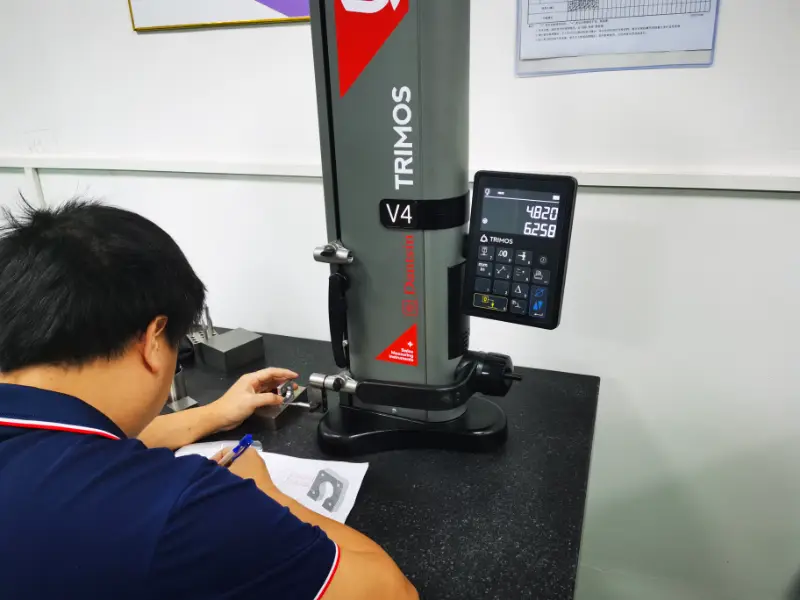
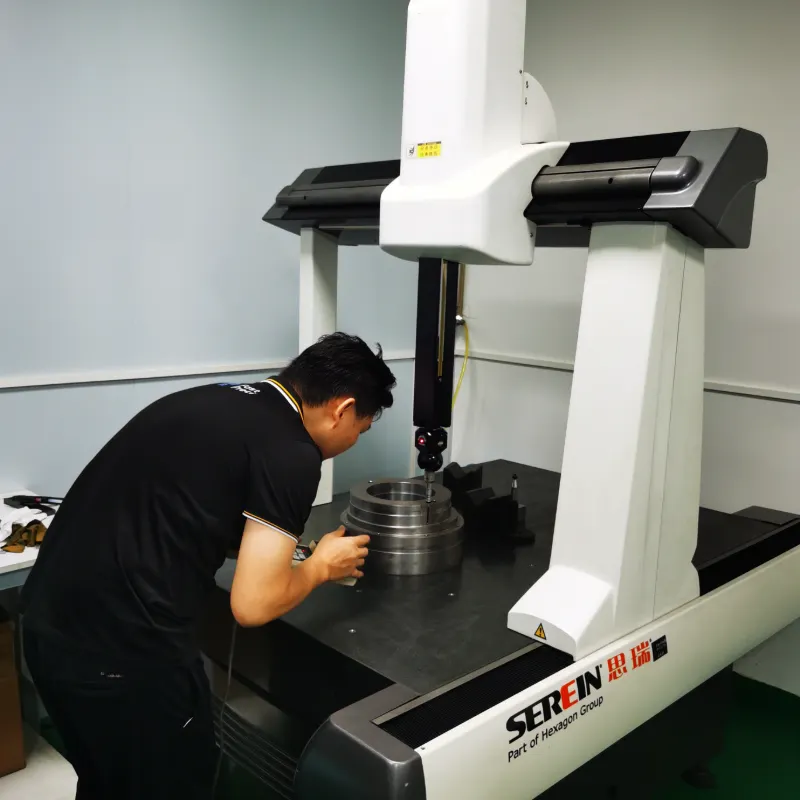
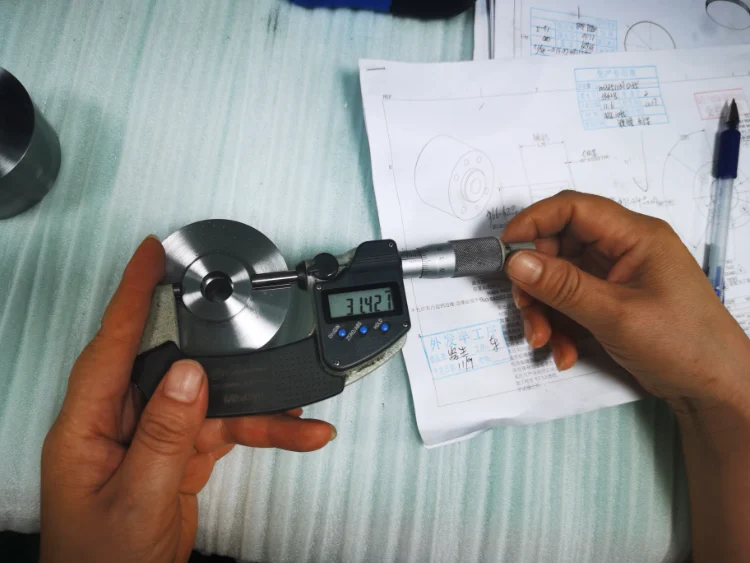
Dalla revisione dei materiali al controllo finale
Le dimensioni critiche vengono controllate dopo che il pezzo ha raggiunto una condizione di misura stabile.
Operazioni secondarie: sbavatura · lucidatura manuale · sabbiatura leggera · marcatura laser · inserti filettati · assemblaggio