
FR4 is one of the most widely used PCB substrate materials due to its good mechanical strength, stable electrical performance, and low cost. In PCB design, the FR4 dielectric constant (Dk) is a key factor affecting signal propagation, impedance control, and signal integrity. This article explains the structure, electrical properties, applications, and alternative materials of FR4.
What is FR4 Material
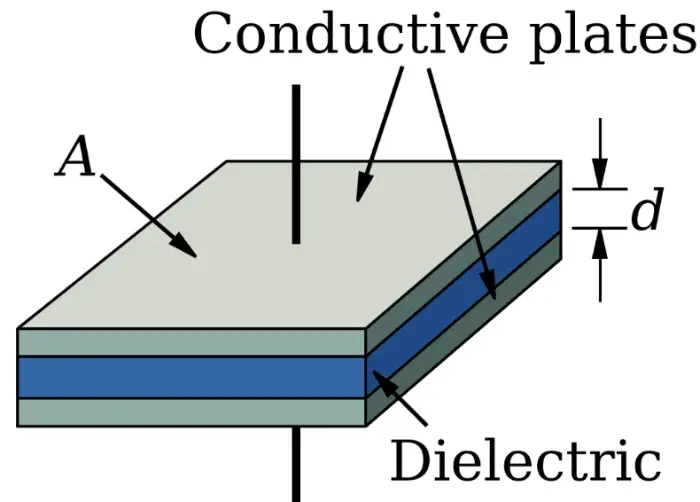
FR4 is a glass fiber reinforced epoxy laminate (Glass Fiber Reinforced Epoxy Laminate) and belongs to the flame-retardant material classification in the NEMA standard. In this name, FR stands for Flame Retardant, while 4 represents the material grade number in the NEMA classification. FR4 mainly consists of fiberglass cloth, epoxy resin, and copper foil layers:
Fiberglass provides mechanical strength and structural stability, epoxy resin provides bonding and electrical insulation, and the copper foil forms the conductive circuit layer.
This composite structure gives FR4 relatively high mechanical strength, good electrical insulation performance, and stable thermal performance. In addition, its manufacturing process is mature and the cost is relatively low, so it is widely used in printed circuit board manufacturing and has become one of the most common PCB substrate materials in the electronics industry.
What is the Dielectric Constant of FR4
The dielectric constant of FR4 is usually between 4.2 – 4.8.
Typical values at different frequencies are as follows:
| Signal Frequency | FR4 Dielectric Constant |
|---|---|
| 1 MHz | 4.5 |
| 100 MHz | 4.4 |
| 1 GHz | 4.2 – 4.5 |
| 10 GHz | 4.0 – 4.3 |
In PCB design, engineers usually take the dielectric constant (Dk) of FR4 as about 4.4 as a reference value for calculations and design, which is used for impedance control and signal propagation speed estimation. This reference value can meet the requirements of most conventional circuit designs and is widely used in PCB routing design and impedance calculations.
However, it should be noted that the dielectric constant of FR4 is not a fixed value. It can change due to factors such as signal frequency, material formulation, fiberglass-to-resin ratio, PCB manufacturing process, and temperature variations. In high-speed or high-frequency PCB design, these variations may affect signal integrity, impedance matching, and transmission loss. Therefore, engineers usually refer to the detailed parameter data (Datasheet) provided by material suppliers and combine it with simulation tools for more accurate design and optimization.
Key Electrical Properties of FR4
In addition to the dielectric constant, FR4 also has several key electrical parameters that directly affect PCB signal transmission performance.
Dissipation Factor (Df)
The dissipation factor (Df) of FR4 is typically between 0.017–0.025. The dissipation factor reflects the amount of energy lost by the material in an electromagnetic field. The higher the value, the greater the signal attenuation during transmission. Therefore, FR4 is more suitable for medium- and low-frequency digital circuits and conventional electronic equipment, while in high-frequency or RF applications engineers usually choose materials with lower loss to reduce signal attenuation and improve transmission performance.
Dielectric Strength
The dielectric strength of FR4 is typically about 20 kV/mm, which means the material can withstand relatively high voltage per unit thickness without electrical breakdown. The high dielectric strength gives FR4 good reliability in electrical insulation and makes it suitable for power circuits, industrial control equipment, and high-density electronic components that require stable insulation performance.
Insulation Performance
FR4 has excellent insulation properties, mainly reflected in high volume resistivity, high surface resistivity, and low water absorption. These characteristics allow it to maintain stable electrical performance under different environmental conditions. Even in humid environments or where temperature changes significantly, FR4 can effectively prevent leakage and electrical failure, ensuring reliable operation of electronic equipment.
Thermal and Mechanical Properties
In addition to stable electrical properties, FR4 also has good thermal stability and mechanical strength. Its fiberglass-reinforced structure provides high structural strength and dimensional stability, allowing PCBs to maintain shape during manufacturing, soldering, and long-term use. At the same time, FR4 has certain heat resistance and can withstand the heat generated during electronic device operation, making it widely used in consumer electronics, industrial equipment, and automotive electronics.
Glass Transition Temperature (Tg)
The glass transition temperature of FR4 generally falls into the following categories:
| FR4 Type | Tg Temperature |
|---|---|
| Standard FR4 | 130°C |
| Mid Tg FR4 | 150°C |
| High Tg FR4 | 170°C |
High-Tg FR4 can withstand higher soldering temperatures and is therefore commonly used in lead-free soldering PCBs and automotive electronic products.
Coefficient of Thermal Expansion (CTE)
The coefficient of thermal expansion (CTE) of FR4 varies in different directions. In the X/Y plane it is about 11–15 ppm/°C, while in the Z direction it is about 50–70 ppm/°C. CTE is an important parameter for evaluating PCB dimensional stability during temperature changes. It directly affects solder joint reliability, multilayer PCB structural stability, and product lifetime under thermal cycling. If the CTE differs significantly from electronic component materials, stress may occur during repeated heating and cooling, affecting PCB reliability.
Mechanical Strength
FR4 has relatively high mechanical strength and good structural stability. Its tensile strength is usually about 300–400 MPa, flexural strength about 400 MPa, and material density about 1.85 g/cm³. These properties allow FR4 to maintain stability in complex electronic equipment and multilayer PCB structures, making it resistant to deformation or damage during manufacturing, assembly, and long-term operation.
The Role of FR4 in High-Speed PCB Design
As data communication speeds continue to increase, high-speed PCB design places higher requirements on the electrical performance of substrate materials. In high-speed circuits, the material properties of FR4 directly affect signal propagation speed, impedance control, signal attenuation, as well as crosstalk and signal reflection. If PCB design is not optimized, problems such as signal integrity issues, timing errors, and electromagnetic interference (EMI) may occur, which can affect circuit system stability. Therefore, the electrical parameters and material properties of FR4 must be fully considered in high-speed circuit design.
FR4 and Impedance Control Design
In high-speed PCB design, impedance control is one of the key technologies to ensure signal integrity. Transmission line impedance mainly depends on parameters such as dielectric constant (Dk), PCB dielectric thickness (H), trace width (W), and copper thickness (T). Signal propagation speed can be expressed by the formula:
V = C / √Dk
where C is the speed of light. Since the dielectric constant of FR4 is about 4.4, the signal propagation speed in FR4 material is approximately 50% of the speed of light. This is also why PCB design software such as Altium Designer or Cadence must use accurate Dk parameters when performing impedance calculations and signal simulations.
Comparison Between FR4 and Alternative Materials
In some high-frequency, high-speed, or high-temperature applications, engineers may choose other PCB substrate materials to replace FR4. These materials usually have lower dielectric constants or lower signal loss, meeting the requirements of RF communication, high-speed data transmission, and special environmental circuit design. As communication technology and electronic device performance improve, such high-performance PCB materials are becoming increasingly common in certain applications.
| Material | Dielectric Constant | Loss | Application |
|---|---|---|---|
| FR4 | 4.2–4.8 | Medium | Standard PCB |
| Rogers | 3.2–3.5 | Low | RF Communication |
| PTFE | 2.1 | Extremely Low | Microwave Circuits |
| Megtron | 3.3 | Extremely Low | High-Speed Communication |
Rogers High-Frequency Material
Rogers is a common alternative material used in RF PCBs. It has a dielectric constant of about 3.2–3.5 and a relatively low dissipation factor, providing stable performance in high-frequency environments and effectively reducing signal attenuation and transmission loss.
Due to its excellent high-frequency characteristics, Rogers materials are widely used in 5G communication equipment, radar systems, and satellite communication circuits. Compared with FR4, it is more suitable for RF circuit designs requiring high frequency stability.
PTFE (Polytetrafluoroethylene) Material
PTFE (Teflon) is a high-performance microwave circuit material with a low dielectric constant of about 2.1 and extremely low dissipation factor, providing very stable signal transmission performance in high-frequency and microwave applications.
Therefore, it is often used in RF circuits, microwave modules, and satellite communication equipment. However, PTFE materials have higher manufacturing costs and greater processing difficulty, so they are usually used only in high-end or high-frequency applications.
Polyimide Material
Polyimide is mainly used in high-temperature or flexible circuits, providing excellent heat resistance and mechanical flexibility while maintaining stable electrical performance at elevated temperatures. It is commonly used in flexible printed circuit boards (FPC), aerospace electronics, and high-temperature industrial electronic equipment. In products that require bending or operation at high temperatures, Polyimide is an important alternative to FR4.
High-Speed Digital PCB Materials (Megtron / Nelco)
Materials such as Megtron, Nelco, and Isola are PCB substrates designed specifically for high-speed digital circuits. They offer lower dielectric loss and more stable dielectric constants, improving signal integrity and reducing attenuation in high-speed signal transmission.
These materials are widely used in data center servers, networking equipment, and high-speed communication systems. With the development of high-speed interface technologies such as PCIe and high-speed Ethernet, their use in high-end electronic devices continues to increase.
The main advantages of FR4’s wide application are low cost, mature manufacturing processes, and stable supply, which is why most electronic devices still use FR4 materials.
Processing Methods Supported by FR4 Materials
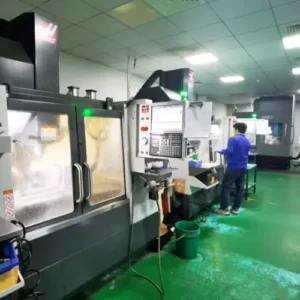
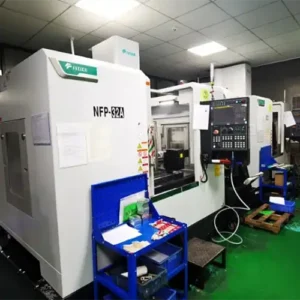
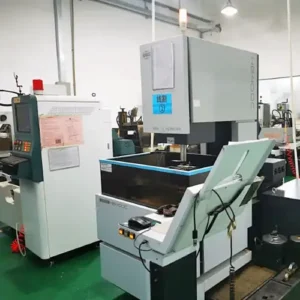
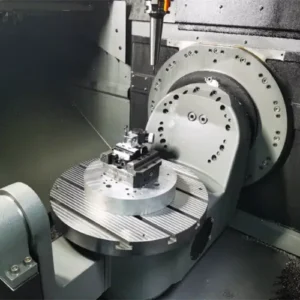
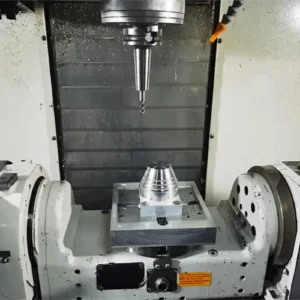
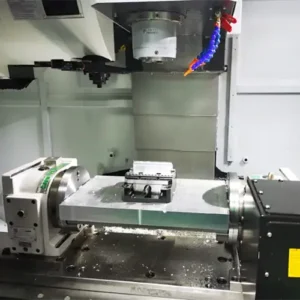
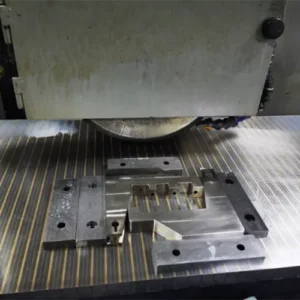
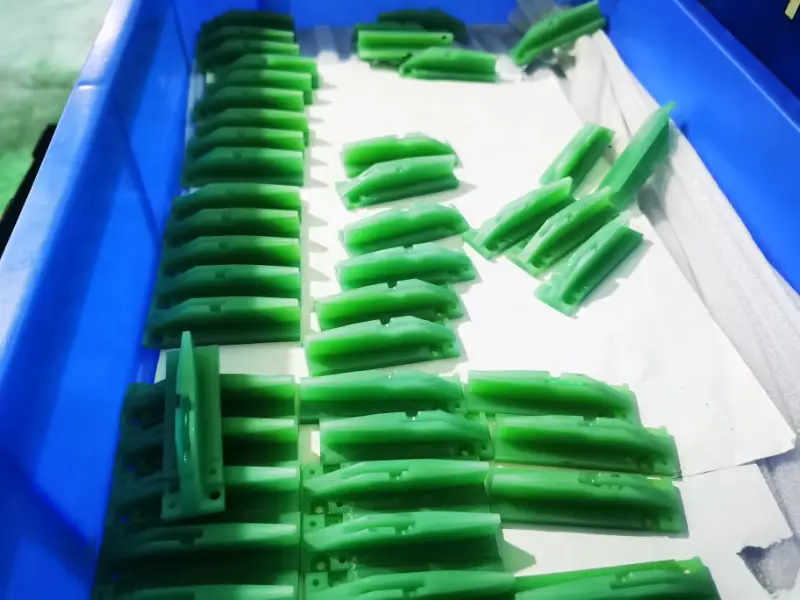
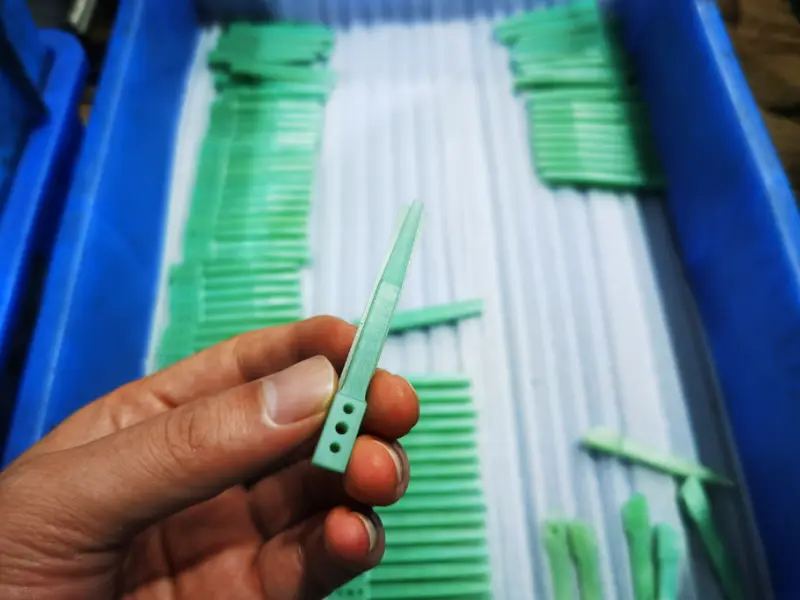
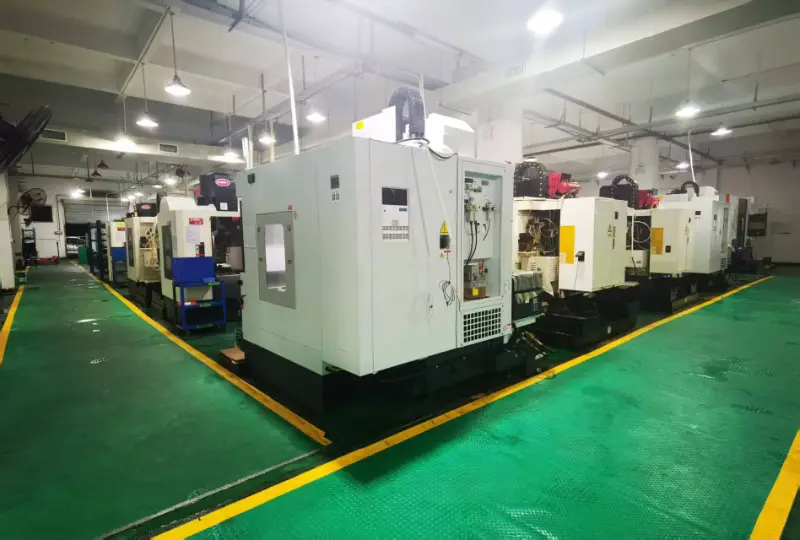
FR4 has good mechanical strength and stability, allowing precision manufacturing through CNC machining, such as milling, drilling, slotting, and contour cutting. These processes are used not only in PCB manufacturing but also in the processing of FR4 insulation boards and electronic structural components.
In PCB manufacturing, FR4 supports high-precision drilling processes used to form connection structures such as through holes, blind vias, and buried vias. Mechanical or laser drilling combined with metallization enables electrical connections between different circuit layers.
FR4 is also suitable for multilayer PCB lamination processes. During manufacturing, FR4 prepreg and copper foil are laminated under high temperature and pressure to form multilayer circuit structures, meeting the high-density routing requirements of complex electronic devices.
In addition, FR4 PCB circuit patterns are usually formed through chemical etching processes, where excess copper is removed to create the required circuit traces. This is one of the core processes in PCB manufacturing.
Common Surface Finishing Methods for FR4 PCBs
After PCB manufacturing is completed, surface finishing is usually required to protect the copper layer and improve solderability. HASL (Hot Air Solder Leveling) is a traditional process with relatively low cost and good solderability, but its surface flatness is relatively low.
ENIG (Electroless Nickel Immersion Gold) provides excellent surface flatness, strong oxidation resistance, and stable soldering performance, making it widely used in high-density PCBs and high-end electronic products.
OSP (Organic Solderability Preservative) is an environmentally friendly surface treatment method with low cost and good flatness, although its storage time is relatively short.
In addition, immersion silver and immersion tin processes are also commonly used in FR4 PCBs. These finishes provide good electrical conductivity and soldering performance and are suitable for high-speed or fine-pitch circuit designs.
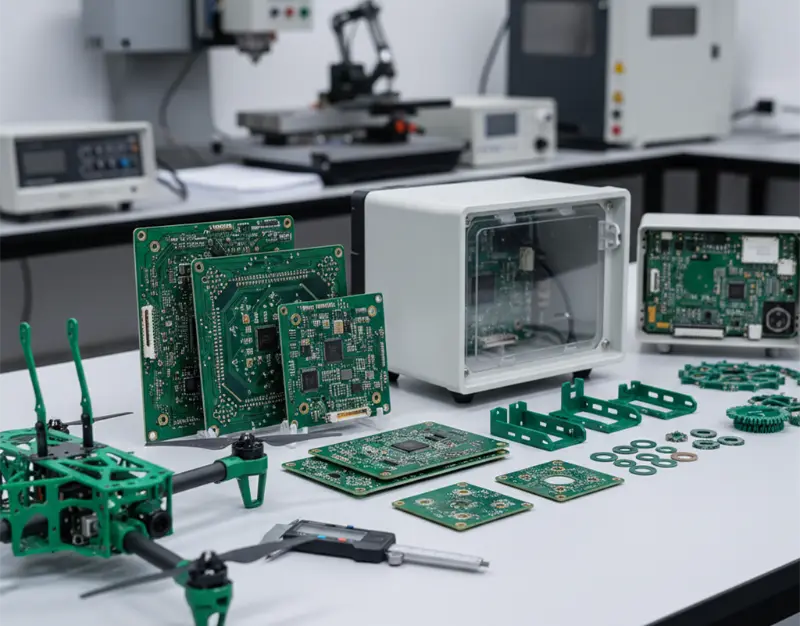
Typical Applications of FR4 Materials
Because FR4 has good mechanical strength, stable electrical performance, and relatively low manufacturing cost, it is widely used from consumer electronics to industrial equipment and automotive electronic systems, covering most application areas in the electronics industry.
Consumer Electronics
In consumer electronics, FR4 is commonly used for circuit boards in smartphones, laptops, and smart home devices. These products require PCB materials with controlled costs and stable performance, which FR4 can provide.
Industrial Electronics
In industrial electronic equipment, FR4 is commonly used in PLC control systems, power modules, and automation equipment circuit boards. Industrial devices often require long-term stable operation, and the good insulation and mechanical strength of FR4 help ensure reliability in complex industrial environments.
Automotive Electronics
In automotive electronics, FR4 is widely used in ECU control systems, in-vehicle infotainment systems, and ADAS sensor modules. As automotive electronics continue to expand, the demand for stable PCB materials increases, and FR4 provides a good balance between cost and performance.
Overall, due to its cost advantages, mature manufacturing processes, and stable performance, FR4 remains the most widely used substrate material in the PCB industry.
Summary
FR4 is one of the most widely used PCB substrate materials in the electronics manufacturing industry. Its dielectric constant typically ranges from 4.2–4.8, and it offers good mechanical strength, electrical insulation performance, and thermal stability. Although some signal loss may occur in high-frequency applications, FR4 remains a balanced material choice in terms of cost and performance for most electronic devices. In high-speed PCB design, engineers must consider factors such as dielectric constant variation, material loss, impedance control, and signal integrity to ensure stable circuit operation.
If you want get quote of fr4 details or machining cost,you can contact with us.