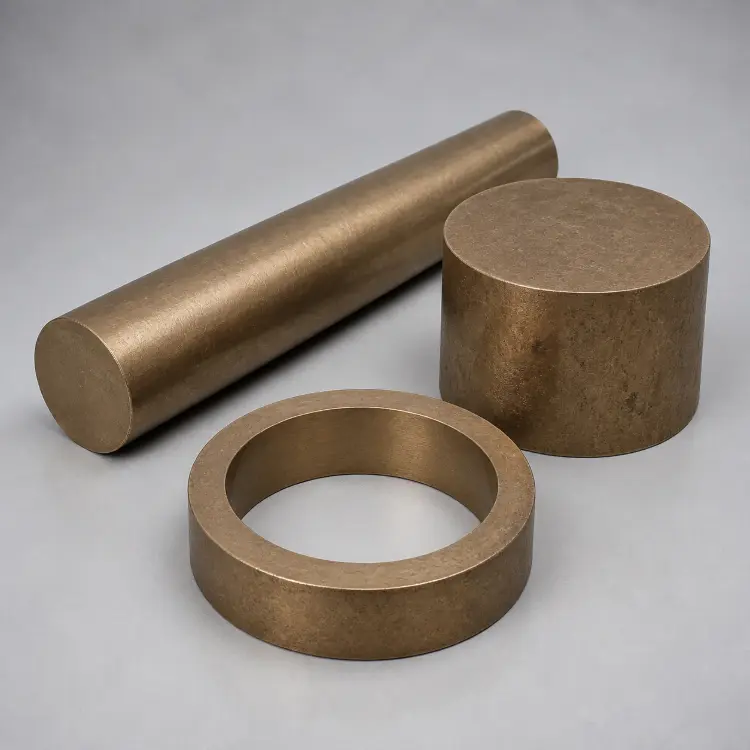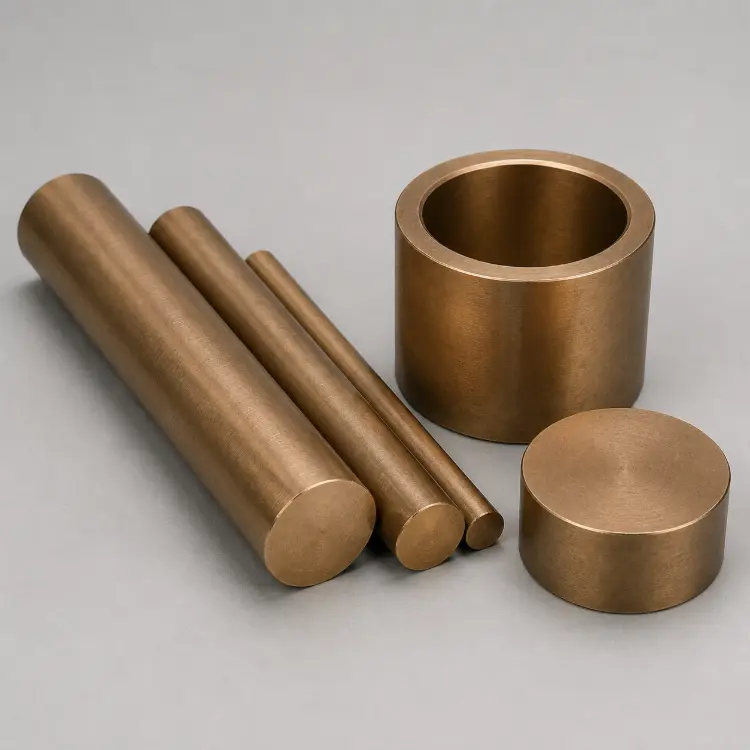
特注のブロンズ部品

特注ブロンズ部品のCNC加工

青銅は、耐摩耗性、低摩擦の滑り特性、および耐食性を兼ね備えています。図面をお送りいただければ、材質、公差、製造工程の検討を行い、明確なカスタム加工の見積書をご提示いたします。.
±0.05 mm標準寸法公差
Ra 0.8~3.2代表的な加工粗さ(µm)
試作~量産拡張性のある生産サポート
ブロンズ部品の図面をアップロードする →
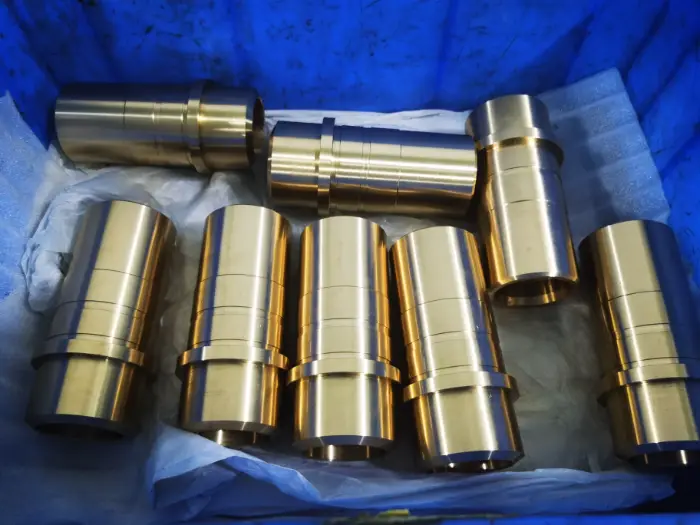
CNC精密加工された青銅製部品

材料の性能

機械加工された青銅合金の主な特性

青銅の物性は、合金の種類、製品形態、および焼き出し状態によって大きく異なります。これらの範囲には、一般的な軸受用青銅、アルミニウム青銅、ニッケル・アルミニウム青銅、およびケイ素青銅が含まれます。.
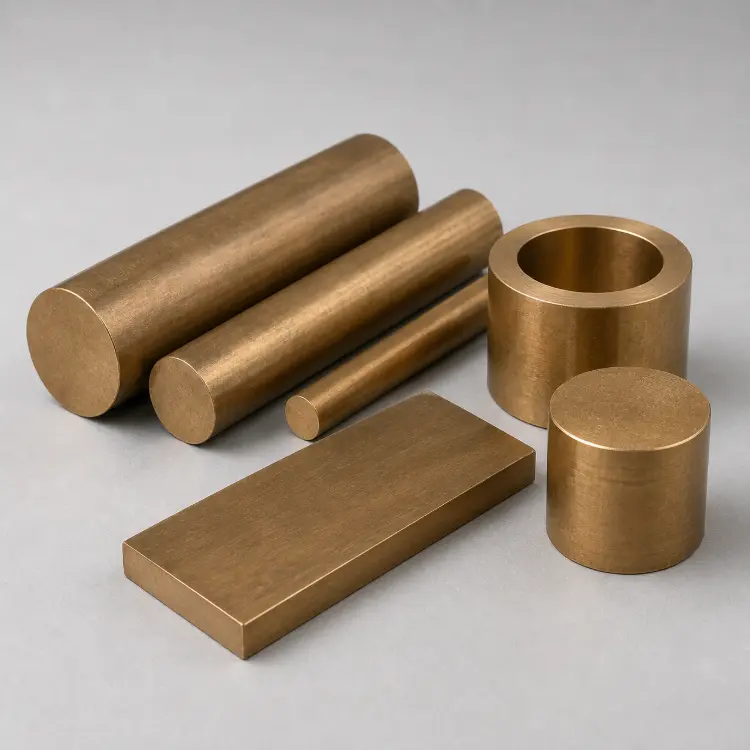
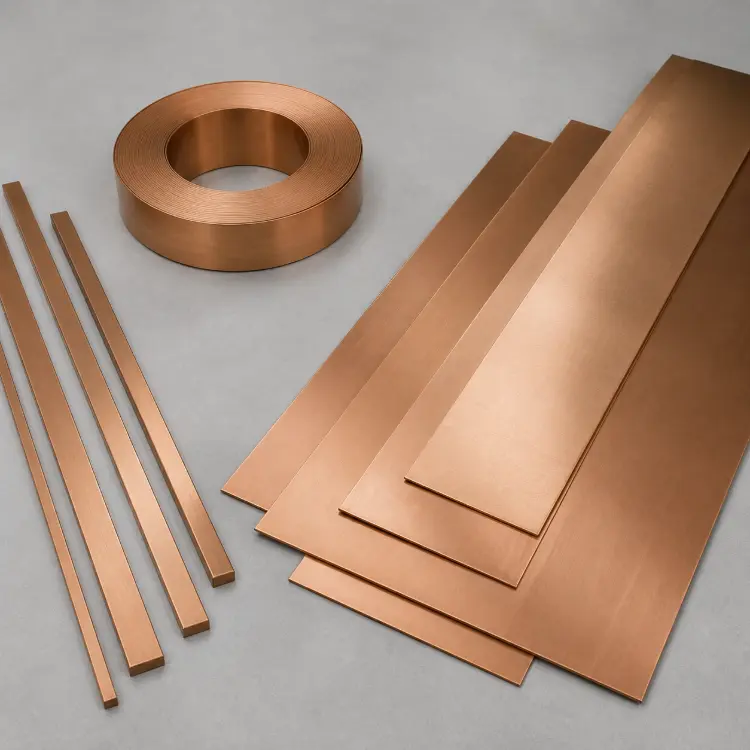
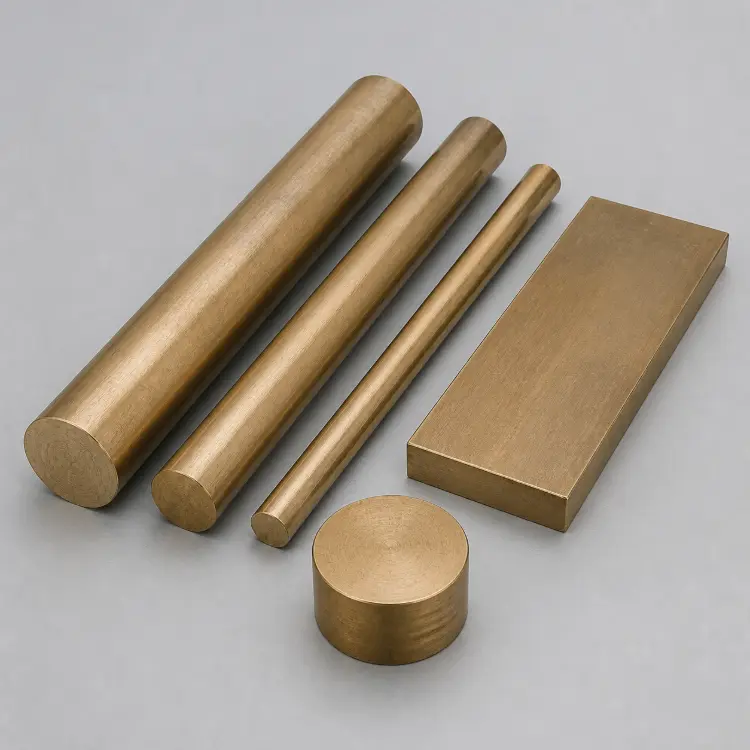
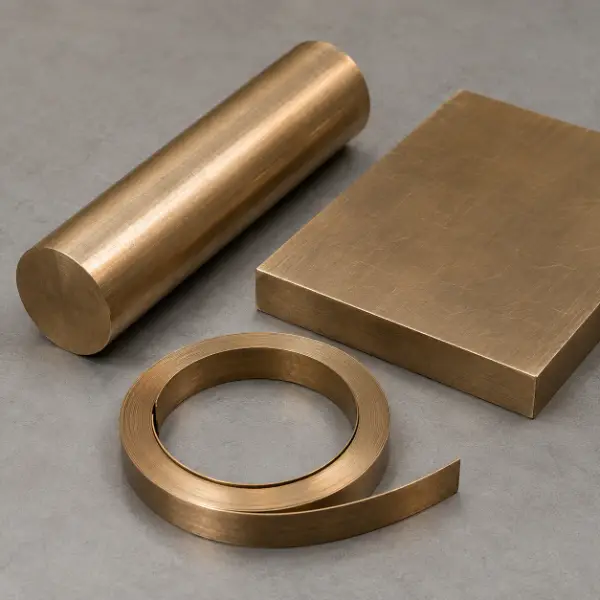
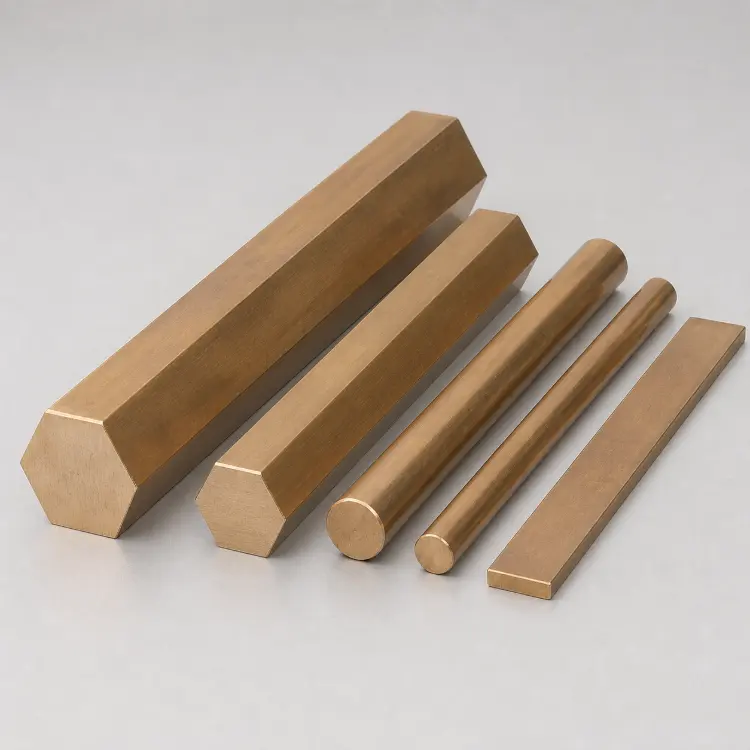
CNC加工用ブロンズ原料の在庫
引張強さ207~760 MPa
降伏強度95~345 MPa
ブリネル硬度60~230 HB
密度7.45~9.25 g/cm³
弾性率100~110 GPa
電気伝導度7–15% IACS

設計には、指定されたUNSグレードおよび材料状態を使用してください。最終的な値は、該当する材料証明書および規格に準拠する必要があります。.

Bronze Alloy Selection

Bronze Families for CNC-Machined Parts

Compare common bronze families by material performance, international grade, typical parts and finishing requirements. Confirm the alloy, temper, product form and service conditions before production.

Tin bronze material for CNC machining

錫ブロンズ

Tin bronze combines high load capacity, wear resistance and corrosion resistance in seawater and brines. It is used for bushings, bearings, gears, valve guides, pump components and piston rings in marine equipment, power transmission and heavy machinery.

Common International Grades Cast grades: UNS C90300, C90500 and C90700.
表面仕上げ Precision turning, boring, honing, grinding and polishing. Tin or nickel plating is applied only when required by the drawing and service environment.
エンジニアリング・ノート Tin bronze does not readily embed dirt or compensate for severe shaft misalignment. Bearing applications require clean lubricant, controlled clearance and a suitable mating-shaft hardness.
C51000 phosphor bronze material

リン青銅

Phosphor bronze provides high elasticity, fatigue strength, wear resistance and stable electrical-contact performance. It is used for springs, electrical contacts, clips, thrust washers, small bushings and worm gears in electronics, instruments and precision mechanisms.

Common International Grades Wrought grades: UNS C51000, C51900 and C52100.
表面仕上げ Deburring, polishing, brushing and anti-tarnish protection. Tin, nickel, silver or gold plating is selected for electrical contact and corrosion requirements.
エンジニアリング・ノート Specify temper, strip thickness and grain direction for springs and stamped contacts. These factors control forming performance, spring force and fatigue life.
Learn More About Phosphor Bronze  →
C95400 aluminum bronze material

アルミニウム・ブロンズ

Aluminum bronze offers high strength, impact resistance, elevated-temperature strength and strong resistance to seawater and cavitation. It is used for heavy-duty bushings, gears, valve seats, impellers, wear plates and marine hardware in offshore systems, pumps and industrial machinery.

Common International Grades Wrought grades: UNS C61400 and C63000. Cast grades: UNS C95400 and C95800.
表面仕上げ Precision machining, grinding, polishing and controlled abrasive blasting. Plating requires a qualified pretreatment process to achieve reliable adhesion.
エンジニアリング・ノート Aluminum bronze has limited conformability and dirt-embedding capacity. Bearing surfaces require accurate alignment, a smooth mating shaft and reliable lubrication.
Beryllium bronze material

ベリリウム青銅

Precipitation-hardened beryllium bronze delivers high strength, elasticity, fatigue resistance, nonmagnetic performance and useful electrical conductivity. It is used for precision springs, electrical contacts, diaphragms, bushings, mold inserts and qualified non-sparking tools.

Common International Grades Wrought grades: UNS C17200, C17300 and C17510.
表面仕上げ Precision polishing and anti-tarnish protection. Nickel, tin, silver or gold plating is selected for electrical, soldering and corrosion requirements.
Safety note: Machining, grinding and polishing require effective dust extraction and exposure controls. Dry processes must not release beryllium-containing dust into the workplace.
Learn More About Beryllium Bronze Machining  →
C65500 silicon bronze material

シリコン・ブロンズ

Silicon bronze combines corrosion resistance, strength, formability and reliable joining performance. It is used for fasteners, valve stems, pump parts, fittings, brackets and architectural hardware in marine, outdoor and industrial environments.

Common International Grades Wrought grades: UNS C65100, C65500 and C65600.
表面仕上げ Mechanical polishing, brushing, bead blasting, patination and clear protective coating. Decorative plating is applied when specified.
エンジニアリング・ノート The selected grade and product form determine strength, machinability and forming response. The RFQ should identify whether bar, plate, tube, forging or casting is required.
C86300 manganese bronze material

マンガン青銅

Manganese bronze provides high strength, impact resistance and dependable performance under heavy loads. It is used for bridge bearings, rolling-mill nuts, bushings, gears, guides and wear plates in mining, construction, lifting and steel-processing equipment.

Common International Grades Cast commercial grades: UNS C86200, C86300 and C86400.
表面仕上げ Precision machining, grinding and polishing. Protective oil, wax, lacquer or specified plating protects non-working surfaces during storage and service.
Classification note: “Manganese bronze” is an established commercial name. The UNS system places C86200–C86400 within the high-strength yellow-brass group. The exact UNS number must therefore appear on the drawing.
C93200 leaded bronze material

鉛ブロンズ

Leaded bronze offers excellent machinability, low friction, conformability and resistance to seizure. It is used for sleeve bearings, bushings, thrust washers and pump bearings operating at moderate loads and speeds, including systems with intermittent or boundary lubrication.

Common International Grades Cast high-leaded tin bronze grades: UNS C93200, C93600 and C93700.
表面仕上げ Precision turning, boring, honing and lubricant-groove machining. Bearing faces remain accurately machined; protective oil or specified plating is limited to suitable non-working surfaces.
Compliance note: These grades contain lead. The RFQ must define potable-water, food-contact, medical, RoHS and market-specific restrictions before material approval.

図形に基づく機能

青銅のCNC加工パラメータ

合金、鋳造条件、肉厚、形状、公差、および検査方法に基づき、最終的な性能が確認されます。.

標準公差±0.05 mm
主な高精度機能±0.01 mmまで
加工面粗さRa 0.8~3.2 µm
代表的な最小肉厚0.8 mm
CNCフライス加工範囲最大 3000 × 1600 × 1000 mm
CNC旋盤の加工能力最大 Ø200 × 1000 mm
01

コントロールツールの密着性

鋭利な刃と正の幾何形状により、摩擦、にじみ、およびエッジへの堆積を低減します。.

02

合金を合わせる

青銅とアルミニウム青銅の加工には、それぞれ異なる回転数、送り速度、および工具戦略が必要です。.

03

薄い壁を保護する

軽量で分散型の締め付けにより、ブッシング、スリーブ、および分割部品の歪みを抑制します。.

04

機能用穴の確認

ベアリングの直径、真円度、および位置合わせは、図面の基準系に基づいて検査されます。.

大型青銅加工プロジェクト

ブロンズの後処理

青銅部品の表面仕上げ

腐食への曝露状況、摩耗、摩擦、および外観の要件に応じて仕上げを選択してください。仕上げ加工の過程では、重要な嵌合部や軸受面が保護されます。.

その他の表面仕上げを見る →

研磨・ブラッシング

加工跡を取り除き、滑らかなサテン仕上げまたは光沢のある表面に仕上げます。.

ビーズブラスト

均一なマットな質感を与え、塗装のための下地を整えます。.

化学的パティナ

表面反応により、茶色、黒色、あるいは古びたような色合いを意図的に作り出します。.

腐食防止シール

BTAを配合したクリアラッカーやワックスによる処理は、変色を抑えます。.

金属メッキ

ニッケル、クロム、スズ、銀、あるいは金は、保護性能、導電性、あるいは外観に影響を与えます。.

品質管理

図面審査から最終検査まで

重要なインターフェースは、量産開始前に特定され、承認された部品が梱包される前に検証されます。.
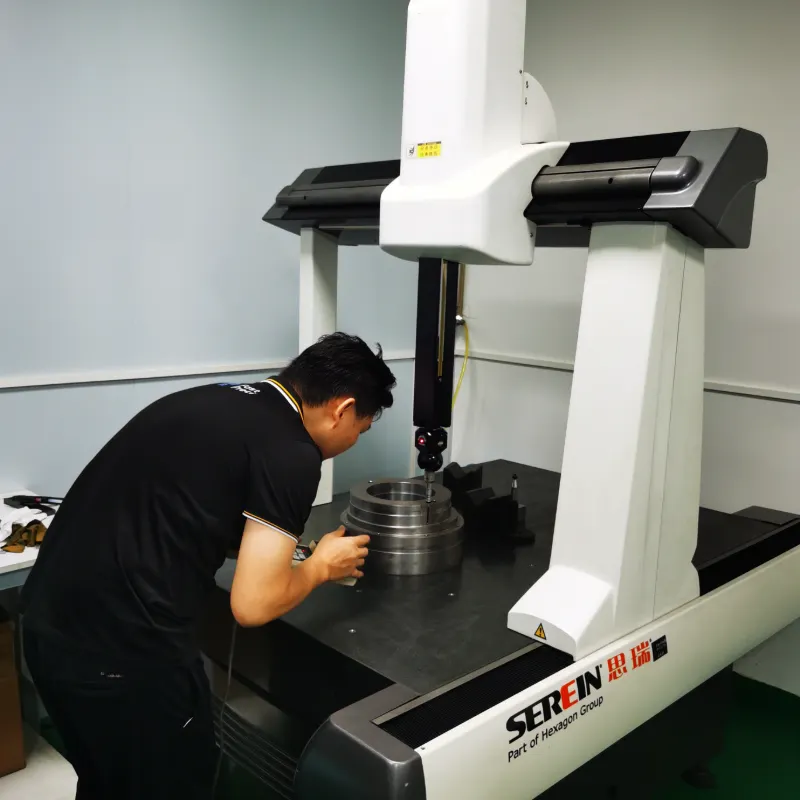
01 · 材料のレビューグレード、鋳造方法、状態、および証明書の要件が確認されました。.
02 · データ管理ワークの保持方法と加工順序は、重要な関係性を維持します。.
03 · 工程内検査穴径、ねじ山、肉厚、および機能寸法が監視されます。.
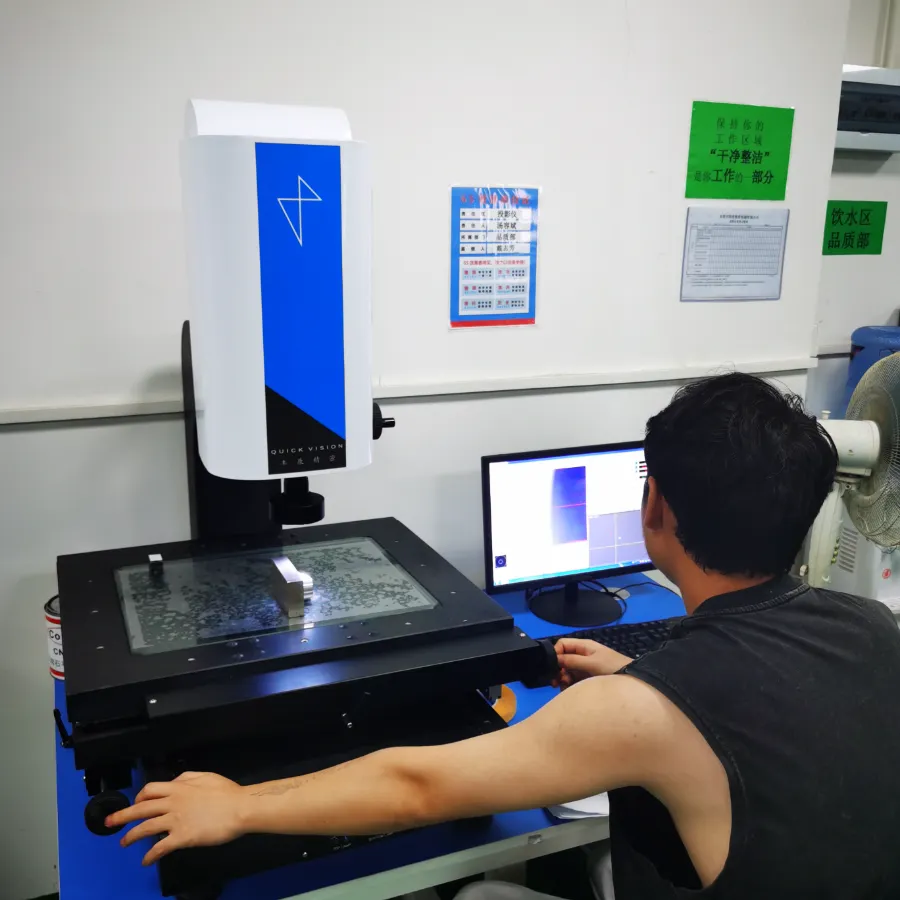
04 · 最終確認CMMおよび光学測定により、図面要件を満たしていることを確認します。.
CMM寸法検査
光学プロジェクターの検査

プロジェクトに関する質問

ブロンズ加工プロジェクトの計画立案

真鍮は加工しやすいですか?
はい。C36000などの快削材は切削速度が速く、短く切れた切りくずが発生します。鉛フリーや高強度の真鍮を加工する場合は、切削工具、送り速度、冷却条件を調整する必要があります。.
青銅の機械加工にはどのような課題がありますか?
ブロンズ材のグレードによって、硬度、研磨性、および切削くずの発生特性には大きな違いがあります。鋭利な工具、堅固な治具、および適切に制御された切削条件により、工具の摩耗、バリの発生、および寸法公差を低減することができます。.
青銅部品の加工コストをどのように削減できるでしょうか?
加工可能な材質と標準的な在庫サイズを選択し、厳しい公差は機能的な特徴に限定し、不必要に深いまたは狭い形状は避け、部品を組み合わせて効率的な生産ロットを編成してください。.