ロボット工学による製造

CNC Machining for Robotics Industry Parts

Precision metal and plastic components for humanoid, industrial, collaborative and mobile robots. Send your drawing for a practical DFM review, production plan and transparent quotation.

Development Stage試作から量産へ
対応素材金属・エンジニアリングプラスチック
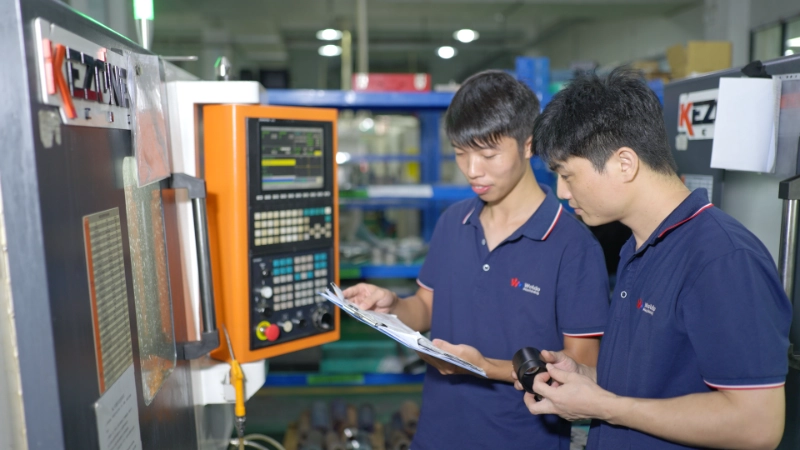
品質管理図面に基づく検査
Upload Your Robotics Part Drawing  →
Custom Machining for the Robotics Industry

カスタムコンポーネント

Common Custom Parts for Robotic Systems

Robotics Industry design engineers can source structural, motion and interface components to the specified datums, fits and assembly requirements.

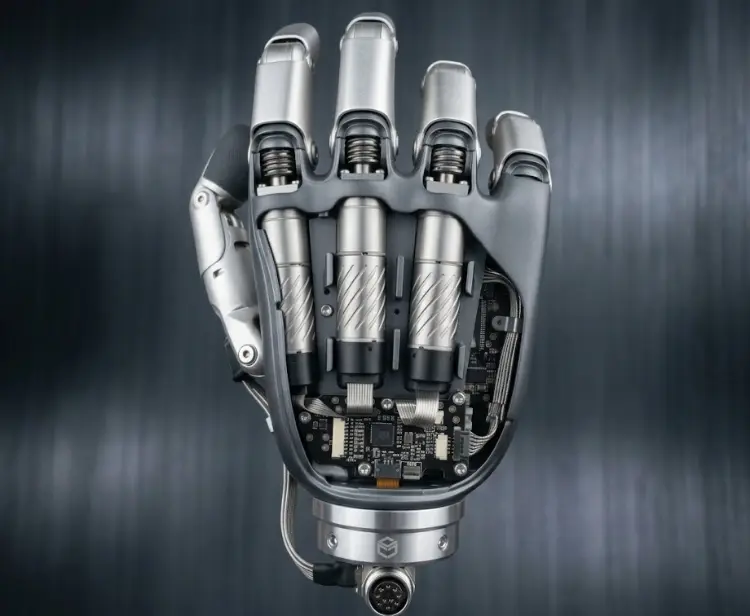
Precision robotic hand with internal actuators and machined components

Joint Housings

Motor, bearing, gearbox and encoder interfaces.

Arms & Structural Links

Lightweight multi-face components and frames.

エンドエフェクタおよびグリッパー

Fingers, jaws, tool plates and handling fixtures.

Shafts & Couplings

Concentric transmission and actuator connections.

Gearbox Interfaces

Bearing seats, flanges, covers and mounting plates.

Sensor Mounts

Encoder, camera, force-sensor and cable interfaces.

AMR & AGV Hardware

Wheel hubs, brackets, suspension and chassis parts.

Spacers & Fixtures

Assembly locators, covers, guides and test tooling.

Machined Robotics Projects

Custom CNC-Machined Robotics Components

Representative precision components for robotic motion, structures, tooling and assembly systems.

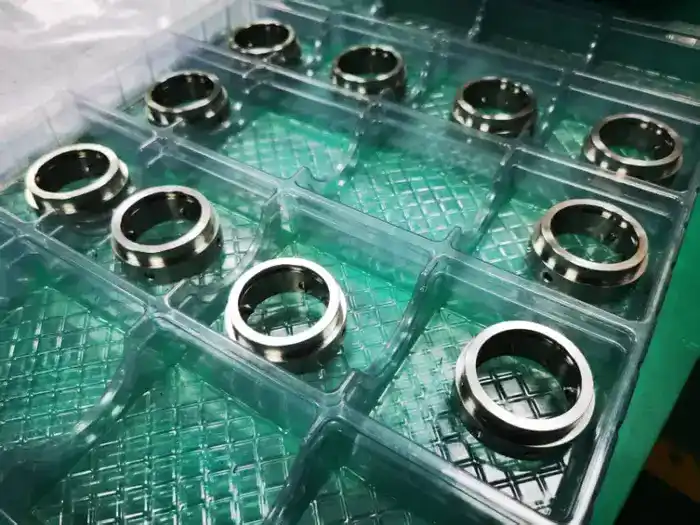
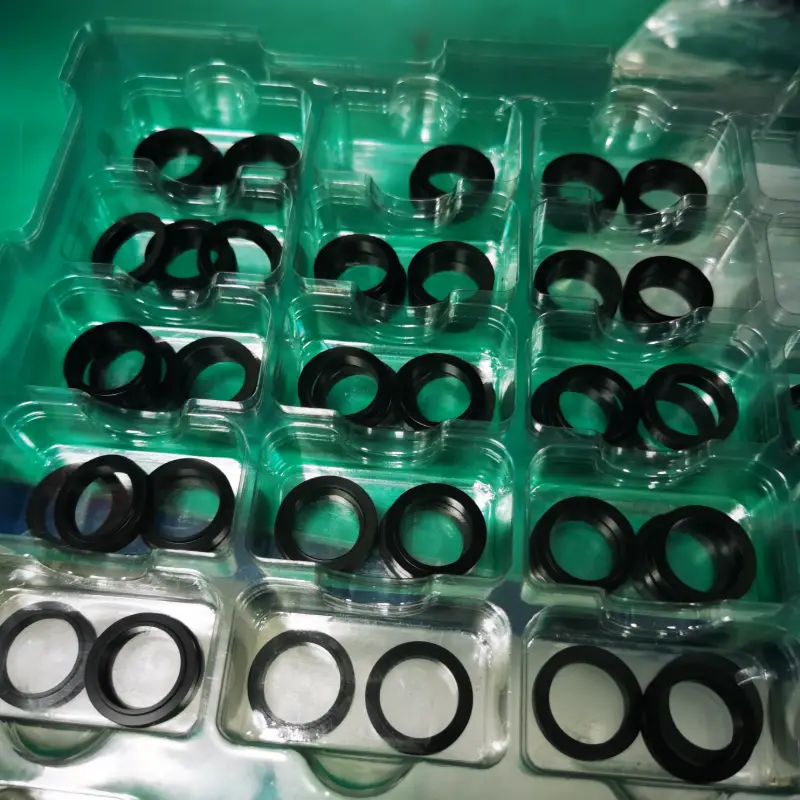
Precision machined robotic ring components
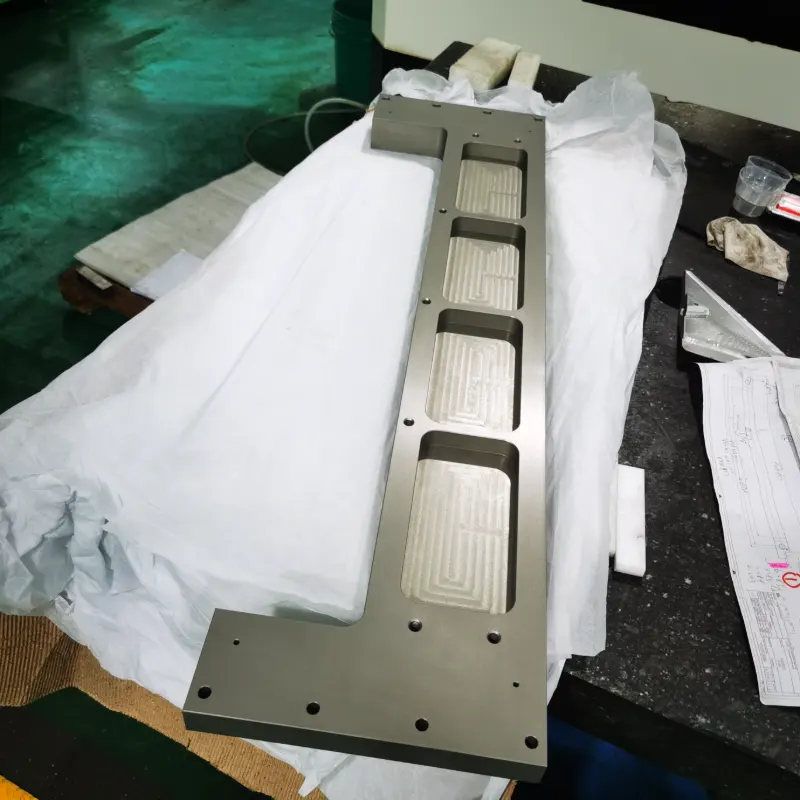
Lightweight aluminum robotic component
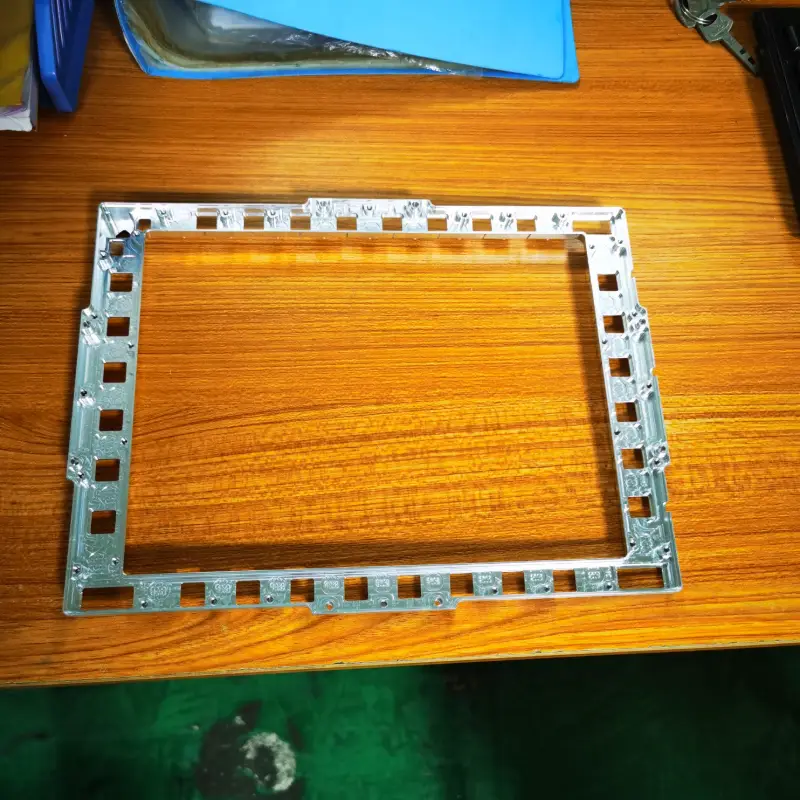
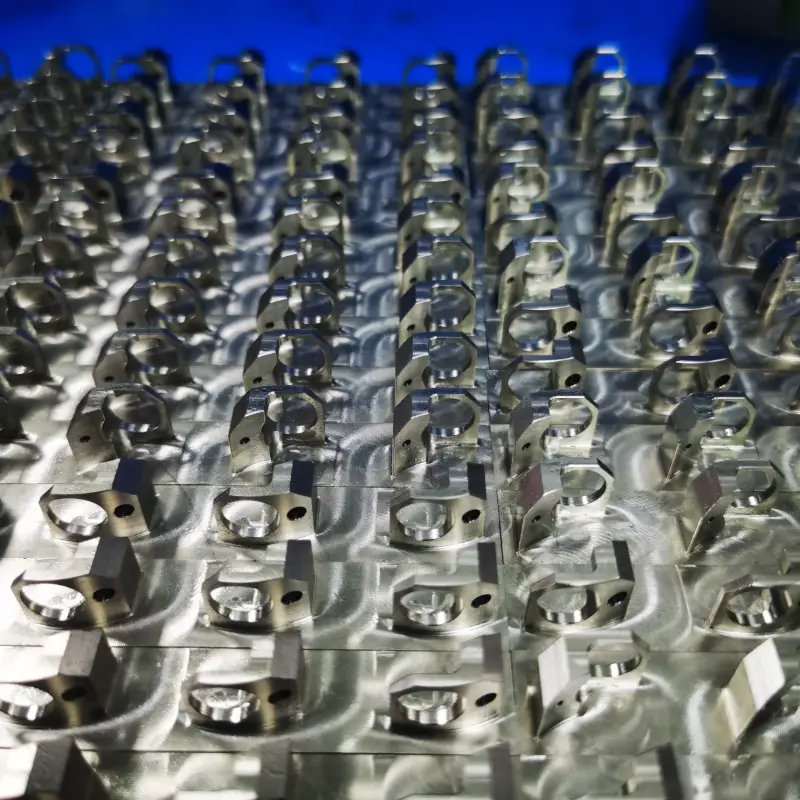
CNC machined aluminum robot bracket
CNC turned POM motion components
Precision stainless steel robotic components
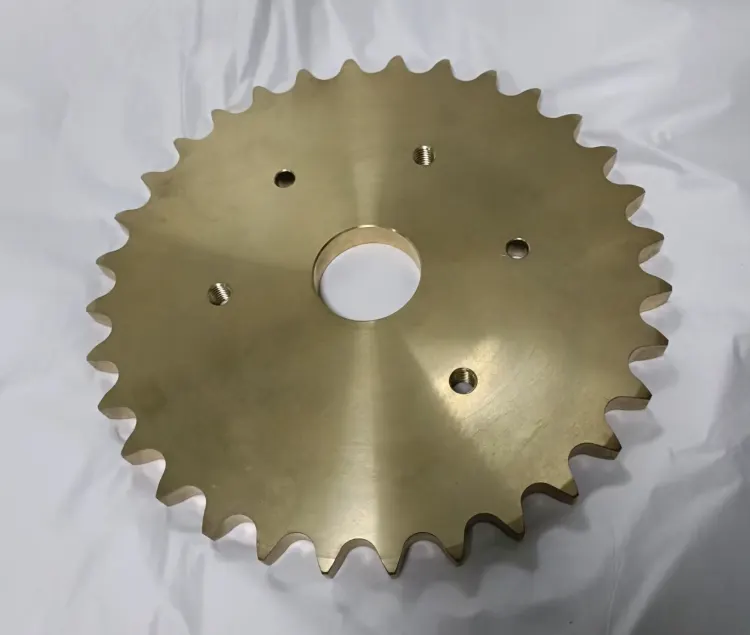
Custom brass robot transmission gear
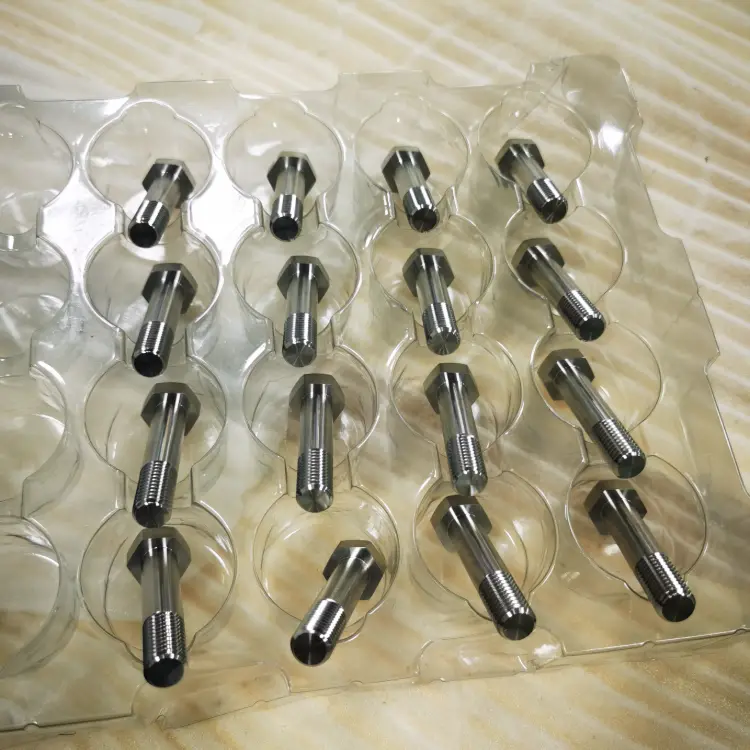
Custom stainless steel robotic fastener

開発支援

From CAD Review to Repeat Production

A controlled release path helps robotics teams test fit and motion, approve revisions and move into repeat builds without losing drawing control.

DFMレビュー

Check geometry, datums, materials, tolerances and tool access.

Functional Prototype

Produce parts for fit, motion, load and assembly testing.

Pilot Build

Validate repeatability, inspection records and assembly feedback.

再生産

Release approved revisions with defined quality and delivery controls.

Motion-Critical Engineering

Control the Interfaces That Define Robot Performance

Functional datums, fits and inspection methods are planned around the assembled mechanism rather than applying the same tolerance to every feature.

Industrial robotic arm motion-control manufacturing diagram

Bearing & Shaft Fits

Control diameter, roundness, concentricity and mating-fit requirements.

Motor & Gearbox Datums

Relate pilots, bolt patterns and mounting faces to functional datums.

Thin-Wall Structures

Plan stock, clamping and cutting sequence to limit distortion.

Wear & Sliding Surfaces

Match material, roughness and finish to load, motion and lubrication.

Sensor Interfaces

Protect locating features, cable paths and calibration relationships.

Inspection Strategy

Define critical dimensions, measurement condition and required records.

Materials & Surface Finishes

Match Material and Finish to Robot Function

Selections are confirmed against load, weight, wear, electrical behavior, environment and the approved drawing.

Materials for Robotic Components

Metal and engineering-plastic options for structural, transmission, electrical and wear parts.

Surface Finishes for Robotic Components

Finishes support wear, corrosion protection, appearance, conductivity and assembly performance.

  • Anodizing and hard anodizing for aluminum structures, housings and wear surfaces.
  • Passivation and electropolishing for corrosion-resistant stainless-steel parts.
  • Nickel or zinc plating, black oxide and phosphate for selected steel components.
  • Bead blasting, brushing and polishing for controlled texture and appearance.
  • Powder coating for covers, frames, panels and protected structural hardware.
  • Laser marking for part identification, orientation and assembly traceability.

Coating thickness, masking, cosmetic surfaces and post-finish dimensions should be defined before quotation.

Robotics Project Assurance

Quality Controls for Reliable Robot-Part Sourcing

Drawing review, revision control and documented inspection reduce assembly risk from prototype approval through repeat orders.

Robotics procurement engineers can define material traceability, first-article requirements, inspection records, packaging and delivery expectations before releasing the order.

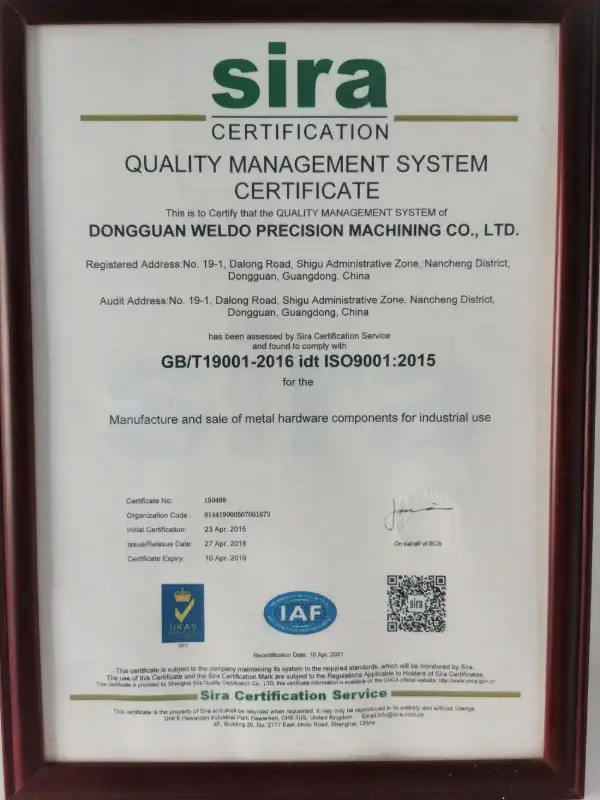
ISO 9001 2015 quality certification

ISO 9001 品質マネジメントシステム

文書化された手順により、図面に基づいた一貫した製造および検査が支えられます。.

  • ISO 9001:2015認証取得
  • 図面・修正管理
  • Calibrated inspection procedures
Project quality documentation and inspection records

プロジェクト品質文書

Required records are agreed before production and prepared to the requested format.

  • 寸法検査報告書
  • 指定された場合の材料証明書
  • ご要望に応じて、初回品および完成品の記録をご提供いたします
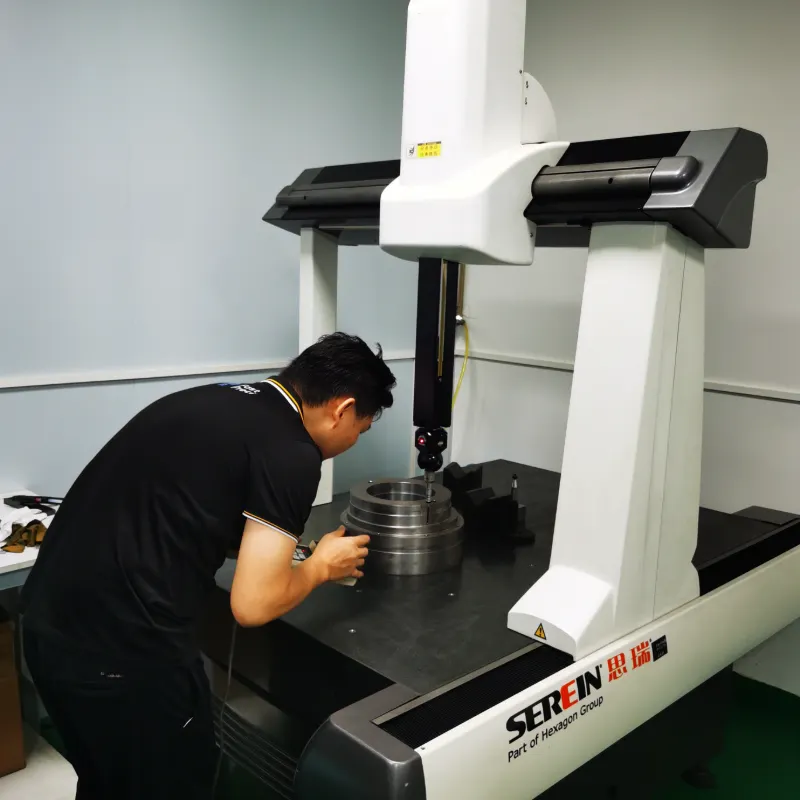
CMM inspection of precision robotic components

Manufacturing & Delivery Control

Critical features are checked against the approved drawing before protected packing.

  • CMM and calibrated measurement
  • Final review and nonconformance control
  • Protective packaging and delivery status

Robotics Machining FAQ

Plan Your Robotics Component Project

What information is needed for a robotics-part quotation?

Send the 3D model, dimensioned drawing, material, quantity, tolerances, finish and required inspection records. Identify bearing fits, motion datums and cosmetic surfaces.

How are motor, bearing and gearbox interfaces controlled?

Functional datums are agreed from the assembly. Pilots, bores, bolt patterns and mounting faces are then machined and inspected to their specified relationships.

Can design revisions be supported between prototype and production?

Yes. Each approved revision is controlled separately, and changed features, tooling, inspection requirements and inventory impact are reviewed before release.

Which materials are suitable for lightweight robotic structures?

Aluminum is the usual starting point. Magnesium or titanium may suit specialized weight, stiffness, temperature or corrosion requirements after engineering and cost review.

How are late delivery or out-of-tolerance parts handled?

Delivery risks are communicated with a recovery plan. Nonconforming parts are contained, investigated and corrected through rework, replacement or another customer-approved disposition.