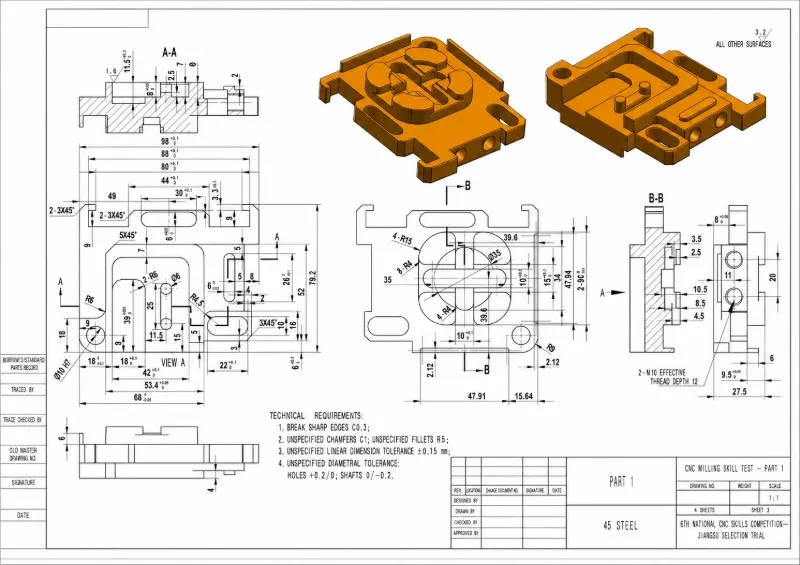
3軸、4軸、5軸の精密加工
精密部品向けのカスタムCNCフライス加工サービス
金属、プラスチック、複合材料、および 機械加工可能なセラミック製のカスタム部品をご依頼の際は、図面または3Dモデルをご提出ください。当社は、試作、小ロット注文、および 図面に基づく検査を伴う量産に対応しています。.
- CNC加工による特注部品
- 0.002インチまでの公差
- 試作および量産
- 検査対象の重要寸法
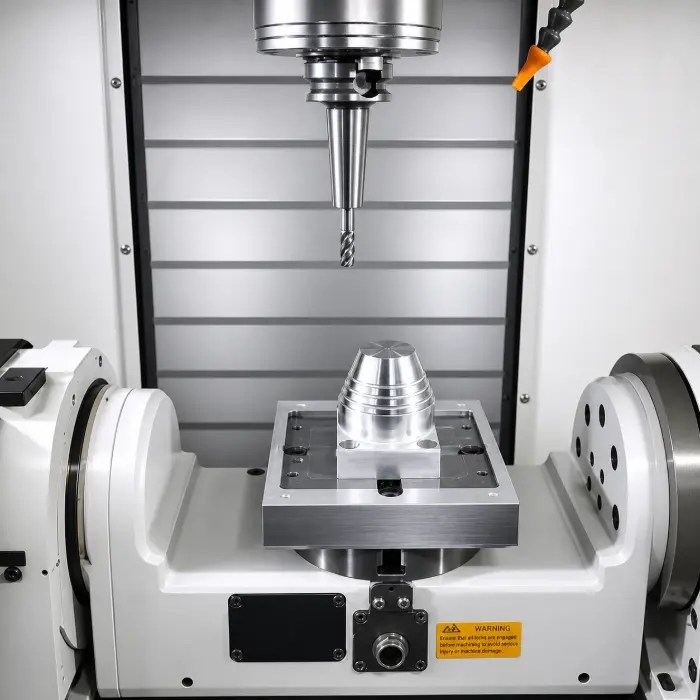
適切なCNCフライス加工プロセスを選ぶ
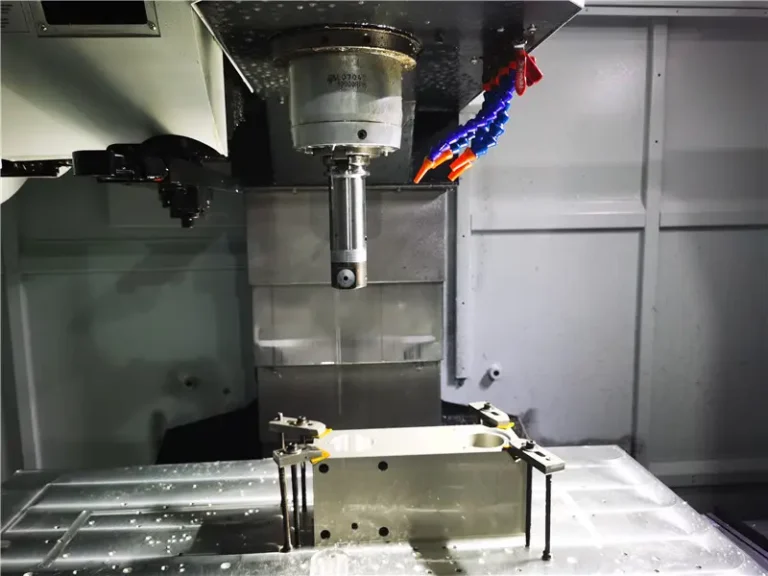
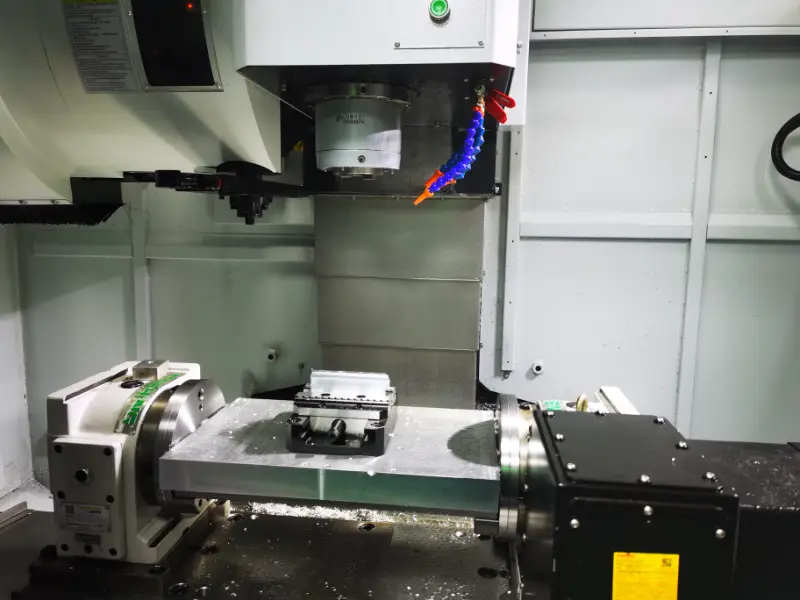
ワークへのアクセス、部品の形状、およびセットアップ要件に応じて、軸構成を選択してください。.
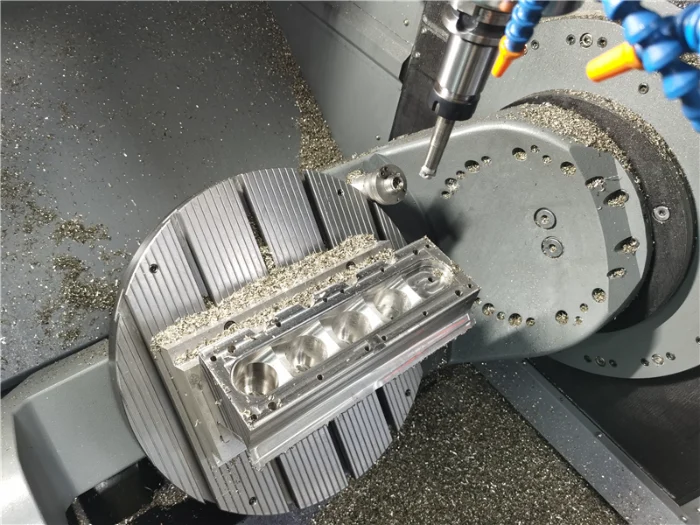
CNCフライス加工用材料
金属またはエンジニアリングプラスチックを選択し、各材料の特性、使用環境、代表的な部品、グレード、および表面処理オプションを比較してください。.
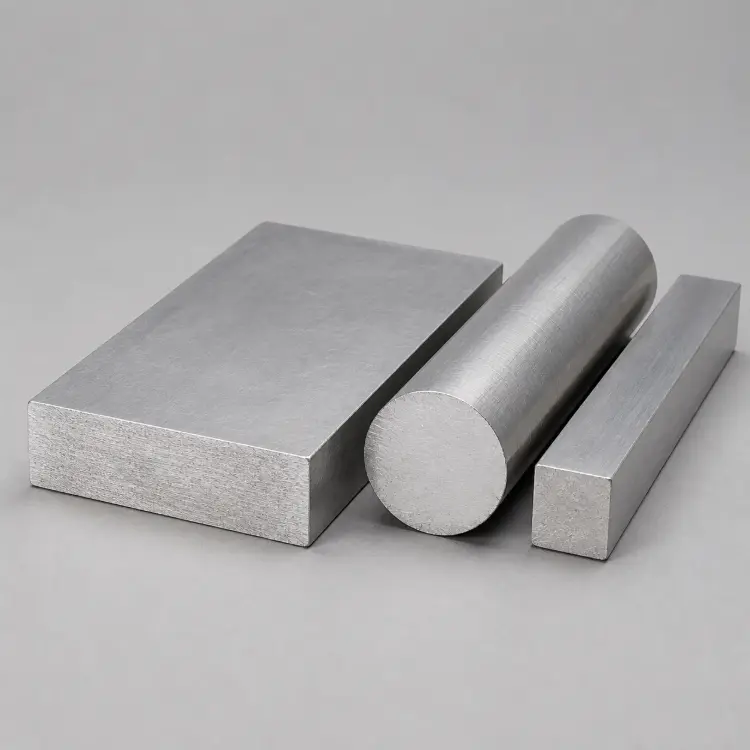
アルミニウム
軽量で耐食性に優れ、複雑な形状の加工性も高く、効率的な生産が可能です。.
- サービス環境
- 軽量構造物、断熱アセンブリ、および屋外用保護設備。.
- 共通部品
- ハウジング、ブラケット、ヒートシンク、パネル、固定具、および構造部品。.
- 共通グレード
- 6061-T6、6082-T6、5083、7075-T6、およびMIC-6。.
- 表面仕上げ
- 陽極酸化処理、化学皮膜処理、ビーズブラスト、研磨、粉体塗装。.
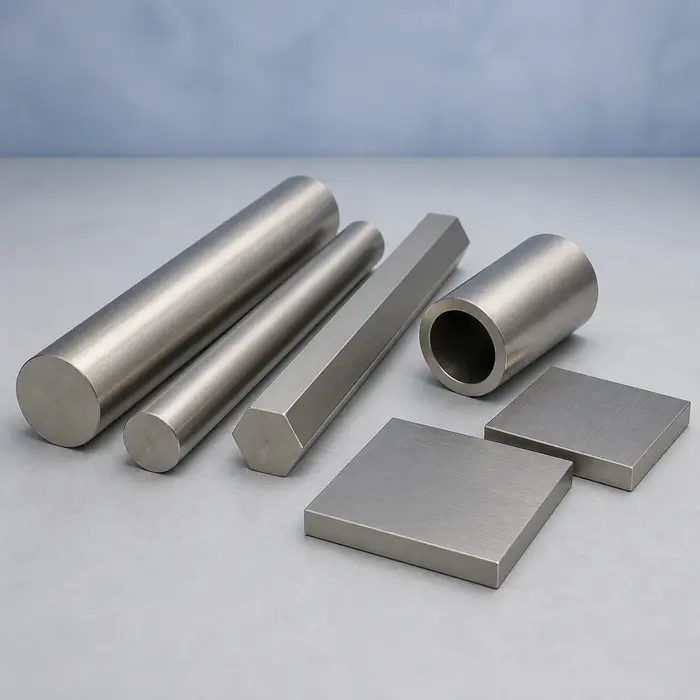
ステンレス鋼
厳しい要件が求められる精密部品向けに、高い強度、耐食性、および洗浄性を備えています。.
- サービス環境
- 食品、医療、流体処理、および腐食の恐れがある産業用途。.
- 共通部品
- バルブ本体、継手、マニホールド、固定具、および計装部品。.
- 共通グレード
- 303、304/304L、316/316L、17-4 PH、および420。.
- 表面仕上げ
- パッシベーション、エレクトロポリッシング、ビーズブラスト、ブラッシング、およびPVD。.
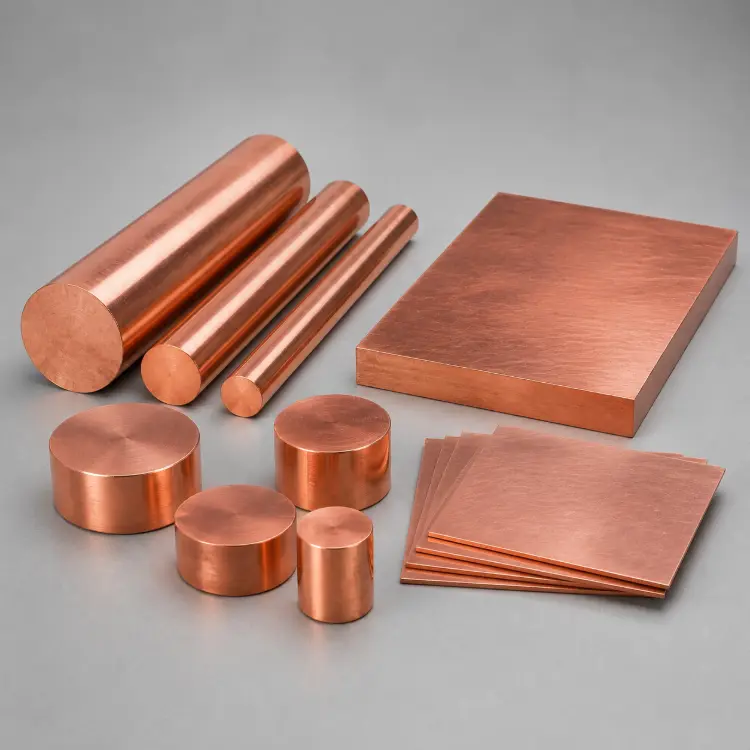
銅
優れた電気伝導性と熱伝導性を備え、グレードに応じて加工性と強度が異なります。.
- サービス環境
- 電気システム、熱管理システム、真空システム、および流体移送システム。.
- 共通部品
- バスバー、接点、ヒートスプレッダー、電極、および冷却プレート。.
- 共通グレード
- C10100、C10200、C11000、C14500、およびC17200。.
- 表面仕上げ
- 研磨、ニッケルメッキまたはスズメッキ、パッシベーション、クリアコーティング。.
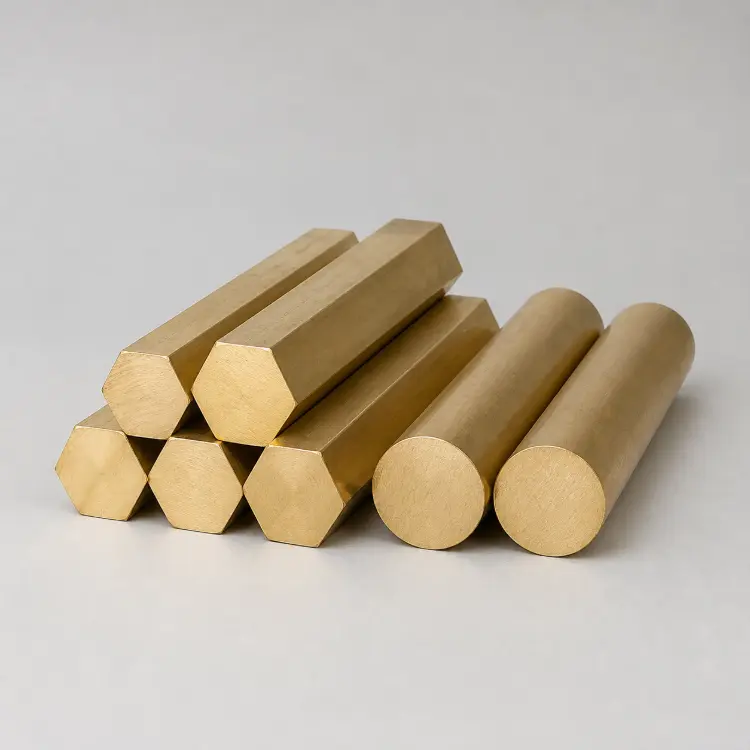
真鍮
精密金具向けに、優れた加工性、耐食性、および再現性を備えています。.
- サービス環境
- 配管、計装、電気、および内装工事。.
- 共通部品
- バルブ、継手、インサート、端子、ギア、ブッシング。.
- 共通グレード
- C26000、C36000、C37700、C46400、およびC69300。.
- 表面仕上げ
- 研磨、ブラッシング、ニッケルメッキまたはクロムメッキ、そしてクリアコーティング。.
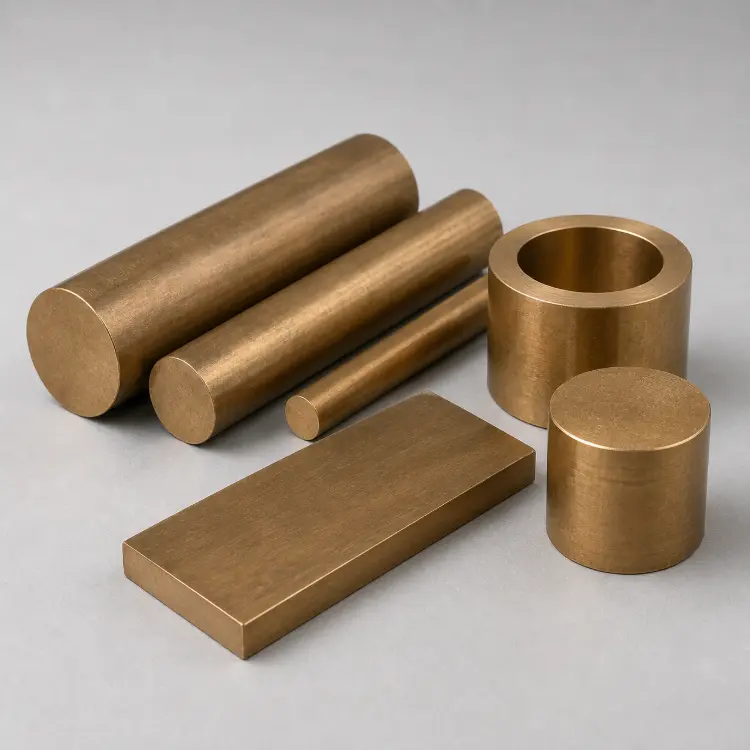
ブロンズ
荷重がかかる部品に対して、耐摩耗性、耐食性、および安定した摺動特性を発揮する。.
- サービス環境
- 船舶用、ポンプ、バルブ、および重負荷用スライド式または回転式システム。.
- 共通部品
- ベアリング、ブッシング、ギア、摩耗防止プレート、およびバルブ部品。.
- 共通グレード
- C51000、C65500、C86300、C93200、C95400、およびC95500。.
- 表面仕上げ
- 研磨、研削、ビーズブラスト、メッキ、およびパティナ加工。.
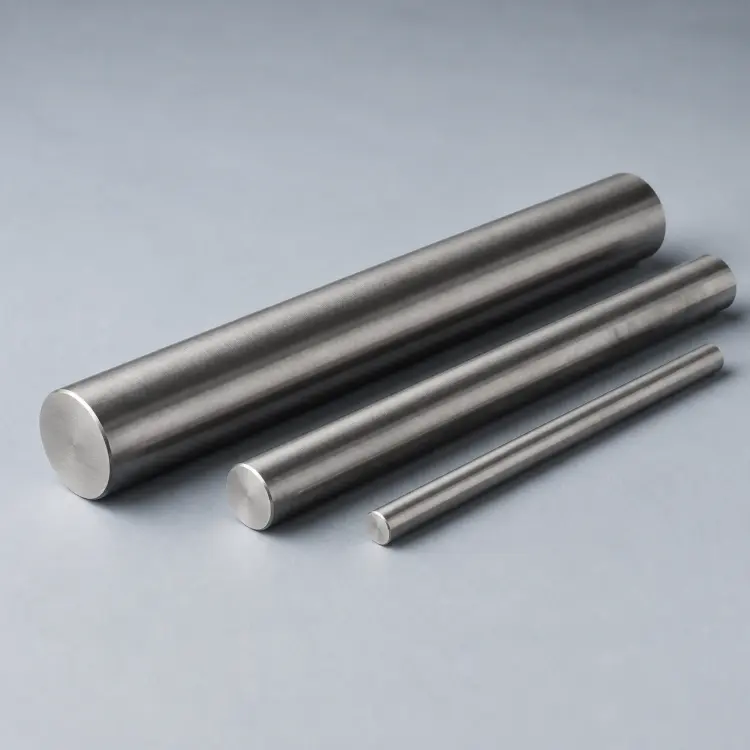
スチール
構造部品向けの、高い剛性、耐荷重性、および熱処理の柔軟性。.
- サービス環境
- 重機、工作機械、および高荷重用保護アセンブリ。.
- 共通部品
- 歯車、シャフト、工具台、治具、および機械部品。.
- 共通グレード
- A36、1018、1045、4140、4340、およびA2。.
- 表面仕上げ
- 黒色酸化処理、メッキ、リン酸塩処理、粉体塗装、および研削。.
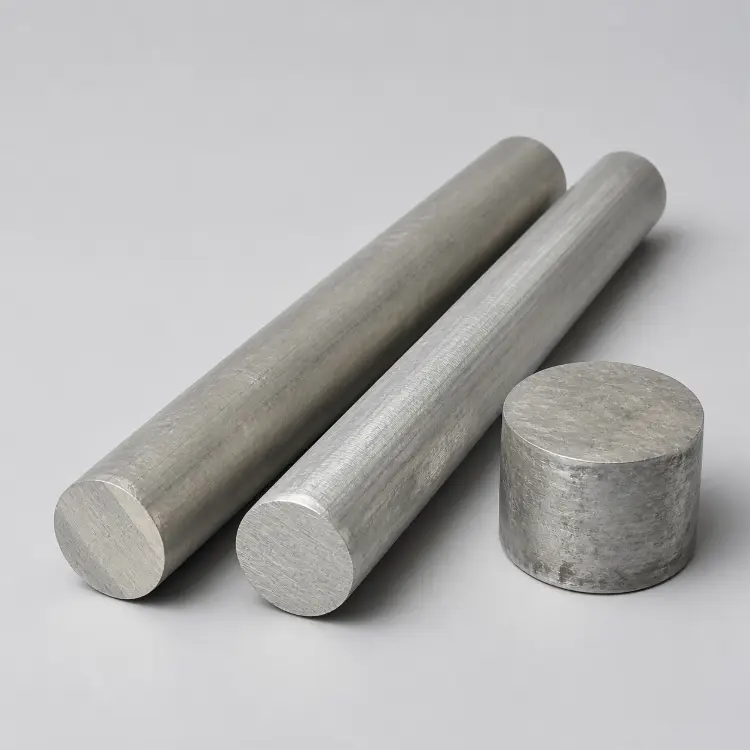
マグネシウム
密度が非常に低く、軽量構造部品の加工性に優れています。.
- サービス環境
- 航空宇宙、モビリティ、エレクトロニクスなど、軽量化が極めて重要な分野。.
- 共通部品
- ハウジング、カバー、ブラケット、フレーム、およびギアボックスケース。.
- 共通グレード
- AZ31B、AZ61B、AZ80A、AZ91D、ZK60A、およびWE43。.
- 表面仕上げ
- コンバージョンコーティング、陽極酸化処理(PEO)、メッキ、および粉体塗装。.
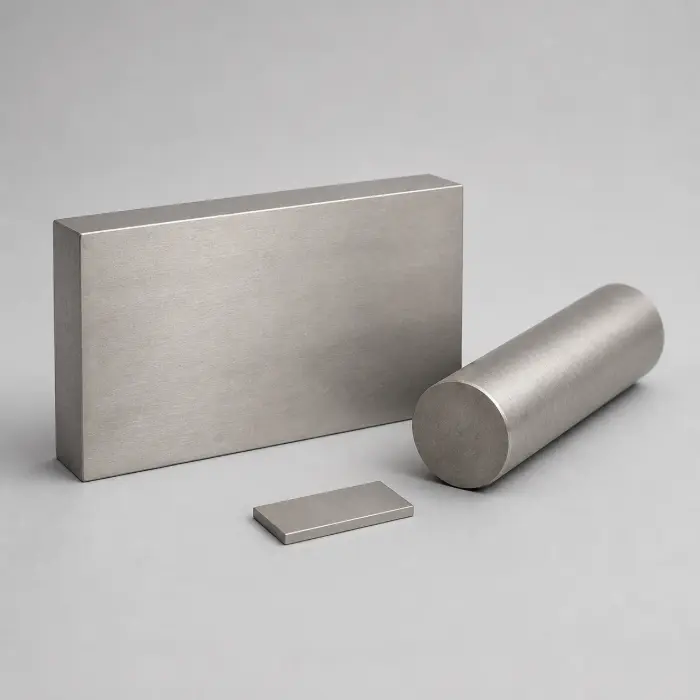
チタン合金
厳しい要件が求められる軽量部品向けに、高い比強度と耐食性を備えています。.
- サービス環境
- 航空宇宙、医療、船舶、および化学分野での用途。.
- 共通部品
- ブラケット、インプラント、ファスナー、バルブ部品、ハウジング。.
- 共通グレード
- 2年生、3年生、4年生、5年生、そして23年生。.
- 表面仕上げ
- 陽極酸化処理、ビーズブラスト、研磨、PVD、窒化処理。.
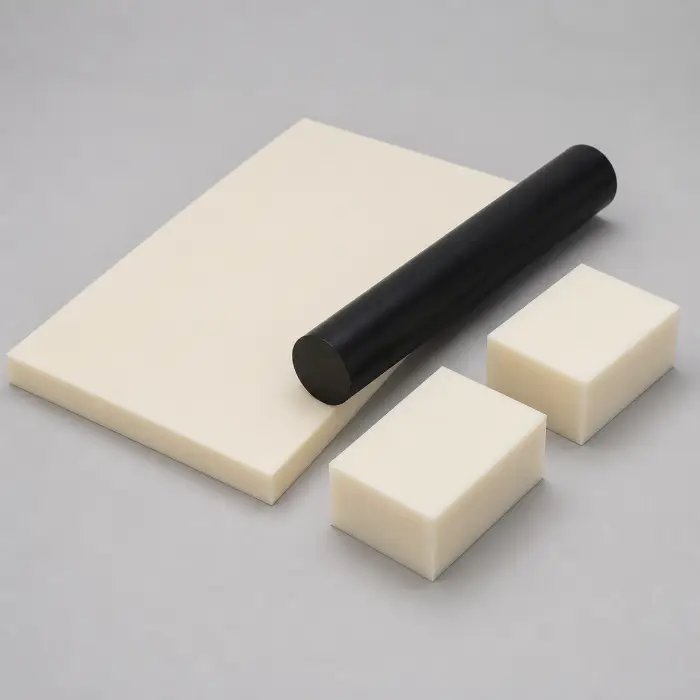
ABS
試作品において、耐衝撃性、剛性、加工性、およびコストのバランスが取れている。.
- サービス環境
- 屋内用機器および、紫外線に長時間さらされない適温環境での使用。.
- 共通部品
- ハウジング、カバー、制御盤、固定具、ブラケット。.
- 一般的な種類
- 汎用、高衝撃性、耐熱性、難燃性、およびMABS。.
- 表面仕上げ
- 研磨、磨き、塗装、および検証済みの蒸気平滑化。.
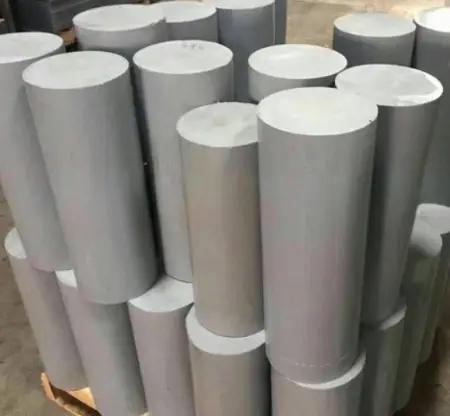
PVC
流体システム用部品における耐薬品性、電気絶縁性、および低コスト。.
- サービス環境
- 化学物質の取り扱い、水処理、および電気絶縁。.
- 共通部品
- フランジ、バルブ部品、マニホールド、スペーサー、パネル。.
- 一般的な種類
- PVC-U、PVC-C、帯電防止および難燃仕様の配合。.
- 表面仕上げ
- 機械加工済み、バリ取り、研磨、彫刻、コーティング。.
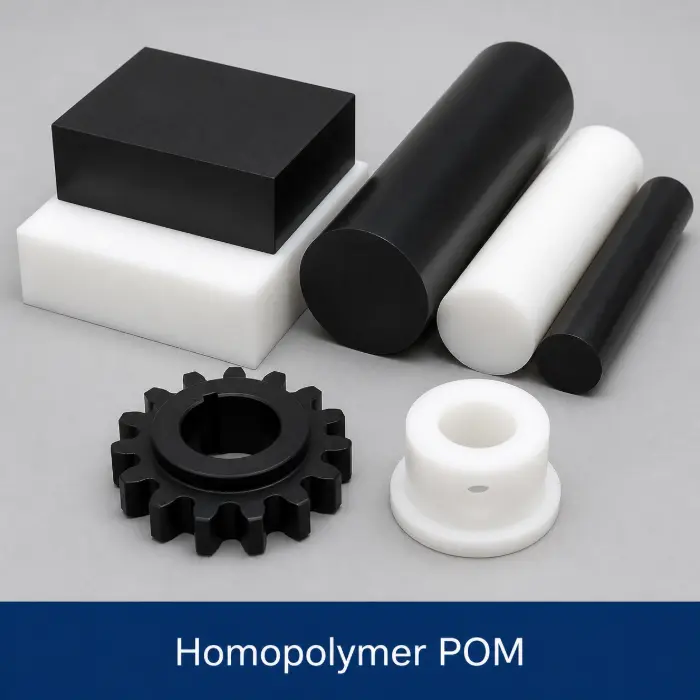
POM/デルリン
精密機構向けの低摩擦性、耐摩耗性、および寸法精度。.
- サービス環境
- 中程度の温度および荷重条件下におけるスライド・回転システム。.
- 共通部品
- 歯車、ブッシュ、ローラー、ガイド、およびバルブ部品。.
- 一般的な種類
- POM-H、POM-C、ガラス充填、PTFE充填、および帯電防止グレード。.
- 表面仕上げ
- 研削、研磨、ビーズブラスト、レーザーマーキング。.
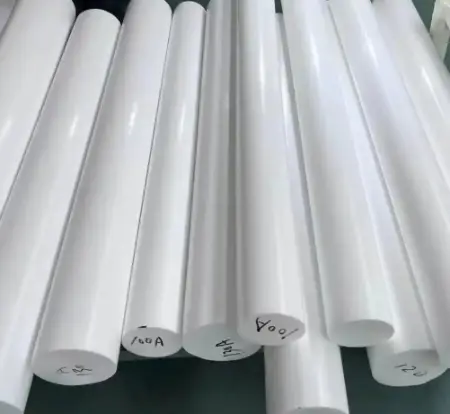
PTFE
優れた耐薬品性、低摩擦性、および電気絶縁性を備えています。.
- サービス環境
- 化学処理、シール、断熱、および低摩擦用途。.
- 共通部品
- シール、ガスケット、バルブシート、絶縁体、ガイドリング。.
- 一般的な種類
- バージン、ガラス充填、カーボン充填、ブロンズ充填、および改質PTFE。.
- 表面仕上げ
- 通常は機械加工後の状態のままですが、接着には表面処理が必要です。.
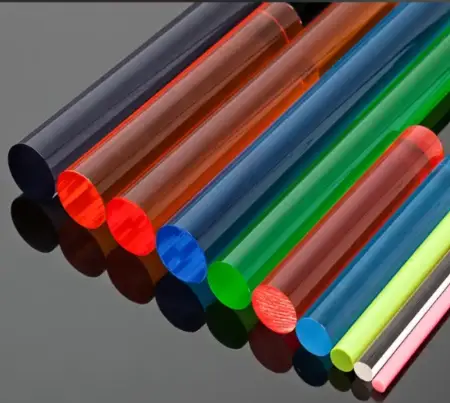
PMMA/アクリル
透明部品に求められる光学的な透明度、耐候性、および研磨性。.
- サービス環境
- 光学、照明、ディスプレイ、および実験室での用途。.
- 共通部品
- 窓、レンズ、導光板、カバー、およびディスプレイブロック。.
- 一般的な種類
- 鋳造、押出成形、光学用、耐衝撃性改良、着色PMMA。.
- 表面仕上げ
- 機械研磨、蒸気研磨、火炎研磨、サンディング、およびコーティング。.
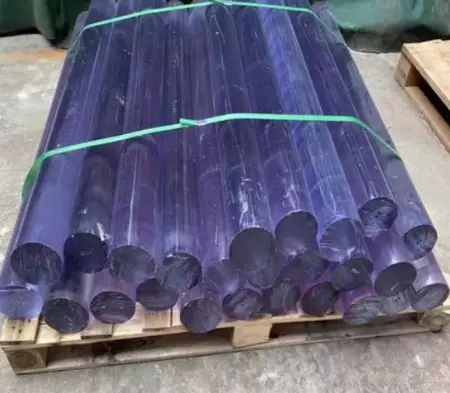
ポリカーボネート / PC
高い耐衝撃性と靭性を備え、オプションで透明性も選択可能なため、耐久性に優れた部品の製造に適しています。.
- サービス環境
- ガード、ハウジング、および衝撃荷重を受ける保護アセンブリ。.
- 共通部品
- 機械用ガード、レンズ、カバー、絶縁体、およびハウジング。.
- 一般的な種類
- 天然、光学用、UV安定化、難燃性、およびガラス繊維強化ポリカーボネート。.
- 表面仕上げ
- 研磨、蒸気研磨、ハードコーティング、塗装、印刷。.
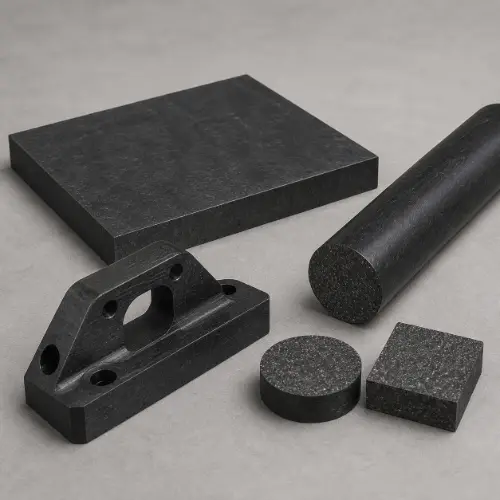
PA / ナイロン
堅牢で、疲労や摩耗に強く、湿度の影響を受けて寸法が変化する。.
- サービス環境
- 産業用可動部、衝撃および摩耗(湿気の影響を考慮)。.
- 共通部品
- 歯車、ローラー、プーリー、ガイド、ブッシング、および支持部。.
- 一般的な種類
- PA6、PA66、PA12、鋳造PA6、潤滑剤添加および強化PA。.
- 表面仕上げ
- 研削、研磨、ビーズブラスト、染色、マーキング。.
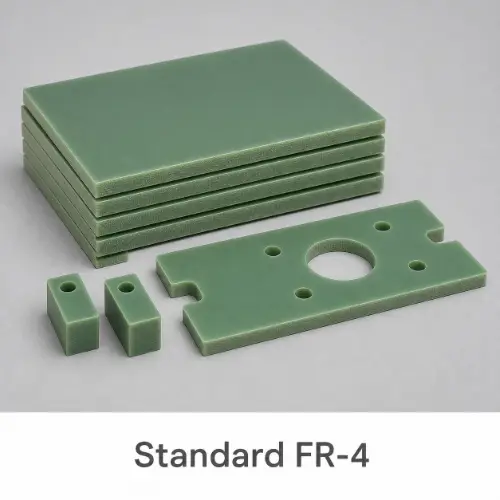
FR4
剛性があり、電気絶縁性および難燃性を備えたガラス・エポキシ積層板。.
- サービス環境
- 当該等級の耐熱定格範囲内の電気および試験システム。.
- 共通部品
- 絶縁板、固定具、支持金具、スペーサー、および端子台。.
- 一般的な種類
- 標準、中Tg、高Tg、ハロゲンフリー、高CTI、低損失。.
- 表面仕上げ
- エッジのサンディング、研削、エッジシール、および印刷によるマーキング。.
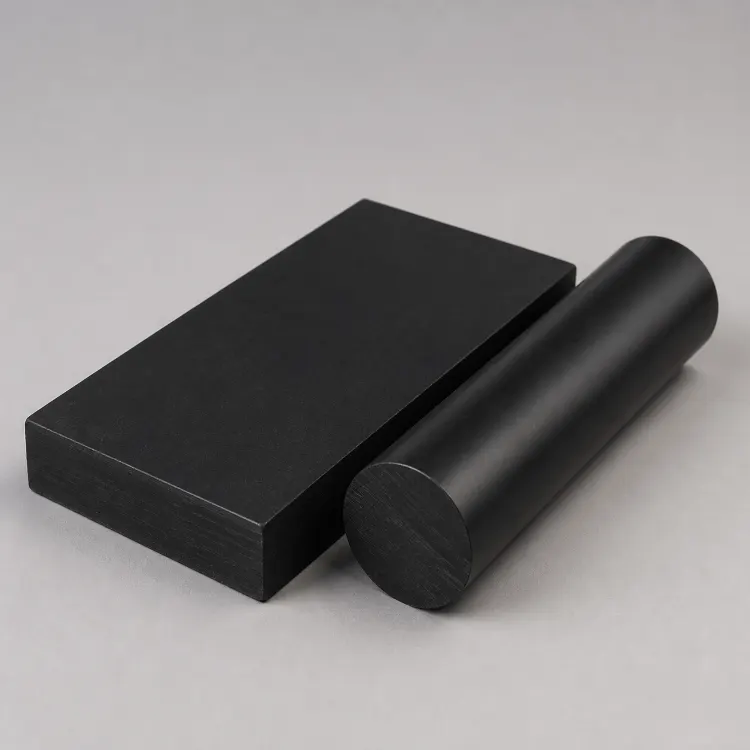
ポリエチレン/PE
低密度、耐薬品性、そして摩耗や流体接触部に適した靭性を備えています。.
- サービス環境
- 湿潤環境、化学薬品、食品取り扱い、および低温環境での用途。.
- 共通部品
- ガイド、摩耗防止ストリップ、タンク、スペーサー、およびバルブ部品。.
- 一般的な種類
- LDPE、MDPE、HDPE、UHMW-PE、および充填グレード。.
- 表面仕上げ
- バリ取り、研磨、溶接、および活性化印刷または接着。.
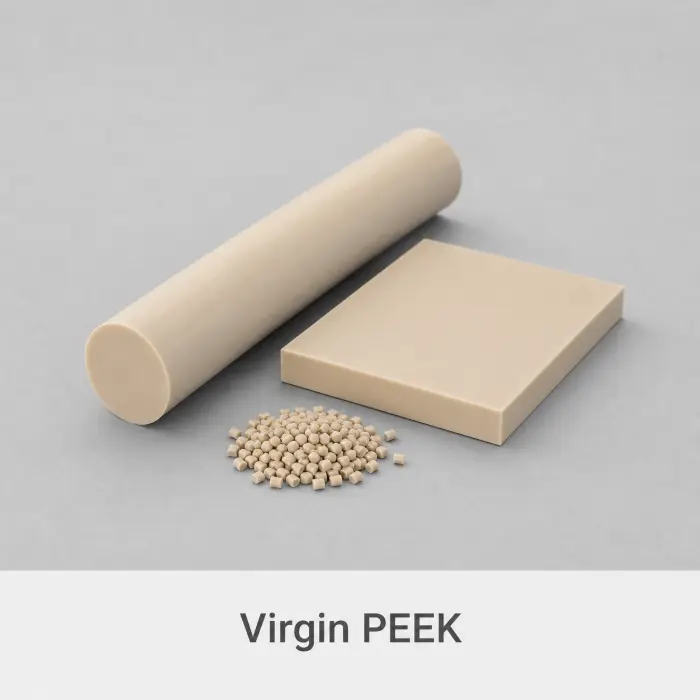
覗き見
機械的強度、耐薬品性、および高温下での安定性。.
- サービス環境
- 高温、化学、真空、医療、半導体分野向けのサービス。.
- 共通部品
- バルブシート、絶縁体、シール、固定具、および摩耗部品。.
- 一般的な種類
- バージン、GF30、CF30、ベアリンググレード、ESDグレード、医療用グレード。.
- 表面仕上げ
- 研磨、ビーズブラスト、レーザーマーキング、プラズマ処理。.
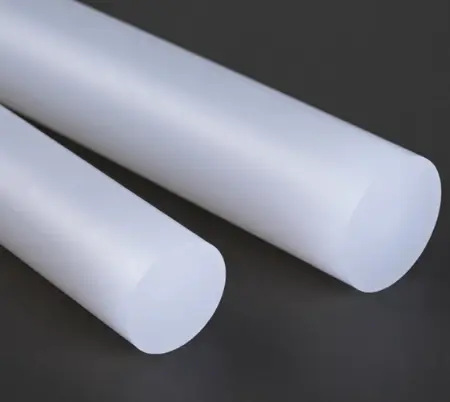
ポリプロピレン / PP
低密度、耐薬品性、および疲労性能を兼ね備え、コストパフォーマンスに優れた部品を実現します。.
- サービス環境
- 化学機器、実験室用機器、食品接触用機器、および湿式処理用機器。.
- 共通部品
- タンク、カバー、マニホールド、ガイド、ハウジング、スペーサー。.
- 一般的な種類
- PP-H、PP-B、PP-R、耐衝撃性PP、および充填PP。.
- 表面仕上げ
- バリ取り、研磨、溶接、および活性化印刷または接着。.
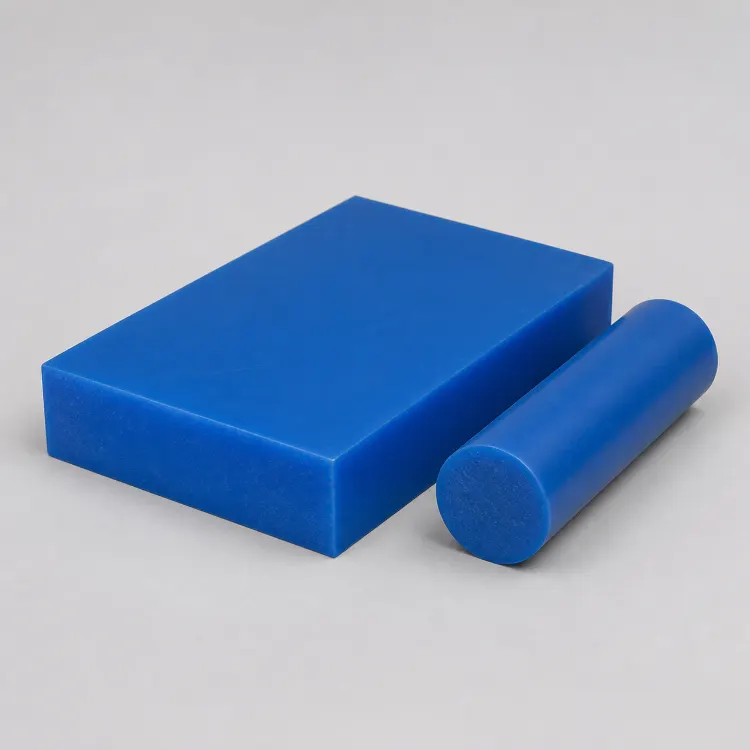
高密度ポリエチレン
耐衝撃性に優れ、吸湿性が低く、耐薬品性も良好です。.
- サービス環境
- 食品、水処理、化学、および屋外での使用に適したシステム。.
- 共通部品
- 摩耗部品、まな板、バルブ本体、およびコンベヤ部品。.
- 一般的な種類
- 天然由来で、耐紫外線性、耐衝撃性、帯電防止性を備え、充填剤を配合したHDPE。.
- 表面仕上げ
- バリ取り、研磨、溶接、および活性マーキング。.
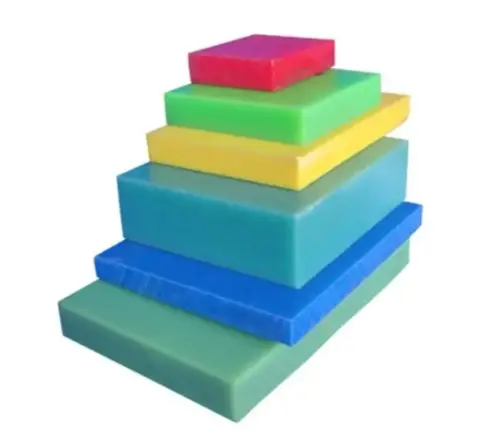
ヒップス
加工性が良く、吸湿性の低い、耐衝撃性改良ポリスチレン。.
- サービス環境
- 屋内用家電、ディスプレイ、包装、および中程度の負荷がかかる用途。.
- 共通部品
- ハウジング、パネル、カバー、トレイ、テンプレート、試作品。.
- 一般的な種類
- 汎用、高衝撃性、難燃性、および強化型のHIPS。.
- 表面仕上げ
- 研磨、磨き、塗装、印刷、コーティング。.
最終的な材質、焼入れ状態、充填材、認証、および表面仕上げについては、図面、使用条件、およびサプライヤーのデータシートに基づいて確認されます。.
CADから出荷まで
CNCフライス加工プロセスと品質管理
図面の要件は、生産前に確認され、出荷前には 適切な検査機器を用いて検証されます。.
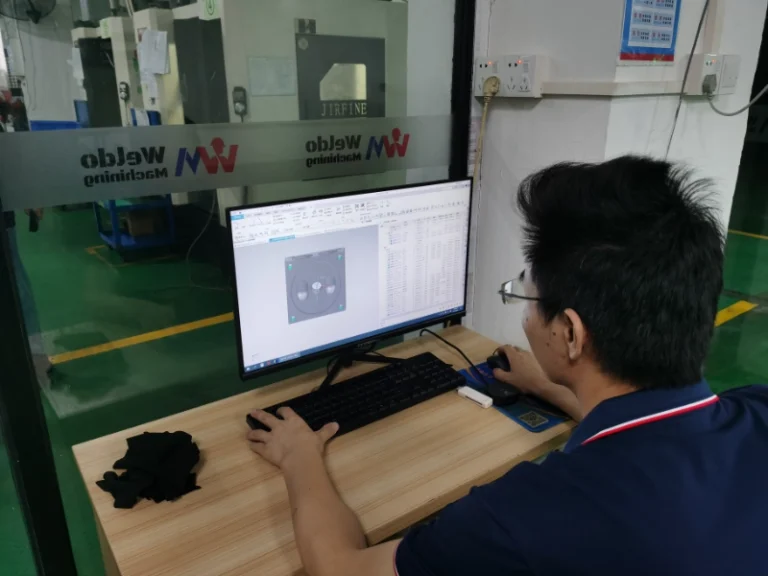
DFMおよびプログラミング
ツールパスを作成する前に、形状、基準面、公差、および工具のアクセス性を確認してください。.
ワークのセットアップ
在庫、治具、工具、および加工座標を準備する。.
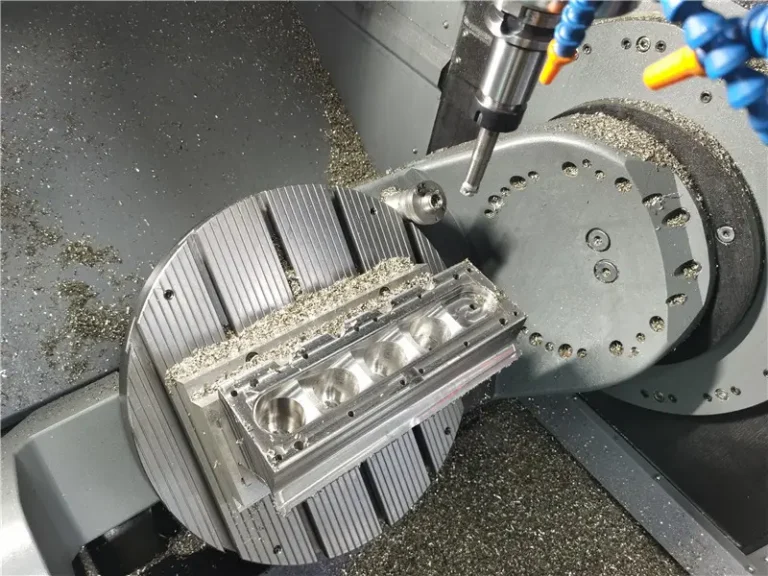
CNCフライス加工
承認済みのプログラムを、工具、冷却、および工程内検査を適切に管理しながら実行する。.
検査
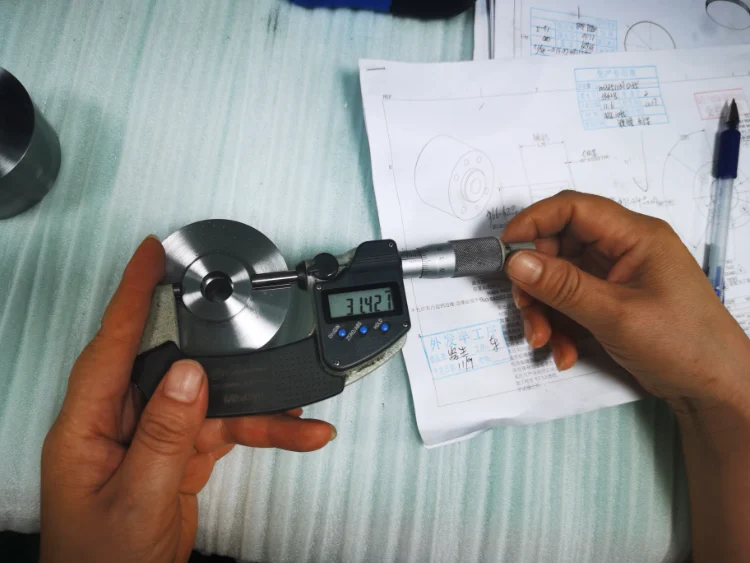
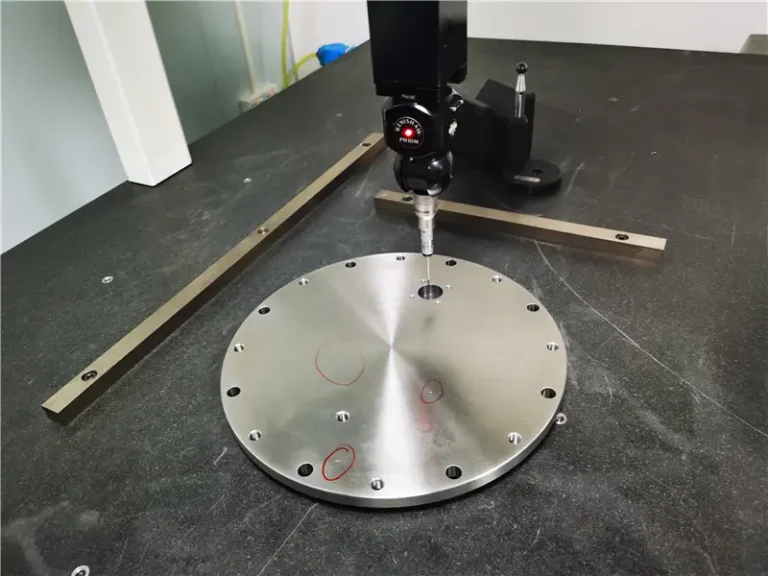
ゲージ、光学機器、またはCMMを用いて、重要寸法を確認する。.
仕上げと納品
承認された後処理、保護、ラベル貼付、および梱包をすべて完了する。.
CNCフライス加工の図面をアップロードしてください
図面、材料、数量、公差、および表面仕上げの要件をお送りください。 当社のエンジニアが製造可能性を検討し、明確な生産見積書をご提示いたします。.
見積もりのために図面をアップロードする →