Due to its excellent corrosion resistance and adaptability, bronze is frequently used in customized applications for modern deep-sea marine engineering and wear-resistant bearings. Machining bronze can address metal friction resistance and self-lubricating performance requirements, making it widely used in bushings, gears, housings, and other components. Below, I will describe the main types of bronze, machinability, major grades, machining challenges, and derivative bronze materials to help you gain a comprehensive understanding of the fundamentals and applications of bronze machining.
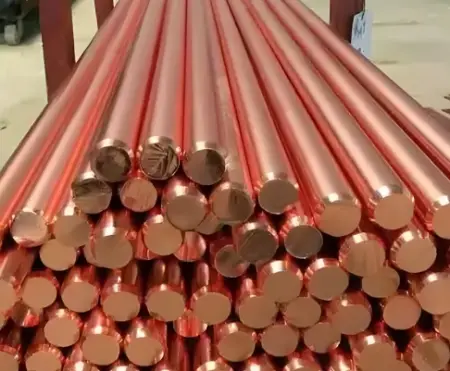
The 10 Main Types of Bronze, Grades, and Compositions
Due to differences in their internal microstructure and alloy composition, bronze materials exhibit different chemical properties and performance characteristics. Below, I will categorize and describe the common types of bronze that engineers have encountered over more than a decade of practical experience.
Tin Bronze
Tin is the primary alloying element, with tin content generally ranging from 3%–14%, lead content from 2%–5%, and the remainder mainly copper. It has good casting performance, wear resistance, and corrosion resistance. Common grades include C51000, C51100, C51900, and C52100.
Aluminum Bronze
Aluminum is the primary alloying element, with aluminum content ranging from 5%–12%. Iron content is 1%–5%, while nickel and manganese content ranges from 0%–5%. It offers high strength, excellent wear resistance, and outstanding seawater corrosion resistance. Common grades include C6140, C6240, C6190, C9540, and C9550. It is suitable for marine components, chemical equipment, gears, and more.
Beryllium Bronze
Beryllium is the main added element in the bronze base material, with content ranging from 0.2%–2.5%. It has extremely high elastic limit, fatigue limit, and wear resistance, along with good electrical and thermal conductivity and non-magnetic properties. Common grades include C17200, C17510, C17300, and C17460. It is commonly used in precision instruments, springs, watch gears, explosion-proof tools, and more.
Silicon Bronze
Silicon is the primary alloying element, with silicon content generally ranging from 2.7%–4%. Manganese and zinc content are less than 1.5%, and nickel is less than 0.6%. It has good corrosion resistance, high-temperature strength, and machinability. Common grades include C65500, C64700, and C65100. It is used in manufacturing chemical equipment, pipelines, valves, and more.
Manganese Bronze
Manganese and zinc are the main alloying elements, with manganese content ranging from 1%–5%, zinc 30%–42%, and the remainder copper at 57%–66%. Manganese bronze has high strength and toughness with good corrosion resistance. Common grades include C6730, C6731, and C8630. It is mainly used for manufacturing marine components and mechanical parts.
Chromium Bronze
Chromium is the primary strengthening alloying element, with chromium content ranging from 0.5%–1.2%. Copper content is over 99%, while total impurity elements such as Fe, Si, and Pb do not exceed 0.2%. Common grades for metal buyers include C1800, C1810, and C1820. It has good electrical conductivity, thermal conductivity, and corrosion resistance. It is used in motor components, resistance welding electrodes, high-temperature switch components, and more.
Cadmium Bronze
Cadmium is the primary alloying element, with cadmium content ranging from 0.8%–1.3%, and copper accounting for more than 98.5%. It has good corrosion resistance and wear resistance. Common grades include C16200 and C14300. It is commonly used in marine engineering equipment, chemical equipment, and more. When machining cadmium bronze, protection against cadmium vapor or dust is required because cadmium is a toxic heavy metal.
Zirconium Bronze
Zirconium is the primary alloying element, with zirconium content ranging from 0.1%–0.4%. Common grades include C18150 and C18155. Zirconium improves strength and provides good high-temperature strength and corrosion resistance. It is used in high-temperature bearings, resistance welding electrodes, nuclear industry equipment, and more.
Titanium Bronze
Titanium bronze is a copper alloy with copper as the base and titanium as the primary alloying element. Titanium content ranges from 2.9%–6.0%. Common market grades include C1990, C1990HP, and C1990HC. It has high strength, high elasticity, corrosion resistance, high-temperature resistance, and non-magnetic properties. It is used in electronics, communication equipment, aerospace, marine engineering, and more.
Magnesium Bronze
Magnesium is the primary added element, with magnesium content ranging from 0.4%–0.8%. The remainder is copper, with possible trace impurities such as Fe, Si, and Pb. Common grades include C1865 and C1866. Magnesium bronze has good corrosion resistance, high-temperature stability, and oxidation resistance. It is commonly used in cables, aircraft antennas, copper bushings, hydraulic components, and more.
The above classification is based on alloy composition. Different types of bronze vary in performance and application fields, and the selection can be made according to specific requirements.
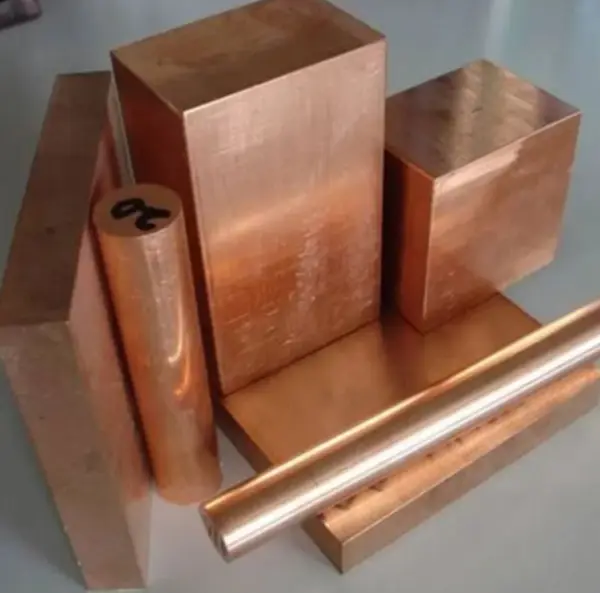
Characteristics of Bronze
When machining bronze, it is necessary to understand its physical and chemical properties. This helps maintain stable production parameters during machining and enables proper material selection according to performance requirements for different applications.
Physical Properties
Density generally ranges from 4.41–8.92 g/cm³. The content of alloying elements such as tin and aluminum affects the density of different types of bronze. For example, tin bronze has a density of approximately 8.8 g/cm³, while aluminum bronze has a density of approximately 7.5–8.0 g/cm³.
The melting point of bronze ranges from 800–1083°C. Pure copper has a melting point of 1083°C. After adding elements such as tin or aluminum, the melting point decreases. For example, bronze containing 25% tin has a melting point of approximately 800°C.
The hardness of bronze generally ranges from 100–200 HV, depending on composition and heat treatment condition. For example, tin-phosphor bronze has a hardness of approximately 130 HV, while aluminum bronze can reach 150–200 HV.
Tensile strength generally ranges from 300–600 MPa. For example, printed tin bronze has a tensile strength of approximately 500 ± 50 MPa, and heat-treated conditions may be higher.
Electrical conductivity of bronze is approximately 30%–70% of pure copper, depending on alloy composition. For example, tin bronze has electrical conductivity of approximately 30%–50% IACS (International Annealed Copper Standard), while aluminum bronze has electrical conductivity of approximately 50%–70% IACS.
Elongation after fracture generally ranges from 10%–30%, indicating that bronze has a certain degree of plastic deformation capability, although lower than pure copper.
The difficulty of machining bronze
In order to meet the application requirements of different bronze parts, we usually process bronze materials as follows:
1. Mechanical Cutting Processing
Common machining methods include milling, turning, drilling, tapping, grinding, and electrically conductive bronze materials also support EDM wire cutting processes. The machining accuracy can reach up to 0.0001 inch.
Saw cutting with high-speed steel saw blades / bimetal saw blades: usually used before mechanical machining to prepare bar and plate cutting according to workpiece dimensions.
Characteristics:
Bronze tends to stick to the tool and has high toughness, so YG carbide tools with large rake angles and sharp cutting edges should be used.
2. Plastic Forming Processing
Due to the excellent plasticity and machinability of bronze, structural profiles can be successfully processed into small gaskets, spring plates, ring parts, copper wires, copper rods, and capillary tubes through a series of pressure processing methods such as extrusion, stamping, bending, and drawing.
3. Casting Processing
Including die casting, centrifugal casting, sand casting, and higher-difficulty investment casting.
Ordinary die casting is used for producing small hardware accessories. Centrifugal casting can manufacture bronze bushings, bearing shells, and sleeves. Sand casting is used for manufacturing turbine valve bodies, while investment casting offers very high precision and can manufacture parts with complex design shapes such as custom valves.
4. Heat and Treatment
Annealing Treatment:
Recrystallization Annealing: Eliminates work hardening generated during cold processing of bronze (such as cold rolling and cold drawing), restores plasticity and toughness, and refines grains again for easier subsequent processing. Suitable for tin bronze, aluminum bronze, etc.
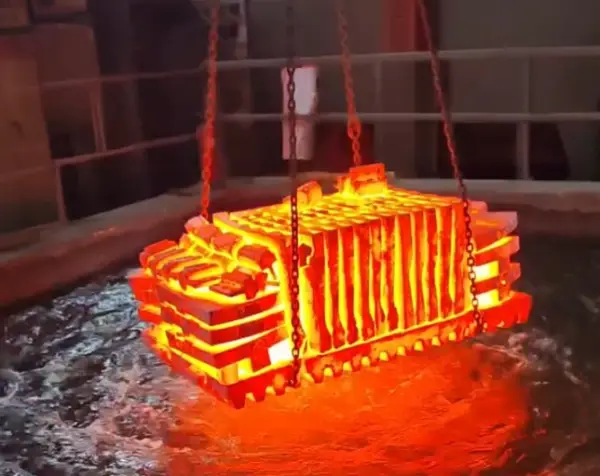
Stress Relief Annealing: Eliminates residual internal stress generated during casting, welding, and machining of bronze, preventing deformation or cracking during use. The temperature is usually lower than the recrystallization temperature.
Solution Treatment and Aging Treatment
Solution Treatment: Suitable for bronze containing elements such as beryllium, silicon, chromium, and zirconium (such as beryllium bronze and aluminum bronze). The alloy is heated to a high temperature to fully dissolve the strengthening phase into the copper matrix, forming a supersaturated solid solution, and then rapidly cooled (quenched).
Aging Treatment: After solution treatment, bronze is heated to a lower temperature (such as 300–500°C) and held, which can significantly improve the strength, hardness, and elastic limit of the alloy while maintaining good electrical conductivity and corrosion resistance.
Homogenization Annealing
Mainly used for cast bronze to eliminate dendritic segregation generated during solidification, making the alloy composition and structure more uniform, improving process performance and mechanical properties, and providing a good structural foundation for subsequent machining or heat treatment.
Types of Bronze Accessories and Common Surface Treatments
Bronze accessories come in a wide variety, and different types vary in application and characteristics. The following are common types of bronze accessories and application scenarios:
Bronze Fasteners
Bolts, screws, and studs can be used for connecting ship metal parts, wood, plastics, etc.
Nuts are used together with bolts, mainly for locking pipelines and mechanical parts.
Flat washers and spring washers are used for pressure distribution and anti-loosening. Bronze washers are more suitable for humid and corrosive working conditions.
Bronze Connectors
Used for pipe joints and elbows. Bronze material is corrosion-resistant and pressure-resistant, suitable for hinges and folding hardware, commonly used for doors, windows, and furniture opening and closing. Latches and pins can also be machined from bronze bars.
Decorative Parts of Bronze material
Bronze materials were widely used in ancient chariot bells, shaft accessories, furniture bronze accessories such as hanging rings, foot covers, and belt harness accessories, combining reinforcement, practicality, decoration, and status symbolism.
Tool and Equipment Accessories
Used for the end of shafts of long-handled weapons (such as ge, spears, and pi); fixing and supporting crossbow arms on carriages or crossbows, helping with stringing and stabilizing shooting; bronze scabbard surfaces are often combined with wooden or leather scabbards to protect swords and increase decoration.
Bronze Bearings and Sliding Parts
Bearing bushings are used in rotating or sliding parts of machinery, featuring wear resistance and self-lubricating properties, commonly found in engines, pumps, gearboxes, etc.
Slides and guideways: used in mechanical transmission or positioning devices. Bronze slides and guideways work together to achieve smooth sliding.
Pros and cons of Bronze Compared with Other Metal Materials
As an important metal material, bronze has the following advantages and disadvantages compared with other common metal materials (such as pure copper, brass, steel, aluminum alloys, etc.):
Advantages
Bronze has strong corrosion resistance and performs well in environments such as seawater and weak acids, making it suitable for ship parts and similar applications.
Bronze has high hardness, a low friction coefficient, good wear resistance, and is less likely to seize with mating parts.
Excellent casting performance: bronze has a relatively low melting point (generally 700–900°C), good fluidity, and low shrinkage during solidification, making it suitable for casting complex-shaped parts such as ancient bronzeware and precision castings.
Disadvantages
Limited Toughness: Some bronzes (such as high-tin bronze) may exhibit brittleness under low-temperature or high-stress conditions. Their toughness is not as good as steel or aluminum alloys, and fracture may occur easily.
High Cost: The raw material and production cost of bronze is usually higher than ordinary steel or aluminum alloys, especially for some high-performance bronzes (such as beryllium bronze).
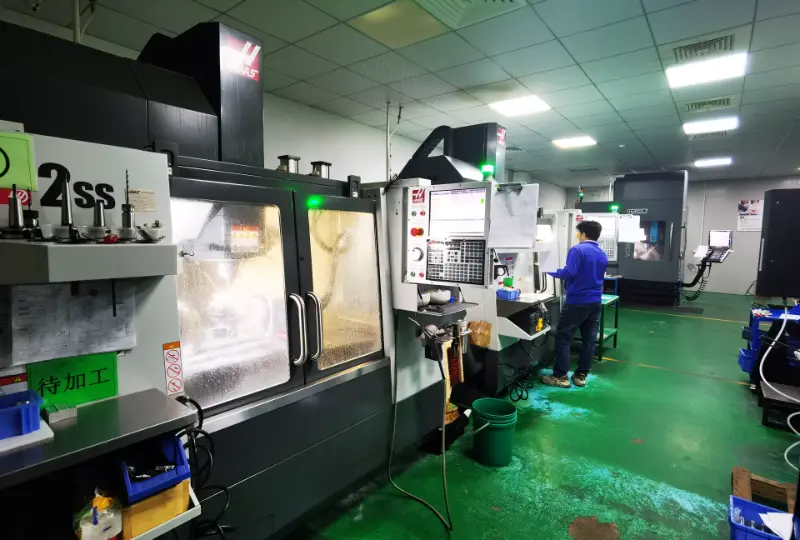
How to Control Material Quality and Production Process in Machining Bronze
Raw Material Procurement and Inspection
Choose stable and reliable suppliers, and use spectrometers to test the composition of bronze raw materials to ensure compliance with standards.
Smelting and Casting Process
Strictly control the melting temperature, time, and casting parameters of bronze to ensure uniform alloy composition, reduce oxidation, porosity, and inclusions, and improve casting quality.
Machining Process Control
Reasonably control hot (cold) processing and milling parameters, and regularly inspect the working condition of equipment molds, tools, and spindles.
Heat Treatment and Aging Treatment
Select appropriate heat treatment processes according to the requirements of custom bronze parts, and accurately control temperature and time.
Finished Product Inspection and Testing
Through appearance inspection, micrometer measurement, and CMM inspection, comprehensively evaluate the qualification of bronze accessories to ensure that CNC-machined bronze parts meet customer drawing requirements.

How to Find a Reliable Machining Bronze Factory
Clarify Requirements and Goals
Clearly define core requirements such as bronze material, dimensional accuracy, surface treatment, order quantity, delivery time, drawings, and samples first, ensuring that suppliers accurately understand project requirements.
Technical Capability and Process Level
Prioritize manufacturers with multiple bronze casting and machining processes, professional engineering teams, multi-axis CNC machining, and high-standard inspection to ensure product manufacturability and machining accuracy.
Quality Control System
Focus on whether the manufacturer has complete quality certification, inspection processes, and batch consistency control capabilities (ISO 9001-2015 certification).
Production Flexibility and Delivery Capability
Evaluate the manufacturer’s production capacity, material supply chain, and order delivery speed to ensure timely sample production and batch standardized delivery.
Industry Experience and Cases
Judge the manufacturer’s actual delivery capability in complex projects and high-standard products through past cooperation cases, industry experience, and customer reputation.
On-site Inspection and Communication
Personnel can be sent for factory inspections and in-depth communication to fully understand its factory management level, technical strength, and sample cases.
Contract and After-sales Protection
Clearly define contract technical standards, delivery responsibilities, after-sales mechanisms, and confidentiality clauses before cooperation to reduce cooperation risks.
About Weldo Machining
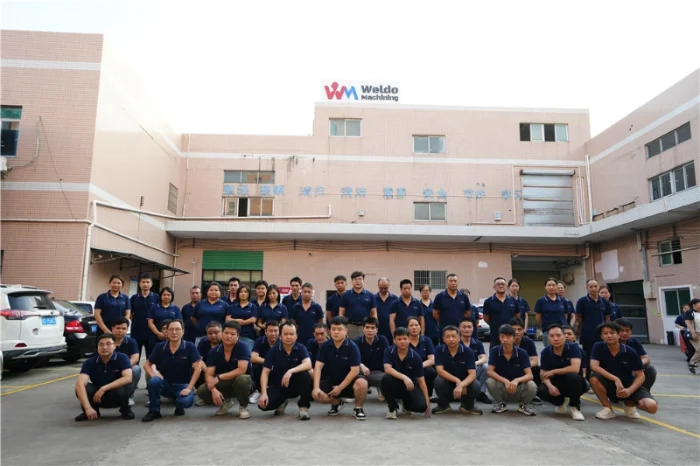
Weldo Machining mainly focuses on CNC machining, injection molding, profile extrusion, and sheet metal fabrication. We have 14+ years of experience in CNC machining. The company has more than 60 production staff and over 50 production machines, including 5-axis CNC machine tools, wire cutting, and grinding. We can handle machining of more than 100 materials and over 20 common surface treatments. Tolerance can reach 0.001 inch. If you have machining needs for metals such as bronze, you can contact us.