Kovar alloy may seem unfamiliar to many at first glance, but if you are a professional in high-precision electronic component development, you will definitely be interested in Kovar machining services. This is because the material’s hardness, toughness, and the high-precision requirements of its application areas demand milling and machining with tight tolerances—requirements that ordinary stamping or injection molding cannot meet. In the following, I will discuss the material characteristics of Kovar and the challenges associated with its machining.
What is Kovar Material?
Kovar alloy is an iron‑nickel‑cobalt alloy. Kovar metal material is equivalent to China’s 4J29, Germany’s 1.3981, and Russia’s 29HK grades. Kovar alloy is commonly known by its technical designation ASTM F15. It is specially designed for welding between metal and hard glass (ceramics), and can effectively seal welded joints.
Chemical Composition of Kovar
The chemical composition of Kovar typically includes:
- Nickel (Ni): approximately 29%
- Cobalt (Co): approximately 17%
- Iron (Fe): balance (approximately 54%)
- Trace elements: very low contents of manganese, silicon, and carbon.
The most prominent characteristic of Kovar alloy is that it expands and contracts at the same rate as the bonded glass, thereby preventing cracks, seal failure, or mechanical stress.
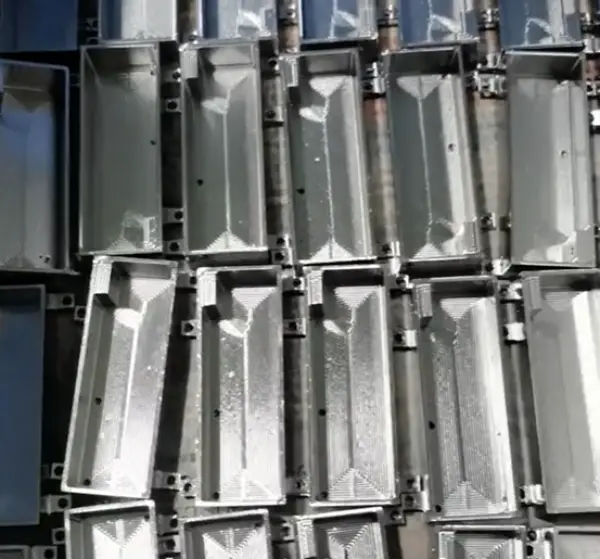
Due to its stability and reliability, custom Kovar alloy parts are frequently required in high‑vacuum technology, aerospace components, precision electronic packaging and other fields. Understanding these material properties is crucial when selecting Kovar alloy machining services.
Key Properties of Kovar Alloy
Kovar alloy is a special nickel‑cobalt‑iron alloy designed primarily for one reason: its extremely low coefficient of thermal expansion (CTE). Based on our experience in providing Kavar alloy machining services, this material is most commonly used in high‑tech electronics and aerospace, where thermal stability of critical electronic accessories is essential.
The core performance characteristics of this alloy are as follows:
Matched thermal expansion coefficient: The expansion coefficient of Kovar alloy is very close to that of borosilicate glass and alumina ceramic. This enables reliable sealing performance of Kovar seals, with a linear expansion coefficient similar to DM305 and DM308 hard glass in the range of 20℃‑450℃. No leakage occurs.
High ductility: Although difficult to cut, this material has relatively good ductility, making it suitable for deep drawing and complex geometries of custom Kovar parts.
Magnetic properties: It remains ferromagnetic below the Curie temperature (approximately 435°C), a key factor for certain electronic housings and sensors.
Thermal conductivity: Kovar alloy has a moderate thermal conductivity, which helps dissipate heat in sensitive Kovar components.
8 Major Challenges in Kovar Machining Services and Solutions
Due to the high nickel and cobalt content of Kovar alloy (ASTM F15), it is well known for being difficult to machine. We have summarized the top ten challenges encountered in Kovar alloy machining services and proposed precise strategies to address these challenges.
- Rapid work hardening:Kovar alloy hardens almost immediately when the tool dwells or rubs the surface. We solve this by maintaining a constant feed rate and ensuring the tool does not “idle” during cutting.
- Heat dissipation issues:This alloy has poor thermal conductivity, meaning heat is trapped at the cutting edge. We use high‑pressure localized coolant and dedicated carbide tools to draw heat away from custom Kovar parts.
- Tool wear:The toughness of the material severely wears standard tools. We use TiAlN‑coated carbide tools or ceramic inserts to extend tool life and maintain tight tolerances.
- Kovar alloy is stickyand prone to built‑up edge (BUE) formation on tools. We use tools with highly polished flutes and a specific rake angle to prevent material adhesion to the tool.
- Burr retention:Due to its good ductility, Kovar alloy tends to deform rather than shear during cutting, resulting in heavy burrs. We use climb milling and secondary deburring processes to ensure every Kovar alloy prototype is clean and precise.
- Dimensional instability:Internal stresses can cause parts to warp after machining. We add intermediate stress‑relief heat treatment between roughing and finishing to ensure accuracy of the final geometry.
- Thin‑wall deformation:Complex custom Kovar parts with thin wall thickness often deform. We design custom rigid fixtures and use “balanced” machining paths to support the part throughout the process.
- Tapping and threading risks:Taps often break due to the high toughness of Kovar alloy. We prefer thread milling over conventional tapping, as it provides better process control and avoids tool breakage that can damage parts near completion.
| Challenge | Our Solution |
|---|---|
| Work hardening | Positive feed and sharp edges |
| Heat buildup | High‑pressure flood coolant |
| Tool failure | Premium coated carbide |
| Burrs | Climb milling and precision deburring |
Common Applications of Kovar Machining Services
Kovar alloy steel maintains accuracy at high temperatures. Due to its low expansion coefficient matching borosilicate glass and alumina ceramic, our Kovar machining services are critical for electronic parts that must remain stable under high temperature (450℃) fluctuations.
Below are the typical applications where we deploy custom Kovar components:
- Aerospace and satellite technology: High‑frequency microwave housings, power tubes, and satellite communication components require stable performance in the vacuum of space.
- Defense electronics: Hermetic packages for sensors and integrated circuits used in military‑grade hardware and guidance systems.
- Telecommunications: Laser diode mounts and fiber optic packages requiring tight tolerances and zero leakage to protect sensitive internal components.
- Medical devices: Components for X‑ray tubes, imaging equipment, and specialized surgical tools that undergo rigorous sterilization cycles.
- Power electronics: Transistor leads and connectors for high‑power modules, where glass‑to‑metal sealing is required for long‑term reliability.
- Scientific research: Cryogenic equipment and high‑vacuum systems that must minimize material outgassing.
Whether you need complex Kovar prototypes for R&D or specific miniature high‑difficulty Kovar parts for mass production, these applications rely on the material’s unique ability to bond with glass without deforming or cracking under thermal stress.
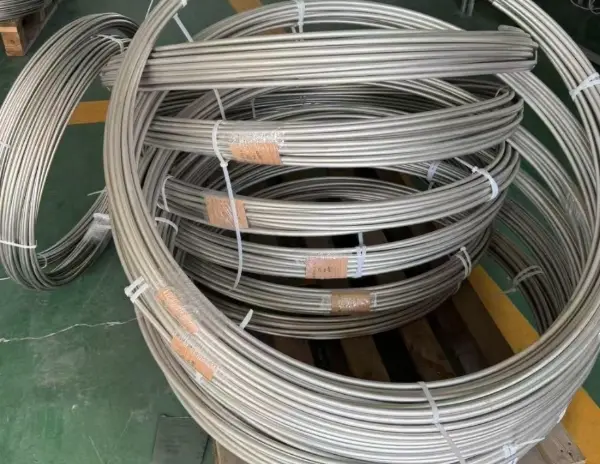
Common Raw Material Forms for Kovar Processing
The common raw material forms of 4J29 Kovar Alloy mainly include wire, strip, tube, bar, plate, and forgings.
- Kovar wire is mainly used for precision components in electronic parts, such as precision conductors and lead wires. The wire diameter typically ranges from a few microns to several millimeters.
- Kovar strip is usually supplied in coils or rolled strip form, with thicknesses ranging from 0.05 mm to several millimeters. It is commonly used for manufacturing thin sealing components, lead frames, and stamped parts. The width can be customized according to specific requirements, and it offers excellent deep drawing and elongation performance.
- Kovar tubing includes both seamless tubes and welded tubes. The outer diameter and wall thickness are generally customized for batch production. These tubes are widely used in vacuum piping, heat exchanger tubes, and other applications requiring high sealing performance.
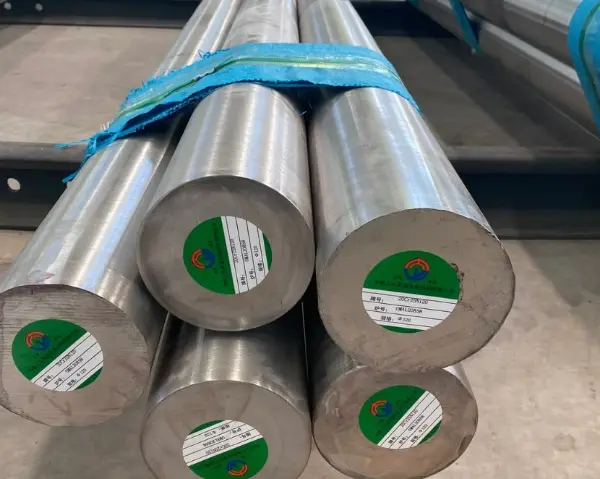
- Kovar bars are available in round, square, and other cross-sectional shapes. They are mainly used for shafts, rods, and structural components.
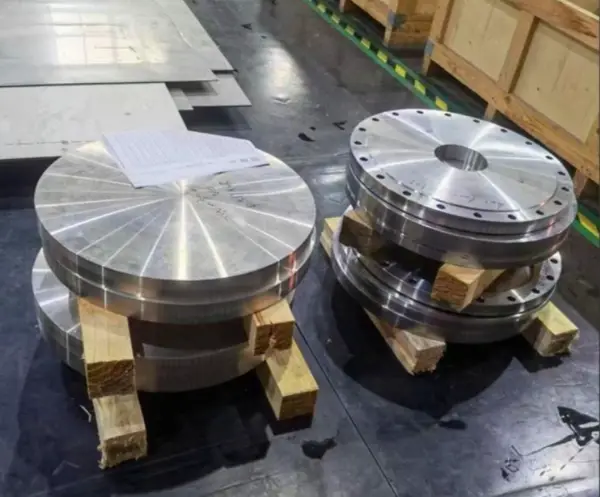
- Kovar plates/sheets can be processed through stamping, cutting, and bending. The thickness generally ranges from several millimeters to dozens of millimeters. They are commonly used for housings, chassis, brackets, and structural parts.
- Kovar forgings are typically used in sealing connectors, high-pressure vessels, and other demanding applications where high strength and toughness are required.
Choosing a Reliable Kovar Machining Services Partner
Choosing the right Kavar alloy machining services partner is critical, as custom Kovar fittings can be easily scrapped during machining. Your supplier must therefore have a deep understanding of its unique thermal and machining parameter settings.
Key Criteria for Custom Kovar Part Quality
When selecting a supplier for your project, prioritize the following key factors to ensure you receive high‑precision components:
- Proven material expertise: Kovar alloy work hardens rapidly. A reliable machine shop must have extensive experience controlling the temperatures and tool pressures required for machining nickel‑cobalt alloys to avoid stress deformation inside parts.
- Precision and tolerances: Most Kovar alloy applications involve hermetic sealing or vacuum environments. Always ensure the supplier can maintain tight tolerances (typically ±0.0005 inch or better) and provide CMM inspection for complex Kovar components.
- Material traceability: Quality starts with raw materials. Your partner should provide complete material test reports (MTR) for Kovar raw materials to ensure the alloy complies with ASTM F15 standards and consistent thermal expansion coefficients for batch fittings.
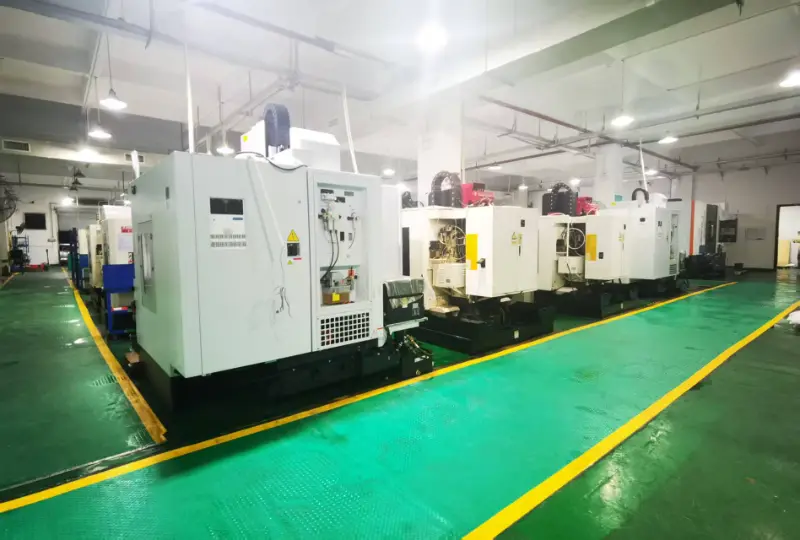
- Multi‑axis equipment and surface treatment experience: Look for production‑based factories with precision CNC machines and years of experience in gold plating, nickel plating, and passivation technologies for complex‑design Kovar parts. Such factories eliminate concerns about minor defects affecting the durability of precision Kovar components such as electron tubes.
We understand that custom Kovar parts are often the most critical components in assemblies. A truly reliable service provider does not only perform metal cutting, but also acts as a technical partner to ensure the finished part retains its integrity during subsequent plating, brazing, or sealing processes. Therefore, focus on machine shops that prioritize quality control, stable delivery schedules, and timely communication to resolve technical issues.
Why Choose Weldo’s Custom Kovar Alloy Machining Services
We specialize in high‑precision Kovar alloy machining services and possess the expertise required to process this high‑difficulty iron‑nickel‑cobalt alloy. We recognize the importance of Kovar precision electronic components for military and aerospace equipment, so we continuously improve our processes and hold ISO 9001‑2015 certification to ensure every Kovar batch part we manufacture meets industry standards.
Our advantages in processing Kovar material include:
- Control of material stability: We use specific cutting strategies (fast feed, high spindle speed) and dedicated coolant to manage effective heat dissipation of Kovar workpieces and avoid work hardening.
- Precision prototyping: We deliver high‑precision standard production of Kovar parts whether you are in the R&D sample stage or preparing for mass production.
- Tight tolerances: Our CNC machined equipment can maintain tolerances up to ±0.0001″, which is critical for glass‑to‑metal seals used in aerospace and electronic communications.
- Versatility: We can manufacture Kovar tubes of any shape and size, from complex electronic housings and microwave packages to more difficult‑to‑machine electronic pins and connectors.
- Advanced cutting tools: We use advanced carbide tools designed specifically for Kovar alloy to prevent tool deflection and ensure excellent surface finish.
We eliminate the need for guesswork. By choosing our custom Kovar machining services, you partner with a machining team that prioritizes high standards and fast delivery. We treat every project with reliability at its core, ensuring your parts perform stably in harsh environments.you can feel free to contact with us for more details or get quote of kovar cnc machining.