
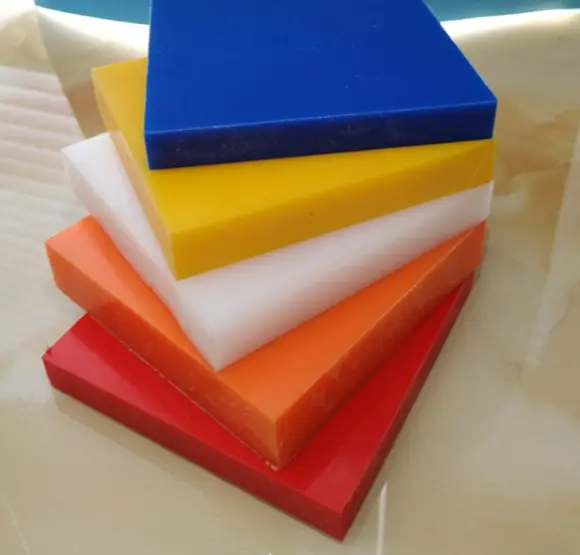
CNC machining acrylic
CNC machining acrylic uses programmed CNC tools to mill, cut, and shape PMMA, enabling automated, high-precision production of acrylic parts and products.
Minimum Wall thickness : 2 mm
Tolerance : ±0.01 mm
Max part size : 2000 mm*1000 mm*1000 mm
Lead time : 1~5 days
Available acrylic in Weldo :Transparent, translucent, colored, preset textures Acrylic, sheets, rods, tubes
Process range:
- CNC machining
- Thermoforming
- Laser cutting
- Surface finish
Acrylic material Features
Acrylic is a thermoplastic with a light transmittance of 92%-95%, close to that of glass, and a density that is lighter than glass. It is harder than ordinary plastics but weaker than metal and is relatively easy to scratch. It has a certain degree of tensile strength, but its overall toughness is not as good as some engineering plastics. It is a brittle material and has good weather resistance and chemical corrosion resistance, but it will be dissolved or corroded by some organic solvents (such as acetone and chloroform). It is mainly used for precision processing into display screen protective covers, instrument housings, medical device housings, etc.
| Density | Tensile Strength | Fatigue Strength | Hardness | Elongation at Break |
|---|---|---|---|---|
| 1.17–1.20 g/cm³ | 50–75 MPa | 15–25 MPa | 80–100 HRM | 2–5% |
Surface finish options for acrylic part
| Process | Description |
|---|---|
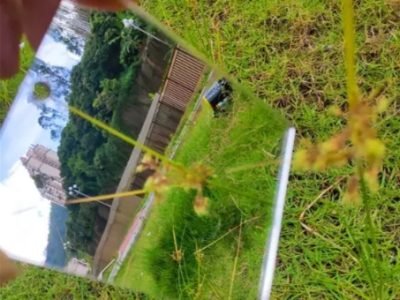
| Polishing | Flame polishing, wheel polishing, or diamond polishing to eliminate fine scratches and surface unevenness, improving overall gloss and transparency. |
| Coating | Hardening, anti-glare, or anti-fingerprint coatings applied to the acrylic surface through vacuum coating or surface coating to form a functional protective layer. |
| Printing | Screen printing or UV printing to apply patterns, logos, or text directly onto the acrylic surface. |
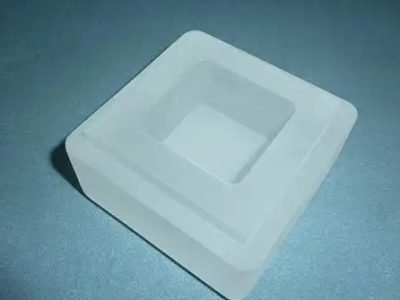
| Sandblasting | High-pressure air sprays sand particles (such as carborundum or glass sand) onto the acrylic surface to create a rough texture and frosted visual effect. |
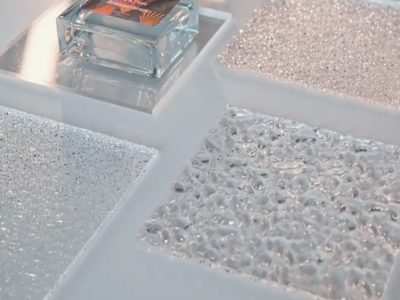
| Texture | Engraving or embossing treatments using CNC engraving or laser engraving, or pressing through molds with predefined textures to create various surface texture effects. |

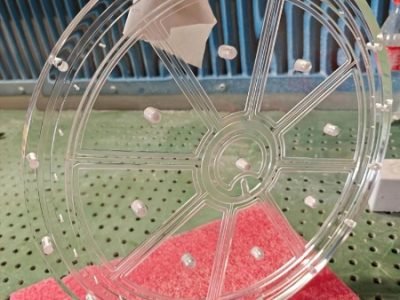
Pro and cons of cnc machining acrylic
| Category | Description |
|---|---|
| Advantages | 1. High precision (0.01–0.1 mm), capable of machining complex shapes and fine details.2. High level of automation, suitable for mass production with stable efficiency.3. Supports cutting, milling, engraving, and various other processes; adaptable to different forms of acrylic (sheets / rods).4. Machined surfaces are flat and neat; post-processing is simple (e.g., light polishing).5. Flexible design capabilities, allowing quick response to drawing modifications. |
| Disadvantages | 1. High equipment and maintenance costs, requiring large initial investment.2. Requires skilled personnel for programming; parameter setup demands high precision.3. Material brittleness varies; improper cutting may easily cause cracking.4. Poor heat dissipation; high temperatures can lead to deformation.5. Machining complex parts may reduce efficiency and increase cost. |
Application of machining acrylic part
Advertising & Display Industry
Acrylic is widely used for light boxes, signboards, and display stands due to its high transparency, smooth edges, and strong visual appeal for branding.
Electronics & Optical Products
Used in transparent housings, panels, and optical components like lenses and light guides, acrylic offers clarity and precision for electronic and optical applications.
Medical Equipment
Acrylic is applied in panels, test boxes, and device housings, valued for its non-toxicity, chemical resistance, and suitability for medical and lab use.
Automotive & Transportation
Commonly used for instrument panels, lampshades, and interior parts, acrylic provides high precision, smooth finishes, and good aesthetics.
Architecture & Interior Decoration
Acrylic is used in partitions, decorative panels, and designs, offering high light transmission and serving as a safe alternative to glass.
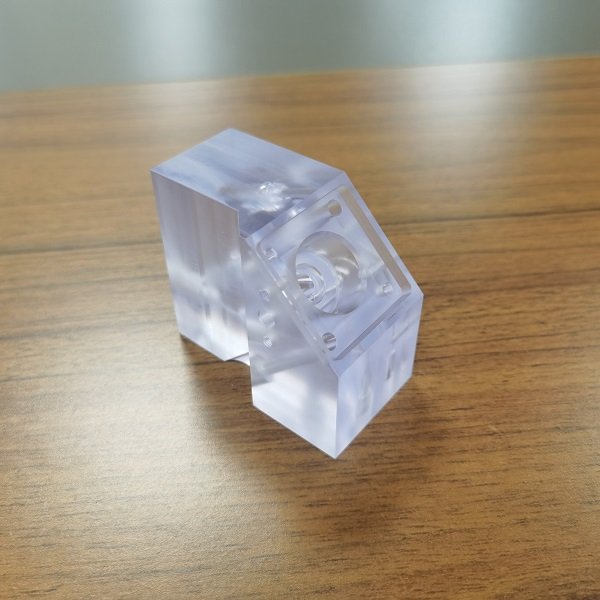
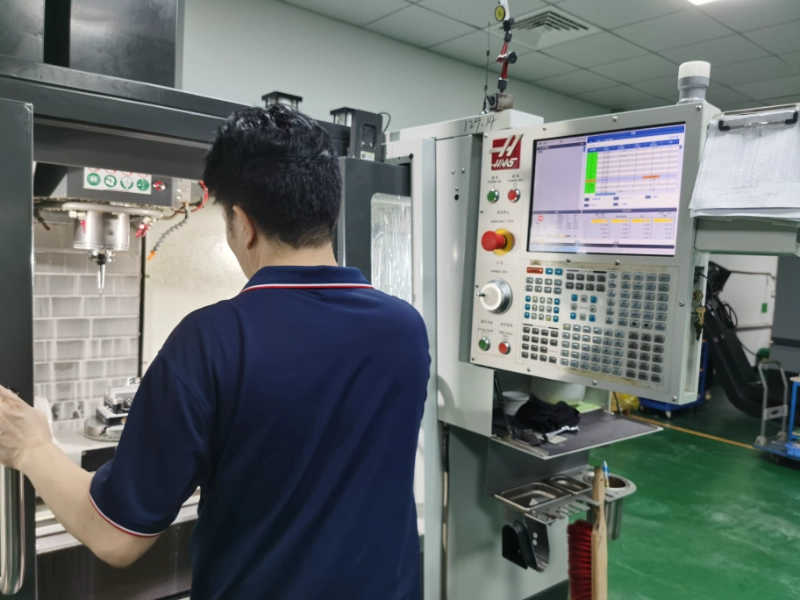
Cnc machining acrylic FAQ
What is acrylic CNC machining?
Acrylic CNC machining is a precision manufacturing process that uses computer-controlled machines to cut, mill, or engrave acrylic sheets and blocks into customized shapes and components.
Can CNC machining make acrylic parts transparent and polished?
Yes. With proper CNC machining combined with post-processing techniques such as flame polishing or buffing, acrylic parts can achieve glass-like transparency and a flawless finish.
What thickness of acrylic can be CNC machined?
CNC machining can handle a broad range of acrylic thicknesses, typically from 1 mm to over 100 mm, depending on the machine’s capabilities and project requirements.