
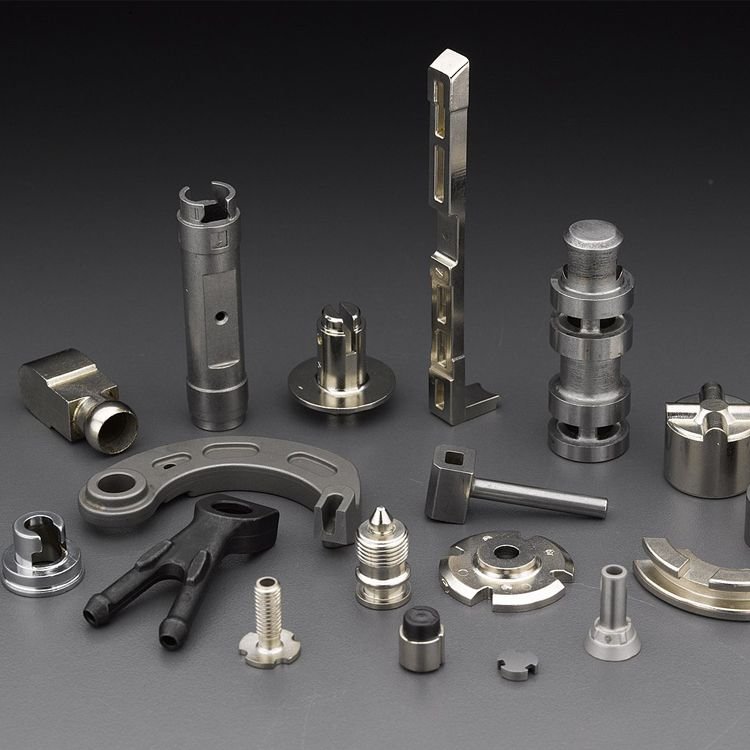
Custom CNC Metal Machining Services
Weldo machines aluminum, steel, stainless steel, copper alloys, magnesium and titanium into precision prototypes and production parts.
Upload Your Metal Part DrawingTolerance, lead time and finish depend on alloy, temper, geometry, quantity and inspection requirements.
CNC Processes for Custom Metal Parts
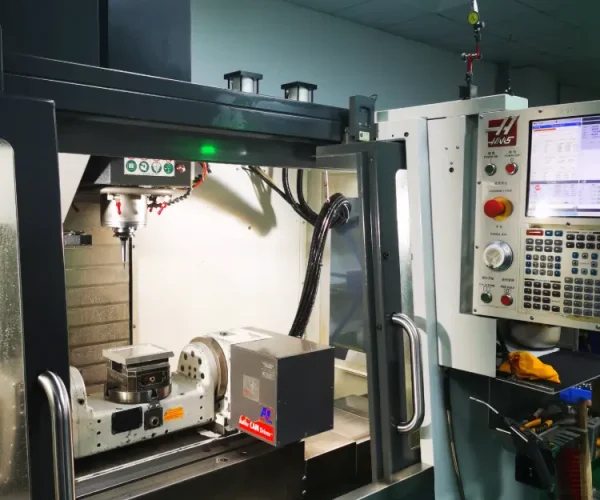
Programmed cutting, turning, grinding and electrical-discharge processes shape metal stock without dedicated mold tooling. The process is selected from part geometry, alloy behavior, tolerance and production volume.
Milled features, turned diameters, ground datum faces and EDM details can be combined in one controlled route, followed by finishing and inspection.
CNC Milling
Faces, pockets, slots, holes and complex 3-, 4- or 5-axis geometry.
CNC Turning
Shafts, sleeves, threads, tapers and concentric features.
Precision Grinding
Controlled size, flatness and surface condition on critical features.
Wire EDM
Narrow slots, profiles and hardened-metal details without cutting force.
Metals We Machine
Select the alloy by load, weight, wear, corrosion, conductivity, temperature, finish and required documentation.
Aluminum
Low density and broad finishing options for housings, frames and aerospace parts.
Stainless Steel
Corrosion resistance and cleanability for equipment, fluid and medical-device components.
Steel
Strength, toughness and heat-treatment options for structural and wear parts.
Copper
High electrical and thermal conductivity for power, cooling and RF components.
Brass
Good machinability and corrosion resistance for valves, fittings and instruments.
Bronze
Wear and bearing performance for bushings, gears and marine hardware.
Magnesium
Very low density for lightweight housings, fixtures and mobility applications.
Titanium
High strength-to-weight ratio and corrosion resistance for demanding components.
Properties vary by exact grade, temper and heat treatment. Confirm the material specification—not only the metal family—before production.
Surface Finishes for Metal Parts
Finish selection must match the alloy, dimensional allowance, corrosion exposure and appearance requirement.
As-Machined
Retains controlled tool marks and avoids added coating thickness.
Anodizing and Conversion
Common aluminum and magnesium options for protection, color or electrical behavior.
Passivation and Plating
Selected by base alloy for corrosion protection, conductivity or wear performance.
Blasting, Polishing and Coating
Controls texture and appearance; coating can add environmental protection.
Not every finish is compatible with every alloy. Critical dimensions should identify whether they apply before or after finishing.
Metal Machining and Inspection Capability
Weldo reviews the drawing, material condition, datum strategy, process sequence and finish allowance before production.
Multi-Axis Production
3-, 4- and 5-axis machining supports simple and complex metal geometry.
Drawing-Based Tolerance
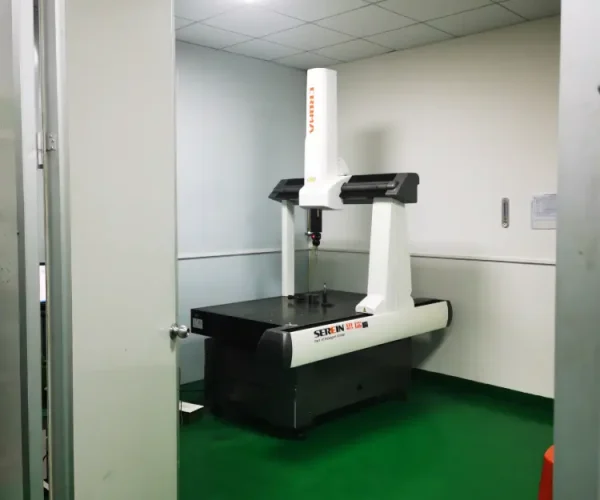
Critical dimensions are evaluated by alloy, size, geometry and inspection method.
DFM Support
Radii, walls, threads, tool access and distortion risks are reviewed early.
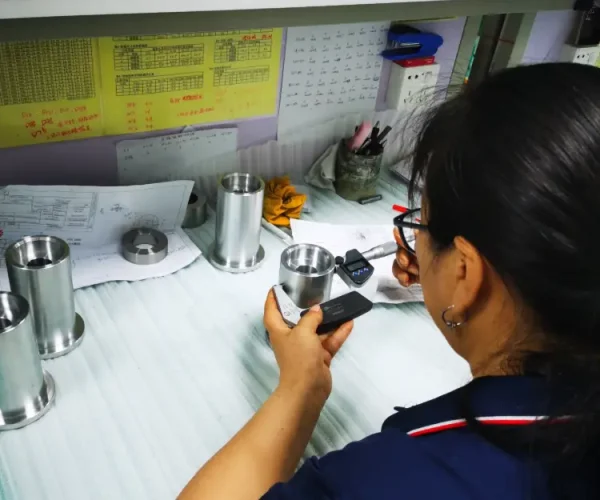
Staged Inspection
Incoming, in-process, final and pre-shipment checks support repeat production.
A measuring device resolution such as 0.001 mm does not equal the guaranteed tolerance of every finished part.
Frequently Asked Questions
Practical guidance on material selection, tolerance, heat treatment, corrosion, volume and finishing allowance.
Which metal is best for CNC machining?
There is no universal best metal. Select by strength, weight, wear, corrosion, conductivity, temperature, finish, cost target and documentation.
How tight can CNC metal machining tolerances be?
Tolerance depends on alloy, feature size, geometry, wall thickness, process sequence and inspection method. Mark critical dimensions on the drawing for review.
Can machined metal parts be heat treated?
Yes. Heat treatment may change hardness, strength, size and distortion, so machining allowance and final inspection must follow the planned process route.
Which metals offer the best corrosion resistance?
Stainless steel, titanium, aluminum alloys, copper alloys and coated steels are common options, but grade, environment, finish and galvanic contact determine suitability.
Can Weldo produce both prototypes and batches?
Yes. CNC machining supports one-off prototypes, engineering samples, bridge production and repeat batches without dedicated mold tooling.
Should tolerances apply before or after surface finishing?
The drawing should state this. Anodizing, plating, coating and heat treatment can affect size, edges, threads and mating surfaces.
Send Your Drawing for DFM Review
Upload the model and drawing with alloy and grade, material condition, quantity, critical tolerances, finish, heat treatment and documentation requirements.
Upload Metal Part CAD Files