
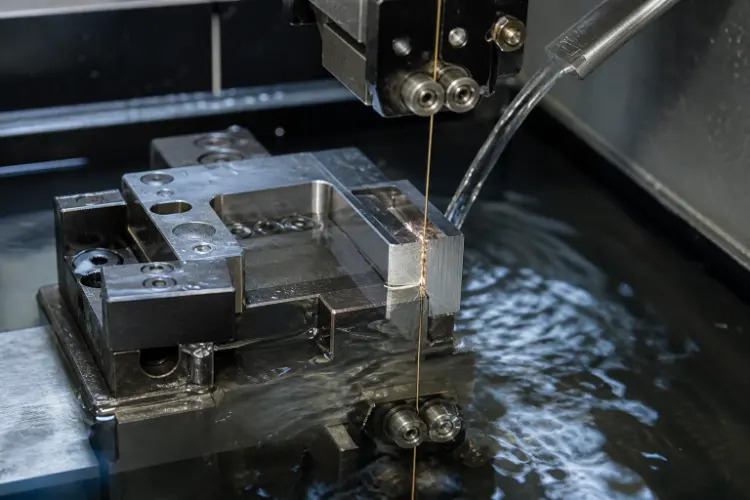
Non-Contact Precision Cutting
Precision Wire EDM Machining
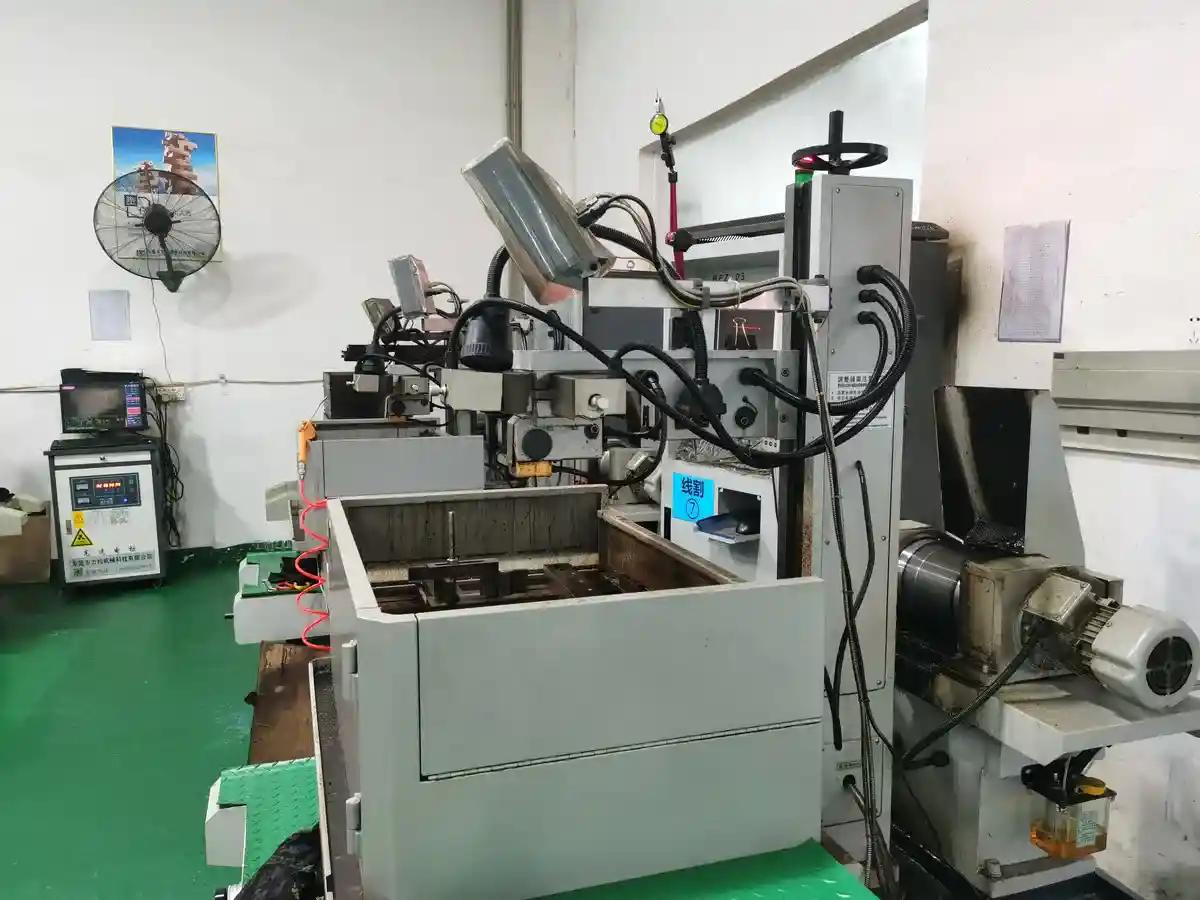
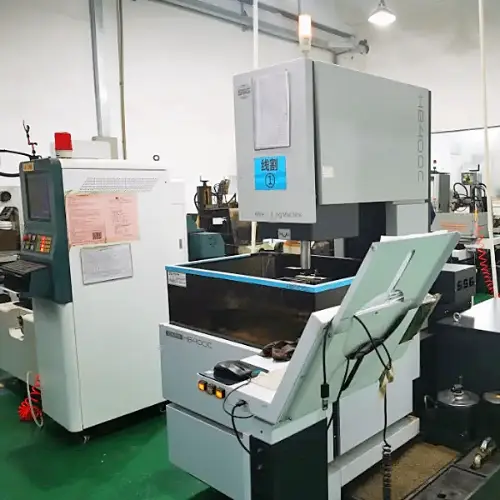
Wire EDM cuts conductive materials into complex profiles, narrow slots, tapers, and fine internal details without mechanical cutting force.
Contact us →Why Wire EDM
When Conventional Cutting Is Not Enough
Choose wire EDM for hard conductive materials, delicate geometry, narrow slots, and controlled profiles that must be cut without tool pressure.
No cutting force
Protects thin, fragile, and precision workpieces from mechanical load.
Hard materials
Processes hardened steel, carbide, titanium, and other conductive alloys.
Complex profiles
Cuts intricate contours, tapers, small radii, and internal details.
Fine features
Produces narrow slots and controlled edges with multiple skim cuts.
Wire EDM Capability
Key Cutting Parameters
| Feature | Capability |
|---|---|
| Maximum work envelope | 300 × 300 × 400 mm |
| Typical workpiece thickness | 0.5–300 mm |
| Wire diameter | 0.10–0.30 mm |
| Typical dimensional accuracy | ±0.002–0.005 mm |
| Position tolerance | ±0.01 mm |
| Minimum internal radius | R0.05 mm |
| Surface roughness | Ra 0.4–0.8 μm |
| Cut materials | Conductive metals, carbides, graphite, and conductive ceramics |
| Production range | Prototype, small batch, and repeat production |
Conductive Material Range
Materials for Wire EDM
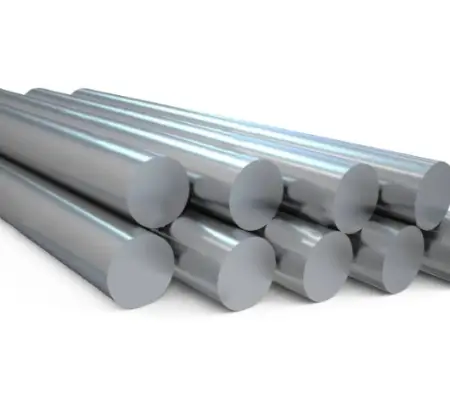
Aluminum

Stainless Steel
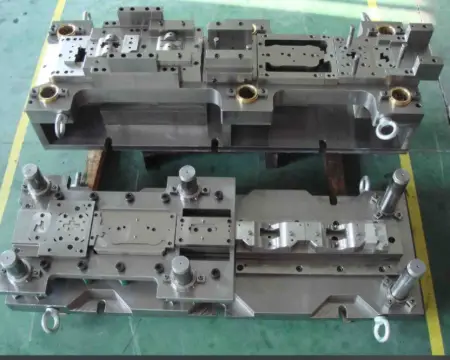
Steel & Carbide
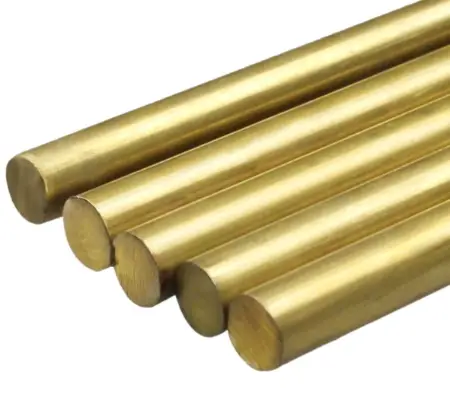
Copper & Brass
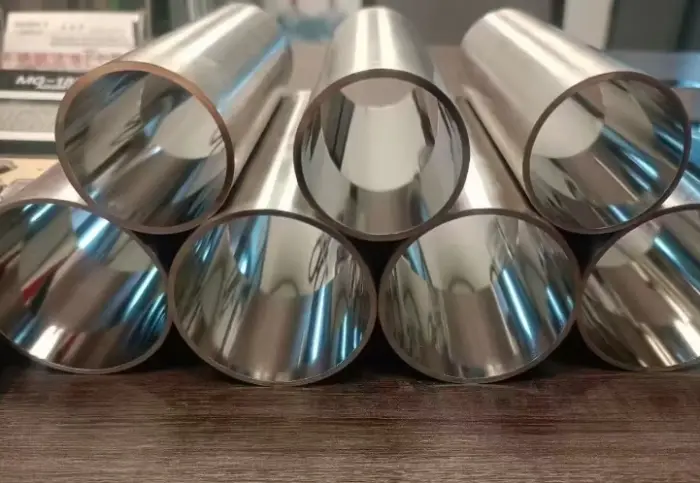
Titanium & High-Temp Alloys
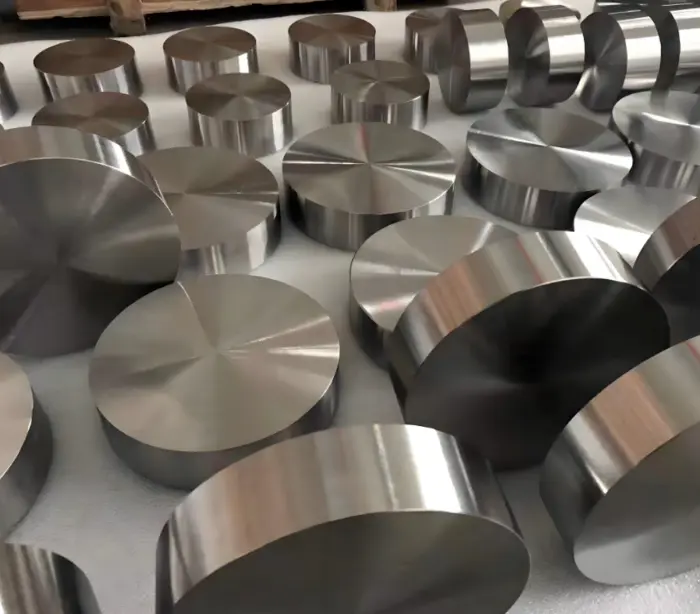
Graphite & Conductive Ceramics
Conductive composite materials can also be processed by EDM, producing clean profiles, controlled surface finishes, and minimal mechanical deformation.
From Drawing to Inspection
4 Steps to a Controlled Cut
Programming, wire selection, discharge settings, dielectric control, and inspection are planned together.
Drawing review
Confirm datum, profile, start hole, taper, tolerance, roughness, and thickness.
Programming & setup
Select wire diameter, tension, offset, pulse settings, and dielectric conditions.
Rough and skim cuts
Balance cutting time, dimensional control, and required surface finish.
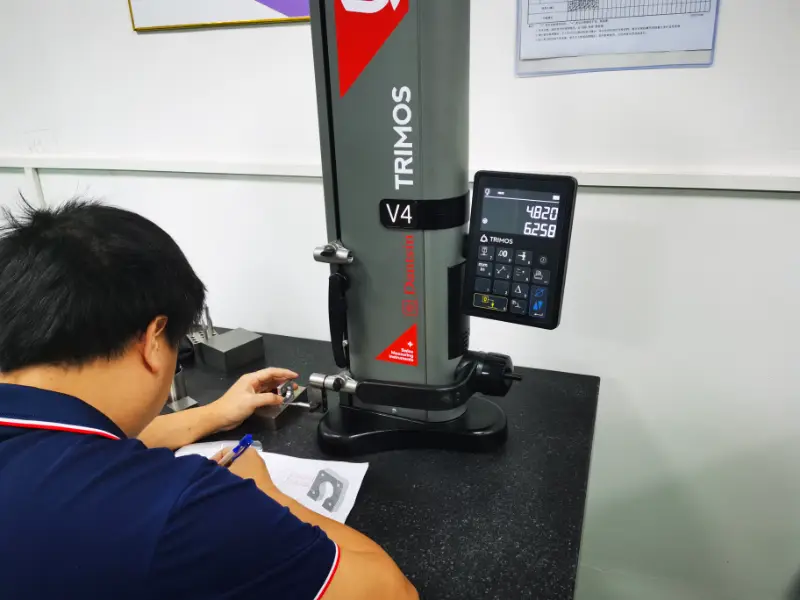
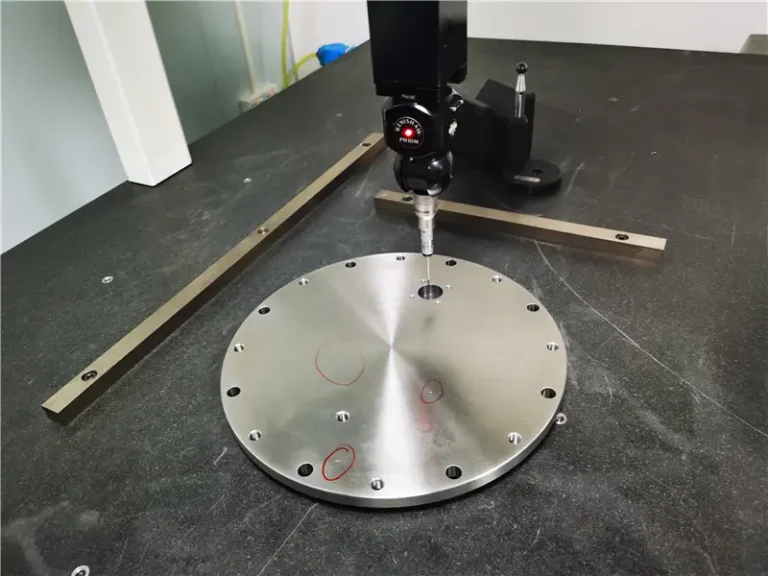
Inspection & release
Measure critical features, clean the part, protect edges, and prepare shipment.
Wire EDM FAQ
Questions Before You Start
What is the difference between EDM and wire EDM?
EDM removes conductive material with controlled electrical discharges. Wire EDM uses a continuously moving wire to cut through profiles, slots, and internal contours.
How to reduce Wire EDM machining costs?
Use the correct wire diameter, avoid unnecessary tight tolerances, simplify fixturing, minimize skim cuts, and group repeat parts into one run.
What are the advantages and disadvantages of EDM?
EDM offers force-free cutting, hard-material capability, and complex profiles. Trade-offs include slower removal, conductivity requirements, consumable wire, and recast layers.
When should Wire EDM be used?
Use it for hardened conductive materials, narrow slots, small radii, delicate parts, tapers, and geometry that is difficult to mill.
How fast does Wire EDM cut?
Speed depends on material, thickness, wire settings, corner detail, and finish. Rough cuts are faster; skim cuts improve accuracy and surface quality.
Send Your Wire EDM Project for Review
Upload your drawing and material details for process feedback, a clear quotation, and a controlled delivery plan.