With the continuous advancement of modern materials research, the demand for reduced friction has gradually been met, and challenges related to difficult maintenance and the need to disassemble numerous components for servicing have been resolved. As a result, people have begun to apply many durable materials with self lubricating properties to moving parts, such as bearings, bushings, flange and guide rails. Below, I will explain the principles of self-lubrication and the materials involved.
What Is Self Lubrication
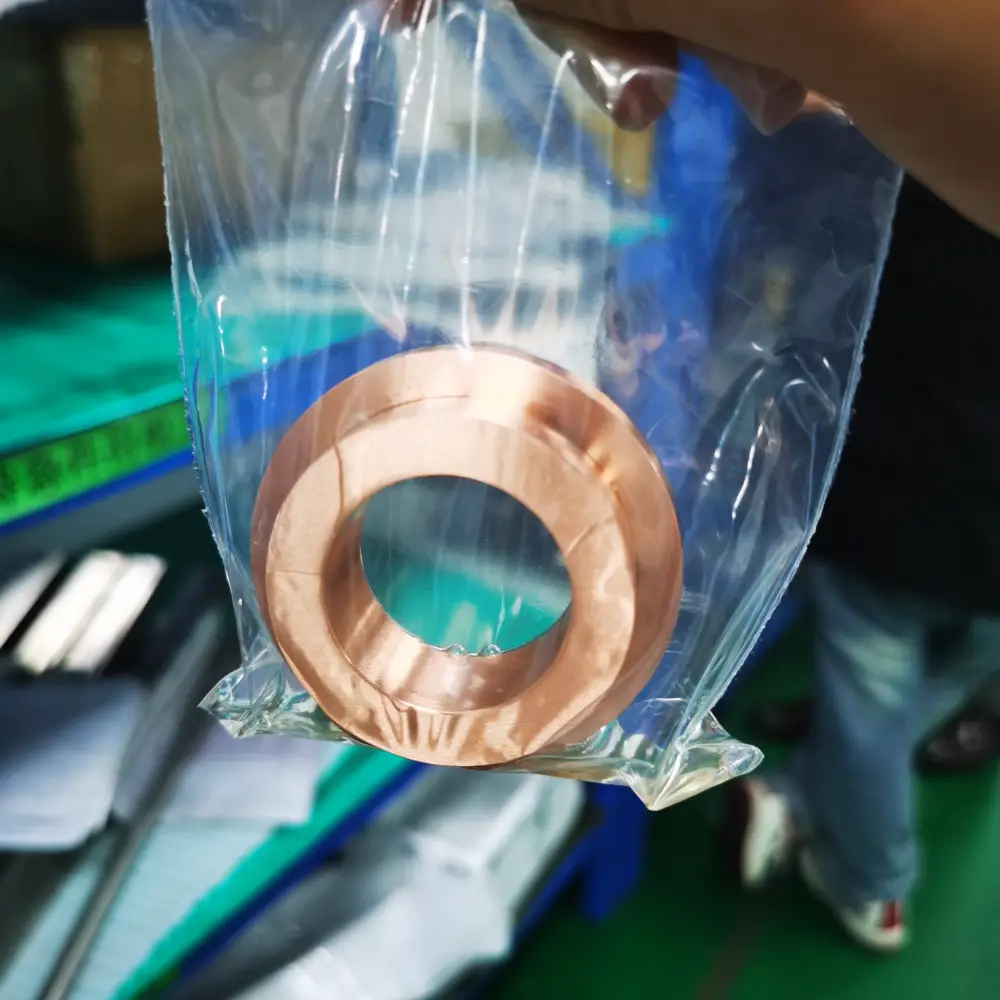
Self-lubrication refers to the ability of a material or component to reduce friction and minimize wear during use through its inherent material properties or structural design, without the need for periodic manual application of lubricants.
Common Self Lubrication Methods
Coating/Embedded Self Lubricating Materials: Lubricating materials (such as graphite or molybdenum disulfide) are pre-embedded within the material or applied via coating. During friction, the lubricant is gradually released onto the contact surfaces, forming a lubricating film that reduces friction and wear. Examples include graphite-filled bronze bushings, oil-impregnated nylon, and oil-impregnated powder metallurgy bearings.
Material-Intrinsic Self-Lubrication: Under friction, the material’s surface generates a lubricating film, as seen in materials such as bronze, POM, PTFE, nylon, and PEEK.
Structural Design for Self-Lubrication: Through specialized structural designs (such as micro-pores or micro-grooves), lubrication is achieved during friction by utilizing the material’s elastic deformation or hydrodynamic effects, such as the oil-retaining pore design in self-lubricating bearings.
Significance of Self-Lubrication
1. Low maintenance costs: No need for periodic grease or oil replenishment, reducing maintenance expenses. Suitable for hard-to-reach or difficult-to-maintain equipment components, minimizing downtime and improving production efficiency. Ideal for equipment requiring continuous operation in industries such as mining, metallurgy, and chemicals.
2. Suitable for use in low-temperature, high-temperature, vacuum, and high-dust environments. Maintains stable operation under extreme conditions, making it suitable for applications in aerospace, semiconductor manufacturing, and medical equipment.
3. No complex lubrication system design is required, simplifying structural design and machining, thereby reducing manufacturing costs.
What is the self lubricating material
Self lubricating metallic materials
These primarily include bronze, brass, and zinc-based alloys.
Bronze-based self lubricating alloys include tin bronze, aluminum bronze,and lead bronze:
Tin bronze offers excellent friction-reducing properties, conformability, and corrosion resistance, making it suitable for sliding friction applications involving moderate loads and speeds, such as general machinery, automotive components, and food processing equipment;
Aluminum bronze offers high strength, good wear resistance, and excellent corrosion resistance, making it particularly suitable for high-load, high-wear conditions and corrosive environments, such as ship stern tube bearings and aerospace components;
lead bronze has good friction-reducing properties and machinability, is suitable for cold working, and is commonly used in sliding bearings in atmospheric and fresh water environments, but it is prone to hot brittleness during hot working.
Brass alloys use zinc as the primary alloying element, with strengthening elements such as aluminum, manganese, and iron added. They offer high strength and wear resistance, can withstand significant impact loads, and are suitable for self-lubricating bearings in heavy-duty equipment such as construction machinery, mining machinery, and metallurgical machinery.
Zinc-based alloys have low density and good thermal conductivity, along with excellent self lubricating properties and anti-seizing capabilities. They are suitable for heavy-load, low-speed applications, though operating temperatures should not exceed 100°C. They are ideal for weight- and cost-sensitive applications.

Self Lubricating Plastics
Plastics with self lubricating properties include POM, PTFE, PA, PEEK, PPS, and UHMWPE
PTFE has a low coefficient of friction at both high and low temperatures, excellent chemical stability, and possesses self-lubricating and non-stick properties. It is primarily used in seals, guide rails, bearings, and non-stick cookware coatings.
POM has high rigidity and hardness, a low coefficient of friction, and good wear resistance. It can operate continuously at temperatures ranging from -40°C to 100°C and offers high dimensional stability. It is commonly used in oil-free lubricated gears, bearings, sliders, and precision mechanical parts.
PA/Nylon has a low coefficient of friction and good wear resistance. Oil immersion lubrication can further reduce friction, and it can withstand long-term temperatures up to 160°C. However, it is hygroscopic and is commonly used in self-lubricating components such as gears, bearings, gaskets, and seals.
PEEK self-lubricating components offer high-temperature resistance, chemical resistance, high strength, and excellent wear resistance. The coefficient of friction can be further reduced by adding graphite or PTFE. They are commonly used in self lubricating bearings, seals, gears, and other components in the aerospace, medical, and semiconductor industries.
PPS self-lubricating parts feature heat resistance, corrosion resistance, high crystallinity, and excellent wear resistance. The wear rate can be further reduced by adding copper powder or PTFE to the PPS material. They are commonly used in valves, seals, and bearings in the automotive, electronics, and chemical industries, and are suitable for high-temperature and corrosive environments.
UHMWPE (ultra-high molecular weight polyethylene) offers exceptional resistance to sliding wear and impact resistance against notched fractures. It features a low coefficient of friction, excellent self-lubrication, and chemical resistance, though it has relatively low strength. It is commonly used in bearings, guide rails, and liners subjected to high wear and low loads.

Applications of Self Lubricating Components
Thanks to their maintenance-free nature, resistance to harsh operating conditions, and lightweight design, self-lubricating components are widely used across multiple industries. The following are the primary application areas:
New Energy and Automotive: Seat and door hinges, steering systems, pedal assemblies, shock absorbers, transmissions, battery trays, electric drive systems, and other components.
Construction Machinery: Key components such as buckets, connecting rods, hydraulic systems, idler wheels, track rollers, and guide wheels in excavators, loaders, concrete machinery, and forklifts.
Robotics: Robot joints, wrists, ankles, linear actuators, and other parts.
Agricultural Machinery: Transmission systems, suspension assemblies, and working components in tractors, harvesters, seeders, and other equipment.
Plastics Machinery: Transmission systems and mold support components for injection molding machines, extruders, and similar equipment.
Food Processing Machinery: Components such as mixers, conveyor belts, and packaging machines in food processing equipment, meeting food-grade hygiene requirements to prevent lubricant contamination.
Self lubricating Coatings
1. DLC Coating
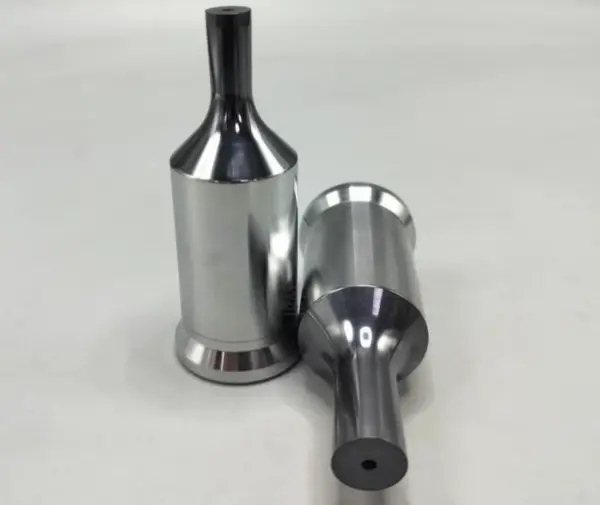
Features high hardness, ultra-low friction, wear resistance, and corrosion resistance, enabling operation in oil-free or low-oil environments.
Primarily used in precision machinery, engine components, cutting tools, and semiconductor molds.
2. CrN Coating
Characterized by good toughness, anti-welding properties, and corrosion resistance, it is suitable for metal-to-metal friction applications.
Commonly used in stamping dies, cutting tools, and injection molds.
3. AlTiN Coating
Features ultra-high hardness, high-temperature resistance, and oxidation resistance, making it suitable for high-speed dry cutting.
Widely used in cutting tools, high-temperature molds, and aerospace components.
4. MoS₂ Coating
Features a low coefficient of friction and excellent lubricity, making it particularly suitable for vacuum environments, though its stability in humid and hot conditions is generally limited.
Commonly used in aerospace and precision transmission systems.
5. Polymer Self Lubricating Coatings
Primarily composed of materials such as PTFE (Teflon), these coatings offer low friction and chemical corrosion resistance, but have relatively lower load-bearing capacity and wear resistance.
Commonly used in seals, food processing machinery, and chemical processing equipment.
6. Micro-Arc Oxidation (MAO) Coating
Forms a ceramic layer on light alloy surfaces, offering wear resistance, corrosion resistance, and oil-retention lubrication capabilities.
Commonly used in automotive parts, offshore equipment, and lightweight components.
In summary:
DLC and MoS₂ coatings excel in low-friction performance; AlTiN and metal matrix composite coatings are preferred for high-temperature applications; and Micro-Arc Oxidation (MAO) coatings are best suited for surface strengthening of light alloys.
Do self lubricating components require lubricating oil?
When assembling self-lubricating components, lubricating grease can be applied to the gaps between the finished parts. This facilitates better running-in during initial use and prevents running-in damage. Subsequently, the components will generate a thicker lubricating film through friction, extending their service life.
About Weldo machining
At Weldo Machining, we specialize in CNC machining, injection molding, aluminum extrusion, and sheet metal fabrication. With over a decade of experience, we are well-versed in more than 50 surface treatment processes. If you have additional manufacturing needs or would like to compare quotes, please feel free to contact us.