What is Anodized Aluminum? What is the Principle Behind Its Coloring?
Anodizing is an electrochemical process that enhances the natural oxide layer of aluminum. Unlike paint or powder coating, which sits on top of the metal, anodizing transforms the surface itself into a decorative, durable, and corrosion-resistant anodic oxide finish. This integrated layer ensures the aluminum remains protected while offering a versatile canvas for various aesthetics.
The Anodizing Process and the Formation of the Oxide Film
The process involves submerging aluminum components into an acid electrolyte bath and passing a controlled electric current through the solution. This reaction results in several critical surface changes:
- Controlled Oxidation: The surface converts into a high-density aluminum oxide layer.
- Porous Structure: The film develops billions of microscopic hexagonal “pores” that are invisible to the naked eye.
- Enhanced Durability: This new finish is significantly harder than the base metal, providing superior resistance to wear and environmental stressors.
How is Color Integrated into the Aluminum Surface?
Achieving vibrant and lasting anodized aluminum colors depends entirely on the porous nature of the newly formed oxide film.
- Pigment Trapping: Instead of applying a surface coating, dyes or metal salts are deposited deep within the open pores of the oxide layer.
- Unrivaled Adhesion: Because the color is physically “locked” inside the structure, it is impossible for the finish to flake, peel, or chip under normal conditions.
- Surface Texture: The final appearance is heavily influenced by the metal’s texture, allowing for a sophisticated satin finish or a non-reflective matte finish depending on the desired color charts and application requirements.
Common Coloring Methods for Anodized Aluminum
Getting the right anodized aluminum colors isn’t just about “painting” the metal. I use specific electrochemical processes to ensure the pigment becomes a part of the aluminum itself. Depending on whether you need a vibrant look for a gadget or a rugged finish for a building, the method I choose makes all the difference.
Adsorption Dyeing (Organic and Inorganic)
This is the go-to method for creating those eye-popping shades found on color charts. After I create the porous oxide layer, I submerge the part in a dye bath.
- Organic Dyes: These offer an almost limitless range of vibrant colors like reds, blues, and greens.
- Inorganic Dyes: While the color selection is narrower, these are much more light-fast and heat-resistant, making them great for outdoor use.
Electrolytic Coloring (2-Step Process)
For parts that need to withstand heavy UV exposure without fading, I use electrolytic coloring. After the initial anodizing, the part goes into a second tank containing metal salts (like tin or cobalt). By applying an AC current, I deposit these metals into the bottom of the pores. This creates incredibly stable architectural tones, ranging from light champagne to deep bronze and black.
Integral Coloring and Interference Coloring
- Integral Coloring: This is a one-step process where the color develops naturally as the oxide film grows. It’s tough as nails but consumes a lot of energy, so I usually reserve it for specialized industrial needs.
- Interference Coloring: I use this for more exotic looks. By modifying the shape of the pore base, the surface reflects light differently, producing unique shades of blue, green, and gray through optical interference rather than simple pigment.
The Importance of Sealing in Preserving Color
Regardless of the coloring method, the job isn’t finished until the surface is sealed. I close the microscopic pores of the aluminum to lock the color in and keep moisture and contaminants out. This step is what ensures a satin finish or matte finish stays consistent and corrosion-resistant for the long haul. Without a proper seal, the color would simply bleed out or stain over time.
Common Anodized Aluminum Colors
When I help clients select the right look for their projects, the sheer variety of anodized aluminum colors is usually the biggest selling point. Unlike paint that sits on top, these colors are part of the metal itself, meaning they won’t chip or peel. Whether you’re looking for a rugged industrial look or a high-end decorative finish, there is a palette designed to fit your specific needs.
Standard Finishes: Natural (Clear), Satin, and Black
These are the “bread and butter” of the industry. Most of the parts I move through my shop fall into these categories because they are timeless and versatile.
- Natural (Clear): This isn’t actually “clear paint.” It’s a transparent oxide layer that highlights the raw, metallic beauty of the aluminum.
- Satin Finish: By using a specific satin finish pre-treatment, we can create a soft, diffused look that hides fingerprints and minor scratches—perfect for high-traffic items.
- Black: By far our most requested color. It provides a deep, rich, and consistent appearance that looks premium on everything from camera bodies to automotive trim.
Architectural Tones: Champagne, Bronze, and Gold
In the United States, the architectural market relies heavily on Earth tones. These are typically achieved through electrolytic coloring, which offers superior UV resistance for outdoor use.
- Champagne: A light, sophisticated metallic tan.
- Bronze: Ranges from “Light Bronze” to “Statuary Bronze” (nearly black), offering a classic look for window frames and curtain walls.
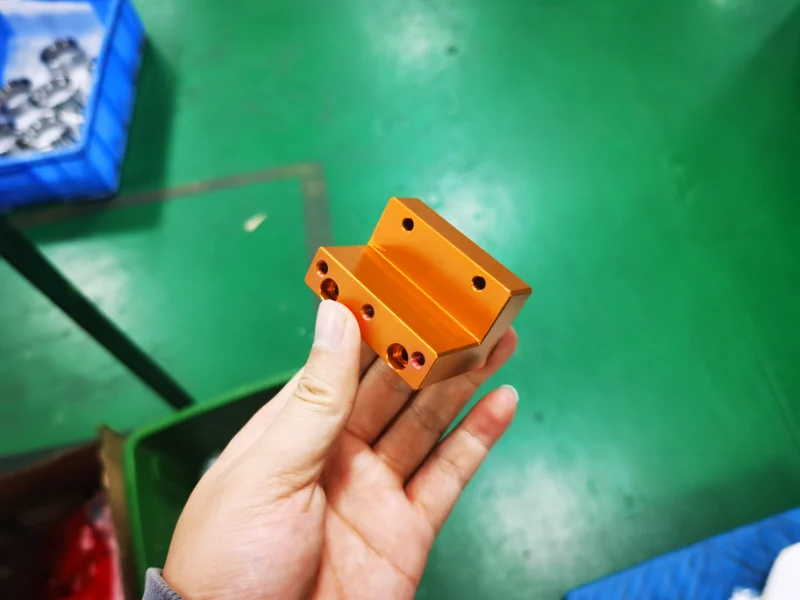
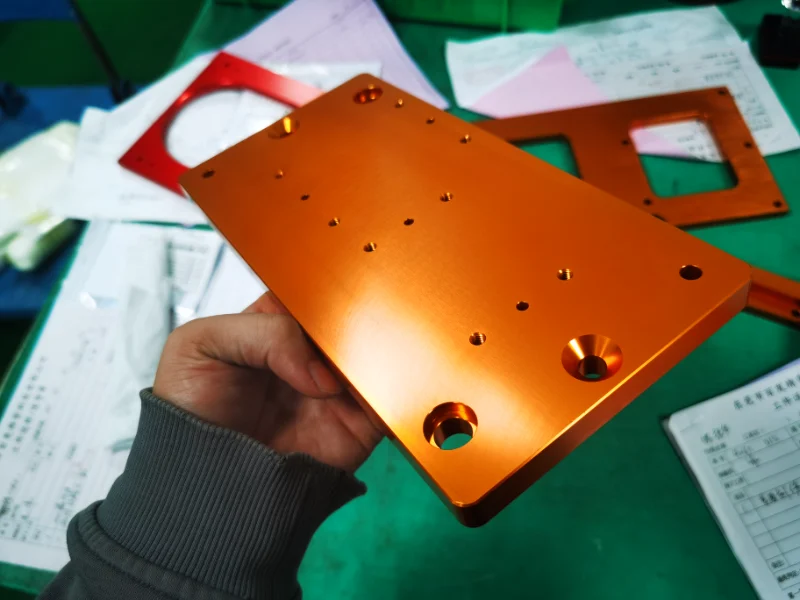
- Gold: Often used for decorative trim to give the appearance of precious metal without the high cost.if you want save cost,you can also choose (matte) orange color anodizing.
Vibrant Specialty Colors: Red, Blue, and Green
For consumer electronics and sporting goods, vibrant dyes are the way to go. We use high-quality color charts to ensure we hit the specific shade you’re after.
- Red & Blue: Popular for performance automotive parts and hand tools.
- Green: Common in medical devices and outdoor gear.
- Custom Pigments: We can also produce purples, oranges, and turquoises by adjusting the immersion time in the dye tanks.
Other Anodized Aluminum Colors
Beyond the basics, we can achieve specialty shades like Titanium, Pewter, and Gunmetal. These are popular in the EDC (Every Day Carry) community for knives and flashlights. By playing with the matte finish or polished surface before anodizing, I can completely change how these “in-between” colors react to light.
Color Variations in Hard Anodizing (Type III)
It’s important to note that Hard Anodizing (Type III) is a different beast. Because the oxide layer is much thicker and denser, the natural color of the coating is often a dark grey, charcoal, or olive drab.
- Natural Type III: Darker and more “industrial” looking.
- Dyed Type III: We can dye hard-coat black, but lighter colors like red or blue will always appear darker and more muted because of the dark base of the thick oxide film.
Technical Factors Influencing Anodized Aluminum Colors
Getting the perfect look for your project isn’t just about picking a dye off a shelf. In my experience, the final appearance of anodized aluminum colors is a result of several technical variables that happen before the part even hits the coloring tank.
The Impact of Aluminum Alloy Selection and Heat Treatment
The chemistry of the metal itself is the biggest “silent” factor. Different alloys contain varying amounts of magnesium, silicon, or copper, which react differently to the acid bath. For example, the 6000 series is our go-to for bright, vibrant colors, while the 7000 series tends to have a slightly yellow or gray undertone due to its zinc content.
| Alu Alloy Series | Common Use | Effect on Color |
|---|---|---|
| 6061 / 6063 | Architectural & Consumer Goods | Excellent clarity; accepts dyes very consistently. |
| 5052 | Marine & General Sheet Metal | Good results, though slightly less “bright” than 6061. |
| 7075 | Aerospace & High-strength | Often results in darker, more muted or yellowish tones. |
| 2026 | High-strength Structural | High copper content makes “clear” look olive; difficult to dye. |
Heat treatment (T-status) also matters. We’ve seen that inconsistent tempering can lead to “grainy” color finishes because the oxide layer grows differently over varying crystal structures in the metal.
Pre-treatment Processes and Mechanical Surface Finishes
The texture you see on the surface is established before the anodizing even begins. We use mechanical finishes to dictate how light reflects off the anodized aluminum colors.
- Polishing/Buffing: Creates a mirror-like, “bright dip” look where the colors pop with high reflectivity.
- Bead Blasting: Results in a matte finish. This diffuses light and hides fingerprints, making the color look softer and more industrial.
- Brushing: Gives you that classic satin finish with linear “grains” that add depth to champagne or bronze tones.
Chemical etching is also used to “de-smut” the surface, ensuring the dye bonds to pure aluminum oxide rather than surface impurities.
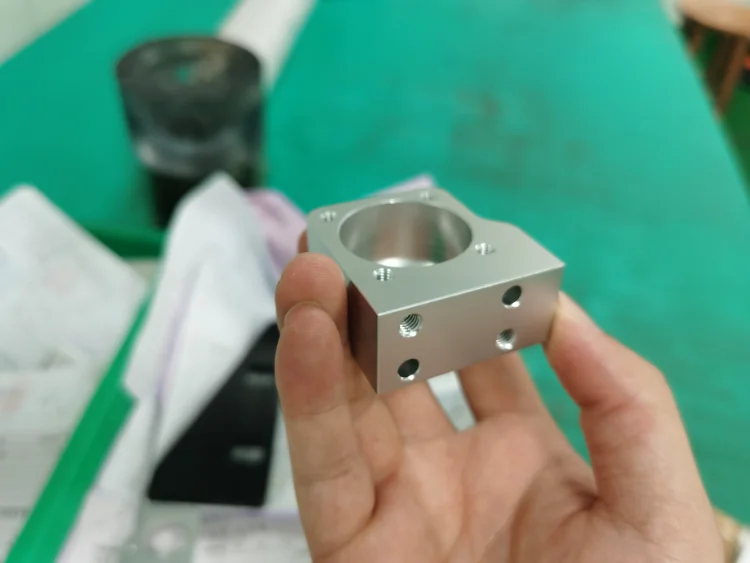
The Influence of Coating Thickness and Porosity on Pigment Coloring
Think of the anodic layer as a forest of microscopic tubes or “pores.” The depth and density of these pores determine how much pigment the surface can hold.
- Coating Thickness: A thicker oxide layer (measured in microns) allows for more dye absorption. If you want a deep, jet-black finish, we need a thicker coating. For a pale champagne, a thinner layer is often better.
- Porosity Control: The temperature and voltage of the anodizing bath dictate how “thirsty” these pores are. If the pores are too small, the dye can’t get in; if they are too large, the color can look blotchy.
- Dye Concentration & Time: We precisely monitor how long a part stays in the dye tank. A few extra minutes can be the difference between a “Sky Blue” and a “Royal Blue.”
By controlling these variables—thickness, porosity, and surface prep—we ensure that our anodized aluminum colors remain consistent across every batch we produce.
Applications of Anodized Aluminum in Various Industries
I’ve seen firsthand how anodized aluminum colors transform basic metal into high-performance components across every major US industry. It’s not just about the look; it’s about making sure the part can handle the environment it’s thrown into while maintaining its professional appearance.
Architectural Trim, Curtain Walls, and Window Frames
In the construction world, we rely on anodized finishes because they don’t chip or peel like paint. The durability is unmatched for exterior use.
- Curtain Walls: Large-scale commercial buildings use electrolytic coloring to achieve consistent bronze and black tones that stay UV-stable for decades.
- Window Frames: Both residential and commercial projects often feature a satin finish to provide a premium, modern feel to storefronts and modern homes.
- Trim & Accents: Designers often refer to our color charts to ensure architectural accents match the specific branding of a corporate headquarters.
Consumer Electronics and Decorative Hardware
This is where the “feel” of the product is just as important as the function. For high-touch items, I always recommend a matte finish to reduce glare and hide fingerprints.
- Personal Gadgets: Laptops, smartphones, and tablets utilize a wide range of anodized aluminum colors to create that signature luxury metallic sensation.
- Home Hardware: Door handles, light fixtures, and kitchen pulls use clear or gold anodizing for a sleek, wear-resistant surface that looks high-end.
Aerospace, Automotive, and Military Components
When failure isn’t an option, anodizing provides the necessary surface hardness. We prioritize performance here, but the color still plays a role in identification and stealth.
- Automotive: We use anodized parts for engine components, exterior trim, chassis parts, sway bars, control arms, and other critical components to resist high heat and corrosive road salt. This ensures enhanced durability and performance in demanding automotive environments.
- Aerospace: Landing gear and interior cabin brackets benefit from the increased surface protection and weight savings of aluminum.
- Military: Defense contractors often require a matte finish in black or olive drab for non-reflective, durable gear that stands up to extreme field conditions.
Conclusion
In summary, anodized aluminum offers unmatched durability, vibrant colors, and corrosion resistance, making it ideal for various industries. Whether you need a sleek finish for consumer electronics or a rugged look for aerospace components, anodizing provides versatile and long-lasting results. For more insights on anodized aluminum and personalized aluminum machining quotes, contact Weldo Machining today – we specialize in CNC machining and offer expert solutions to meet your needs.
FAQs About Anodized Aluminum Colors
Can Anodized Aluminum Achieve Precise Color Matching?
Achieving a 100% perfect match is tougher with anodizing than with paint. Since we are dealing with a chemical reaction rather than a surface coating, the metal’s grain and the bath’s chemistry play a huge role. We generally work within an agreed-upon “range” rather than a single point. To keep things consistent, we use color charts and samples to establish the upper and lower limits of acceptable shade variations.
Is the Color of Anodized Aluminum Permanent?
For all practical purposes, yes. Because the pigment is trapped inside the hard oxide layer, it won’t chip, peel, or flake off like paint might. However, extreme UV exposure over many years can cause some organic dyes to fade. For outdoor projects in the United States, we recommend electrolytic coloring or inorganic dyes, which are much more resistant to the sun.
Why Do Different Batches of Anodized Products Sometimes Show Color Variations?
It’s one of the most common questions we get. Even if we use the same dye, several variables can shift the final look. Minor differences in the metal alloy or how the surface was prepped—like a satin finish versus a matte finish—will change how light hits the part.