






Aluminum
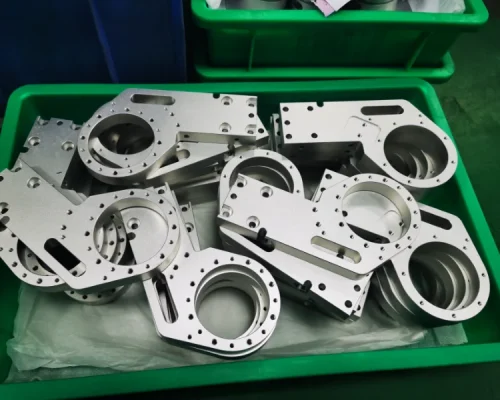
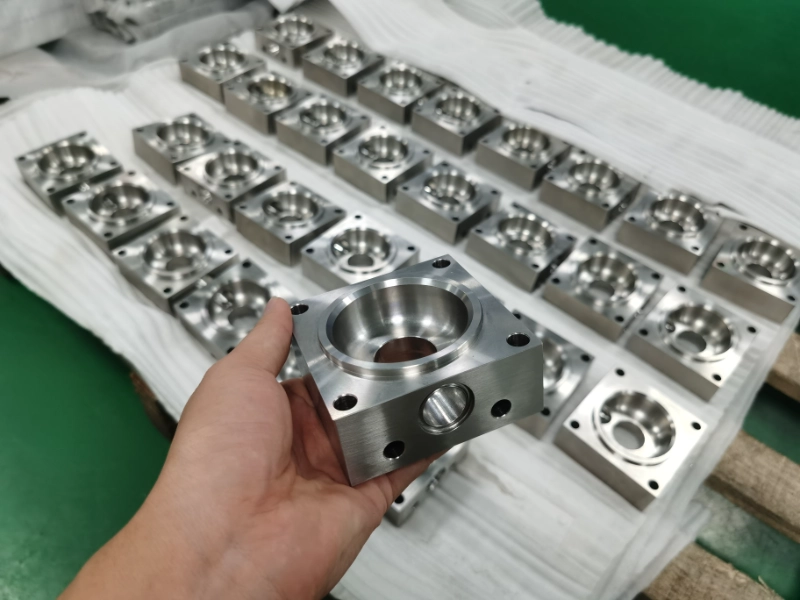
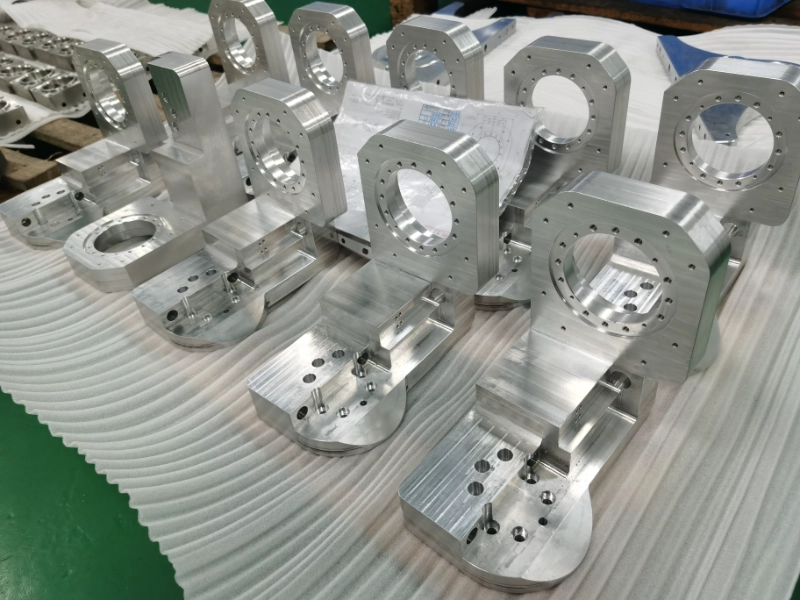
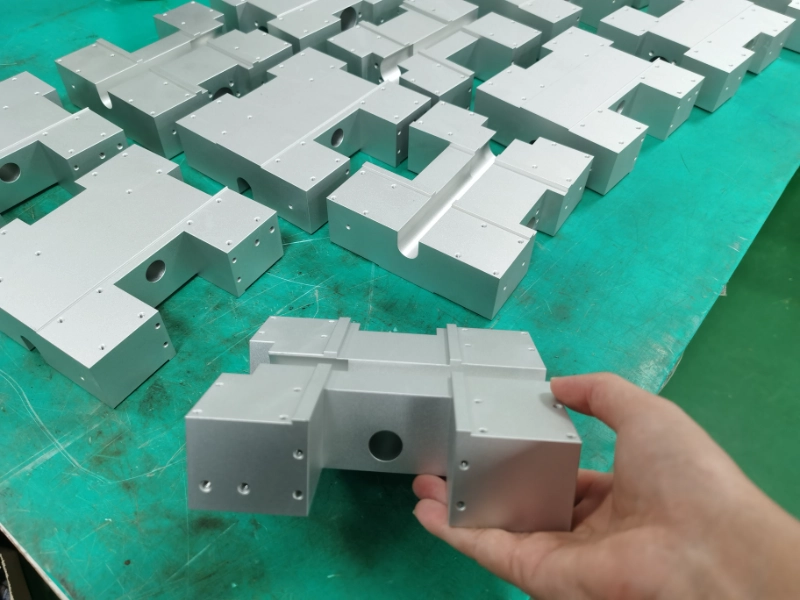
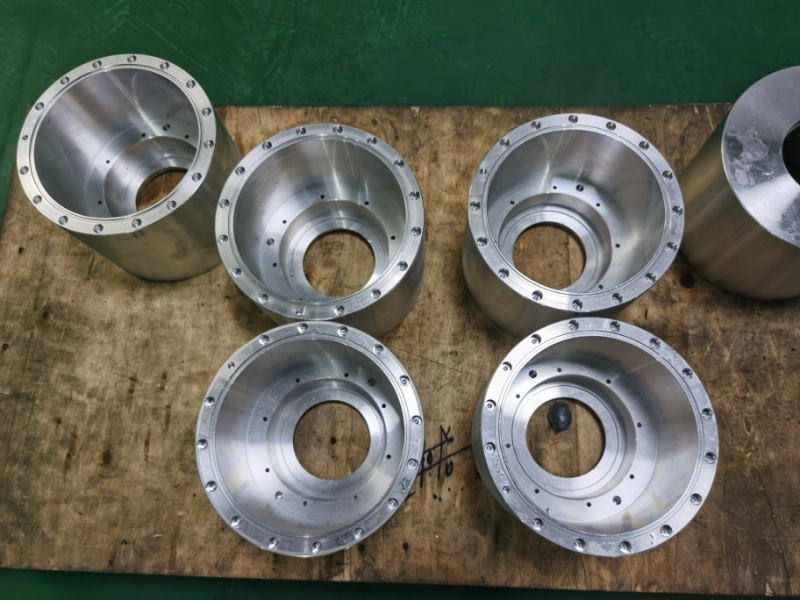
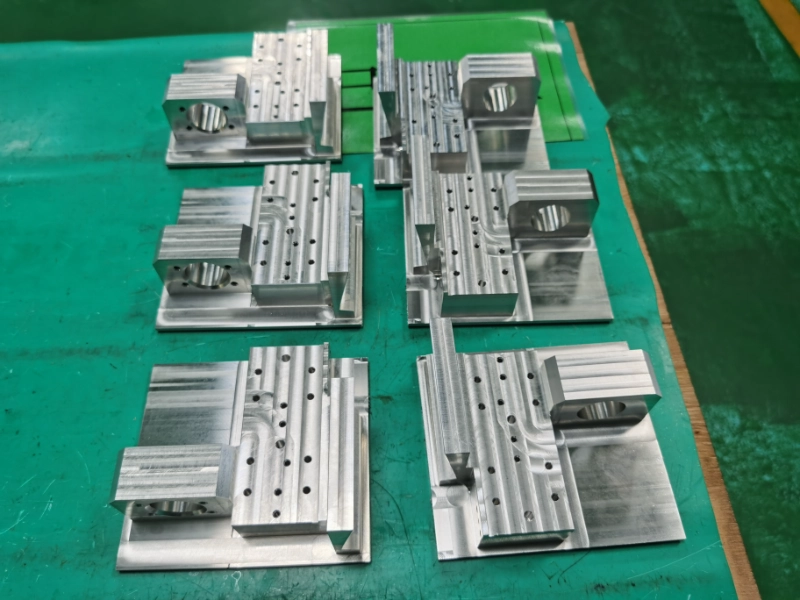
Get competitive price for custom aluminum parts. Receive comprehensive quotes for other type of aluminum materials and additional surface finishing processes for high-standard prototypes and standard production-run parts.
Process optional:
- CNC machining
- Extrusion
- Casting
- Forming
- Surface finish
Key Characteristics of Aluminum
Lightweight: Density approximately 2.7 g/cm³,Good strength,Easy machinability,Excellent thermal conductivity and heat dissipation,High corrosion resistance,Suitable for surface treatments
Common Aluminum Alloy Grades
6061 Aluminum Alloy(7075,6060 ,6082 ,5083,6063 ,5052 ,2024,7050 ,MIC6,2017A )
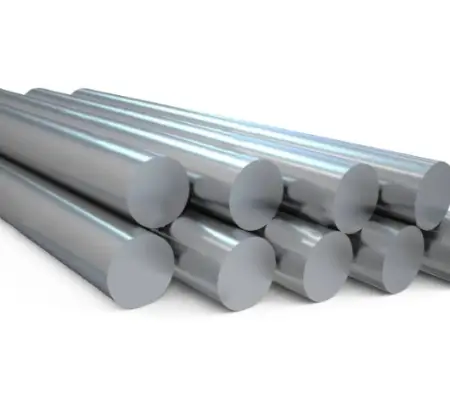
Mechanical property parameters of different grade aluminum alloy.
| Alloy | Tensile Strength (MPa) | Yield Strength (MPa) | Fatigue Strength (MPa) | Elongation (%) | Hardness (HB) | Density (g/cm³) |
|---|---|---|---|---|---|---|
| 6061-T6 | 290–320 | 240–280 | 90–100 | 8–12 | 90–100 | 2.70 |
| 6061-T5 | 240–260 | 145–160 | 80–90 | 8–12 | 80–90 | 2.70 |
| 7075-T6 | 540–572 | 480–510 | 150–160 | 8–11 | 145–155 | 2.81 |
| 6060-T6 | 190–215 | 150–170 | 55–65 | 8–12 | 60–70 | 2.70 |
| 6082-T6 | 300–340 | 250–310 | 90–100 | 8–12 | 90–100 | 2.70 |
| 5083-H116 | 300–350 | 215–260 | 90–110 | 10–16 | 75–85 | 2.66 |
| 6063-T6 | 205–245 | 170–215 | 60–70 | 8–12 | 70–75 | 2.70 |
| 5052-H32 | 210–230 | 130–170 | 80–95 | 10–16 | 60–70 | 2.68 |
| 2024-T3 | 460–485 | 320–345 | 120–140 | 16–20 | 120–130 | 2.78 |
| 7050-T7451 | 510–540 | 430–470 | 150–170 | 8–12 | 140–155 | 2.83 |
| MIC-6 (cast) | 150–180 | 70–110 | — | 1–3 | 60–70 | 2.70 |
| 2017A-T4 | 410–440 | 250–280 | 110–130 | 10–18 | 110–125 | 2.78 |
Application fields of different CNC aluminum alloy materials
| Alloy | Typical Applications |
|---|---|
| 6061 (T6 / T5) | General structural parts, machine parts, mold base plates, automotive parts, bicycle frames, marine fittings |
| 7075-T6 | Aerospace structural parts, high-strength mechanical parts, gears, shafts, high-stress components |
| 6060-T6 | Architectural profiles, decorative parts, light structural components, furniture, electrical enclosures |
| 6082-T6 | Heavy-duty structural parts, bridges, cranes, vehicle frames, construction and machinery structures |
| 5083-H116 | Shipbuilding structures, pressure vessels, cryogenic tanks, marine structures (excellent seawater corrosion resistance) |
| 6063-T6 | Architectural profiles, frames, pipes, decorative and high surface-quality structural parts |
| 5052-H32 | Fuel tanks, marine parts, sheet metal parts, enclosures, lightweight transportation components |
| 2024-T3 | Aircraft structures, fasteners, automotive parts, high-strength fatigue-critical components |
| 7050-T7451 | Aerospace structural parts, high-load components, parts requiring high resistance to stress corrosion cracking |
| MIC-6 (Cast) | Precision tooling plates, jigs, fixtures, CNC base plates (not for high-load structural use) |
| 2017A-T4 | Aircraft and automotive parts, fasteners, rivets, general duralumin structural components |
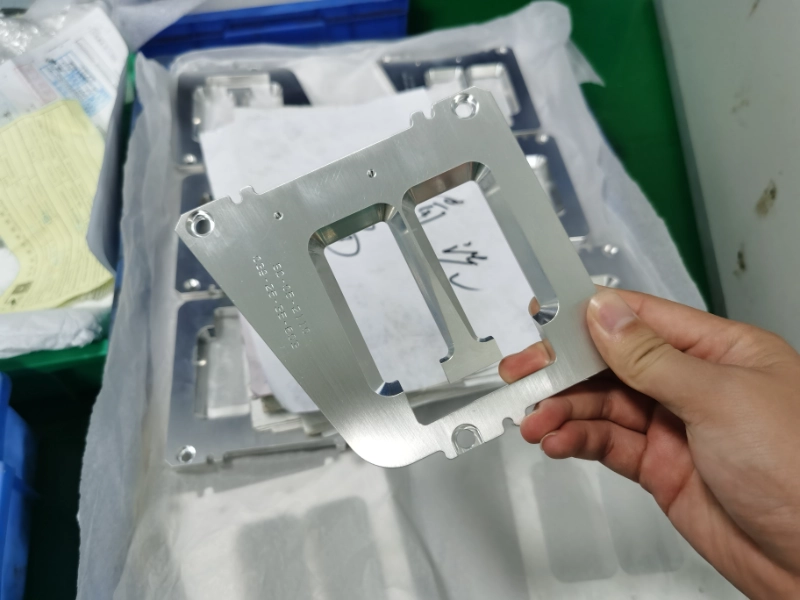
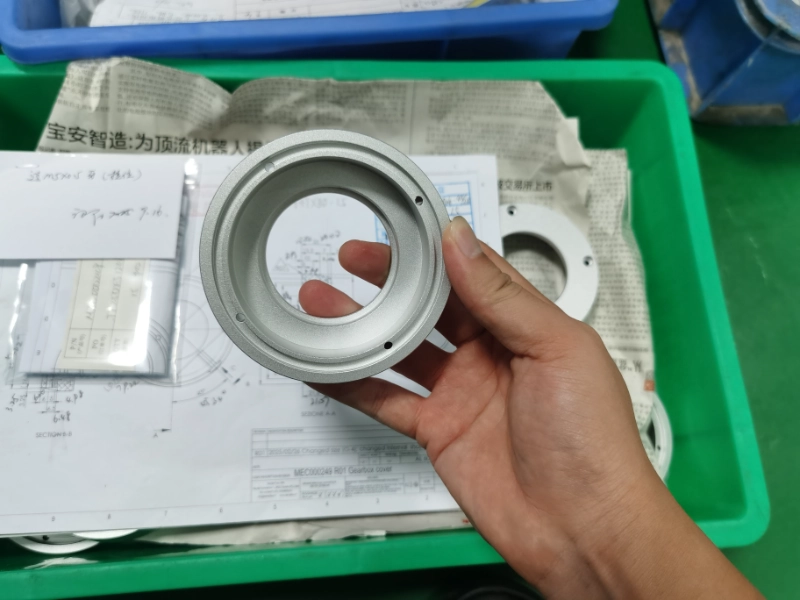
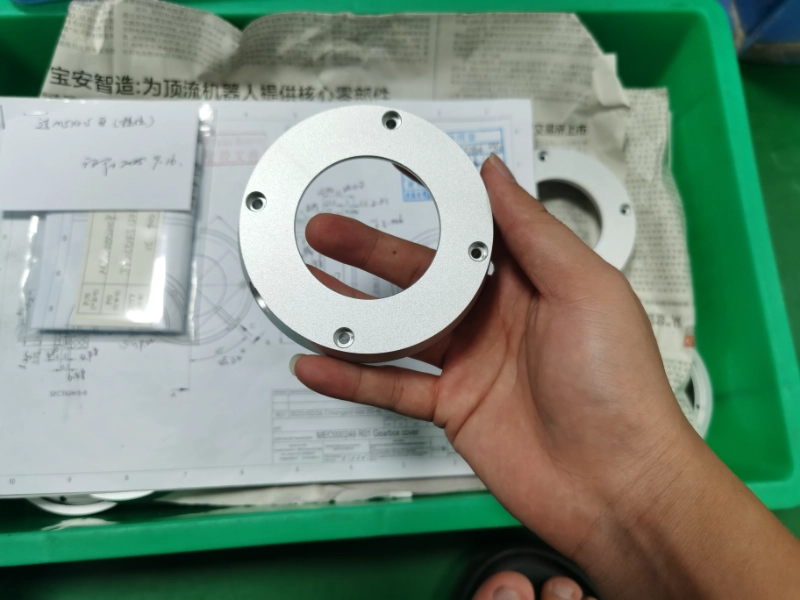
Multi Surface finishes for aluminum part
Over the past 15 years, we have selected and briefly outlined more than 10 surface finished for various aluminum parts.
| Treatment | Key Features | Typical Applications |
|---|---|---|
| Anodizing | Improves corrosion resistance and surface hardness; can be dyed in various colors | Appearance parts, general structural components |
| Hard Anodizing | Thick, hard oxide layer; excellent wear resistance | Aerospace parts, military parts, high-wear components |
| Sandblasting / Bead Blasting | Creates uniform matte surface, removes burrs, improves surface texture | Surface preparation, decorative finishing |
| Polishing | Produces smooth, bright, mirror-like surface | Decorative and cosmetic parts |
| Electroplating | Nickel/chrome/gold plating; improves wear and corrosion resistance | Functional and decorative parts |
| Powder Coating | Thick organic coating, good corrosion resistance, wide color options | Outdoor products, consumer products, automotive parts |
| Chemical Conversion Coating (Alodine / Chromate) | Thin protective layer, maintains electrical conductivity | Aerospace parts, electrical components |
| Brushing | Creates uniform linear texture for decorative finish | Electronic housings, decorative surfaces |
Pro and cons of aluminum material
Advantages
Disadvantages
FAQ of aluminum material
What are the advantages of CNC machining aluminum ?
Aluminum offers excellent machinability, and CNC machining allows for precise, complex shapes to be produced. Its lightweight, high strength, and corrosion resistance make it widely used in industries such as aerospace, automotive, and electronics.
What is the typical lead time for CNC machining aluminum parts ?
Lead time for CNC machining aluminum parts typically ranges from a few days to a couple of weeks, depending on the complexity of the part, material availability, and production schedule. Rush orders may be possible with additional costs for expedited processing.
How can aluminum machining distortion be minimized ?
To minimize distortion in aluminum during CNC machining, it is crucial to use appropriate cutting parameters, select the right tooling, and follow an optimal machining sequence. Additionally, controlling machining temperature and ensuring proper fixture setup helps reduce the risk of warping or distortion.